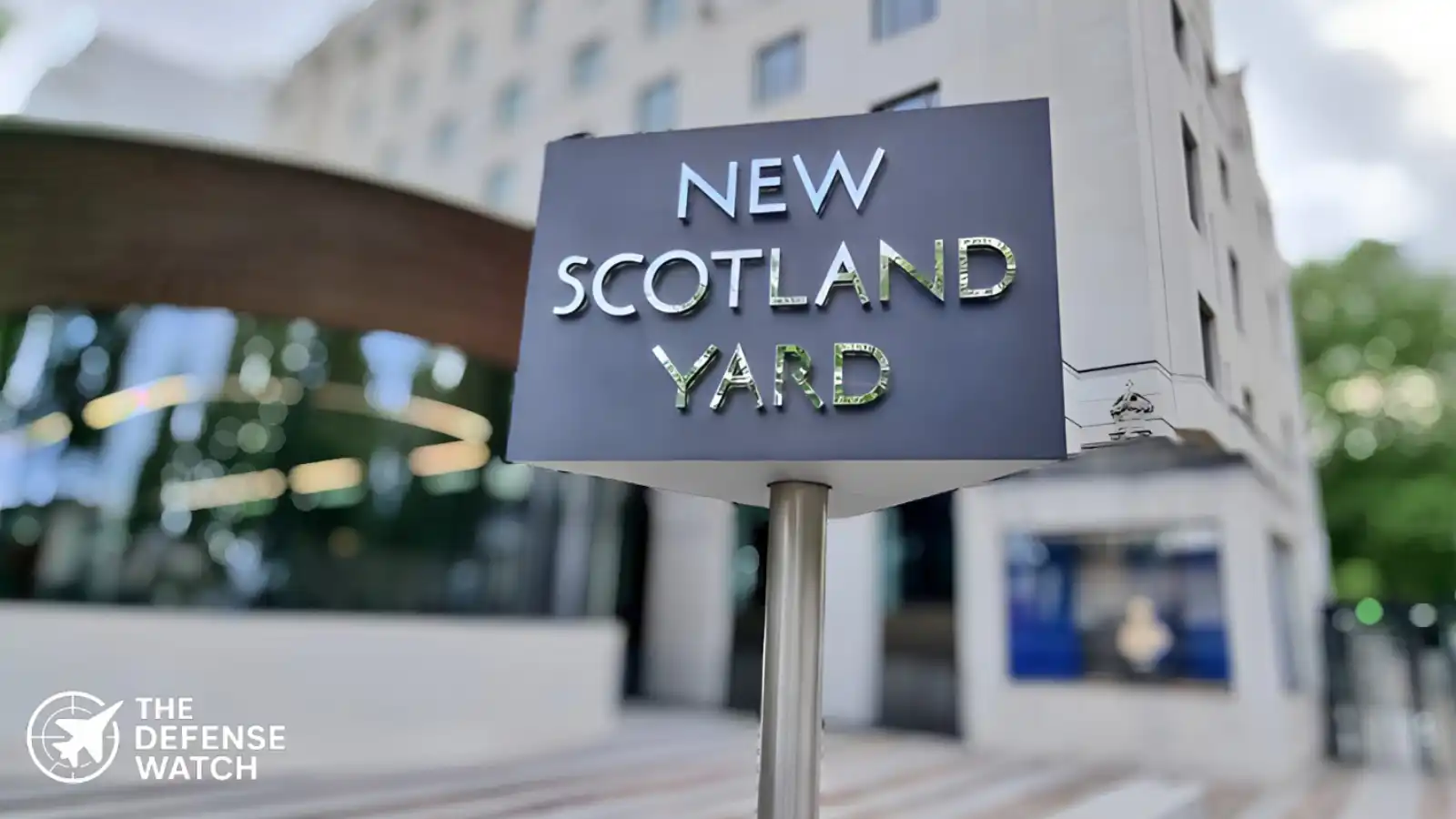
Executive Summary: The UK government, acting on the recommendation of the Joint Terrorism Analysis Centre (JTAC), has officially raised the national terrorism threat level from Substantial to Severe. This shift indicates that a terrorist attack is now considered highly likely, a decision driven by recent domestic incidents and the evolving international security landscape.
Strategic Shift in National Security Posture
The decision to escalate the threat level to Severe follows a comprehensive review of intelligence by JTAC, an independent body comprised of representatives from 16 government departments and agencies. This adjustment represents the fourth highest level on the UK’s five-tier system, positioned below ‘Critical’ (an attack is highly likely in the near future) and above ‘Substantial’ (an attack is likely).
The reclassification is a preventative measure designed to heighten the readiness of first responders, security services, and the public. While the government has not cited a specific, imminent plot, the move reflects a heightened “baseline” threat environment characterized by diversified actor profiles and methods of operation.
Threat Level Comparison and Definitions
To understand the technical nuances of the UK’s alert system, the following table compares the current Severe status against the previous Substantial baseline.
| Security Metric | Substantial (Previous) | Severe (Current) | Status | Key Determinant |
| Probability | Likely | Highly Likely | Active | Intelligence volume & intent |
| Operational Readiness | Standard | Enhanced | Active | Police/Security mobilization |
| Public Alertness | Vigilant | Heightened | Active | Visual deterrents/Public messaging |
| Resource Allocation | Baseline | Prioritized | Active | Critical National Infrastructure (CNI) protection |
Technical Indicators and Tactical Realities
The shift to Severe necessitates a change in how security assets are deployed across the United Kingdom. Intelligence analysts focus on several key vectors:
- Self-Initiated Lone Actors: A primary concern for UK counter-terrorism forces remains individuals who radicalize online and act without direct command-and-control from established groups.
- Methodology Shifts: Continued monitoring of “low-sophistication” attack methods, such as the use of bladed weapons or vehicle-ramming, which require minimal preparation time.
- Protective Security Detail: Immediate increase in the visibility of armed policing at transport hubs, government buildings, and major public venues.
- Critical National Infrastructure (CNI): Enhanced screening protocols for energy, water, and communication sectors to mitigate sabotage risks.
Geopolitical and Strategic Context
The elevation of the threat level does not occur in a vacuum. It is inextricably linked to broader geopolitical instability. The Home Office and JTAC continuously monitor international conflicts and the propaganda output of extremist organizations that may seek to inspire domestic sympathizers.
The current strategic environment is marked by:
- Regional Instability: Conflict in the Middle East often acts as a catalyst for increased domestic radicalization risks.
- Technological Proliferation: The use of encrypted communication platforms complicates the “detection-to-disruption” cycle for MI5 and Counter Terrorism Policing.
- Recent Incidents: The cumulative impact of recent “lone actor” events has necessitated a recalibration of the probability of future occurrences.
Public Guidance and Institutional Response
The UK Government emphasizes that the change in the threat level is a tool for transparency and preparedness rather than a cause for public panic. Counter Terrorism Policing continues to operate a high volume of active investigations—numbering in the hundreds—at any given time.
The “Severe” designation ensures that all levels of the National Health Service (NHS), Police forces, and Private Security firms are operating under a unified understanding of the risk environment. This synchronization is critical for minimizing response times in the event of a kinetic incident.