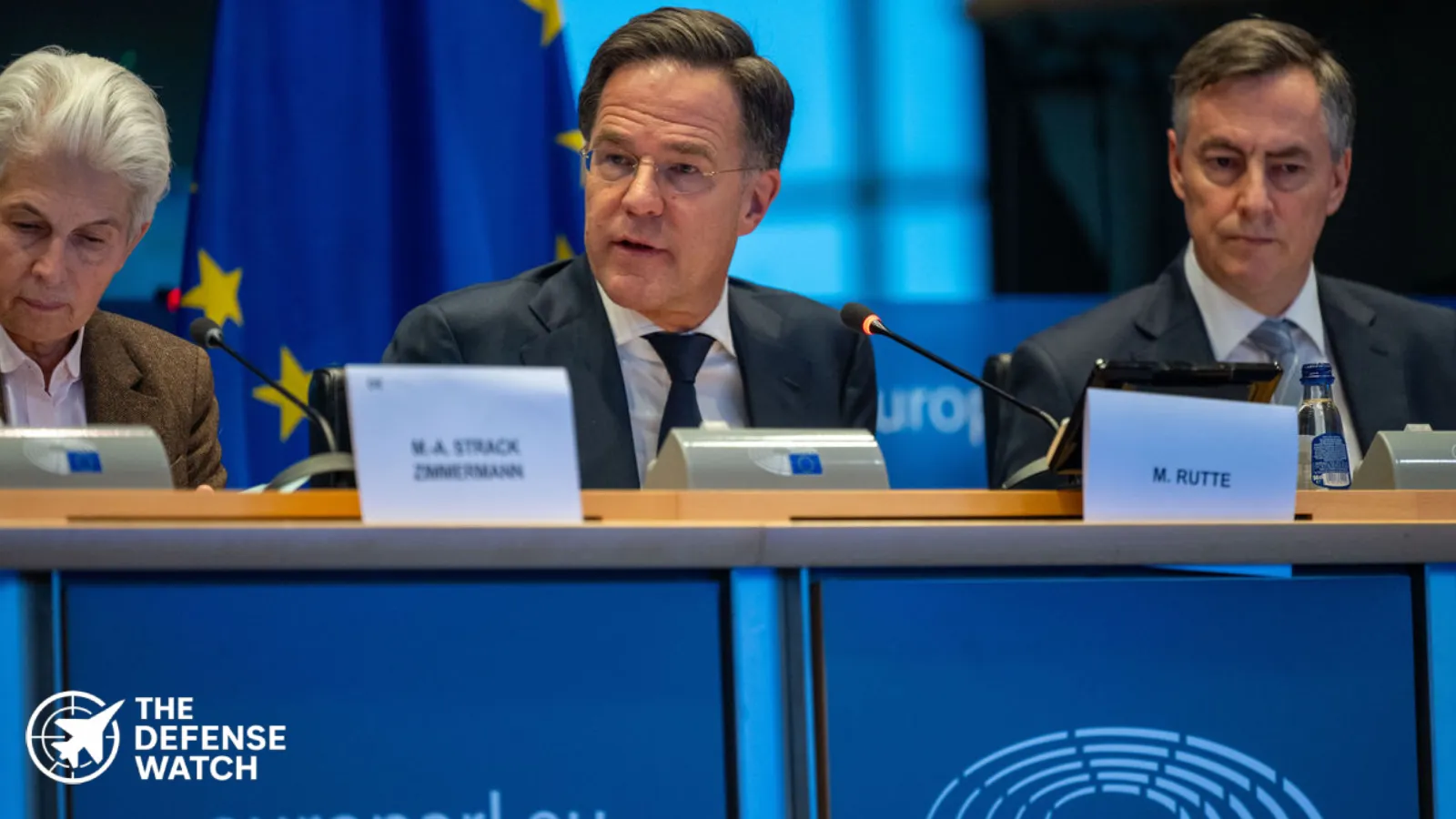
NATO Chief Says Europe Can’t Defend Itself Without U.S Support
BRUSSELS — NATO Secretary General Mark Rutte told members of the European Parliament’s Security and Defence Committee on January 26 that Europe cannot defend itself without the United States and stressed continued support for Ukraine as Russian attacks persist. Rutte’s remarks underscored the central role of transatlantic defence cooperation and NATO-EU military coordination.
Rutte said that even with increased European defence spending, the continent would not be able to stand alone against major security threats without U.S military capabilities, including nuclear deterrence, and that the United States and Europe “need each other” to effectively deter aggression and protect shared security interests.
Transatlantic Defence Emphasis
Addressing lawmakers in Brussels, Rutte rejected arguments for full European defence autonomy, saying that even meeting NATO’s new defence spending targets would not substitute for U.S support. “If anyone thinks here that the European Union or Europe as a whole can defend itself without the U.S., keep on dreaming,” Rutte said.
Defence leaders and analysts have highlighted that U.S contributions — both conventional and nuclear — remain critical to NATO’s deterrence strategy, especially as European members push to strengthen their armed forces and defence industries. This fits with NATO’s long-standing collective defence commitments under Article 5 of the Washington Treaty.
Ukraine Support Remains Central
Rutte also detailed NATO’s coordinated support for Ukraine, including military aid prioritised through the NATO Prioritised Ukraine Requirements List (PURL) and multilateral initiatives with European partners. He said U.S military hardware and supplies remain vital to Kyiv’s defence against continued Russian missile assaults.
He urged European leaders to ensure flexibility in how financial and military assistance is used to meet Ukraine’s urgent needs, including air defence interceptors to protect cities such as Kyiv and Kharkiv.
Rutte’s comments come as NATO and EU capitals seek to balance long-term defence production and capability improvements with immediate battlefield requirements in Ukraine.
Defence Spending and Strategic Reality
NATO allies agreed at the June 2025 summit in The Hague on a framework to increase defence spending toward a combined 5 percent of GDP by 2035, a target aimed at strengthening the alliance’s collective capabilities. Rutte reiterated that even reaching such targets would not enable Europe to achieve full, independent defence capabilities without U.S support.
Officials say this shared defence investment is key to addressing gaps in air defence, long-range strike, and other high-end capabilities that European forces currently lack.
EU-NATO Cooperation
At the session, Rutte also stressed the importance of NATO-EU cooperation on defence planning, capability development, and military logistics. He said close alignment of efforts would help improve interoperability, speed production, and reinforce deterrence across both organisations.
Lawmakers pressed him on how best to deepen cooperation, particularly in areas where EU procurement and NATO planning can be better integrated to support Ukraine and broader security needs.