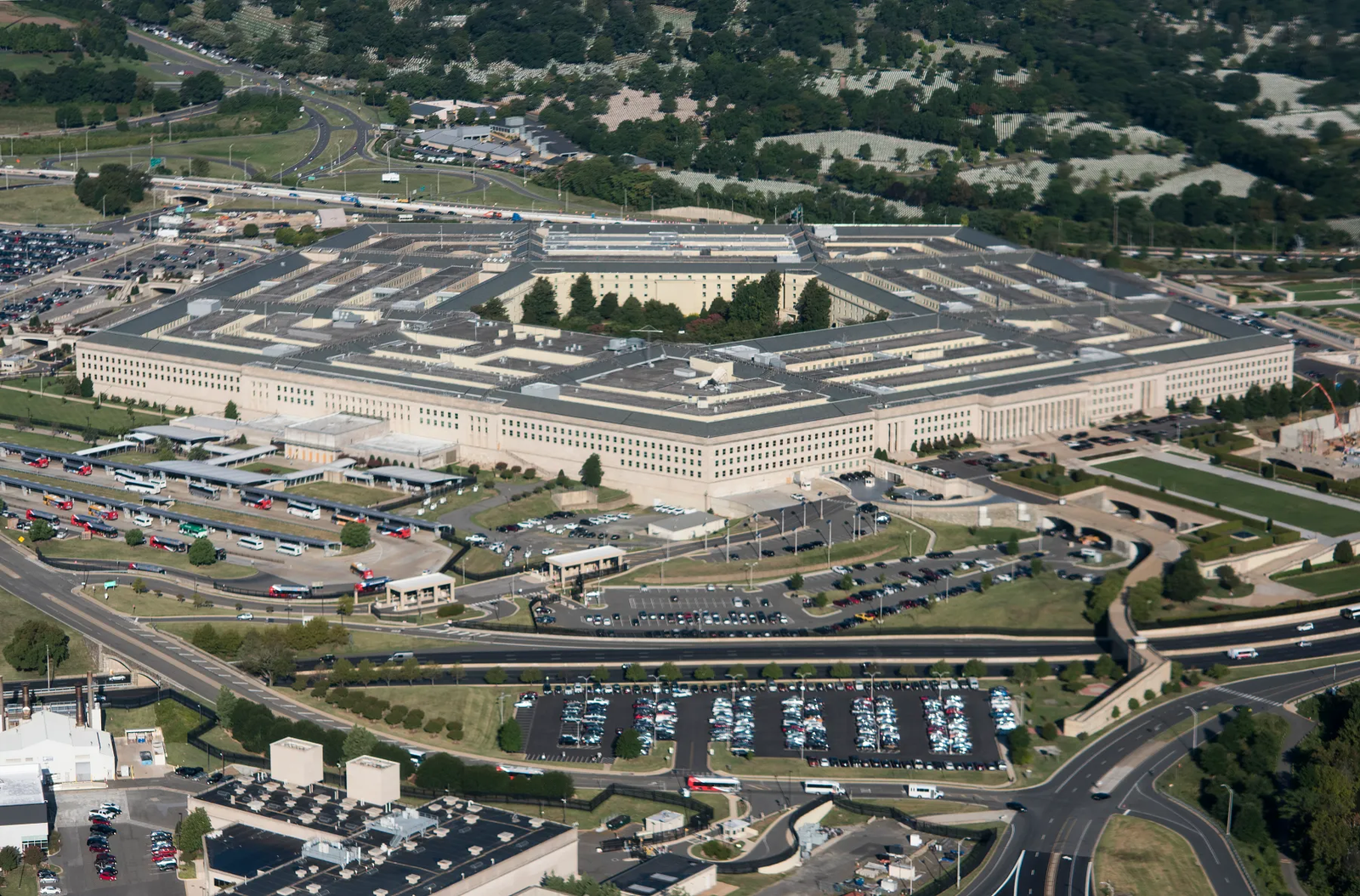
Executive Summary:
The Pentagon has announced a new round of senior military nominations, including a Space Force general for chief of space operations and key Army leadership roles tied to Ukraine. The moves reflect evolving U.S. priorities in space warfare and European security. These appointments signal continued emphasis on operational readiness and allied support.
Pentagon General Officer Announcements Signal Strategic Shift
The latest Pentagon general officer announcements underscore a growing emphasis on space dominance and sustained support for Ukraine, as the Department of Defense reshapes its senior leadership structure.
Defense Secretary Pete Hegseth confirmed that the president has nominated several high-ranking officers for critical roles across the United States Space Force and United States Army.
At the center of the announcement is Space Force Lt. Gen. Douglas A. Schiess, nominated for promotion to full general and assignment as chief of space operations. If confirmed, Schiess would assume one of the most strategically significant roles in U.S. defense, overseeing space-based capabilities critical to modern warfare.
Space Force Leadership Reflects Operational Priorities
Schiess currently serves as deputy chief of space operations for operations at the Pentagon, where he has been directly involved in shaping U.S. space strategy. His nomination aligns with increasing concerns over contested space domains, particularly involving peer competitors such as China and Russia.
The role of chief of space operations has become central as the U.S. military integrates satellite communications, missile warning systems, and space-based intelligence into joint operations. Elevating an operations-focused leader suggests a shift toward execution and readiness rather than organizational development.
This move comes as analysts from institutions like the Center for Strategic and International Studies highlight growing risks to U.S. space assets, including anti-satellite weapons and electronic warfare threats.
Army Leadership Focused On Ukraine Mission
In parallel, the Pentagon general officer announcements include key Army nominations tied to ongoing support for Ukraine.
Army Maj. Gen. Guillaume N. Beaurpere has been nominated for promotion to lieutenant general and assignment as commander of Security Assistance Group-Ukraine, part of NATO’s broader training and support framework under Operation Atlantic Resolve.
This role is central to coordinating military aid, training Ukrainian forces, and ensuring interoperability with NATO allies. Beaurpere currently serves as chief of staff at United States Special Operations Command, bringing operational and planning experience relevant to multinational coordination.
The appointment reflects Washington’s continued commitment to Kyiv amid ongoing tensions with Russia, reinforcing long-term institutional support rather than short-term assistance.
Strengthening Domestic Command Structure
The Pentagon also announced the nomination of Army Col. Michael W. Brancamp to brigadier general, with assignment as deputy commander of the 200th Military Police Command at Fort Meade.
Brancamp currently serves within the 78th Training Division, and his promotion highlights the importance of training, readiness, and force sustainment within the Army’s reserve components. Military police units play a key role in both domestic support and overseas operations, particularly in stability missions.
Analysis: What These Nominations Indicate
While routine on the surface, these Pentagon general officer announcements point to three clear trends in U.S. defense strategy:
First, space is now a primary warfighting domain. Elevating leadership within the Space Force reflects urgency in securing orbital assets and maintaining technological superiority.
Second, Ukraine remains a central theater for U.S. and NATO engagement. Assigning a senior lieutenant general to oversee assistance efforts signals sustained, structured involvement.
Third, the Pentagon continues to balance global operations with domestic readiness, ensuring that command structures across all levels remain aligned with evolving threats.
Together, these moves illustrate a defense posture that is increasingly multi-domain, alliance-driven, and focused on operational execution.