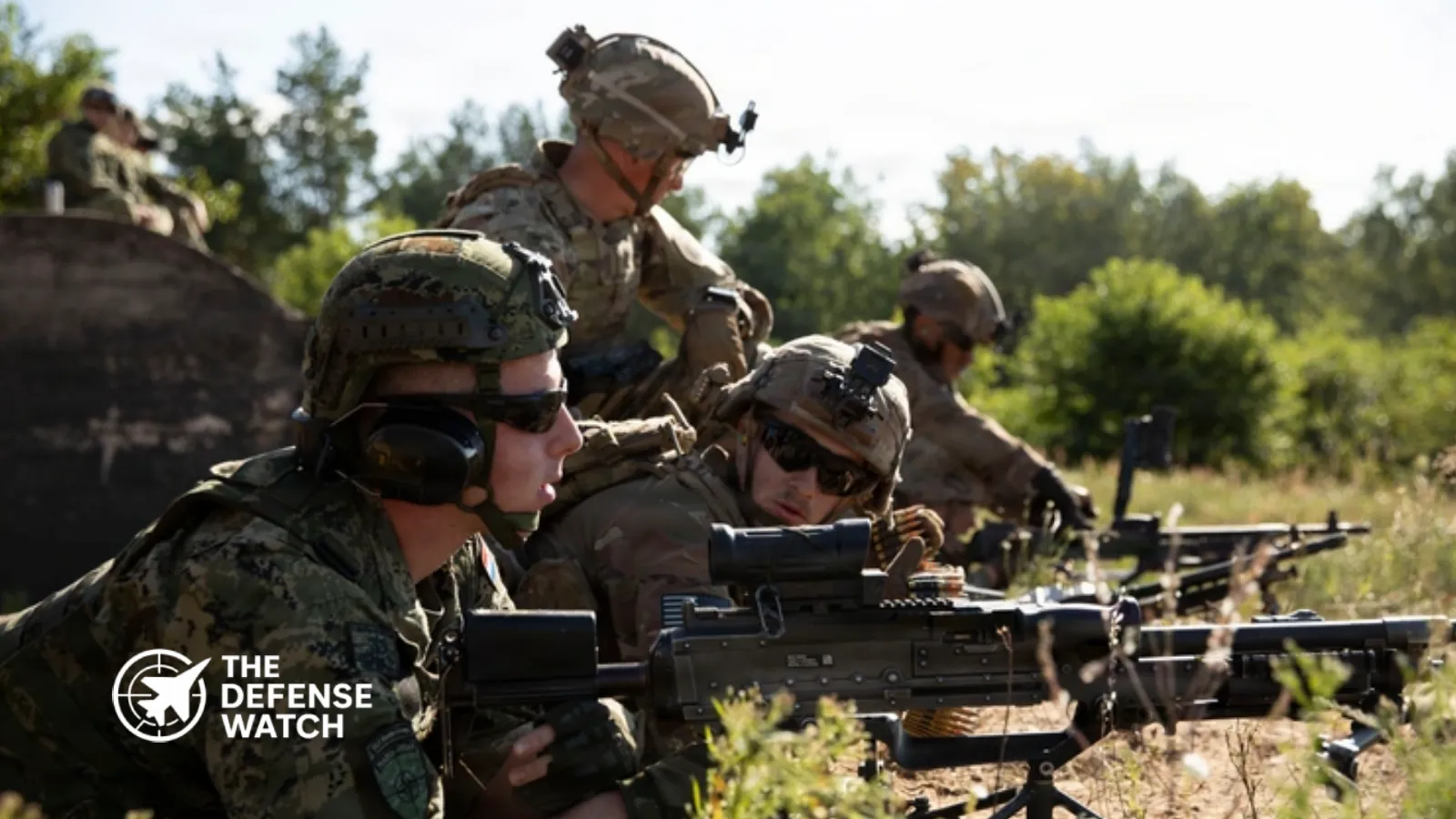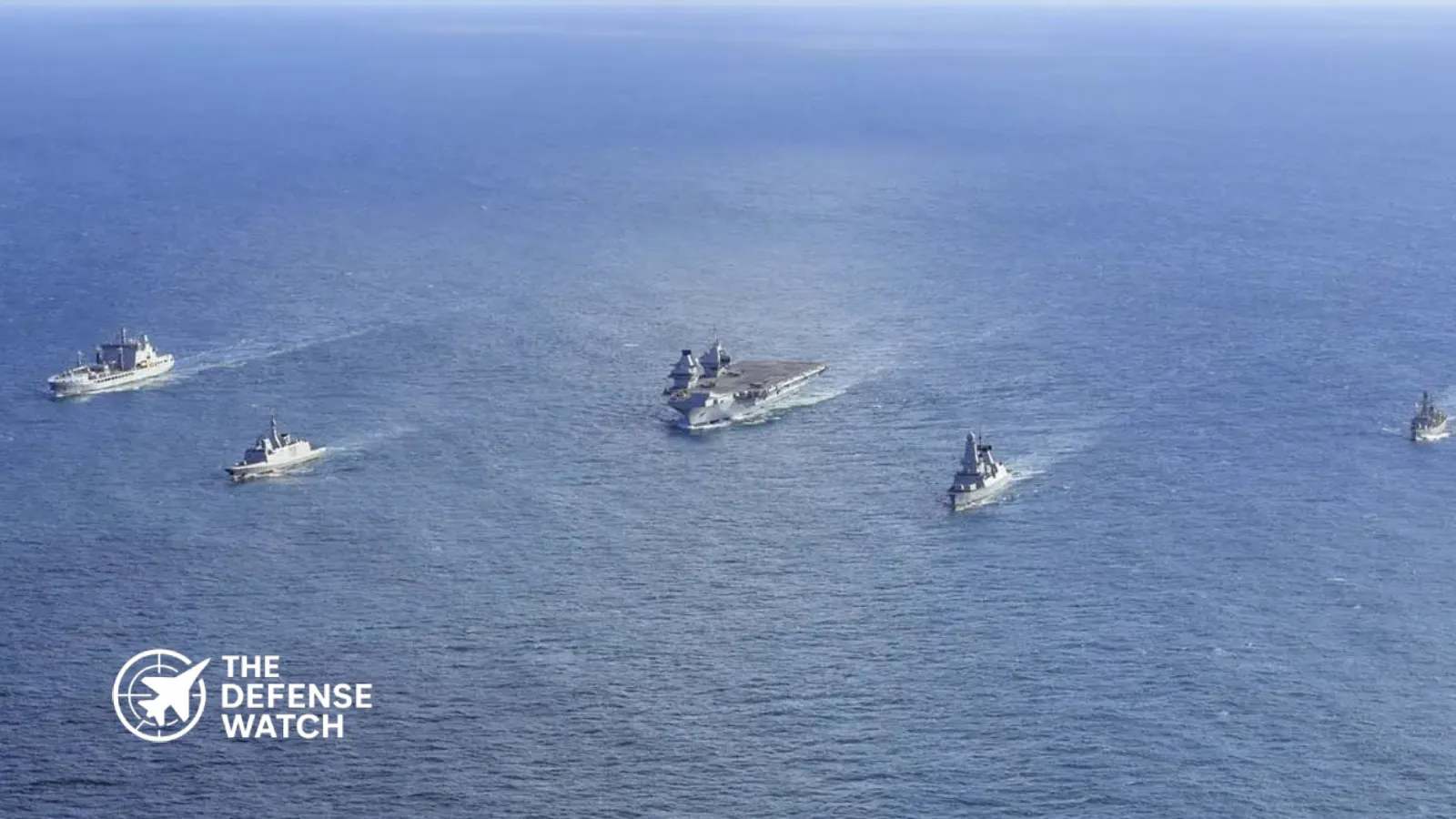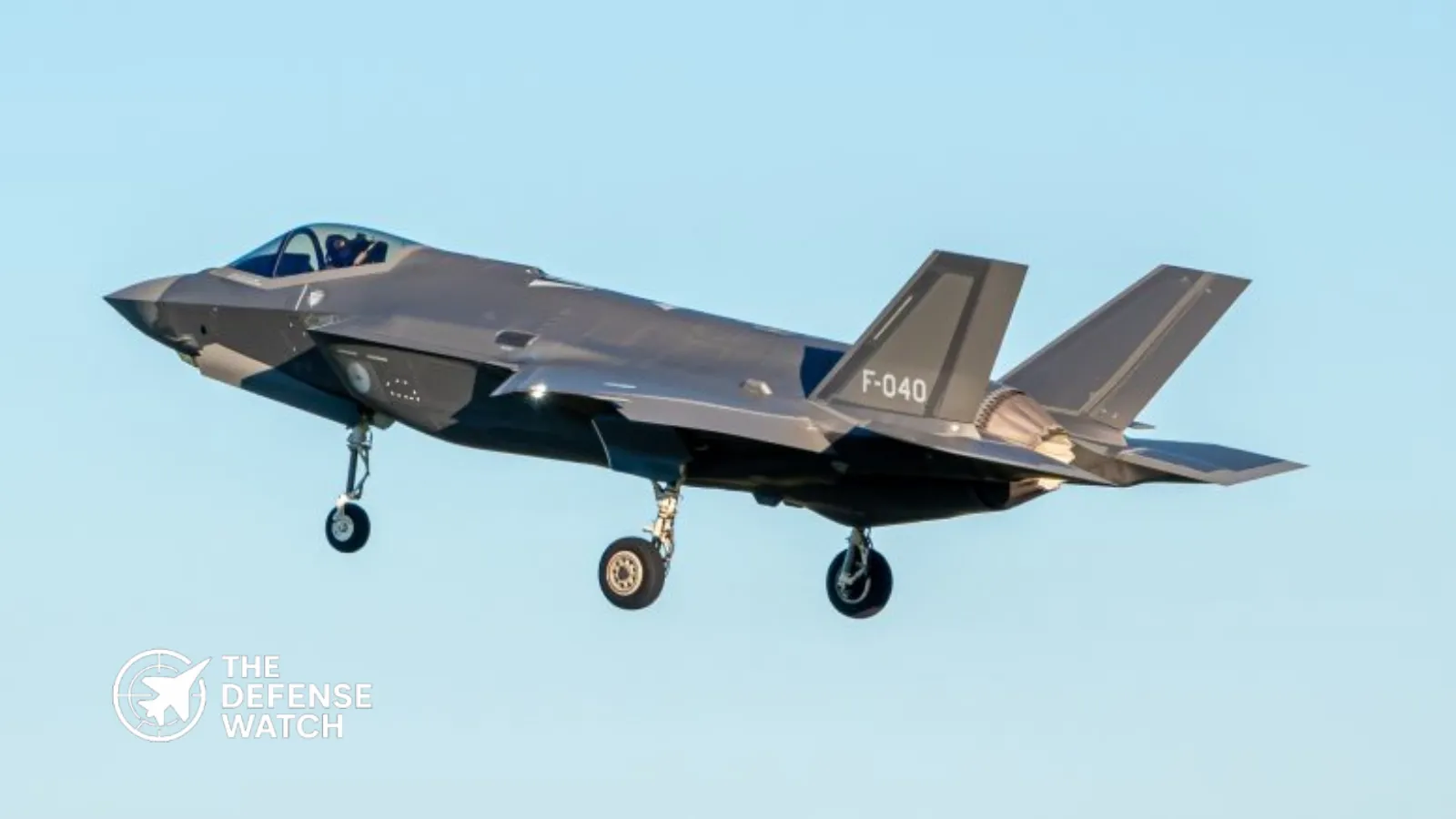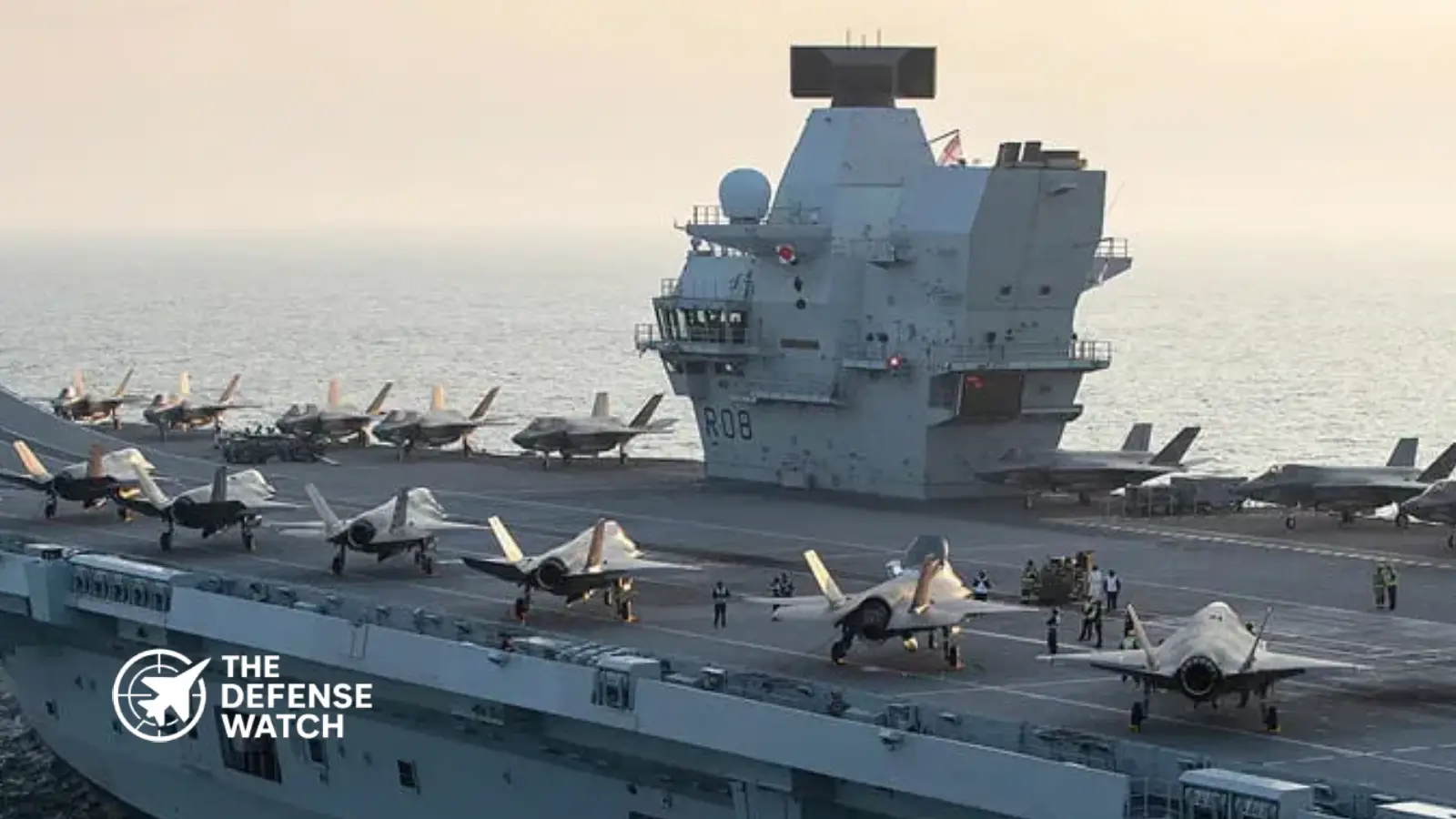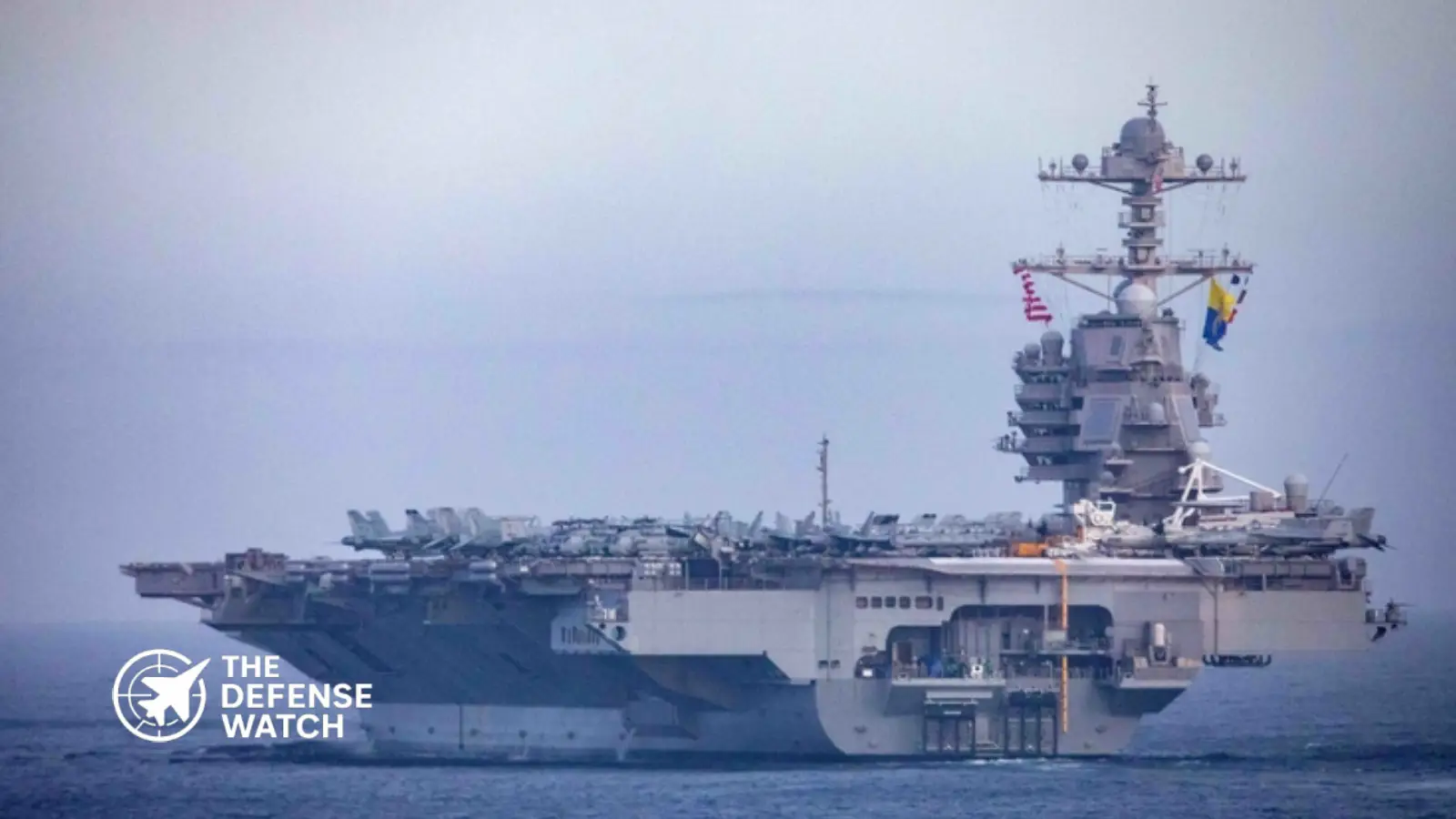
The Royal Navy’s flagship carrier has completed a three month NATO deployment that combined Arctic air policing, multinational exercises, and extended range F-35B operations across the High North.
Executive Summary:
The UK Carrier Strike Group has completed the first phase of Operation Firecrest after three months of NATO operations in the Arctic and North Atlantic. The deployment featured carrier launched F-35B air policing missions, multinational exercises, and enhanced allied interoperability aimed at strengthening NATO’s Northern Flank.
UK Carrier Strike Group Completes First Phase Of NATO Arctic Deployment
The UK Carrier Strike Group has concluded the opening phase of its 2026 deployment to the Arctic and North Atlantic, marking the end of a three month mission focused on NATO deterrence, regional security, and multinational interoperability. Led by the aircraft carrier HMS Prince of Wales, the task group will return briefly to Portsmouth before resuming Operation Firecrest later this year in northern European waters.
The strike group included HMS Prince of Wales, destroyer HMS Duncan, support tanker RFA Tidespring, embarked F-35B Lightning II fighters, Merlin and Wildcat helicopters, and uncrewed autonomous systems. According to the Royal Navy, the deployment demonstrated the UK’s ability to operate a carrier centered force in demanding Arctic conditions alongside NATO allies.
Exercise Neptune Strike Concludes Initial Deployment
The deployment ended with Exercise Neptune Strike, a large NATO exercise involving forces from ten allied nations across the air, maritime, and land domains.
The exercise emphasized long range strike operations, integrated command and control, and joint planning across multiple operational environments. British F-35B fighters conducted extended range sorties with support from RAF Voyager and Italian KC,767 aerial refueling aircraft, allowing missions to reach areas including Poland while operating from HMS Prince of Wales.
Royal Navy escorts and embarked helicopters simultaneously participated in anti surface and anti submarine warfare activities, highlighting the carrier group’s ability to conduct multi domain operations.
Arctic Air Policing Marks Operational Milestone
One of the most significant achievements during the deployment was the UK’s contribution to NATO’s Arctic Sentry Enhanced Vigilance Activity.
Carrier launched F-35B fighters carried out NATO Air Policing missions over Iceland and the Arctic, intercepting and monitoring Russian military aircraft operating near allied airspace. According to the Royal Navy and UK Ministry of Defence, this marked the first time NATO air policing missions have been conducted by fighter aircraft launched from a European aircraft carrier.
Earlier in July, Royal Navy F-35Bs were scrambled after a Russian Tu,142 maritime patrol aircraft approached the carrier group in the Norwegian Sea during ongoing NATO operations. The aircraft was escorted while the task group continued its mission.
Broader NATO Cooperation
Beyond Arctic air policing, the UK Carrier Strike Group participated in several multinational activities, including Exercise Ramstein Flag, Dynamic Mongoose, and Joint Expeditionary Force Exercise Tamber Shield.
Throughout the deployment, the carrier group operated with 19 NATO and Joint Expeditionary Force partners, strengthening interoperability across allied naval, air, and maritime forces. The mission also supported NATO Joint Force Command Norfolk’s efforts to improve coordinated operations across the strategically important North Atlantic and High North.
Why The Deployment Matters
The completion of the first phase of Operation Firecrest reflects several broader trends in NATO’s evolving defense posture.
First, it demonstrates the growing integration of carrier aviation into alliance air defense missions. Carrier based F-35Bs traditionally support expeditionary strike operations, but their use in standing NATO air policing expands the operational flexibility of allied naval aviation.
Second, the deployment highlights the increasing strategic importance of the Arctic and North Atlantic. These regions remain vital for transatlantic reinforcement, undersea infrastructure protection, and monitoring military activity as Russia maintains a significant military presence across the High North. NATO has responded by increasing exercises, surveillance, and multinational deployments across the region.
Finally, the mission reinforces the UK’s role as one of NATO’s primary carrier operating nations. Regular multinational deployments provide opportunities to validate command structures, logistics, aerial refueling, and interoperability before potential crisis situations arise.
Rather than representing a standalone operation, Operation Firecrest forms part of NATO’s broader effort to maintain readiness and credible deterrence across Europe’s northern approaches through routine, integrated military activity.
What’s Next
HMS Prince of Wales and HMS Duncan are expected to undergo maintenance and provide leave for their crews before the second phase of Operation Firecrest begins later this year.
The next deployment phase will continue operations in northern European waters, building on lessons learned during the Arctic mission while supporting ongoing NATO maritime security and collective defense objectives.
Executive Summary:
The U.S. Army has launched Project Convergence Capstone 6, its largest experimentation event to date, to validate the Next Generation Command and Control (NGC2) architecture. The exercise combines operational units, allied militaries, artificial intelligence, and emerging technologies to improve battlefield decision making while informing future procurement and modernization priorities.
U.S. Army Tests Next Generation Command Network At Project Convergence Capstone 6
The U.S. Army Next Generation Command Network is undergoing its largest operational evaluation during Project Convergence Capstone 6 (PC C6) at Fort Irwin, California. The 10 day experiment is designed to validate the Army’s Next Generation Command and Control (NGC2) architecture while assessing how emerging technologies can improve battlefield decision making across large combat formations.
According to the U.S. Army, approximately 10,000 personnel are participating in the exercise, making it the largest Project Convergence event conducted so far. More than 90 technologies, operational concepts, and force structures are being tested under realistic combat conditions using the 4th Infantry Division at division scale.
Focus On Faster Battlefield Decisions
The centerpiece of the exercise is the Next Generation Command and Control architecture, which is intended to improve how battlefield information is collected, processed, and shared across combat formations.
The system integrates commercial software, advanced data management tools, and artificial intelligence to help commanders receive relevant operational information more quickly. Rather than replacing military decision makers, these technologies are designed to reduce information delays and improve command responsiveness in contested environments.
Lt. Gen. Michael McCurry, commanding general of U.S. Army Futures and Concepts Command and director of PC C6, said the division scale experiment provides commanders with better access to operational data to support faster and more effective decisions during combat operations.
Largest Project Convergence To Date
Project Convergence has evolved from a technology demonstration into the Army’s primary operational experimentation campaign.
During PC C6, the 4th Infantry Division is conducting force on force operations across Fort Irwin’s challenging terrain while employing the new command network under realistic battlefield conditions. Opposing forces equipped with advanced instrumentation create a demanding environment for evaluating system performance.
The exercise also includes military participation from the United Kingdom, Australia, Canada, and New Zealand, allowing the Army to evaluate interoperability between U.S. and allied command systems during multinational operations. Coalition integration remains a key objective as future operations are expected to rely heavily on joint and allied forces.
Why This Matters Beyond The Exercise
Project Convergence is more than a field exercise. It serves as an operational laboratory that connects experimentation with future acquisition decisions.
The Army has stated that lessons learned from PC C6 will directly influence modernization priorities, future procurement programs, and the continued development of NGC2. Data gathered during the exercise will help determine which technologies are mature enough for wider operational adoption and which require further refinement.
This approach reflects a broader shift in U.S. military modernization. Rather than evaluating individual technologies separately, Project Convergence measures how sensors, communications, artificial intelligence, command software, autonomous systems, and operational formations perform together in realistic scenarios.
Analysis: A Shift Toward Integrated Battlefield Networks
One of the most significant aspects of Project Convergence Capstone 6 is its emphasis on integrating capabilities rather than introducing a single new platform.
Modern military operations increasingly depend on rapidly moving information between headquarters, sensors, aircraft, ground forces, electronic warfare assets, and allied units. As potential adversaries continue investing in electronic warfare, long range precision fires, and cyber capabilities, resilient command networks have become as important as traditional combat platforms.
The Army’s decision to validate NGC2 at division scale represents an important step because command systems that perform well in small demonstrations often face greater challenges when supporting thousands of personnel across large operational areas. Testing under realistic conditions provides more meaningful data for acquisition officials than laboratory evaluations alone.
Equally important is the multinational dimension of PC C6. Future coalition operations will require command systems capable of securely sharing information across allied forces without slowing operational tempo. By incorporating partner nations during experimentation, the Army can identify interoperability challenges before future deployments.
While the exercise is not intended to certify operational capability, it demonstrates the Army’s continuing effort to accelerate modernization through iterative experimentation, operational feedback, and evidence based procurement decisions.
Looking Ahead
Project Convergence Capstone 6 represents another milestone in the Army’s long term modernization strategy. The event combines operational soldiers, allied partners, artificial intelligence, commercial technologies, and emerging command systems into a single experimentation environment.
The results will help determine how the U.S. Army Next Generation Command Network evolves into future operational capability while shaping investment priorities for command and control systems designed for increasingly complex multi domain operations.
NATO allies are investing in advanced instructor training to improve combat readiness as allied air forces prepare for increasingly contested operational environments.
Executive Summary:
NATO allied air forces have completed the Dutch phase of the multinational Weapons Instructor Course at Leeuwarden Air Base, bringing together elite personnel from four nations. The program develops tactical leaders who will return to their units as instructors, strengthening NATO interoperability and collective air combat readiness.
NATO Weapons Instructor Course Strengthens Allied Air Power In The Netherlands
The NATO Weapons Instructor Course is reinforcing allied air combat capability by preparing the next generation of tactical leaders during an intensive multinational training program hosted by the Royal Netherlands Air and Space Force at Leeuwarden Air Base.
Held from July 6 to July 10, the Dutch phase of the course brought together 24 students from Belgium, Denmark, the Netherlands, and Norway. Participants included fighter pilots, intelligence officers, air battle managers, tactical airlift crews, and ground based air defense specialists, reflecting NATO’s growing emphasis on integrated multi domain operations.
Elite Tactical Instructors For NATO Operations
Unlike conventional flying courses, the Weapons Instructor Course focuses on producing highly qualified tactical instructors rather than simply certifying aircrew.
Students conducted demanding operational scenarios involving up to three flying waves each day with as many as 20 military aircraft participating simultaneously. Aircraft involved included Dutch and Danish F-35 Lightning II fighters, Finnish F/A-18 Hornets, and contracted adversary aircraft providing realistic opposing forces.
The curriculum teaches participants to plan, coordinate, and command Large Force Employment missions that combine:
- Fifth generation fighter aircraft
- Intelligence assets
- Command and control networks
- Electronic warfare capabilities
- Ground based air defense systems
Graduates return to their national air forces as weapons instructors, responsible for training future crews and improving operational tactics across their services.
Why The Training Matters
The timing of the exercise reflects NATO’s continued effort to improve interoperability as European allies modernize their air forces and expand fleets of advanced aircraft, particularly the F-35.
Rather than focusing solely on aircraft performance, the course emphasizes how multiple nations can operate as a single combat force during high intensity operations.
That objective has become increasingly important as NATO members conduct more multinational exercises and prepare for operations requiring seamless coordination between different aircraft types, command structures, and supporting capabilities.
From an operational perspective, instructor development offers a multiplier effect. Each graduate trains dozens of additional pilots and mission planners after returning home, allowing advanced tactical knowledge to spread throughout allied air forces without requiring every operator to attend multinational courses.
Leeuwarden’s Role In NATO Air Training
Leeuwarden Air Base has served as one of Europe’s premier tactical aviation training centers for decades.
Home to the Royal Netherlands Air Force Weapons School, the base has hosted advanced fighter training since the 1950s and now conducts the multinational Weapons Instructor Course every two years.
Its infrastructure allows participants to integrate live aircraft, intelligence support, electronic warfare, and realistic adversary forces into complex scenarios that closely resemble modern coalition operations.
Following completion of the Dutch phase, the course continues in Norway, further exposing students to different operational environments while reinforcing cooperation among Northern European NATO members.
Analysis: Building Combat Leadership Instead Of Just Flying Skills
One of the most significant aspects of the NATO Weapons Instructor Course is its emphasis on leadership rather than aircraft qualification.
Modern air campaigns rely on synchronized operations involving fighters, surveillance assets, electronic warfare platforms, air defense units, and command networks. Success increasingly depends on tactical decision making across multinational formations rather than the capabilities of individual aircraft.
Programs like the Weapons Instructor Course address this challenge by creating instructors capable of integrating diverse capabilities into coherent combat operations.
The multinational format also provides strategic benefits. As more NATO members introduce common platforms such as the F-35, shared tactical education helps establish standardized procedures, reducing friction during coalition deployments and improving collective deterrence.
For smaller allied air forces, multinational instructor development offers access to complex training environments that would be difficult or prohibitively expensive to replicate independently. This approach strengthens alliance readiness while making efficient use of shared resources.
Looking Ahead
As NATO continues expanding multinational air operations across Europe, advanced instructor programs are becoming an increasingly important component of alliance readiness.
The Weapons Instructor Course demonstrates how allied nations are investing not only in next generation aircraft but also in the tactical expertise required to employ those capabilities effectively. By producing instructors who can train future generations of aircrews, the program supports long term improvements in interoperability, operational leadership, and coalition combat effectiveness.
Executive Summary:
The United Kingdom Carrier Strike Group, led by HMS Prince of Wales, is operating under NATO command as part of the alliance’s Arctic Sentry mission. The deployment enhances NATO’s maritime presence in the Arctic while improving allied readiness in a region of growing strategic importance.
UK Carrier Strike Group Strengthens NATO Presence In The Arctic
The UK Carrier Strike Group has entered a new phase of operations after being placed under NATO operational command as part of Arctic Sentry, the alliance’s enhanced vigilance activity focused on the Arctic and High North. The move underscores NATO’s increasing emphasis on northern defense as military competition intensifies across the region.
Led by HMS Prince of Wales, the Royal Navy’s flagship aircraft carrier, the task group is supporting NATO’s Joint Force Command Norfolk during a series of operations designed to improve allied coordination, surveillance, deterrence, and maritime security throughout the Arctic.
The deployment represents one of the United Kingdom’s most significant naval contributions to NATO’s northern posture in recent years.
Carrier Strike Group Brings Fifth Generation Airpower
At the center of the deployment is HMS Prince of Wales, carrying Britain’s carrier-based fifth generation combat capability through F-35B Lightning II fighters from 809 Naval Air Squadron and Royal Air Force 617 Squadron.
The strike group also includes escorts, support vessels, helicopters, and maritime surveillance assets capable of conducting air defense, anti-submarine warfare, strike missions, and intelligence gathering in one of the world’s most demanding operating environments.
Operating under NATO command allows allied naval and air forces to coordinate through a unified operational structure, improving interoperability across multiple national fleets.
What Arctic Sentry Means For NATO
Arctic Sentry was launched by NATO in February 2026 as a multi-domain operational framework that combines allied exercises, maritime patrols, air operations, and land activities under a single command structure led by Joint Force Command Norfolk.
Rather than creating a single exercise, Arctic Sentry synchronizes existing allied activities across the Arctic and High North into a coordinated operational approach.
According to NATO, the initiative responds to increasing military activity by Russia in the Arctic, while also addressing China’s growing strategic interest in the region. The alliance says the effort improves situational awareness, operational planning, and collective defense across NATO’s northern flank.
Why The Arctic Matters
The Arctic has become increasingly important for global security.
Melting sea ice is gradually opening new shipping routes while exposing natural resources and expanding access to previously inaccessible waters. At the same time, the region contains critical sea lines of communication linking North America and Europe.
Russia has continued modernizing military infrastructure across its Arctic territories, including airfields, naval facilities, and surveillance capabilities, while NATO has responded by increasing exercises and strengthening cooperation among Arctic allies.
For NATO, maintaining freedom of navigation and protecting reinforcement routes through the North Atlantic remain central strategic objectives.
Analysis: A Shift Toward Persistent Northern Operations
While the deployment itself does not represent a permanent increase in NATO forces, it reflects a broader transition toward sustained allied operations in northern waters.
Placing the UK Carrier Strike Group under NATO command demonstrates the alliance’s growing preference for integrated multinational operations rather than nationally directed deployments operating alongside one another.
From an operational perspective, carrier strike groups provide flexible airpower, command and control, anti-submarine capabilities, and long-range surveillance without relying on fixed regional bases. These attributes are particularly valuable in the Arctic, where infrastructure is limited and weather conditions complicate military operations.
The deployment also highlights Britain’s continued role as one of NATO’s primary maritime powers. By contributing its largest naval formation to alliance command, London reinforces its commitment to collective defense while improving interoperability with U.S., Norwegian, Canadian, Danish, Dutch, and other allied forces operating across the High North.
For NATO, Arctic Sentry is as much about improving command integration as it is about demonstrating presence. Coordinated operations enable faster decision making, more effective intelligence sharing, and greater readiness should security conditions deteriorate.
Looking Ahead
The UK Carrier Strike Group is expected to continue participating in additional Arctic Sentry activities alongside allied naval and air forces throughout the coming weeks.
NATO has indicated that Arctic Sentry will continue evolving as a long-term framework for coordinating operations across the Arctic and High North, complementing other regional initiatives designed to strengthen deterrence and collective defense.
As geopolitical competition in the Arctic continues to increase, deployments such as this are likely to become a more regular feature of NATO’s operational posture.
Executive Summary:
NATO maritime forces participated in major U.S.-led FLEETEX 250 exercises off North Carolina, highlighting allied interoperability and readiness across the Atlantic. The drills come as political debate over NATO’s future intensifies in Washington, underscoring the contrast between continued military cooperation and growing strategic uncertainty.
NATO Maritime Exercises Demonstrate Alliance Readiness Off U.S. Coast
NATO maritime exercises off the U.S. East Coast showcased the alliance’s operational cohesion even as political questions surrounding America’s long term commitment to NATO continue to dominate policy discussions in Washington.
The multinational exercise, conducted as part of the U.S. Navy’s FLEETEX 250, brought together naval forces from the United States and several NATO members to rehearse maritime security missions, anti submarine warfare, amphibious operations, and vessel boarding procedures. The drills coincided with celebrations marking the 250th anniversary of the United States.
Reuters was granted access to portions of the exercise off the coast of North Carolina, where crews from allied navies demonstrated the ability to operate together in complex maritime scenarios under realistic conditions.
Multinational Naval Force Trains Across Multiple Mission Sets
Participating nations included Norway, Germany, France, Spain, Belgium, Denmark, the Netherlands, Turkey, Canada, the United Kingdom, and the United States, reflecting NATO’s continued emphasis on interoperability at sea.
Training events covered a broad spectrum of maritime operations, including:
- Maritime interdiction and boarding operations
- Anti submarine warfare
- Amphibious landing scenarios
- Command and control coordination
- Combined helicopter and surface vessel operations
One boarding exercise involved Norwegian sailors securing a U.S. Navy training support vessel using simulated weapons, mock narcotics, and fictional intelligence materials designed to replicate real world interdiction missions.
According to participating officers, working alongside U.S. forces provides valuable experience because American naval units routinely conduct global deployments across multiple theaters.
Political Debate Contrasts With Military Cooperation
The operational success of FLEETEX 250 stands in contrast to increasingly strained political discussions over NATO within the Trump administration.
President Donald Trump has continued pressing European allies to assume greater responsibility for collective defense while criticizing several member states for what he considers insufficient support for recent U.S. military operations involving Iran. His administration is also reviewing America’s military posture in Europe, including the possibility of reducing U.S. troop deployments.
Despite these debates, military cooperation among alliance members has remained largely unchanged.
The exercises demonstrated that operational planning, command integration, logistics, and tactical coordination continue to function effectively across allied naval forces regardless of ongoing political discussions.
Why FLEETEX 250 Matters
Beyond routine training, FLEETEX 250 serves several strategic purposes.
First, it validates NATO’s ability to conduct combined operations in defense of North American and transatlantic maritime approaches.
Second, the exercise reinforces interoperability among allied navies through standardized procedures, communications, and command structures developed over decades of cooperation.
Third, conducting these drills close to the U.S. homeland sends a message that NATO’s collective defense mission extends beyond Europe and includes protection of critical Atlantic sea lanes and North American maritime security.
While the exercise itself was planned well in advance, its timing has amplified its strategic significance as alliance leaders seek to reassure members that operational commitments remain intact despite political uncertainty.
Analysis: Operations Continue While Strategic Questions Persist
The most notable takeaway from FLEETEX 250 is the growing separation between political rhetoric and military execution.
At the operational level, NATO continues to function as intended. Allied ships, aircraft, and personnel regularly train together, share intelligence, and execute complex missions using common standards developed over decades.
At the strategic level, however, uncertainty surrounding future U.S. force posture has prompted European allies to increase defense spending and expand indigenous military capabilities. Recent NATO agreements calling for higher defense investment reflect recognition that Europe must assume a greater share of collective security while preserving strong transatlantic cooperation.
Military exercises such as FLEETEX 250 therefore serve two purposes. They enhance immediate operational readiness while also reassuring allies that the alliance’s military structures remain effective even during periods of political disagreement.
Unless future policy decisions directly alter force commitments or multinational training schedules, NATO’s integrated military framework is expected to continue delivering combined operational capability across the Atlantic.
Outlook
FLEETEX 250 illustrates that NATO’s military institutions continue to emphasize readiness, interoperability, and collective defense despite evolving political dynamics.
As Washington reviews its defense posture and European allies expand their own military investments, large scale multinational exercises are likely to remain an essential component of alliance deterrence, ensuring NATO forces can respond rapidly to security challenges across both Europe and North America.
Executive Summary:
U.S. Air Force fighters, bombers, and support aircraft recently conducted large-scale operations in British airspace alongside Royal Air Force assets. The training highlights growing NATO emphasis on combat readiness, long-range strike integration, and allied interoperability amid increasing security challenges across Europe.
American Jets And Bombers Conduct Training Over Britain
American jets and bombers operating over Britain have demonstrated the growing integration between U.S. and UK air forces as NATO continues to emphasize readiness across the Euro-Atlantic region.
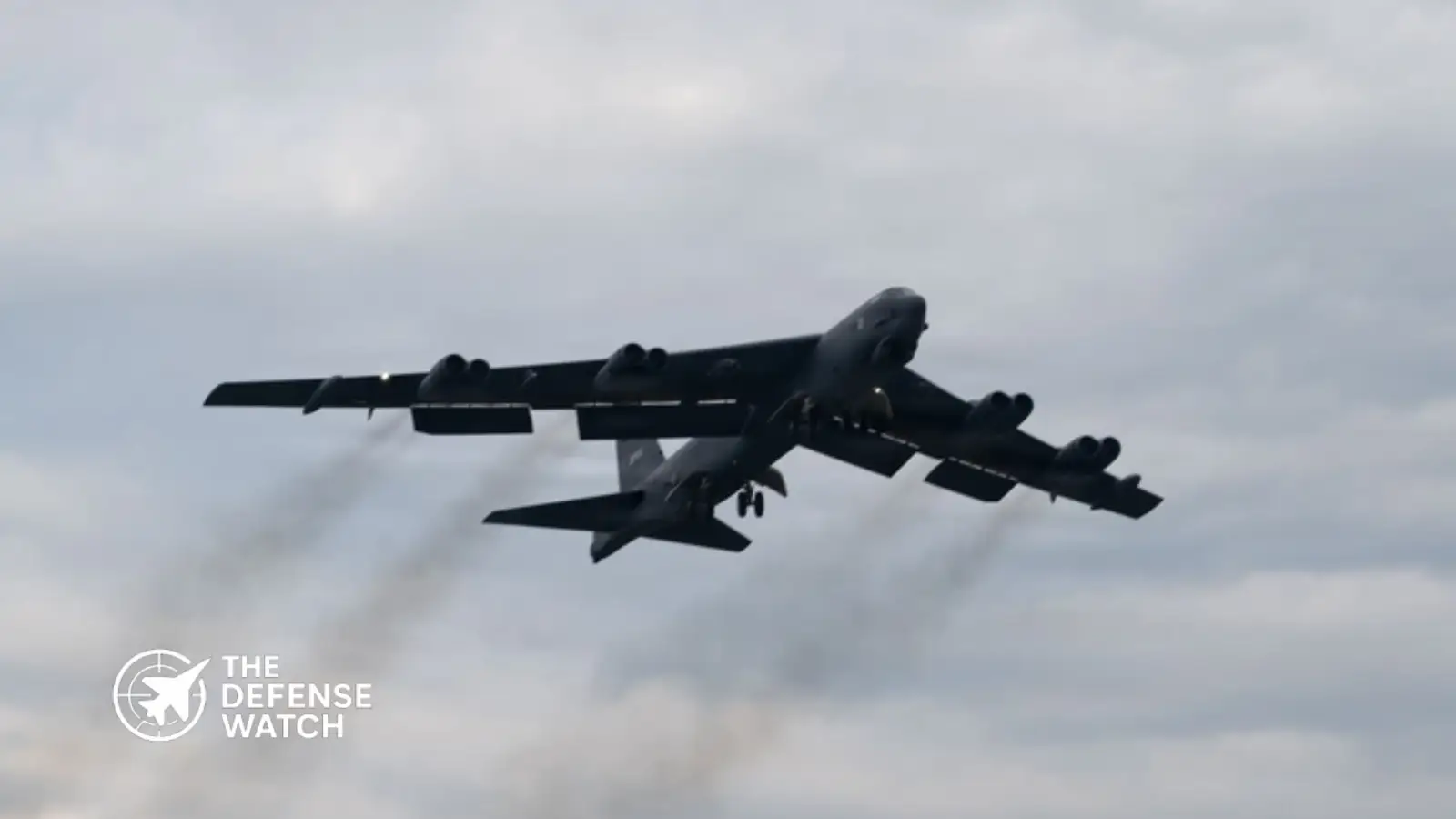
Multiple U.S. military aircraft, including strategic bombers, fighters, and aerial refueling platforms, participated in coordinated operations in British airspace. The activity involved complex air combat scenarios designed to sharpen operational coordination between allied forces.
The exercises took place against a backdrop of heightened NATO focus on deterrence, rapid response capabilities, and large-scale air operations. While such missions are routine elements of alliance training, their scale and visibility underscore the importance both nations place on maintaining a credible airpower posture.
Strategic Bomber Presence Remains Key
A notable aspect of the training was the participation of U.S. strategic bomber aircraft.
Long-range bombers remain among the most flexible tools available to U.S. military planners. They can rapidly deploy across continents, carry a wide range of conventional weapons, and integrate with allied air forces during multinational operations.
RAF Fairford continues to serve as an important hub for visiting U.S. bomber deployments in Europe. The base has supported multiple rotations involving American bomber aircraft in recent years and remains a critical location for transatlantic airpower operations. Earlier this year, U.S. B-1B Lancer bombers were deployed to Britain as part of broader regional security operations.
The ability to operate strategic bombers from British bases provides operational flexibility while reinforcing NATO’s collective defense posture.
Strengthening U.S.-UK Air Force Integration
The latest activity also highlights the increasingly integrated relationship between the U.S. Air Force and the Royal Air Force.
Modern air operations require seamless coordination among fighters, bombers, surveillance aircraft, electronic warfare platforms, and aerial refueling assets. Joint training allows crews to practice command-and-control procedures, communications, targeting processes, and mission planning under realistic conditions.
For NATO, interoperability is not simply a training objective. It is a core requirement for coalition combat operations. Aircraft from multiple nations must be able to operate together effectively during crises or conflicts.
The United Kingdom remains one of Washington’s closest military partners, and the two nations regularly conduct combined air operations across Europe, the Middle East, and other strategic regions.
Why The Training Matters
The appearance of American jets and bombers over Britain comes as European security planners continue to monitor evolving threats across the continent.
Recent statements from senior British military officials indicate a rise in Russian long-range military aviation activity near NATO’s northern approaches. The Royal Air Force routinely conducts interception and monitoring missions when foreign military aircraft approach areas of interest near UK airspace.
In parallel, NATO members have increased the frequency and complexity of joint exercises aimed at improving readiness and deterrence.
Training missions involving bombers are particularly valuable because they simulate the coordination required for long-range strike operations, air superiority missions, and integrated coalition warfare. These exercises also provide opportunities to validate logistics networks, refueling procedures, and command structures that would be critical during a major contingency.
Airpower As A Deterrence Tool
The strategic value of American jets and bombers extends beyond training alone.
Visible airpower deployments serve as a signal of allied capability and commitment. Strategic bombers can deploy rapidly, operate across vast distances, and integrate with regional forces without requiring permanent forward basing.
For NATO, this flexibility provides an important deterrent advantage. It allows the alliance to demonstrate readiness while maintaining the ability to scale military presence according to evolving security requirements.
The United Kingdom’s geographic position and established military infrastructure continue to make it a central platform for allied air operations across Europe and the North Atlantic.
Analysis: A Broader Trend In NATO Air Operations
Beyond the immediate exercise, the mission reflects a broader shift toward more integrated and distributed air operations among NATO members.
Modern conflicts increasingly require coordination across multiple domains, including air, space, cyber, and electronic warfare. Large-scale training events help allied forces test these capabilities before they are needed in real-world operations.
The presence of American jets and bombers over Britain also demonstrates how NATO is leveraging existing infrastructure and long-standing partnerships to improve readiness without establishing large new permanent force structures.
As European security challenges continue to evolve, such exercises are likely to remain a regular feature of alliance operations, providing both practical training value and strategic reassurance to NATO members.
Conclusion
The latest operations involving American jets and bombers over Britain highlight the enduring strength of U.S.-UK defense cooperation and NATO airpower integration.
While primarily a training event, the mission showcased capabilities that are central to alliance deterrence, including strategic bomber operations, multinational coordination, and rapid-response airpower. As NATO continues adapting to a changing security environment, exercises of this type remain essential for maintaining combat readiness and collective defense effectiveness.
American attack helicopters demonstrated rapid strike capabilities near one of the world’s most heavily fortified borders.
Executive Summary:
U.S. Army AH-64 Apache attack helicopters conducted live-fire rocket training near the Korean Demilitarized Zone (DMZ) as part of ongoing readiness efforts with South Korean forces. The exercise highlighted the ability of allied forces to rapidly deploy precision firepower in one of the Indo-Pacific’s most strategically sensitive regions.
US Army Apaches Conduct Live Fire Near Korean DMZ
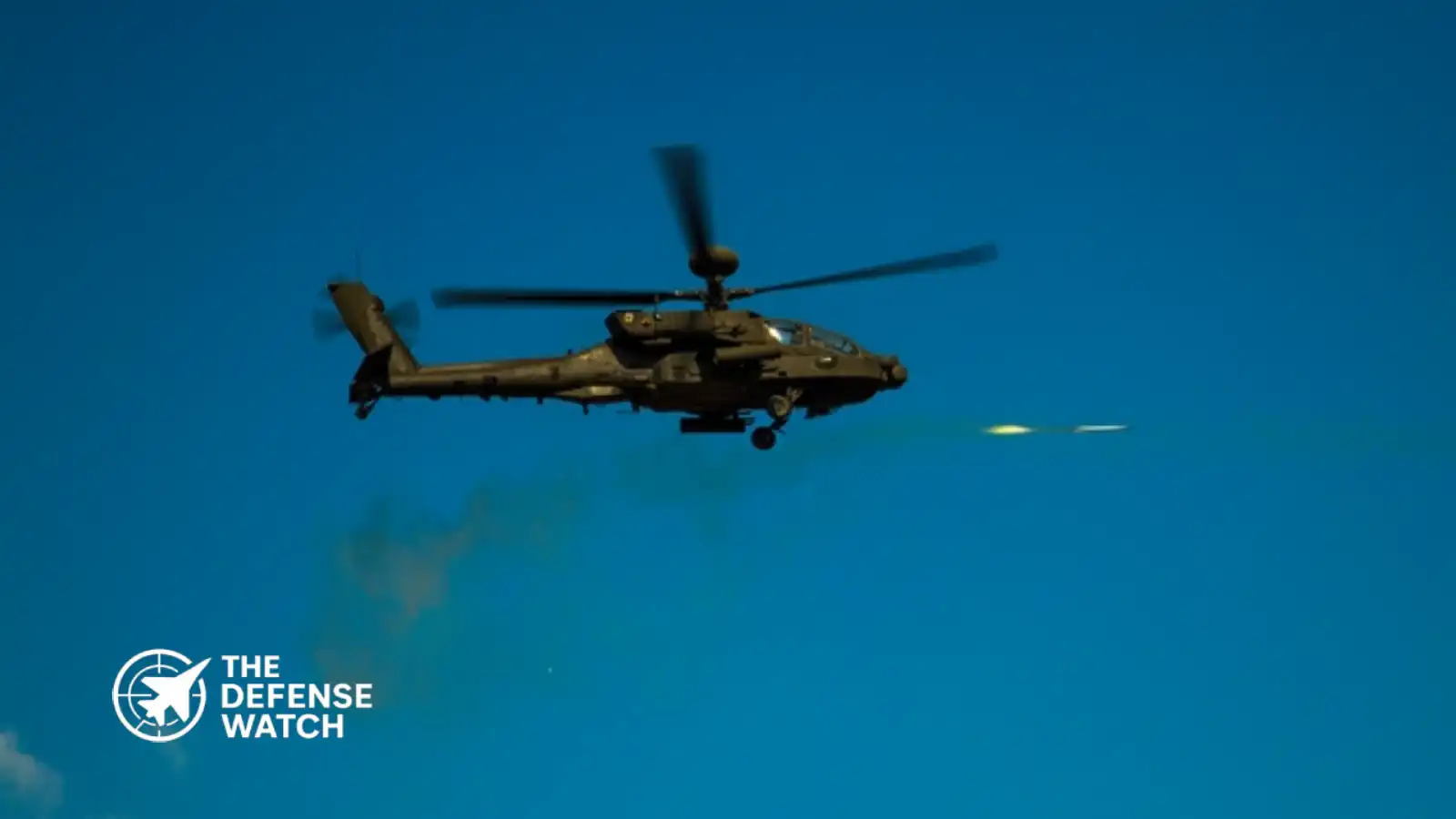
U.S. Army Apache helicopters carried out a live-fire training exercise near the Korean Demilitarized Zone, demonstrating combat readiness and allied interoperability on the Korean Peninsula. AH-64 Apache attack helicopters launched rockets during the exercise as part of routine training designed to maintain operational proficiency and reinforce deterrence in the region.
The Korean Peninsula remains one of the most heavily militarized areas in the world, with U.S. and South Korean forces regularly conducting combined training to maintain preparedness against potential threats. The latest Apache live-fire event showcased the aircraft’s ability to deliver rapid and precise fire support in a complex operational environment.
Apache Helicopters Remain Central To Allied Firepower
The AH-64 Apache is one of the U.S. Army’s primary attack helicopters, designed for close air support, armed reconnaissance, and anti-armor missions. Equipped with advanced sensors, guided and unguided weapons, and networked battlefield systems, the platform continues to play a critical role in forward-deployed operations across the Indo-Pacific.
Live-fire exercises involving Apache helicopters allow crews to practice target engagement procedures, refine coordination with ground forces, and validate operational tactics under realistic conditions. Such training is particularly important near the Korean DMZ, where rapid response capabilities remain essential.
Military officials routinely emphasize that these drills are defensive in nature and intended to ensure allied forces can operate together effectively if required.
Growing Focus On Readiness In Northeast Asia
The exercise comes amid continued security concerns across Northeast Asia. North Korea has continued testing missile and rocket systems while pursuing modernization of its military capabilities. Recent assessments indicate that Pyongyang is advancing multiple missile and artillery programs, including precision-guided rocket systems and tactical missile developments.
Against this backdrop, U.S. and South Korean forces have increased the frequency and complexity of joint training activities. Recent exercises have included long-range rocket artillery drills, combined arms training, aviation operations, and integrated fire support missions near key operational areas on the peninsula.
The Apache live-fire event fits within a broader effort to maintain a credible deterrent posture while demonstrating alliance cohesion.
Why The Exercise Matters
While live-fire drills near the DMZ are not uncommon, they serve several important operational purposes.
First, they ensure that aircrews remain proficient in employing weapons systems under realistic conditions. Second, they strengthen coordination between aviation units and ground forces. Third, they signal that U.S. and South Korean forces remain capable of responding quickly to potential contingencies.
From a strategic perspective, the presence of combat-ready attack helicopters provides commanders with a flexible tool for reconnaissance, precision strikes, and close air support. In a region characterized by short warning times and dense military deployments, rapid-response aviation assets remain highly valuable.
The exercise also reinforces the long-standing U.S. commitment to the defense of South Korea, a message repeatedly emphasized by U.S. Indo-Pacific Command amid ongoing regional security challenges.
Analysis: Apache Operations Reflect Broader Indo-Pacific Strategy
Beyond routine training, the deployment of U.S. Army Apache helicopters near the Korean DMZ reflects a wider shift toward maintaining highly responsive, forward-positioned combat forces across the Indo-Pacific.
The U.S. military increasingly emphasizes distributed operations, rapid deployment, and integrated joint capabilities to address evolving security challenges. Attack helicopters remain a key component of that approach because they can quickly provide precision firepower, reconnaissance, and support for maneuver forces.
For allied planners, readiness is not measured solely by equipment inventories but by the ability to employ those systems effectively under operational conditions. Live-fire exercises provide that validation while strengthening interoperability between allied forces.
As regional military modernization continues, exercises involving platforms such as the AH-64 Apache are likely to remain a regular feature of U.S. and South Korean defense cooperation.
Executive Summary:
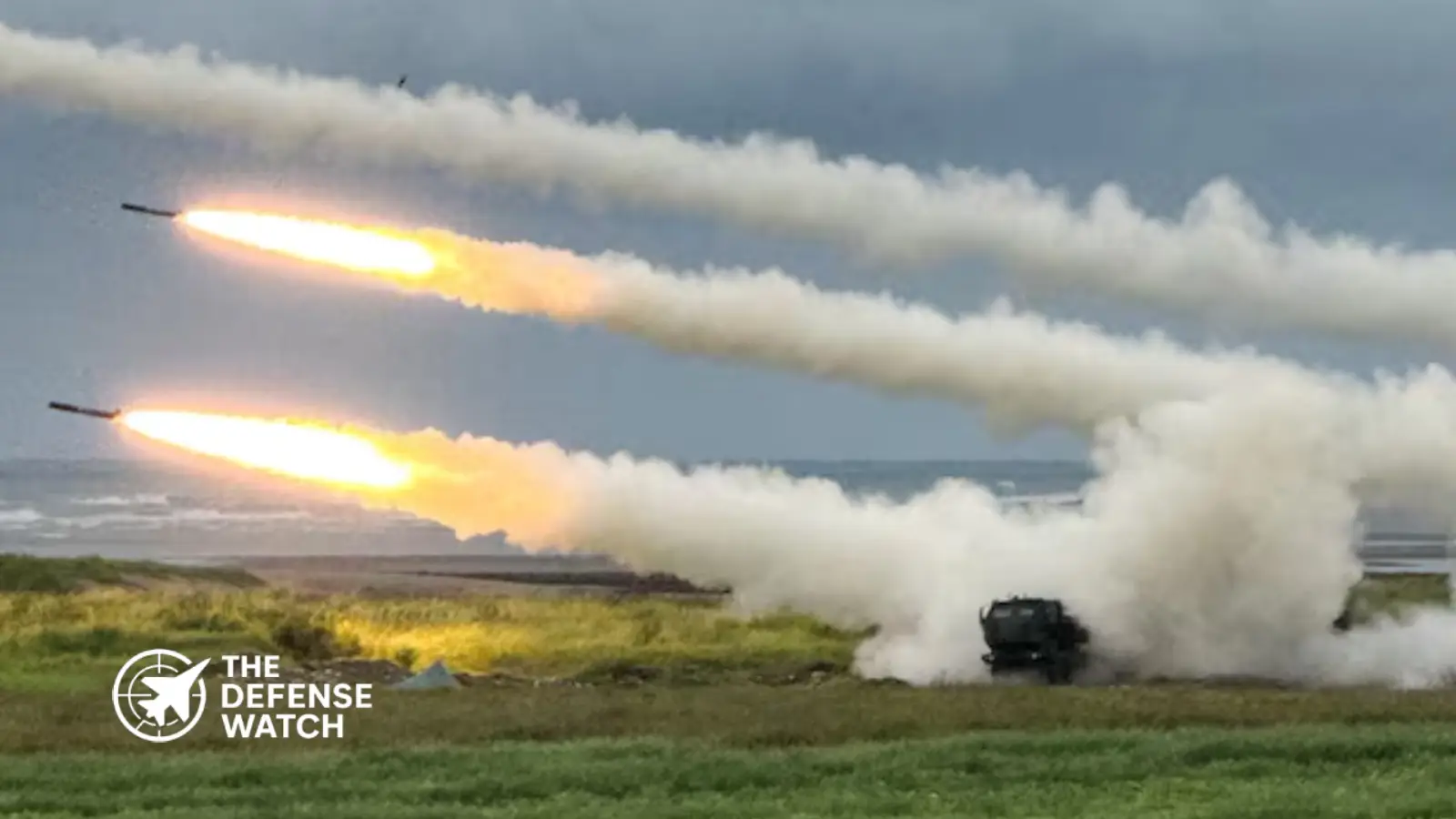
Taiwan’s armed forces conducted a live-fire exercise on June 10, 2026, in Taichung, firing newly acquired High Mobility Artillery Rocket Systems (HIMARS) to simulate strikes on an invading Chinese force. The drill emphasized rapid “shoot-and-scoot” maneuvers to enhance survivability against counter-battery fire. This demonstration underscores Taiwan’s push toward asymmetric warfare capabilities as part of its “porcupine strategy” to deter or complicate any potential cross-strait invasion.
Taiwan HIMARS Live-Fire Exercise Highlights Mobile Defense Capabilities
Taiwan’s military on Wednesday fired its U.S.-supplied HIMARS during a coastal defense drill on the island’s west coast, marking the first use of the precision rocket system in that strategically vital area facing China.
The exercise simulated attacks on enemy landing forces, showcasing the launchers’ mobility and ability to fire and quickly reposition to evade detection and retaliation.
HIMARS Integration in Taiwan’s Defense Posture
Taiwan first test-fired the Lockheed Martin-built HIMARS off its east coast in 2025. Wednesday’s drill in central Taiwan’s Taichung represents an important step in operationalizing the system for scenarios most likely in a conflict: defending the western beaches and mudflats across the narrow Taiwan Strait.
Company commander Ko Ming-pin stated that the unit successfully demonstrated solid combat capabilities. The military highlighted the system’s “shoot-and-scoot” tactics—firing salvos and withdrawing before enemy radar can lock on—as significantly improving battlefield survivability.
HIMARS, which has proven effective in Ukraine’s conflict with Russia, provides Taiwan with a highly mobile, precision-guided strike option. With a range of approximately 300 km (190 miles) using Army Tactical Missile System (ATACMS) munitions, the launchers could target coastal areas in China’s Fujian province, including ports and assembly points for amphibious forces.
Context of Rising Tensions and Asymmetric Modernization
China continues regular military activities around Taiwan, including daily incursions by warplanes and warships. Beijing views the democratically governed island as its territory and has not ruled out the use of force to achieve unification.
In response, Taiwan is modernizing its forces to emphasize asymmetric capabilities. The “porcupine strategy” aims to make the island difficult to conquer by deploying large numbers of mobile, survivable systems that can inflict disproportionate costs on a larger invading force.
HIMARS complements Taiwan’s domestically produced Thunderbolt-2000 multiple launch rocket systems. The two were integrated in this multi-day drill, with Thunderbolts fired on the preceding day. Together, they enable strikes on invading forces from ports of embarkation through landing zones.
Analysis
The shift to west coast operations for HIMARS is noteworthy. Taiwan’s western shoreline is the most probable site for a Chinese amphibious assault due to its proximity to the mainland. Dispersing mobile rocket artillery here allows rapid concentration of firepower on vulnerable landing craft and follow-on forces while minimizing exposure to China’s advanced counter-battery and air defense systems.
Reports indicate Taiwan plans to acquire up to 111 HIMARS launchers and hundreds of ATACMS missiles. Forward deployment concepts for outlying islands like Penghu and Dongyin could further extend reach, forcing Chinese forces to operate from greater distances and complicating their timelines.
This approach aligns with lessons from Ukraine, where HIMARS has demonstrated the value of precision, mobility, and survivability against a numerically superior adversary. For Taiwan, the goal is not symmetric parity with the People’s Liberation Army but the ability to disrupt and attrit an invasion force long enough for potential international support to materialize or for the costs to become prohibitive for Beijing.
Taiwan’s defense reforms also address command and control challenges. Drills now incorporate more realistic, decentralized positioning rather than predictable fixed formations, increasing operational difficulty but better preparing forces for contested environments.
Broader Implications for Regional Security
The exercise occurs amid persistent cross-strait tensions. Taiwan maintains that only its people can decide the island’s future, rejecting Beijing’s sovereignty claims.
For U.S. policymakers and defense observers, Taiwan’s progress with systems like HIMARS signals commitment to self-defense and interoperability with American equipment. Continued U.S. arms sales and training support remain central to this effort.
While the drill itself is tactical, its timing and visibility serve a strategic communications purpose: demonstrating resolve and capability to both domestic audiences and potential adversaries.
Executive Summary:
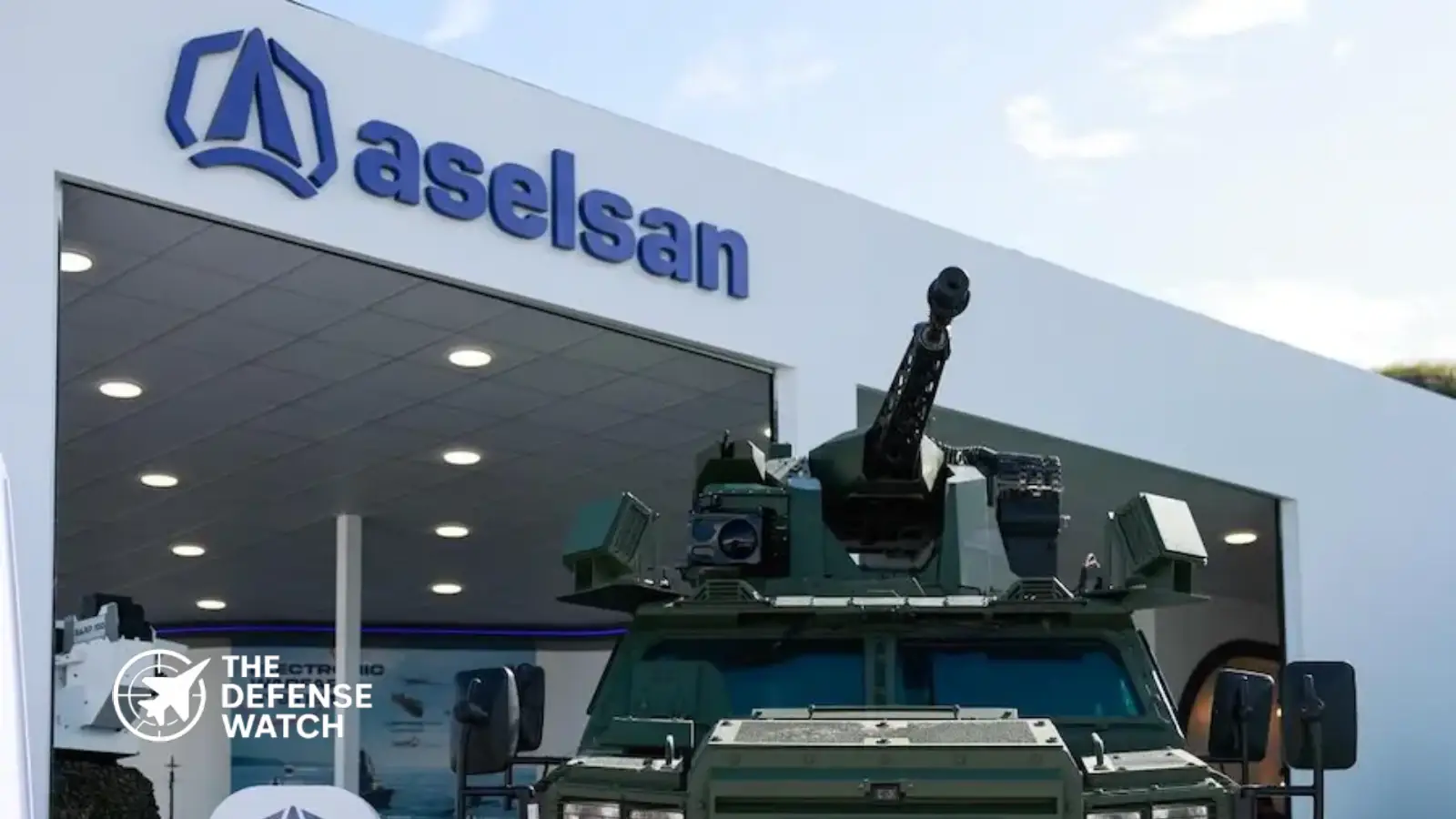
ASELSAN used the EFES 2026 military exercise to demonstrate a broad portfolio of air defense, electronic warfare, command-and-control, and surveillance systems operating in realistic battlefield conditions. The event highlighted Türkiye’s growing focus on integrated, networked defense architectures designed to counter modern aerial and electronic threats while improving battlefield awareness and operational coordination.
ASELSAN EFES 2026 Demonstrates Integrated Battlefield Capabilities
ASELSAN EFES 2026 participation underscored the Turkish defense company’s emphasis on integrated air defense, electronic warfare, and command-and-control technologies during one of the region’s most significant multinational military exercises. Organized under the coordination of the Turkish Armed Forces, EFES 2026 brought together military delegations, defense officials, and industry representatives from numerous countries.
The exercise served as both a military readiness event and a major defense industry showcase, allowing companies to demonstrate operational systems in realistic scenarios. ASELSAN deployed more than 30 systems across multiple mission areas, including air defense, electronic warfare, surveillance, communications, and battlefield management.
KOCATEPE Battlefield Management System Debuts At EFES
One of the most significant developments during the exercise was the operational use of ASELSAN’s KOCATEPE Battlefield Management System for the first time at EFES. The system provided commanders and command post personnel with a comprehensive operational picture across multiple battlefield levels.
The debut reflects a broader trend in modern warfare, where command superiority increasingly depends on the rapid collection, processing, and dissemination of battlefield information. Modern armed forces are investing heavily in digital command networks that connect sensors, weapons, and decision-makers in near real time.
From a strategic perspective, systems such as KOCATEPE are becoming as important as traditional combat platforms because they enable forces to coordinate responses against fast-moving threats ranging from drones to precision-guided munitions.
Air Defense Systems Take Center Stage
Air defense remained a central focus of ASELSAN’s presence at EFES 2026.
Among the most visible systems were the KORKUT-35 Low Altitude Air Defense System and KORKUT-25 Air Defense System, both designed to counter low-flying threats including unmanned aerial vehicles, helicopters, and cruise missiles. According to exercise reports, KORKUT-35 demonstrated its capability to engage aerial targets using airburst ammunition, providing day-and-night protection against evolving threats.
ASELSAN also displayed components associated with Türkiye’s emerging STEEL DOME integrated air and missile defense architecture. The architecture combines multiple sensor, command, electronic warfare, and interceptor layers into a unified defensive network. Key elements include the SİPER and HİSAR missile defense systems, which were among the systems participating in the exercise.
The growing emphasis on layered air defense reflects lessons learned from recent conflicts where drones, loitering munitions, and precision-guided weapons have become major battlefield threats. Nations increasingly seek integrated systems capable of detecting, tracking, and engaging targets across multiple ranges and altitudes.
Electronic Warfare And Counter-Drone Systems Highlight Emerging Priorities
Electronic warfare was another major theme throughout ASELSAN’s EFES 2026 presentation.
The company showcased several systems designed to detect, disrupt, and counter adversary communications and unmanned systems. Participating platforms included the MİLKED Land-Based Electronic Support System, the ACAR UAV Detection Radar, and the İHTAR Counter-UAV System.
ASELSAN also deployed ARTSoft MAESTRO, a secure communication platform designed to support messaging, file transfers, and live video communications in electronically contested environments. The software was reportedly used during the exercise to demonstrate resilient communications under battlefield conditions.
The prominence of electronic warfare systems at EFES reflects a broader shift in military planning. Modern conflicts increasingly involve battles within the electromagnetic spectrum, where the ability to disrupt enemy sensors and communications can be as decisive as kinetic firepower.
Why EFES 2026 Matters Beyond The Demonstration
While defense exhibitions often focus on static displays, EFES 2026 offered an opportunity to observe how systems perform in operational environments alongside active military units.
For ASELSAN, demonstrating systems under realistic conditions provides validation of integration, interoperability, and operational readiness. It also supports Türkiye’s broader effort to position domestically developed defense technologies as exportable solutions for international customers. Foreign military delegations and industry representatives closely examined many of the systems displayed throughout the exercise.
The exercise further highlighted Türkiye’s strategy of building interconnected defense ecosystems rather than relying solely on standalone platforms. Air defense systems, electronic warfare assets, surveillance sensors, command networks, and secure communications are increasingly being developed as components of a larger operational architecture.
As military threats become more complex and multidimensional, integrated defense networks such as those demonstrated during EFES 2026 are likely to play a growing role in future force modernization programs.
Conclusion
ASELSAN’s participation at EFES 2026 showcased a comprehensive portfolio of fielded and emerging technologies spanning air defense, electronic warfare, surveillance, communications, and battlefield management. The first exercise deployment of the KOCATEPE Battlefield Management System, alongside demonstrations of KORKUT air defense systems and STEEL DOME components, highlighted Türkiye’s continued focus on integrated, networked defense capabilities.
Beyond individual platforms, the exercise demonstrated how modern military effectiveness increasingly depends on connecting sensors, command systems, electronic warfare assets, and defensive weapons into a unified operational framework capable of responding to evolving threats across multiple domains.
Executive Summary
British Challenger 2 tanks and approximately 1,500 UK troops participated in Exercise Spring Storm in Estonia, operating close to the Russian border. The deployment highlights NATO’s continued effort to strengthen deterrence and rapid reinforcement capabilities along its eastern flank amid ongoing regional security concerns.
British Challenger 2 Tanks Train Near Russian Border During Major NATO Exercise
British Challenger 2 tanks have taken part in a large-scale NATO exercise in Estonia, demonstrating the United Kingdom’s ability to rapidly deploy armored forces to the alliance’s eastern frontier.
The exercise, known as Spring Storm (Kevadtorm), involved around 1,500 British troops from the UK’s 4th Brigade alongside Estonian and allied forces. Training activities occurred in southeastern Estonia, less than 25 kilometers from the Russian border, making it one of the most strategically significant military drills conducted by NATO members in the region this year.
Images released by the UK Ministry of Defence showed Challenger 2 main battle tanks being transported into the operational area before conducting maneuver exercises under simulated combat conditions. The training scenario centered on defending Estonian territory against a mock cross-border incursion by a hostile neighboring state.
Strengthening NATO’s Forward Land Force
The exercise forms part of NATO’s evolving Forward Land Force concept, designed to reinforce the alliance’s eastern flank following Russia’s 2022 invasion of Ukraine.
Under the framework, multinational combat formations are stationed in frontline NATO states while larger reinforcement units remain at high readiness for rapid deployment if required. For the United Kingdom, this includes maintaining a permanent military presence in Estonia while preparing additional forces capable of deploying quickly during a crisis.
Exercise Spring Storm provided an opportunity to rehearse these reinforcement procedures, testing the movement of heavy armor, logistics networks, command structures, and multinational coordination under realistic field conditions.
Operation Cabrit Remains Central To UK Commitment
British forces have maintained a continuous presence in Estonia since 2017 through Operation Cabrit, the UK’s contribution to NATO’s enhanced Forward Presence mission.
The mission was established after Russia’s 2014 annexation of Crimea and aims to reassure NATO allies located along the alliance’s eastern borders. The United Kingdom serves as the lead nation for the multinational battlegroup stationed at Tapa, Estonia.
Estonia occupies a strategically important position within NATO due to its direct border with Russia. As a result, military exercises conducted there carry particular significance for alliance planning and deterrence efforts.
Why The Exercise Matters
Beyond routine military training, Spring Storm reflects broader changes in NATO force posture across Europe.
Since 2022, NATO members have increased investments in readiness, pre-positioned equipment, and rapid deployment capabilities. Exercises involving heavy armor remain particularly important because they test the alliance’s ability to move combat power quickly across national borders and integrate multinational forces into a unified command structure.
The deployment of Challenger 2 tanks also underscores the continuing relevance of armored forces despite the growing prominence of drones, electronic warfare systems, and precision-guided munitions seen in the Ukraine conflict.
From a strategic perspective, conducting realistic defensive exercises close to NATO’s eastern frontier serves both military and political objectives. Militarily, it validates readiness and interoperability. Politically, it signals alliance cohesion and commitment to collective defense obligations under Article 5.
NATO’s Eastern Flank Remains A Priority
The latest exercise comes amid continued military activity across NATO’s northern and eastern regions. The alliance has steadily expanded training programs, force rotations, and readiness initiatives in countries bordering Russia as part of a long-term deterrence strategy.
For the United Kingdom, participation in Spring Storm reinforces its role as one of NATO’s leading contributors to collective defense in the Baltic region. The exercise demonstrated not only the deployment of British Challenger 2 tanks but also the broader ability of UK forces to integrate rapidly with allied units in a potential high-intensity conflict environment.