Lockheed Martin E-130J Phoenix II Training Systems Expand Strategic Readiness
The E-130J Phoenix II training systems program is advancing U.S. military readiness as Lockheed Martin moves forward with delivering specialized training devices and services for the next generation airborne nuclear command and control fleet.
- Lockheed Martin will provide training devices and services for the E-130J Phoenix II aircraft program.
- The effort supports U.S. nuclear command, control, and communications mission readiness.
- Training systems include advanced simulators and integrated mission training environments.
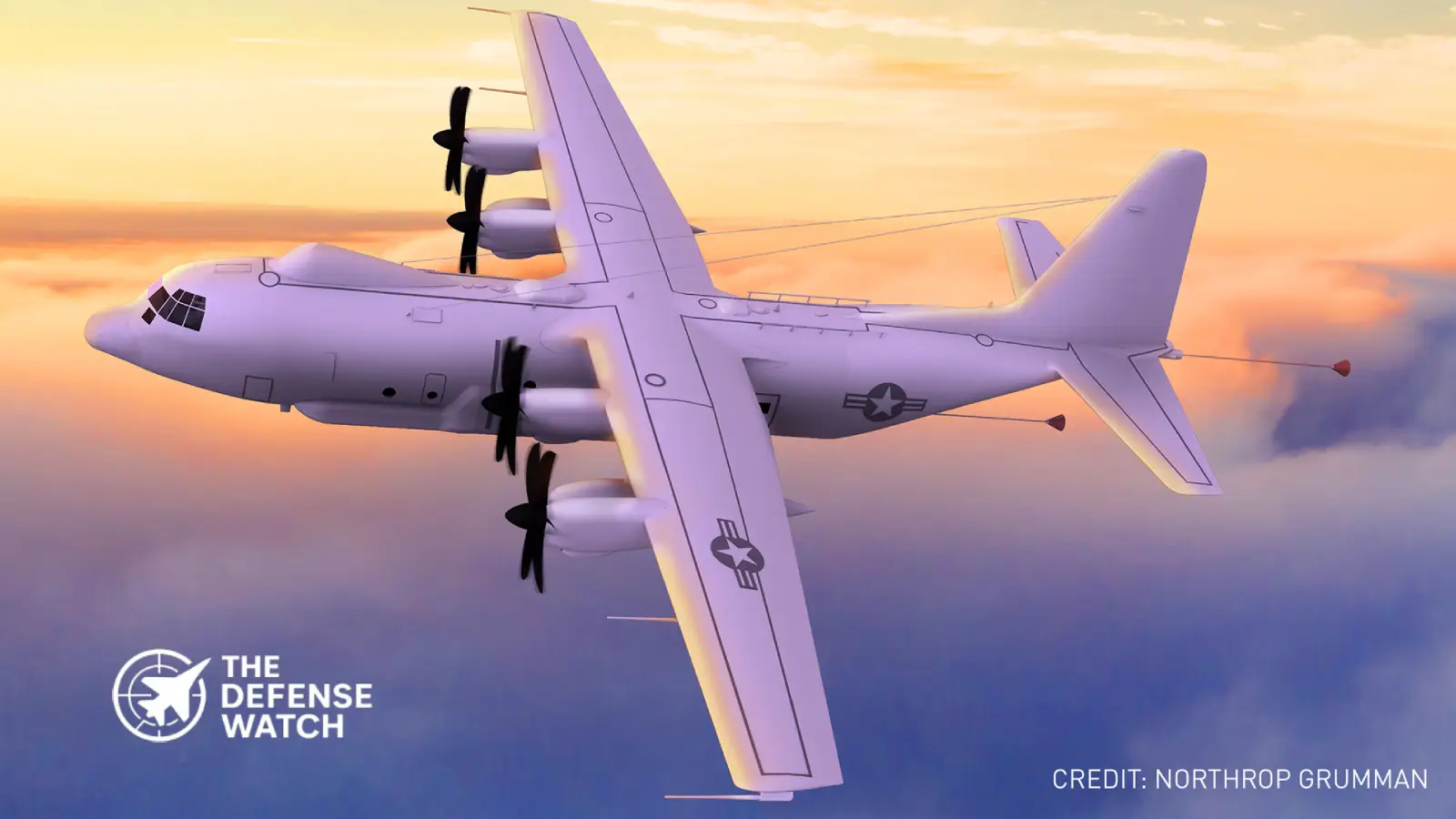
- The E-130J is expected to replace aging TACAMO aircraft supporting strategic communications.
- The program reflects ongoing modernization of U.S. airborne nuclear command infrastructure.
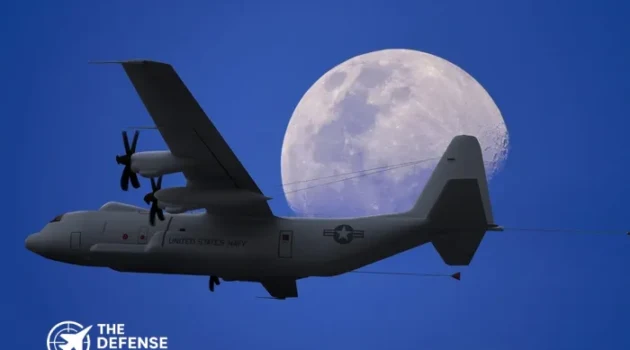
According to an official company release dated April 29, 2026, the effort will provide comprehensive training infrastructure to support operators and maintainers of the E-130J Phoenix II aircraft. The platform is widely viewed as a critical successor to the U.S. Navy’s existing TACAMO fleet, which ensures survivable communications between national leadership and strategic nuclear forces.
The introduction of dedicated E-130J Phoenix II training systems marks a key step in ensuring that crews can operate effectively in high stress, contested environments where uninterrupted communication is essential.
Modern Training For A High-Stakes Mission
The contract focuses on delivering advanced simulators, mission rehearsal systems, and integrated training services tailored to the E-130J’s unique operational role. These systems are designed to replicate real world mission conditions, including degraded communications environments and electronic warfare scenarios.
Unlike legacy training approaches, the new E-130J Phoenix II training systems emphasize realism and integration. Crews will train across multiple domains, including airborne operations, ground support coordination, and secure communications management.
This reflects a broader Pentagon shift toward synthetic training environments that reduce costs while increasing operational readiness. By combining live, virtual, and constructive training elements, the U.S. military aims to prepare crews for increasingly complex mission sets without relying solely on flight hours.
Strategic Importance Of The E-130J Phoenix II
The E-130J Phoenix II aircraft is expected to play a central role in the U.S. nuclear command, control, and communications architecture. Often referred to as NC3, this network ensures that presidential orders can be transmitted to nuclear forces under any conditions.
The current TACAMO aircraft, based on older airframes, face growing sustainment challenges. The transition to the E-130J platform represents not just a hardware upgrade, but a broader modernization of mission capability.
In this context, the E-130J Phoenix II training systems are not a secondary component. They are essential to ensuring that personnel can operate the aircraft effectively from day one. Training gaps in strategic systems carry significant operational risk, particularly in missions where failure is not an option.
Analysis: Training As A Core Capability, Not A Support Function
The decision to invest early in advanced E-130J Phoenix II training systems highlights a shift in how the U.S. Department of Defense approaches modernization. Training is no longer treated as a follow-on activity. Instead, it is integrated into the program from the outset.
This approach addresses a long standing issue in defense acquisition, where new platforms are fielded before crews are fully prepared to use them. By aligning training development with aircraft production, the Pentagon reduces the time required to achieve operational capability.
It also reflects lessons learned from recent conflicts and exercises, where communication resilience and crew proficiency have proven decisive. In a contested environment, particularly against near peer adversaries, the ability to maintain secure and reliable communications can determine mission success.
Furthermore, the E-130J program underscores the growing importance of airborne nodes in the U.S. command structure. As ground based infrastructure becomes more vulnerable to cyber and kinetic attacks, airborne systems provide a survivable alternative.
Broader Implications For U.S. Military Modernization
The E-130J Phoenix II training systems initiative fits within a wider modernization effort across the U.S. military. Programs focused on nuclear deterrence, including next generation bombers, submarines, and command systems, are receiving increased funding and attention.
Training systems are becoming more sophisticated, leveraging digital engineering, artificial intelligence, and networked simulation environments. These tools allow for rapid updates as threats evolve, ensuring that training remains relevant over the life of the platform.
For Lockheed Martin, the contract reinforces its position not only as a manufacturer of defense systems, but also as a provider of integrated training and sustainment solutions. This aligns with industry trends where lifecycle support is becoming as important as platform development.