Executive Summary:
South Korea has introduced a new Sikorsky S-92A helicopter for presidential transport missions, reinforcing the country’s executive air mobility and security infrastructure. The acquisition reflects Seoul’s broader effort to modernize strategic government aviation assets while ensuring reliable continuity-of-government operations.
South Korea Strengthens Presidential Air Mobility With Sikorsky S-92A
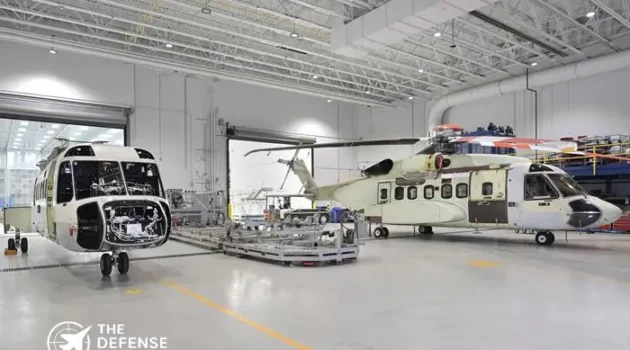
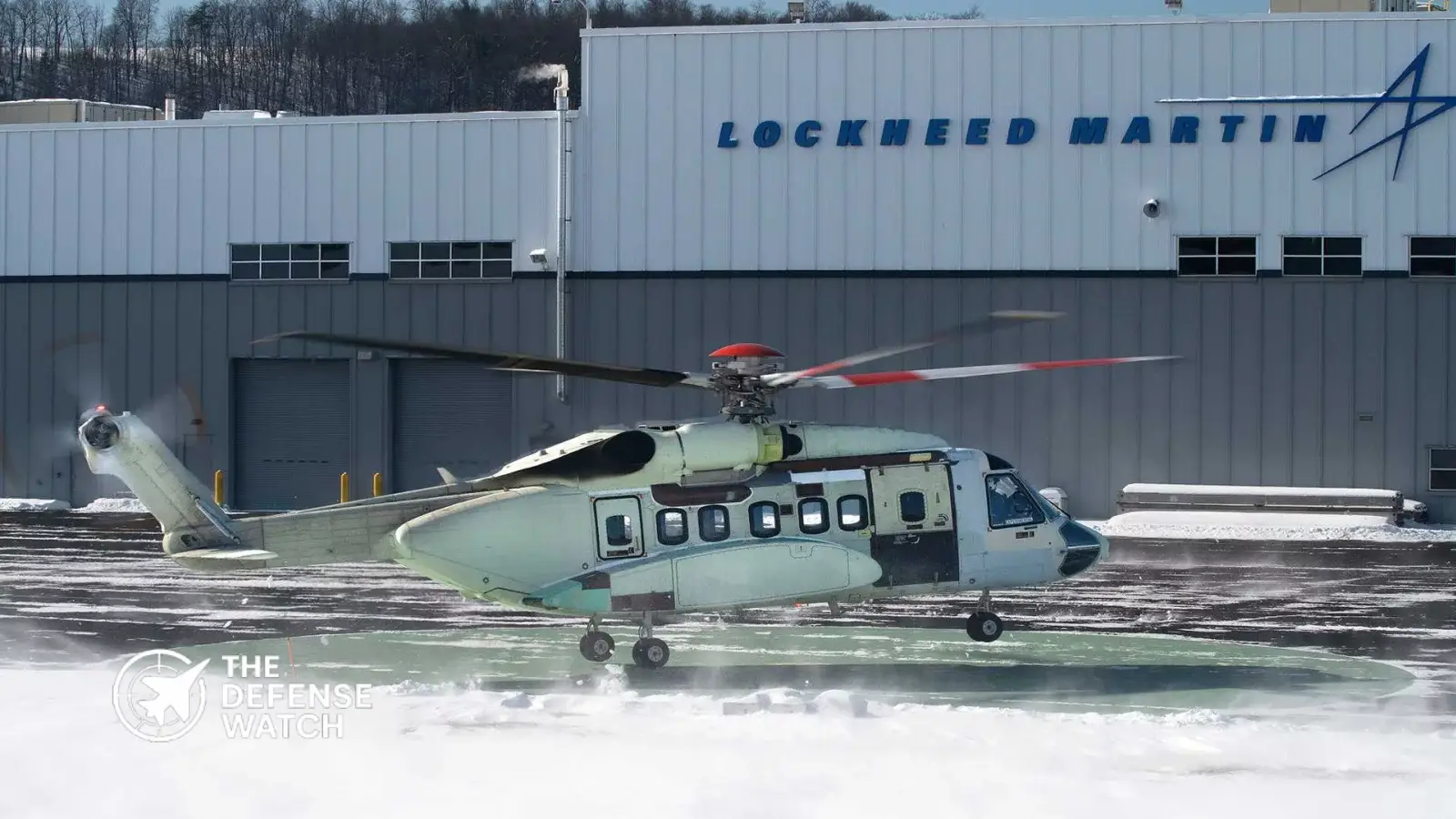
South Korea has expanded its executive transport fleet with the introduction of a new Sikorsky S-92A presidential helicopter, a move aimed at enhancing secure government mobility and modernizing national leadership transport capabilities.
The helicopter will support presidential transport and high-priority government missions. The addition comes as regional security conditions in East Asia continue to drive investments in command mobility, continuity-of-government infrastructure, and secure transportation platforms.
The Sikorsky S-92A, produced by Lockheed Martin subsidiary Sikorsky, is widely used for VIP transport, offshore operations, and search-and-rescue missions worldwide. The platform has gained a reputation for long-range reliability, operational flexibility, and high survivability standards.
Presidential Helicopter Modernization Reflects Broader Strategic Priorities
The South Korea presidential helicopter fleet plays a critical role beyond ceremonial transport. These aircraft are central to national command mobility during emergencies, crisis response, and wartime continuity planning.
The new Sikorsky S-92A helicopter reportedly replaces or supplements older rotary-wing assets used by South Korean leadership. The modernization effort aligns with broader defense reforms designed to improve readiness and operational resilience across multiple domains.
South Korea faces an increasingly complex regional security environment shaped by North Korean missile activity, growing Chinese military reach, and intensifying competition in the Indo-Pacific. In that context, protected executive air mobility is becoming more strategically important.
Unlike conventional transport helicopters, presidential aircraft require specialized communications systems, defensive countermeasures, secure navigation architecture, and enhanced redundancy features. These upgrades ensure uninterrupted command connectivity during crises.
The South Korea presidential helicopter modernization program also demonstrates Seoul’s continued reliance on proven Western aerospace platforms for sensitive national security missions.
Sikorsky S-92A Offers Long-Range VIP Transport Capability
The Sikorsky S-92A is a twin-engine medium-lift helicopter designed for both civilian and government applications. The aircraft can carry up to 19 passengers and is powered by General Electric CT7 turboshaft engines.
The helicopter incorporates advanced fly-by-wire-assisted flight controls, composite rotor blades, crashworthy seating, and integrated avionics systems. These features improve operational safety while supporting all-weather missions.
For presidential transport duties, the platform can be configured with secure communications suites, mission management systems, and customized interiors tailored for executive use.
The S-92 family has been selected by several governments and heads of state for VIP transport missions due to its combination of range, cabin space, and reliability. The platform is also used for military support missions and maritime operations in multiple countries.
South Korea’s decision to use the Sikorsky S-92A helicopter highlights the continued relevance of medium-lift rotary-wing aircraft in high-level government transport operations, particularly in regions where rapid movement between urban centers and military facilities is essential.
Regional Security Conditions Continue To Influence Defense Aviation Procurement
The acquisition also reflects broader trends in Asia-Pacific defense aviation modernization. Governments across the region are investing in survivable transport aircraft, airborne command platforms, and strategic mobility systems.
South Korea has accelerated several military modernization initiatives in recent years, including fighter aircraft development, missile defense improvements, naval expansion, and airborne surveillance upgrades.
Executive transport platforms are increasingly viewed as part of national resilience planning rather than purely ceremonial assets. In a high-threat environment, leadership mobility can directly affect command continuity and crisis management effectiveness.
The South Korea presidential helicopter program therefore carries operational and symbolic significance. It signals sustained investment in state security infrastructure while reinforcing interoperability with Western aerospace technologies and support networks.
Sikorsky Maintains Strong Position In Government Helicopter Market
The S-92 platform remains one of Sikorsky’s most recognizable international helicopter programs. Although competition in the medium-lift segment has intensified with European and Asian manufacturers offering alternative designs, the S-92 continues to attract government and specialized mission customers.
Sikorsky has emphasized lifecycle support, safety improvements, and mission adaptability as key strengths of the helicopter. The aircraft’s established global support network also remains an important advantage for state operators seeking long-term sustainment reliability.
For South Korea, adopting a globally supported platform helps reduce logistical uncertainty while maintaining access to established maintenance and training infrastructure.
The latest South Korea presidential helicopter acquisition underscores how strategic transport aviation remains closely tied to national security planning in the Indo-Pacific region.