Executive Summary:
Russia’s long range aviation forces conducted a 16 hour patrol mission over the Barents and Norwegian Seas involving strategic bombers capable of carrying long range cruise missiles. The flight underscores Moscow’s continued emphasis on maintaining strategic bomber readiness and demonstrating military presence in the Arctic and North Atlantic regions.
Russian Strategic Bombers Conduct Extended Arctic Patrol
Russian strategic bombers completed a 16 hour flight over the Barents and Norwegian Seas, according to Russian state media reports.. The mission represents one of the longest publicly disclosed patrols by Russia’s long range aviation force this year and highlights the continued operational activity of Moscow’s strategic bomber fleet in the Arctic region.
The aircraft reportedly operated in international airspace over neutral waters, following a pattern regularly employed by Russian long range aviation units. Russian officials stated that the mission complied with international aviation regulations governing flights over international waters. Similar patrols have been conducted in previous years across the Arctic, North Atlantic, Pacific Ocean, Baltic Sea, and Black Sea.
Strategic Significance Of The Mission
Russia’s strategic bomber force remains a central component of the country’s nuclear triad, alongside land based intercontinental ballistic missiles and submarine launched ballistic missiles.
While Moscow routinely describes such missions as training and readiness exercises, these flights also serve a broader strategic purpose. Long duration patrols allow crews to practice navigation, command and control procedures, aerial refueling, and long range mission planning under operational conditions. Previous Russian bomber patrols over the same region have included both daytime and nighttime refueling operations, extending mission endurance and demonstrating global reach.
The Barents and Norwegian Seas occupy a particularly important position in Russian military planning. The region provides access from Russia’s Northern Fleet bases to the North Atlantic and forms part of the country’s strategic deterrence architecture.
Increased Focus On The Arctic
The latest flight comes amid heightened military activity across the Arctic and High North. Since Finland joined NATO and Sweden became a full alliance member, the alliance’s northern flank has gained increased strategic importance.
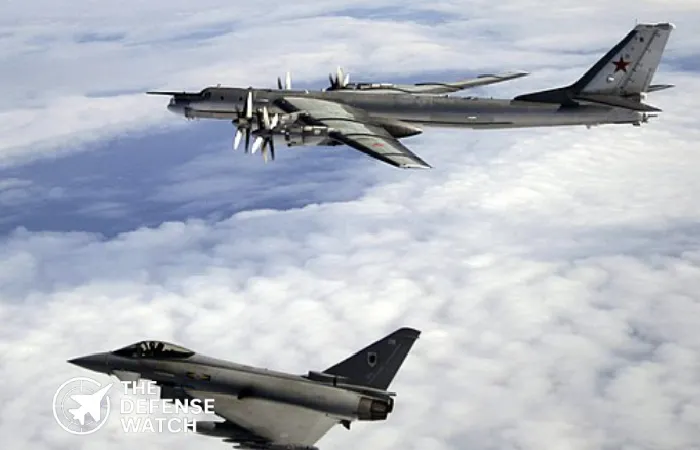
Russia has responded by maintaining a steady operational tempo for its Northern Fleet and long range aviation forces. Strategic bomber patrols in the Barents and Norwegian Seas have become a recurring feature of Russian military activity, often attracting monitoring missions by NATO air forces operating in the region. Previous Russian statements have acknowledged that foreign fighter aircraft occasionally shadow bomber formations during portions of these flights.
From a military perspective, the Arctic offers Russia several advantages. The region provides relatively direct approaches toward North Atlantic operating areas and remains a key corridor for strategic aviation missions. Maintaining a visible bomber presence also reinforces Moscow’s claims of continued military relevance in an increasingly contested Arctic security environment.
Aircraft And Operational Context
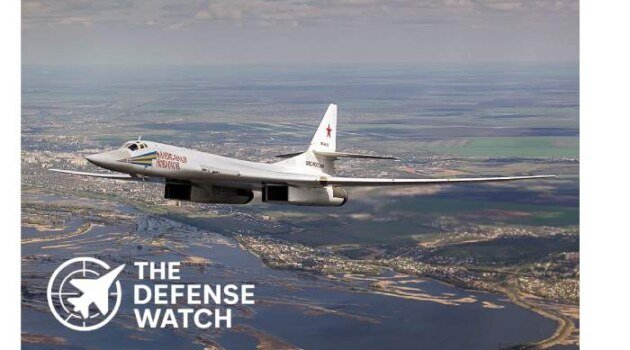
Although Reuters reported the flight through Russian sources, Russian long range aviation typically employs aircraft such as the Tupolev Tu-95MS and Tupolev Tu-160 for these patrol missions. Both aircraft are capable of carrying long range cruise missiles and form the backbone of Russia’s airborne strategic deterrent. Previous flights over the Barents and Norwegian Seas have involved both bomber types.
The extended duration of the latest mission suggests the use of aerial refueling and highlights the continued operational capability of Russia’s long range aviation fleet despite the demands imposed by the ongoing war in Ukraine and broader military modernization efforts.
Analysis: Why The Flight Matters
Beyond routine training, the mission demonstrates three important trends.
First, Russia continues to prioritize strategic deterrence operations despite ongoing military commitments elsewhere.
Second, the Arctic remains one of the few regions where Russian forces can routinely project strategic air power near NATO territory without entering allied airspace.
Third, long duration bomber patrols provide valuable readiness training for crews while sending a visible strategic message to regional competitors.
For NATO, such flights are neither unusual nor unexpected. However, they remain closely monitored because strategic bombers represent a key element of Russia’s long range strike capability. As competition in the Arctic continues to grow, similar patrols are likely to remain a regular feature of the region’s security landscape.