

Executive Summary:
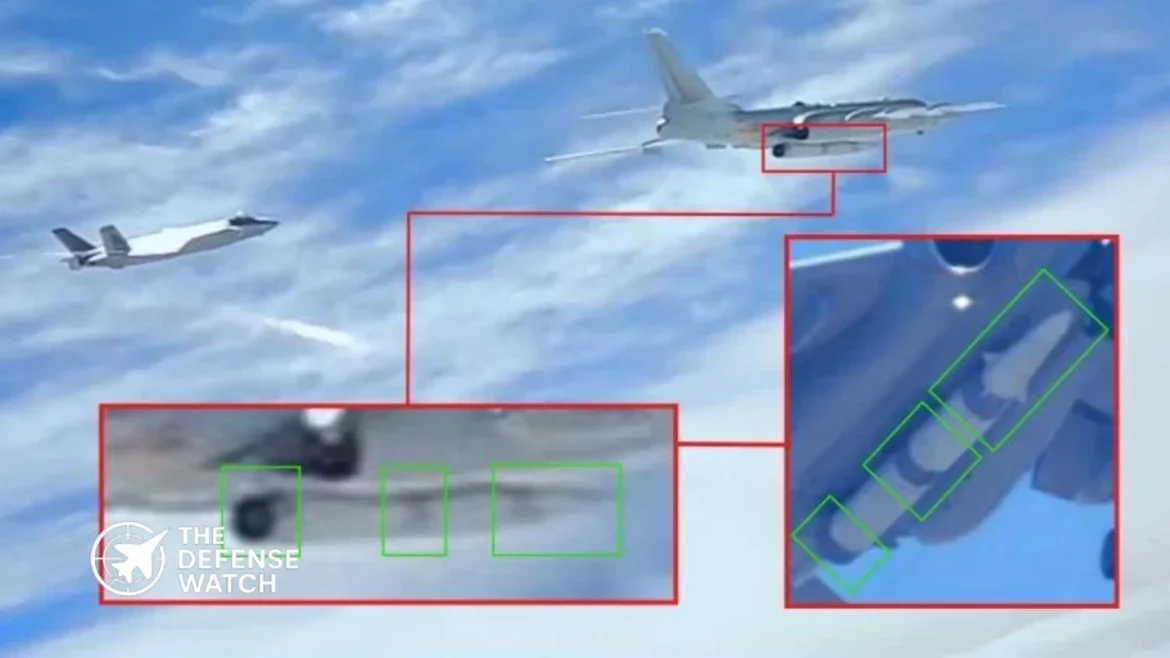
China has released its first official in flight footage showing an H-6N strategic bomber carrying the JL-1 nuclear capable air launched ballistic missile while escorted by two J-20 stealth fighters. The imagery highlights Beijing’s continued efforts to strengthen its long range conventional and nuclear strike capabilities while demonstrating an increasingly integrated strategic air force.
China Reveals H-6N Bomber Carrying JL-1 Air Launched Ballistic Missile
China has publicly released the first in flight footage of an H-6N bomber carrying the JL-1 air launched ballistic missile (ALBM), providing the clearest official view to date of one of the country’s most significant strategic aviation capabilities.
The video shows the H-6N operating with two J-20 fifth generation stealth fighters, underscoring the People’s Liberation Army Air Force’s emphasis on integrating strategic bombers with advanced fighter escorts during long range missions.
The release marks another step in China’s effort to showcase key elements of its evolving strategic deterrent while demonstrating improvements in long range strike operations.
First Official View of the JL-1 Air Launched Ballistic Missile
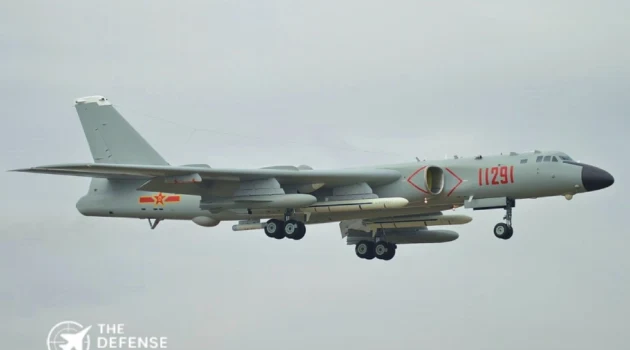
The footage provides the first official confirmation of the H-6N carrying the large externally mounted JL-1 missile beneath its fuselage.
Unlike earlier H-6 bomber variants, the H-6N was specifically modified with a recessed fuselage section to accommodate oversized weapons, including air launched ballistic missiles. The aircraft also incorporates aerial refueling capability, allowing significantly longer mission endurance than previous members of the H-6 family.
Defense analysts have long assessed that the H-6N was developed to serve as China’s first dedicated airborne platform for launching ballistic missiles capable of striking targets far beyond the reach of conventional cruise missiles.
JL-1 Strengthens China’s Long Range Strike Options
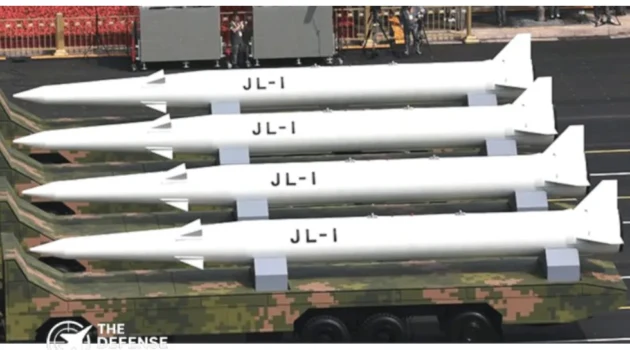
The JL-1 air launched ballistic missile is believed to be a nuclear capable weapon designed to expand China’s strategic strike flexibility.
Open source defense assessments indicate the missile offers an estimated range approaching 8,000 kilometers, depending on launch profile and payload configuration.
Key reported capabilities include:
- Nuclear capable payload
- Air launched ballistic trajectory
- Hypersonic reentry vehicle
- Long range land attack capability
- Potential anti ship strike capability against high value naval targets
Launching a ballistic missile from an airborne platform extends operational reach because the missile begins its flight at altitude and speed rather than from a fixed ground launcher.
This combination increases deployment flexibility while complicating an adversary’s early warning and missile defense planning.
J-20 Escort Highlights Integrated Air Operations
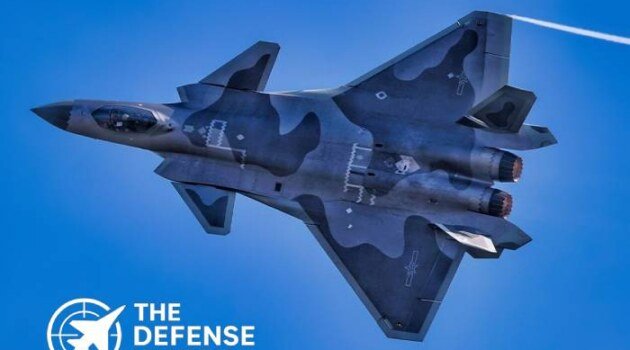
Another notable aspect of the released footage is the presence of two J-20 stealth fighters accompanying the H-6N.
The J-20 is China’s premier fifth generation fighter and is increasingly tasked with protecting high value airborne assets during long range operations.
Operating strategic bombers alongside stealth fighters reflects an evolving operational concept similar to those employed by other major air forces, where escorts enhance survivability against advanced air defense systems and hostile fighters.
The pairing also demonstrates improvements in command, control, and coordinated air operations across multiple aircraft types.
Strategic Significance Beyond the Video
While the footage primarily serves as an official demonstration, it also reflects broader trends within China’s military modernization program.
Over the past decade, Beijing has invested heavily in expanding its strategic aviation capabilities through new bombers, long range precision weapons, hypersonic systems, aerial refueling assets, and advanced fighter aircraft.
The H-6N forms an important component of this modernization effort by providing an airborne launch platform capable of supporting both conventional and nuclear missions.
For regional militaries and defense planners, an operational air launched ballistic missile introduces additional complexity compared with traditional ground based missile forces. Airborne launch platforms can approach from multiple directions, operate over vast distances with tanker support, and create less predictable attack profiles.
Although many technical details of the JL-1 remain classified, the newly released imagery offers additional visual confirmation of a capability that analysts have monitored for several years.
Regional Security Implications
The appearance of the H-6N carrying the JL-1 comes as security competition across the Indo-Pacific continues to intensify.
China has accelerated modernization across its air, naval, missile, and space forces while regional countries and the United States continue investing in integrated air and missile defense, advanced fighters, and long range precision strike systems.
The release of official imagery is therefore significant not only as a technological milestone but also as a strategic communication effort highlighting China’s expanding long range deterrence capabilities.
While the video does not reveal new technical specifications, it provides valuable confirmation of an operational configuration that had previously been observed primarily through satellite imagery and unofficial photographs.
Conclusion
China’s first official in flight footage of the H-6N bomber carrying the JL-1 air launched ballistic missile represents an important public demonstration of its evolving long range strike capabilities. Combined with J-20 stealth fighter escorts, the imagery illustrates an increasingly integrated strategic aviation force capable of supporting both conventional and nuclear deterrence missions.
Although many characteristics of the JL-1 remain undisclosed, the footage reinforces assessments that China continues to expand the flexibility, reach, and survivability of its strategic air power as part of its broader military modernization strategy.
Executive Summary:
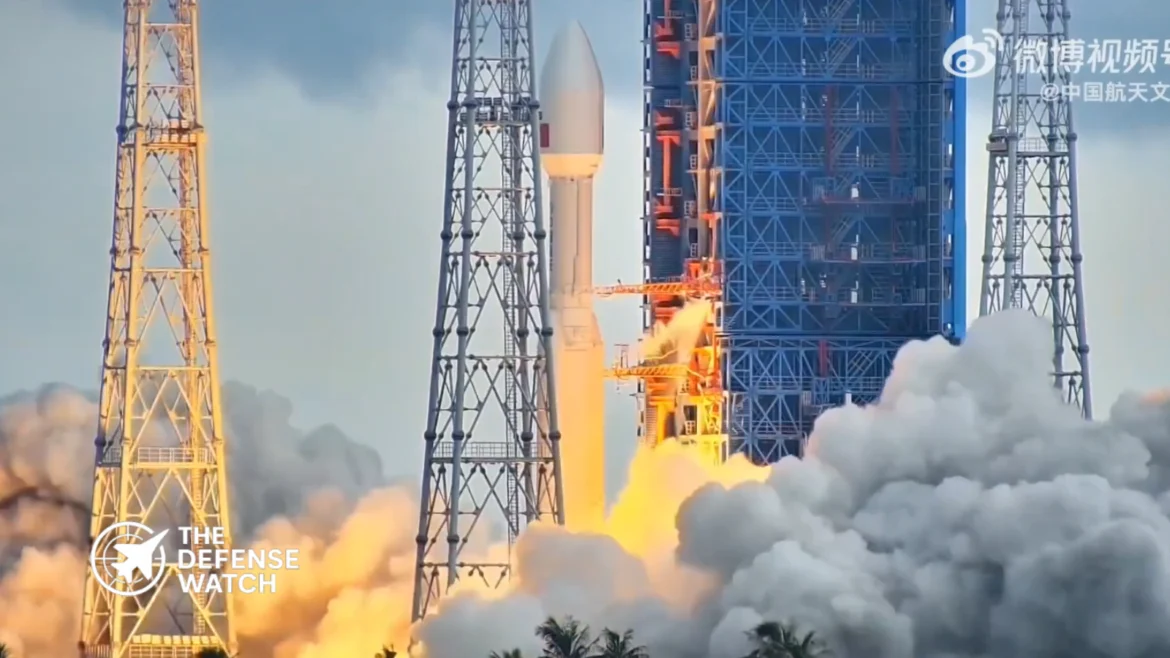
China launched nine additional Guowang low Earth orbit internet satellites aboard an upgraded Long March 8A rocket from Hainan, bringing the constellation to 186 satellites in orbit. The launch underscores Beijing’s steady effort to build a sovereign broadband network that can support commercial connectivity while strengthening China’s independent space infrastructure.
China Guowang Constellation Continues Rapid Expansion
China’s Guowang constellation expanded again after the successful launch of nine new low Earth orbit (LEO) internet satellites aboard an upgraded Long March 8A launch vehicle from the Wenchang Space Launch Site in Hainan.
The mission marked the 23rd batch of Guowang, also known as Xingwang, satellites, increasing the operational constellation to 186 spacecraft in orbit. The launch represents another milestone in China’s long term effort to establish a domestic satellite broadband network capable of providing nationwide and international connectivity.
The mission was conducted by the China Aerospace Science and Technology Corporation (CASC), which continues to increase the launch cadence needed to support one of the world’s largest planned satellite constellations.
Guowang Is China’s State Backed Starlink Alternative
The China Guowang constellation is widely viewed as Beijing’s answer to commercial megaconstellations such as SpaceX’s Starlink. Unlike privately operated systems, Guowang is managed through a state owned enterprise established to coordinate China’s national satellite internet strategy.
Current plans call for approximately 13,000 satellites operating in low Earth orbit over the coming years. The network is expected to provide broadband communications across China while extending services to international markets participating in Chinese infrastructure initiatives.
Although the constellation is often compared with Starlink because of its broadband mission, Guowang is designed within China’s broader national space and digital infrastructure strategy, emphasizing sovereign control over satellite communications.
Long March 8A Supports Higher Launch Capacity
The latest mission utilized the upgraded Long March 8A, an enhanced version of China’s Long March 8 launch vehicle developed for heavier payloads and larger constellation deployments.
The improved rocket offers greater lift capability, allowing multiple satellites to be deployed during a single mission while supporting China’s increasingly demanding launch schedule.
China has significantly expanded its launch infrastructure over the past several years, with Wenchang becoming a primary site for missions supporting commercial, civil, and national space programs. The growing availability of upgraded launch vehicles is expected to play an important role in deploying thousands of additional satellites planned for Guowang.
Strategic Importance Extends Beyond Commercial Broadband
While the primary purpose of the Guowang constellation is broadband internet access, its strategic value extends beyond commercial telecommunications.
Large LEO constellations provide resilient communications infrastructure that can improve connectivity in remote regions and support emergency response following natural disasters. At the national level, sovereign satellite communications reduce dependence on foreign operated networks and strengthen critical infrastructure resilience.
For major space powers, maintaining independent satellite communications capabilities has become increasingly important as governments integrate space based services into transportation, economic development, disaster management, and national security planning.
China’s continued investment reflects a broader international trend in which governments are accelerating deployment of sovereign satellite networks alongside commercial providers.
Global Competition In LEO Broadband Intensifies
The latest China Guowang constellation launch comes as competition in the low Earth orbit communications market continues to accelerate.
SpaceX remains the largest operator of broadband satellites through its Starlink network, while other major projects include Amazon’s Project Kuiper and Europe’s IRIS² initiative. Several countries are also pursuing national satellite communications capabilities to reduce strategic dependence on foreign providers.
China’s steady launch cadence demonstrates that Beijing intends to remain a significant participant in this increasingly competitive sector. Achieving the planned deployment of roughly 13,000 satellites will require sustained production, frequent launches, and continued expansion of launch infrastructure over the coming years.
From a defense and geopolitical perspective, resilient satellite communications have become an increasingly important component of national infrastructure. Governments worldwide view secure space based connectivity as essential for economic competitiveness, emergency response, and strategic autonomy.
Although Guowang remains in the deployment phase, each successive launch moves China closer to establishing a comprehensive state backed broadband constellation capable of supporting both domestic and international communications objectives.
Why It Matters
The latest launch demonstrates that China continues to execute a methodical deployment strategy for one of the world’s largest planned satellite internet constellations. While commercial broadband remains the primary mission, the expanding network also strengthens China’s independent space infrastructure and reflects the growing global importance of sovereign satellite communications in an increasingly contested space environment.

Executive Summary:
NATO is placing increased emphasis on monitoring Chinese commercial investments located near military bases and other strategic infrastructure across Europe. A new Janes open source intelligence case study outlines how validated geoeconomic intelligence can help identify transactions that may warrant closer security assessment while supporting informed decision making by allied military planners.
Chinese Investments Near NATO Bases Become A Growing Intelligence Priority
Chinese investments near NATO bases are receiving greater analytical attention as allied defense organizations expand efforts to understand how foreign commercial activity could affect military security and critical infrastructure resilience.
According to a new case study published by Janes, NATO military planners increasingly require comprehensive intelligence that combines economic, infrastructure, and defense data to evaluate whether Chinese commercial investments near military facilities could present national security concerns. The study illustrates how open source defense intelligence can help analysts identify potentially sensitive investments without assuming that commercial activity alone represents a security threat.
Rather than focusing solely on military assets, the approach integrates geoeconomic intelligence, corporate ownership data, infrastructure mapping, and validated reporting to build a broader picture of strategic activity across Europe.
Janes Demonstrates Geoeconomic Intelligence Approach
The Janes case study presents a representative analytical workflow rather than describing a specific NATO operation.
Its central mission question asks where Chinese firms are acquiring land or investing near NATO installations, how those investments provide physical or commercial access, and which factors should guide national security assessments. Janes says its intelligence platform automatically identifies overseas Chinese investments that may carry strategic relevance and links those transactions with organizations, infrastructure, and broader geopolitical context.
According to Janes, analysts can then prioritize locations for further review using validated reporting instead of relying solely on isolated commercial announcements or publicly available financial data.
Why Infrastructure Location Matters
Modern military operations depend heavily on civilian infrastructure.
Ports, rail networks, logistics hubs, energy facilities, telecommunications networks, airports, and industrial zones often support military deployments during exercises or crises. Their proximity to defense installations can therefore become an important consideration during security planning.
That does not mean every foreign investment represents a security threat. Instead, intelligence organizations evaluate multiple variables, including:
| Assessment Factor | Operational Relevance |
|---|---|
| Distance from military installations | Potential proximity to defense operations |
| Ownership structure | Identification of state linked entities or complex corporate networks |
| Infrastructure type | Possible dual use commercial facilities |
| Supply chain connections | Impact on military logistics and resilience |
| Historical investment patterns | Broader strategic context |
The Janes methodology emphasizes evidence based analysis rather than assumptions about ownership alone.
Growing Focus On Geoeconomic Security
The case study reflects a broader trend across NATO and Europe, where governments increasingly treat economic security as part of national defense planning.
Over the past several years, European governments have strengthened foreign investment screening mechanisms covering sectors such as transportation, telecommunications, energy, semiconductors, and critical infrastructure. These reviews typically assess whether acquisitions could create long term strategic vulnerabilities rather than immediate military risks.
This evolving approach recognizes that strategic competition increasingly extends beyond traditional military capabilities into supply chains, infrastructure ownership, technology access, and industrial resilience.
Analysis: Why This Matters For NATO
The significance of the Janes case study lies less in any individual investment than in the changing intelligence methodology it represents.
Traditional military intelligence has focused primarily on troop movements, weapons systems, and force structure. Today’s security environment increasingly requires analysts to integrate economic activity with defense intelligence because commercial infrastructure often supports military mobility during crises.
For NATO, this means understanding not only where military bases are located, but also who owns surrounding infrastructure, how logistics networks operate, and whether critical facilities could become points of strategic leverage during periods of heightened tension.
This does not imply that commercial investment automatically equates to hostile intent. Instead, intelligence professionals seek to identify patterns, assess potential vulnerabilities, and provide policymakers with objective information before strategic dependencies emerge.
The emphasis on validated, open source intelligence also reflects a wider shift toward data driven analysis that combines satellite imagery, corporate records, infrastructure mapping, and defense reporting into a unified analytical framework.
As competition between major powers increasingly includes economic influence alongside military modernization, geoeconomic intelligence is becoming an increasingly important component of defense planning.
Broader Implications For Allied Defense Planning
For NATO members, infrastructure resilience has become closely linked to military readiness.
Future planning is likely to place greater emphasis on:
- Monitoring investments near critical defense infrastructure.
- Improving visibility into foreign ownership structures.
- Integrating commercial and military intelligence datasets.
- Strengthening investment screening for strategic sectors.
- Enhancing cooperation among allied intelligence organizations.
These measures support situational awareness rather than restricting legitimate commercial activity, allowing governments to distinguish between routine investment and transactions that merit closer examination.
Conclusion
The Janes case study demonstrates how open source intelligence is evolving to address modern security challenges that extend beyond traditional military domains.
By combining validated reporting with geoeconomic analysis, infrastructure mapping, and corporate intelligence, NATO planners gain additional tools to assess whether commercial investments near strategic military locations could affect long term operational resilience.
As economic competition and national security become increasingly interconnected, intelligence organizations are expanding their analytical frameworks to include both military capabilities and the infrastructure that supports them.
Executive Summary:
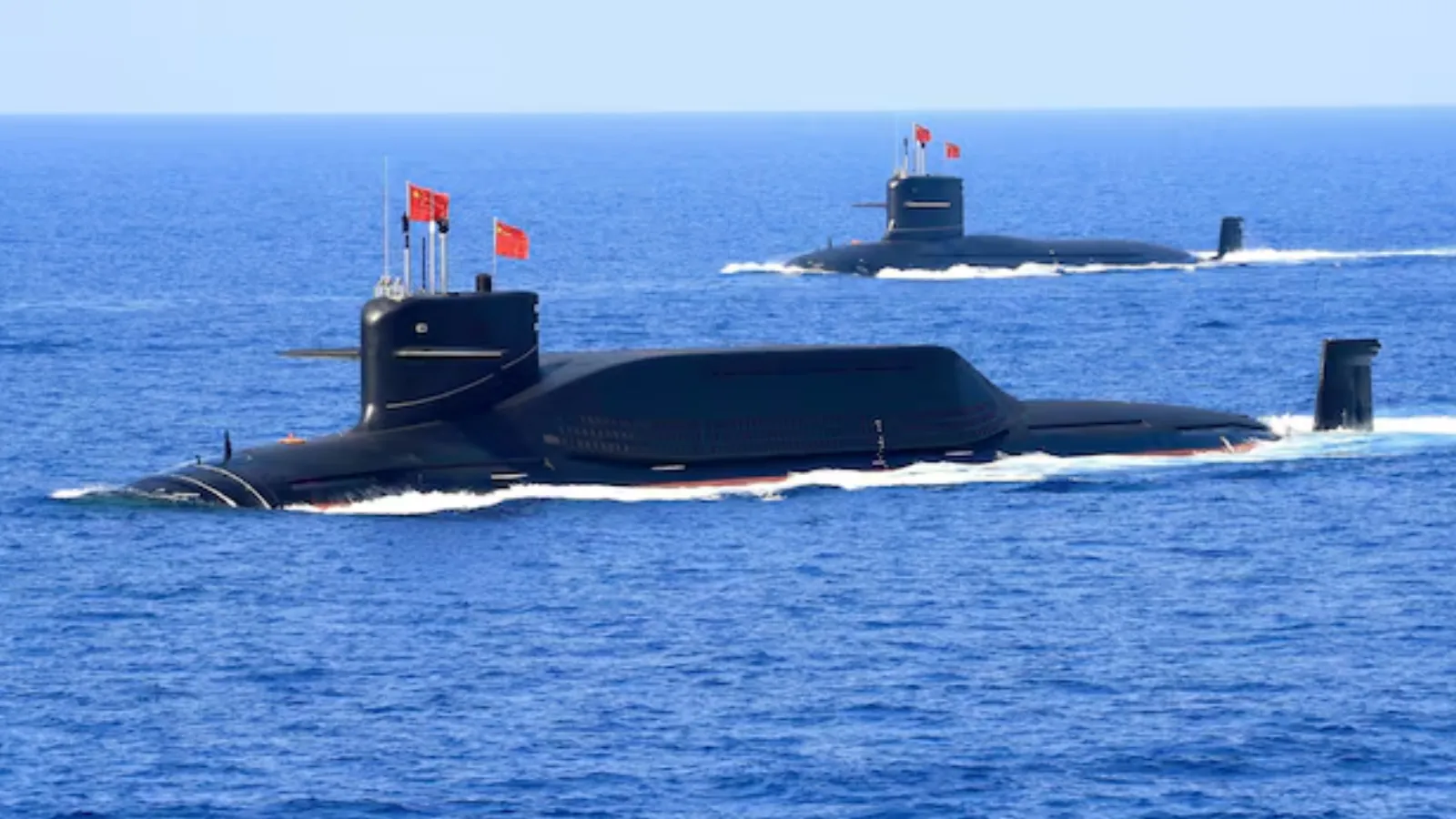
China has publicly acknowledged a rare submarine launched ballistic missile test into the South Pacific, providing an unusual glimpse into one of the most sensitive elements of its strategic nuclear deterrent. Defense analysts say the event demonstrates not only missile performance but also the command, control, and communications systems required to support credible sea based nuclear operations.
China JL-3 Submarine Missile Test Highlights Expanding Nuclear Deterrence
China’s JL-3 submarine missile test has become one of the most closely watched strategic military events of 2026, offering fresh insight into the People’s Liberation Army Navy’s evolving sea based nuclear capabilities. According to Reuters, analysts believe the launch provided Chinese military leaders with an opportunity to evaluate the full operational chain required for submarine based nuclear deterrence, extending well beyond the missile itself.
Chinese state media reported that a strategic nuclear submarine launched a ballistic missile carrying a dummy warhead into designated waters in the South Pacific during routine annual military training. Beijing said the exercise complied with international law and had been announced to relevant countries in advance.
The launch nevertheless prompted criticism from the United States, Australia, Japan, New Zealand, and Taiwan, with several governments arguing that the notification period was insufficient for such a strategically significant test.
Why The Test Matters Beyond The Missile
Unlike land based ballistic missile launches, submarine launched ballistic missile operations involve far more than propulsion and flight performance.
Military analysts interviewed by Reuters noted that the exercise likely evaluated several critical elements simultaneously, including:
Capability Operational Importance Secure communications Maintaining contact with submerged nuclear submarines Command and control Ensuring launch authorization remains secure Crew readiness Validating operational procedures during strategic patrols Navigation accuracy Positioning submarines while remaining undetected Missile performance Confirming launch reliability and flight characteristics Experts emphasize that reliable command, control, and communications remain among the most technically demanding aspects of operating a nuclear ballistic missile submarine fleet. Maintaining secure communications with submerged vessels without compromising their location is a challenge faced by every nuclear navy.
JL-3 Reportedly Represents China’s Long Range Sea Based Strike Capability
Although Chinese authorities did not officially identify the missile, multiple defense analysts believe the launch most likely involved the JL-3 submarine launched ballistic missile.
The JL-3 is widely assessed to possess an estimated range of approximately 10,000 kilometers, allowing Chinese ballistic missile submarines to threaten targets far beyond East Asia. Depending on patrol locations, analysts assess the missile could potentially reach Guam, Hawaii, and portions of the continental United States.
The missile is believed to equip or eventually replace earlier generations carried aboard the PLA Navy’s Type 094 Jin class ballistic missile submarines.
Sea Based Nuclear Deterrence Continues To Mature
China has steadily modernized all three legs of its nuclear force over the past decade:
- Land based intercontinental ballistic missiles
- Strategic bomber aviation
- Ballistic missile submarines
The latest submarine launch reinforces Beijing’s continued investment in completing a more survivable nuclear triad.
Sea based deterrence offers a unique strategic advantage because submarines can remain hidden underwater for extended periods. Even if land based missile forces were destroyed during a conflict, surviving ballistic missile submarines could preserve a retaliatory capability, strengthening overall nuclear deterrence.
Operational Challenges Still Remain
While the missile launch demonstrated growing technical confidence, analysts caution that building an effective ballistic missile submarine force requires much more than successful test launches.
Key operational challenges include:
- Maintaining continuous submarine patrols
- Secure communications during submerged operations
- Crew proficiency over extended deployments
- Acoustic stealth against advanced anti submarine warfare assets
- Political control over nuclear launch authority
Reuters reported that some analysts continue to question whether Chinese ballistic missile submarines routinely conduct deterrent patrols carrying fully operational nuclear weapons, particularly following recent leadership changes and corruption investigations within China’s military establishment.
Strategic Implications For The Indo-Pacific
The missile test reflects China’s broader military modernization program and its effort to field a more credible second strike capability.
For regional defense planners, the significance lies less in the missile’s range than in the apparent confidence to publicly acknowledge a submarine launched strategic missile test. Such operations are normally conducted with limited visibility because they involve some of the most sensitive components of national nuclear deterrence.
The event is also likely to reinforce ongoing investments by the United States and its Indo-Pacific allies in anti submarine warfare, undersea surveillance, missile defense, and strategic early warning capabilities.
Rather than representing a sudden shift in military balance, the launch appears to be another milestone in China’s long term effort to develop a more survivable and operationally mature nuclear force.
Looking Ahead
China’s latest submarine launched ballistic missile test underscores the increasing sophistication of the PLA Navy’s strategic submarine force. Beyond validating missile performance, the exercise demonstrated progress toward integrating secure command systems, submarine operations, and long range nuclear deterrence into a more complete operational capability.
As China continues expanding its nuclear triad, future attention will likely focus on whether its ballistic missile submarines transition from periodic demonstrations to sustained operational deterrent patrols comparable to those maintained by other established nuclear powers.
Executive Summary:
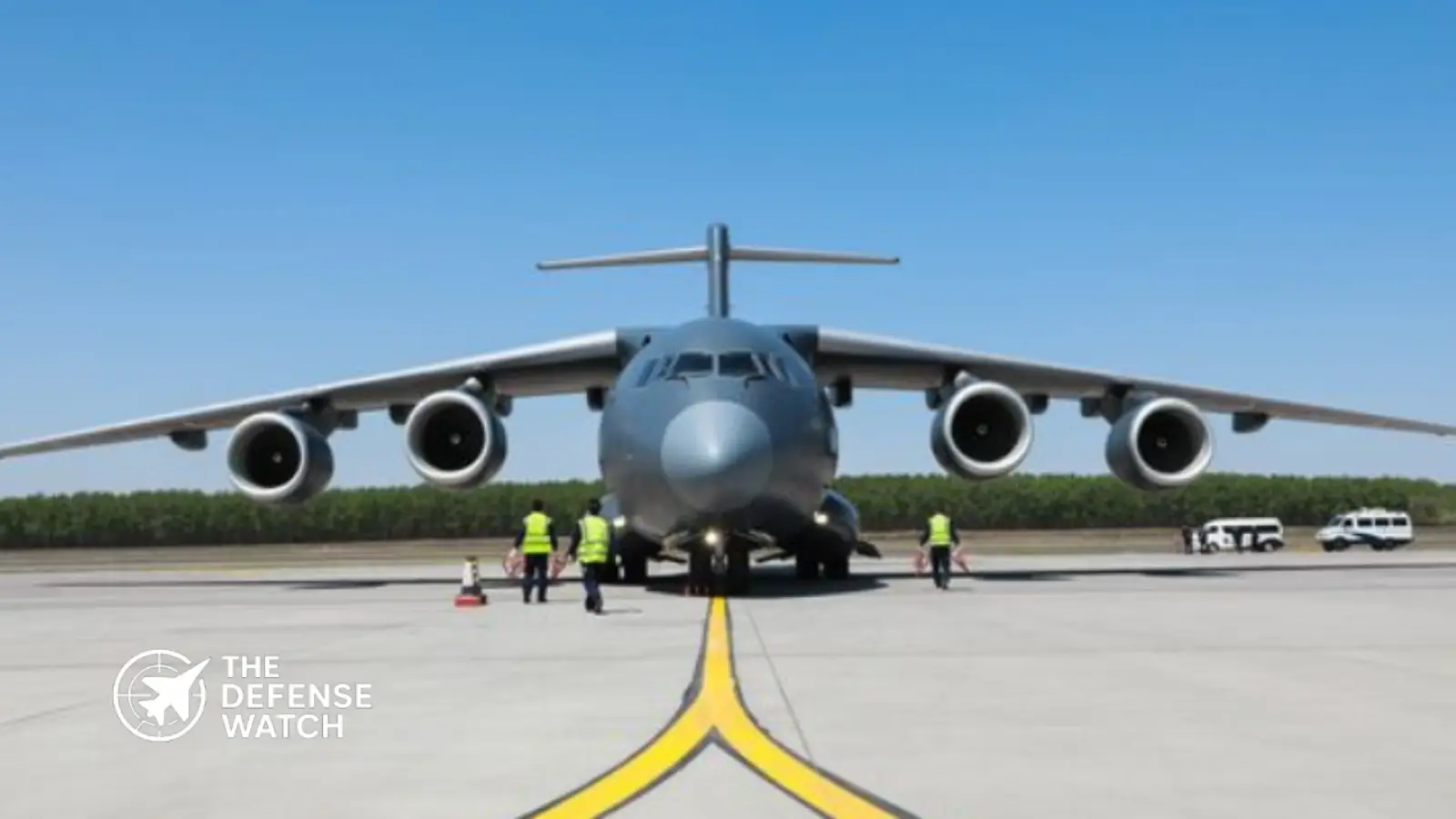
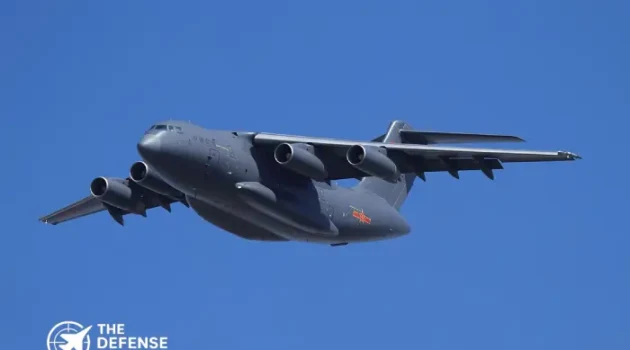
China is continuing to expand its fleet of Y 20B strategic transport aircraft, with new aircraft entering service equipped with domestically developed WS 20 turbofan engines. The growing fleet strengthens the People’s Liberation Army Air Force’s ability to conduct long range airlift, humanitarian assistance, overseas deployments, and joint military operations while reducing reliance on foreign engine technology.
China Expands Y 20B Transport Aircraft Fleet
China’s Y 20B transport aircraft fleet continues to grow as the People’s Liberation Army Air Force (PLAAF) fields additional aircraft powered by indigenous WS 20 turbofan engines. According to recent reporting by Janes, newly produced aircraft have been observed entering operational service, highlighting Beijing’s ongoing effort to modernize its strategic air mobility capability.
The expansion represents another milestone in China’s broader military modernization program, which prioritizes increased strategic reach, improved logistics, and greater operational independence through domestically developed aerospace technologies.
Unlike earlier production variants that relied on Russian supplied engines, the Y 20B incorporates China’s WS 20 high bypass turbofan, reducing dependence on foreign suppliers while improving aircraft performance.
Indigenous WS 20 Engines Mark a Major Capability Upgrade
The most significant improvement in the Y 20B is its propulsion system.
Earlier Y 20 aircraft were powered by Russian Soloviev D 30KP 2 turbofan engines. While reliable, these engines limited both efficiency and payload performance and required continued access to overseas supply chains.
The WS 20 engine addresses several of these limitations by offering:
Capability Earlier Y 20 Y 20B Engine Russian D 30KP 2 Indigenous WS 20 Engine source Imported Domestic production Fuel efficiency Lower Improved Payload performance Standard Enhanced Strategic independence Limited Significantly improved Domestic engine production also simplifies long term maintenance, logistics, and future fleet expansion, key priorities for China’s aviation industry.
Expanding China’s Strategic Airlift Network
The Y 20 serves as the backbone of China’s heavy airlift fleet.
Comparable in role to the U.S. Air Force’s C 17 Globemaster III, although differing in design and operational history, the aircraft is intended to transport:
- Heavy military equipment
- Armored vehicles
- Troops
- Humanitarian assistance supplies
- Disaster relief cargo
- Medical evacuation equipment
The aircraft enables rapid movement of forces across China’s vast territory while supporting deployments beyond its borders.
As China’s overseas interests continue to expand, strategic airlift has become increasingly important for military diplomacy, peacekeeping missions, evacuation operations, and logistics support.
Production Appears to Be Accelerating
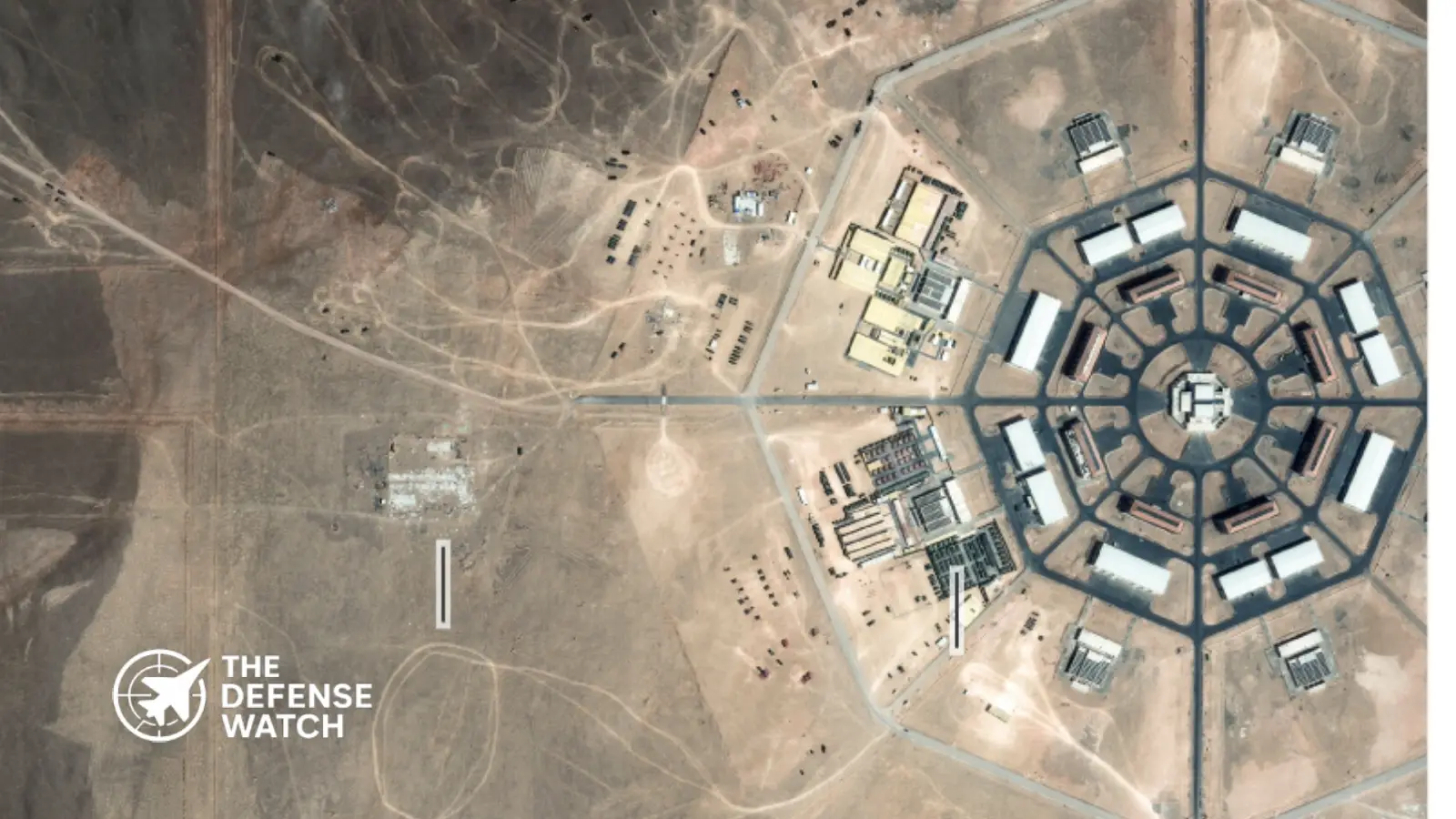
Recent imagery and aircraft observations indicate that additional Y 20B aircraft are entering operational units.
Although Chinese authorities have not publicly disclosed production totals, outside analysts assess that manufacturing has accelerated in recent years as domestic engine production has matured.
A larger fleet allows the PLAAF to sustain simultaneous operations while improving readiness for:
- Large scale military exercises
- Joint force deployments
- Humanitarian assistance
- International peacekeeping missions
- Long distance logistics operations
The steady increase also reflects growing confidence in China’s domestic aerospace manufacturing base.
Strategic Importance Beyond Transportation
Strategic transport aircraft provide more than cargo capacity.
Modern militaries rely on heavy airlifters to maintain operational tempo by rapidly moving personnel, equipment, and supplies across multiple theaters.
For China, additional Y 20Bs enhance several key capabilities:
- Faster reinforcement of remote military regions
- Improved support for naval operations
- Greater flexibility during disaster response
- Increased support for overseas military activities
- Better logistics for joint force operations
These capabilities become increasingly important as China’s military conducts more complex exercises involving multiple service branches.
Supporting Future Specialized Variants
The Y 20 airframe is also becoming the foundation for multiple specialized aircraft.
China has already adapted the platform into the YY 20 aerial refueling tanker, substantially increasing the operational range of PLAAF fighter aircraft.
Defense analysts also expect the platform to support additional mission variants over time, potentially including:
- Airborne command and control
- Electronic warfare
- Intelligence collection
- Specialized logistics support
Using a common airframe across multiple missions reduces development costs while simplifying maintenance and training.
What the Fleet Expansion Means
The continued expansion of the Y 20B fleet illustrates China’s long term approach to building a self sufficient strategic air mobility capability.
While fighter aircraft and missiles often receive greater public attention, transport aircraft are essential for sustaining military operations over extended distances. Without adequate airlift capacity, even advanced combat forces face significant logistical constraints.
For the United States and regional defense planners, the growing Y 20B inventory reflects China’s increasing ability to deploy personnel and equipment rapidly across the Indo Pacific and beyond. It also demonstrates continued progress in China’s domestic aerospace industry, particularly in the successful fielding of large turbofan engines, an area that historically depended on foreign technology.
As production continues, the Y 20B is expected to remain central to PLAAF modernization, supporting everything from military exercises and humanitarian missions to overseas logistics and joint operations. Its combination of indigenous propulsion, expanding production, and multi mission adaptability makes it one of the most important enabling platforms in China’s evolving air power strategy.
Executive Summary:
China is expanding its nuclear missile infrastructure with the construction of new launch pads, bunkers, and communications facilities near intercontinental ballistic missile silo fields in western China. Satellite imagery reviewed by Reuters indicates the project is designed to improve the survivability and responsiveness of Beijing’s nuclear forces amid growing strategic competition with the United States. The development highlights China’s accelerating shift from a minimum deterrence posture toward a more resilient and modernized nuclear force.
China Expands Nuclear Missile Infrastructure Near Strategic Silo Fields
China is constructing an extensive network of launch pads and military support infrastructure near its strategic nuclear missile silo complexes in western China, according to satellite imagery reviewed by Reuters and assessed by defense analysts. The expansion reflects Beijing’s ongoing effort to modernize and harden its nuclear deterrent as tensions with the United States continue to rise over Taiwan and the broader Indo-Pacific region.
The new facilities are located near existing intercontinental ballistic missile (ICBM) silo fields in the remote desert regions of Xinjiang and Gansu provinces. Analysts reviewing the imagery identified more than 80 launch pads, reinforced bunkers, communications nodes, road networks, and support installations that appear linked to China’s expanding missile and air defense operations.
The infrastructure buildup appears designed to enhance the survivability of the People’s Liberation Army Rocket Force (PLARF), particularly against a potential first strike by the United States. Defense experts told Reuters the facilities may support mobile missile launchers, electronic warfare systems, satellite communications, and hardened command-and-control operations.
Strategic Significance of China’s Nuclear Expansion
China’s nuclear arsenal remains smaller than those of the United States and Russia, but it is expanding at the fastest pace among the world’s major nuclear powers. U.S. defense assessments estimate China could possess approximately 1,000 nuclear warheads by 2030, compared with a stockpile believed to exceed 500 warheads today.
The latest construction effort reinforces concerns among Western defense planners that Beijing is transitioning away from its historically restrained nuclear posture. While China officially maintains a “no first use” doctrine, the scale and sophistication of recent infrastructure projects suggest a greater emphasis on rapid response capability, force survivability, and launch readiness.
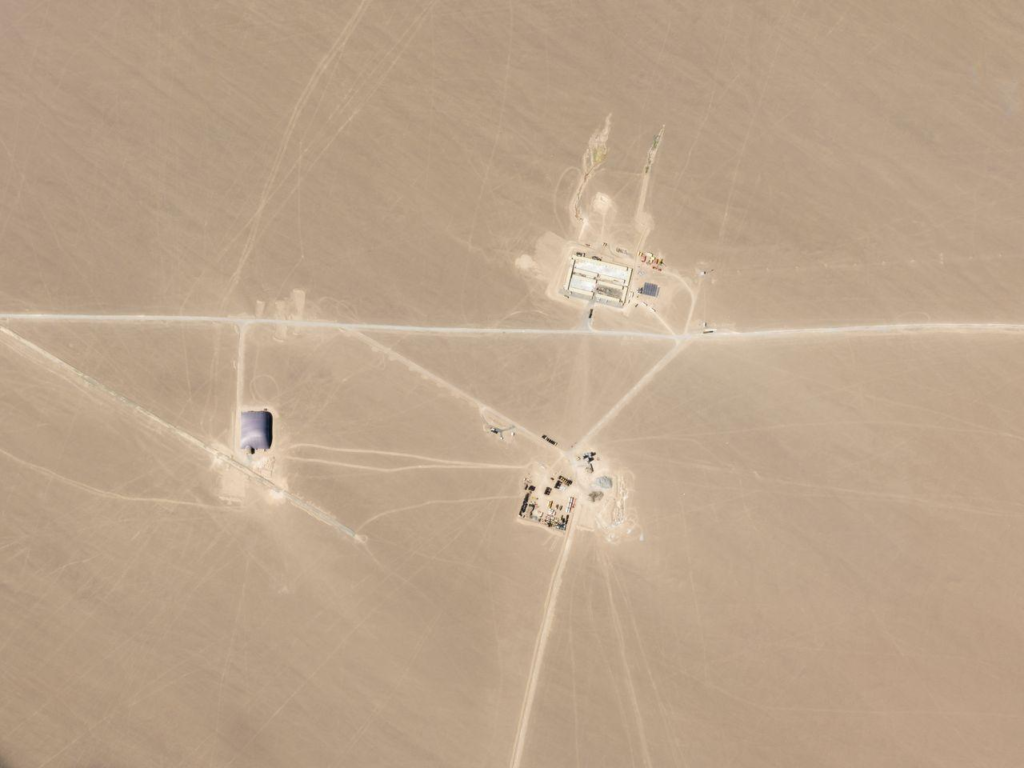
Analysts also note that the dispersed launch pad system could complicate enemy targeting calculations during a crisis. Mobile missile units operating from hardened and widely distributed sites are considerably more difficult to track and neutralize than fixed silo systems alone.
Comparison of China’s Expanding Nuclear Infrastructure
| System / Capability | Range | Payload | Status | Key Technology |
|---|---|---|---|---|
| New Chinese Mobile Launch Network | Intercontinental | Nuclear warheads | Under expansion | Hardened launch pads, mobile missile support |
| Legacy Chinese Silo-Based ICBMs | Intercontinental | Single or MIRV warheads | Operational | Fixed silo launch architecture |
| U.S. Strategic Missile Infrastructure | Intercontinental | MIRV nuclear warheads | Fully operational | Advanced C4ISR and missile defense integration |
| Russian Mobile ICBM Forces | Intercontinental | MIRV nuclear warheads | Operational | Road-mobile launch systems and decoys |
Satellite Imagery Reveals Expanding Military Footprint
The Reuters analysis identified several distinct military features near the silo complexes, including:
- Large launch pad clusters positioned around missile fields
- Reinforced bunkers and underground support facilities
- Extended road networks for transporter erector launchers (TELs)
- Possible electronic warfare and satellite communications sites
- Air defense infrastructure supporting strategic facilities
The development mirrors broader modernization efforts underway across China’s armed forces under Chinese President Xi Jinping. Beijing has invested heavily in advanced missile systems, naval expansion, stealth aircraft, and strategic support forces over the past decade.
China has also showcased increasingly advanced strategic weapons during military parades, including new generations of road-mobile ballistic missiles and hypersonic systems.
Taiwan Tensions Driving Strategic Calculations
The nuclear infrastructure expansion comes amid heightened concern over a potential future conflict involving Taiwan. A recent assessment by the International Institute for Strategic Studies warned that any large-scale U.S.-China conflict over Taiwan could create pathways to nuclear escalation, particularly if command-and-control facilities become targets during conventional operations.
Chinese military planning increasingly emphasizes the ability to survive a surprise attack while maintaining retaliatory strike capability. The newly observed launch facilities appear aligned with that objective.
Western analysts believe Beijing’s long-term strategy is to create a more credible second-strike deterrent capable of withstanding precision conventional and nuclear attacks. The hardened infrastructure and distributed launch network reduce the vulnerability of China’s strategic missile forces and increase operational flexibility during crises.
Implications for Global Nuclear Stability
China’s nuclear modernization is reshaping the strategic balance in the Indo-Pacific and accelerating concerns about a new era of great power nuclear competition.
The United States and Russia continue to possess significantly larger arsenals, but China’s rapid expansion is forcing adjustments in regional military planning, missile defense strategies, and alliance coordination among U.S. partners in Asia.
Key implications include:
- Increased strategic uncertainty in the Indo-Pacific
- Greater complexity for U.S. missile defense planning
- Reduced warning times during crises
- Higher risk of escalation during Taiwan contingencies
- Expanded focus on survivable nuclear command-and-control systems
Despite the rapid buildup, Beijing continues to publicly reject accusations that it is pursuing nuclear parity with Washington or Moscow. Chinese officials maintain that the country’s nuclear policy remains defensive in nature and intended solely to preserve national security.
Still, the scale of the latest construction effort suggests China is preparing for a more contested and dangerous strategic environment in the coming decade.
The latest CRS assessment highlights ongoing proliferation concerns at a time of rising geopolitical competition between Washington, Beijing, Tehran, and Pyongyang.
Executive Summary:
A new Congressional Research Service report warns that Chinese entities continue supporting weapons and missile programs tied to Iran, North Korea, and Pakistan. The findings underscore persistent proliferation concerns as the United States expands pressure on strategic competitors and sanctions enforcement networks.
CRS Report Highlights Ongoing Chinese Weapons Proliferation Concerns
A new report from the Congressional Research Service (CRS) has renewed attention on Chinese entities allegedly linked to weapons proliferation activities involving Iran, North Korea, and Pakistan. The assessment, cited by lawmakers and defense analysts, argues that despite years of sanctions and export controls, networks connected to the People’s Republic of China continue to play a role in supporting sensitive military and dual-use programs.
The CRS report comes amid growing strategic rivalry between the United States and China, alongside increasing concerns over missile development, nuclear modernization, and sanctions evasion by states viewed by Washington as major security challenges.
According to the report, Chinese companies and individuals have repeatedly appeared in U.S. sanctions actions and proliferation-related investigations tied to missile technologies, dual-use materials, and defense-related transfers.
The findings add to broader debates in Washington over how effectively current sanctions frameworks can deter international weapons proliferation networks.
Chinese Entities Remain Under Scrutiny
The CRS report reportedly references long-standing U.S. concerns regarding Chinese commercial and industrial entities linked to proliferation-sensitive exports. These concerns are not new. Successive U.S. administrations have imposed restrictions and sanctions on companies accused of transferring missile technology, chemical precursors, or dual-use systems to sanctioned states.
Iran and North Korea remain at the center of those concerns because of their continued missile development programs and ongoing tensions with the United States and its allies.
Pakistan’s inclusion in the discussion is strategically significant. Unlike Iran and North Korea, Pakistan maintains formal defense relations with both China and the United States, though Beijing has become Islamabad’s dominant strategic defense partner over the last two decades. China has supported several major Pakistani defense modernization programs, including combat aircraft, naval vessels, missile cooperation, and air defense systems.
While much of that cooperation occurs through state-to-state agreements considered legal under international frameworks, Western policymakers continue examining whether dual-use transfers could contribute to sensitive weapons development.
The CRS report does not appear to accuse the Chinese government directly of authorizing illicit proliferation. Instead, it highlights continuing concerns surrounding commercial entities, export enforcement gaps, and opaque procurement networks.
Why The Report Matters Now
The timing of the CRS report is notable given current geopolitical conditions.
The United States is simultaneously managing heightened tensions with China in the Indo-Pacific, monitoring North Korean missile testing activity, and confronting expanding Iranian regional influence. In that environment, proliferation concerns increasingly intersect with broader strategic competition.
Washington has also intensified export control measures targeting advanced semiconductors, aerospace systems, artificial intelligence technologies, and military-use components linked to China.
The report may strengthen arguments inside Congress for tighter enforcement actions against entities accused of facilitating sanctions evasion or proliferation activity. It could also increase scrutiny on financial networks, logistics firms, and intermediary suppliers operating across Asia and the Middle East.
From a defense planning perspective, missile proliferation remains a central concern for U.S. military strategists. Iranian ballistic missile developments, North Korean long-range missile testing, and Pakistan’s expanding missile inventory all influence regional deterrence calculations.
Chinese defense exports and industrial capacity have grown substantially over the last decade, making Beijing one of the world’s leading arms suppliers. That expansion has increased international attention on how Chinese technologies and manufacturing networks intersect with sensitive military programs abroad.
Strategic Implications For Regional Security
The report’s broader implications extend beyond sanctions policy.
In the Middle East, concerns over Iranian missile capabilities continue shaping U.S. and allied investments in integrated air and missile defense systems. Gulf states, Israel, and NATO partners closely monitor any technological support that could accelerate Iranian weapons development.
In East Asia, North Korea’s advancing missile programs remain one of the most immediate security threats facing South Korea, Japan, and U.S. regional forces. Any indication of continued external procurement support attracts significant intelligence and diplomatic attention.
Pakistan’s strategic position is more complex. Islamabad’s military relationship with Beijing has deepened through programs such as the JF-17 fighter, naval modernization projects, and air defense cooperation. China also remains a major investor through the China-Pakistan Economic Corridor (CPEC).
However, Pakistan also seeks balanced relations with Western states and Gulf partners. As a result, any renewed international debate surrounding proliferation risks could create additional diplomatic sensitivity.
The CRS report may therefore contribute to wider policy discussions about export control enforcement, strategic competition, and global nonproliferation mechanisms.
U.S. Pressure Campaigns Likely To Continue
The Biden administration and Congress have continued emphasizing nonproliferation enforcement as part of broader national security policy. Treasury Department sanctions, export restrictions, and entity listings remain central tools for disrupting procurement networks tied to missile and weapons programs.
Analysts expect future enforcement actions to focus increasingly on intermediary firms, transshipment hubs, and financial channels used to bypass restrictions.
The CRS findings also reinforce growing bipartisan concern in Washington regarding China’s global strategic influence. Defense officials increasingly view economic competition, technology control, and proliferation enforcement as interconnected national security challenges.
For allies and partner nations, the report serves as another reminder that defense supply chains and dual-use technologies remain critical areas of geopolitical competition.
Executive Summary:
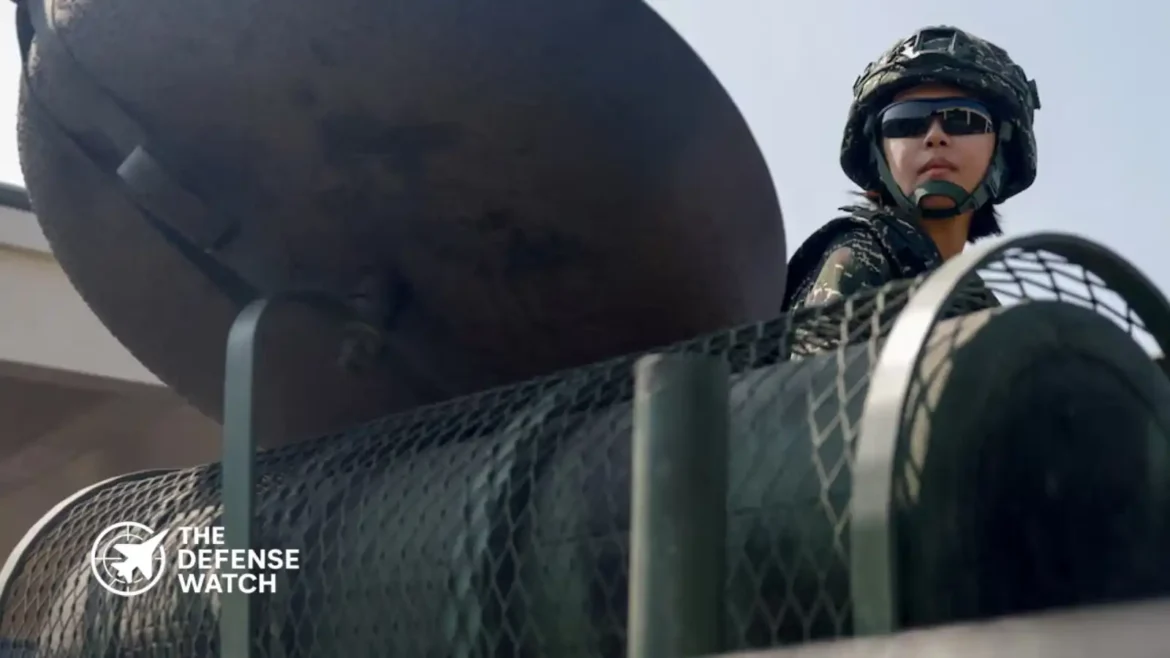
The United States has expressed concern over delays in Taiwan’s defense modernization efforts and warned against policy decisions that could be viewed as concessions to China. Washington is pushing Taipei to accelerate military reforms and weapons procurement as Beijing continues increasing military pressure in the Indo-Pacific.
US Taiwan Defense Delays Raise Concern In Washington
US concern over Taiwan defense delays is growing as officials in Washington increase pressure on Taipei to move faster on military modernization and readiness initiatives.
According to a reports, US officials are closely monitoring delays affecting Taiwan’s defense procurement and broader security planning. The concerns come at a time when China continues to expand military activity around Taiwan, including large-scale air and naval operations near the island.
American officials reportedly fear that any slowdown in defense reforms or political concessions could weaken Taiwan’s deterrence posture at a critical moment in regional security dynamics.
The issue reflects a broader US Indo-Pacific strategy focused on strengthening allied military readiness against growing Chinese military capabilities.
Washington Pushes Taiwan To Accelerate Military Modernization
Taiwan has spent the past several years attempting to overhaul its military structure, increase asymmetric warfare capabilities, and improve reserve force readiness. However, delays tied to procurement timelines, budget debates, and political disagreements have reportedly frustrated US policymakers.
The United States has repeatedly emphasized the importance of mobile missile systems, air defense networks, sea mines, drones, and coastal defense weapons for Taiwan’s security strategy. Washington views these systems as essential for complicating any potential Chinese military operation against the island.
US military planners increasingly favor a so-called “porcupine strategy,” which prioritizes survivable and distributed defensive systems over large conventional platforms vulnerable to precision strikes.
Several major US arms packages approved in recent years remain in various stages of production and delivery. Supply chain constraints and industrial production limits have also slowed deliveries of some systems globally, affecting multiple US defense partners.
The Pentagon and US lawmakers have repeatedly stressed that Taiwan must focus on readiness, training, ammunition stockpiles, and rapid mobilization rather than symbolic defense spending increases alone.
China Continues Expanding Military Pressure Around Taiwan
The latest US concerns emerge amid sustained Chinese military activity near Taiwan. Beijing continues to send fighter aircraft, bombers, naval vessels, and surveillance assets into areas surrounding the island on a near-daily basis.
Chinese officials view Taiwan as part of China and have not ruled out the use of force to achieve unification. Taiwan’s government rejects Beijing’s sovereignty claims and maintains that the island’s future should be determined by its people.
In recent years, the People’s Liberation Army has significantly expanded joint operational exercises involving amphibious assault training, missile operations, and blockade-style maneuvers.
Regional military analysts believe China’s growing capabilities are reshaping the security balance across the Taiwan Strait. This has intensified US efforts to strengthen deterrence across the Indo-Pacific region through closer defense coordination with allies and partners.
Why The Taiwan Defense Debate Matters To US Strategy
Taiwan remains central to broader US strategic planning in Asia. The island occupies a critical geographic position within the first island chain, an area viewed by US defense planners as strategically important for regional military access and maritime control.
A conflict involving Taiwan would likely have major consequences for global trade, semiconductor production, regional alliances, and freedom of navigation across the Western Pacific.
Washington officially maintains a policy of strategic ambiguity regarding direct military intervention, while simultaneously continuing arms sales and defense cooperation with Taipei under the Taiwan Relations Act.
The Biden administration and members of Congress have consistently argued that stronger Taiwanese self-defense capabilities are necessary to maintain regional stability and deter escalation.
At the same time, US officials continue balancing support for Taiwan with efforts to avoid direct military confrontation with China.
Taiwan Faces Pressure To Reform Faster
Taiwan’s military reforms have accelerated since Russia’s invasion of Ukraine in 2022, which prompted renewed debate over deterrence, reserve mobilization, and civil defense preparedness.
Taipei has extended mandatory military service, increased defense spending, and expanded domestic missile and drone production programs. Still, some analysts argue implementation remains uneven and slower than required by the current threat environment.
The debate inside Taiwan also reflects differing political views over how aggressively the island should prepare for conflict while maintaining economic and diplomatic stability.
US officials appear increasingly concerned that prolonged delays could undermine deterrence credibility at a time when China is rapidly modernizing its armed forces.
Strategic Implications Across The Indo-Pacific
The growing focus on US Taiwan defense delays highlights a wider shift in Indo-Pacific security planning.
The United States, Japan, Australia, and other regional partners are increasing coordination on missile defense, intelligence sharing, logistics, and military interoperability. Taiwan’s preparedness is now viewed as a major factor in broader regional deterrence calculations.
China’s expanding naval reach and military modernization efforts continue driving defense policy changes across Asia, particularly in maritime security and distributed warfare concepts.
For Washington, Taiwan’s ability to rapidly strengthen defensive capabilities may become one of the defining strategic tests of the current Indo-Pacific security environment.
Taiwan Military Drills Focus On Energy Supply Security
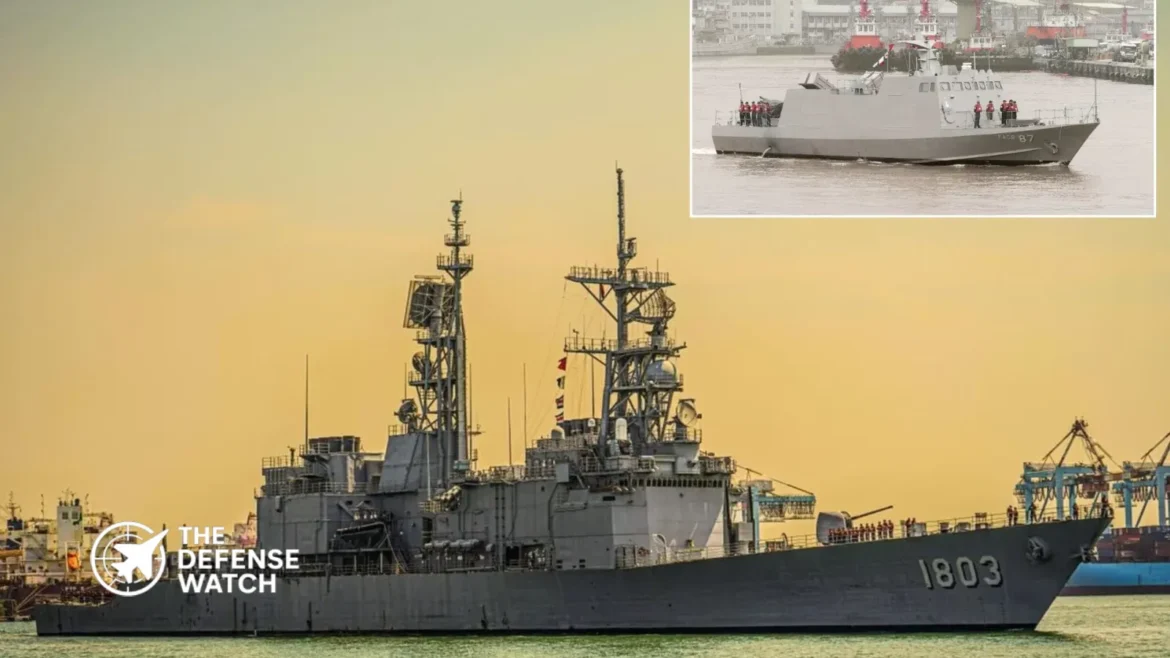
Taiwan military drills aimed at securing energy supply routes are underway as concerns grow over a potential Chinese blockade. The exercises reflect Taipei’s increasing focus on safeguarding critical maritime lifelines that sustain its economy and military operations.
The drills are designed to test Taiwan’s ability to maintain uninterrupted energy imports under crisis conditions. The island imports the vast majority of its fuel, making maritime access a strategic vulnerability.
These exercises involve coordinated operations between the navy, air force, and coastal defense units. Scenarios include escorting fuel tankers, countering maritime interdiction attempts, and maintaining control of key sea lanes.
- Taiwan launched military drills focused on protecting critical energy supply routes against a potential Chinese blockade scenario.
- Exercises include naval escort operations, maritime surveillance, and coordination with air and coastal defense units.
- Taiwan relies heavily on imported energy, making sea lane security a strategic priority during crisis scenarios.
- The drills simulate disruption of shipping lanes and test rapid response to ensure continuity of fuel supplies.
- The move reflects growing concern over China’s ability to impose a maritime blockade in a future conflict.
Strategic Vulnerability Drives Operational Focus
Taiwan’s dependence on seaborne energy imports shapes its defense planning. Oil and liquefied natural gas shipments are essential for power generation, industry, and military readiness.
A blockade, even if limited, could quickly disrupt supply chains and place pressure on civilian infrastructure. This risk has pushed Taiwan to prioritize resilience in maritime logistics.
The current Taiwan military drills simulate contested environments where shipping routes are threatened or partially cut off. By rehearsing escort missions and rapid response tactics, Taiwan is attempting to reduce the operational impact of such disruptions.
This reflects a broader shift from traditional territorial defense toward protecting economic and logistical nodes that sustain national power.
Naval And Air Integration Key To Defense Strategy
The drills highlight the growing importance of joint operations. Naval vessels are tasked with escorting commercial ships, while air assets provide surveillance and early warning.
Coastal missile systems and radar networks also play a role in detecting and deterring hostile activity near critical shipping lanes.
This integrated approach aligns with modern maritime security concepts seen across the Indo Pacific. Rather than relying solely on fleet strength, Taiwan is building layered defenses that combine mobility, surveillance, and rapid response.
China Blockade Scenario Gains Prominence
The Taiwan military drills come amid increasing discussion of blockade scenarios in regional security analysis. Rather than a full scale invasion, a blockade is often viewed as a lower risk option for applying pressure.
China’s expanding naval capabilities, including surface combatants and maritime patrol assets, have improved its ability to control key sea routes around Taiwan.
In this context, Taiwan’s focus on energy supply security is both practical and strategic. Ensuring continued access to fuel reduces vulnerability and strengthens deterrence by signaling preparedness.
Operational Readiness And Deterrence Value
Beyond immediate training objectives, the drills serve a signaling function. Demonstrating the ability to protect energy supply routes reinforces Taiwan’s commitment to maintaining operational continuity under pressure.
It also reassures partners and markets that contingency planning is in place. Stability in energy supply is closely tied to economic confidence, particularly in a region critical to global trade.
From a military standpoint, the ability to sustain fuel flows directly impacts force readiness. Air operations, naval deployments, and ground mobility all depend on reliable energy access.
Broader Indo Pacific Implications
Taiwan’s focus on maritime supply security reflects a wider regional trend. Countries across the Indo Pacific are investing in protecting sea lines of communication as strategic competition intensifies.
Energy security is increasingly viewed as part of national defense, not just economic policy. The Taiwan military drills illustrate how this concept is being operationalized in real world scenarios.
As tensions continue, such exercises are likely to become more frequent and complex. They represent a shift toward preparing for gray zone and hybrid conflict conditions, where disruption rather than direct confrontation may be the primary tactic.
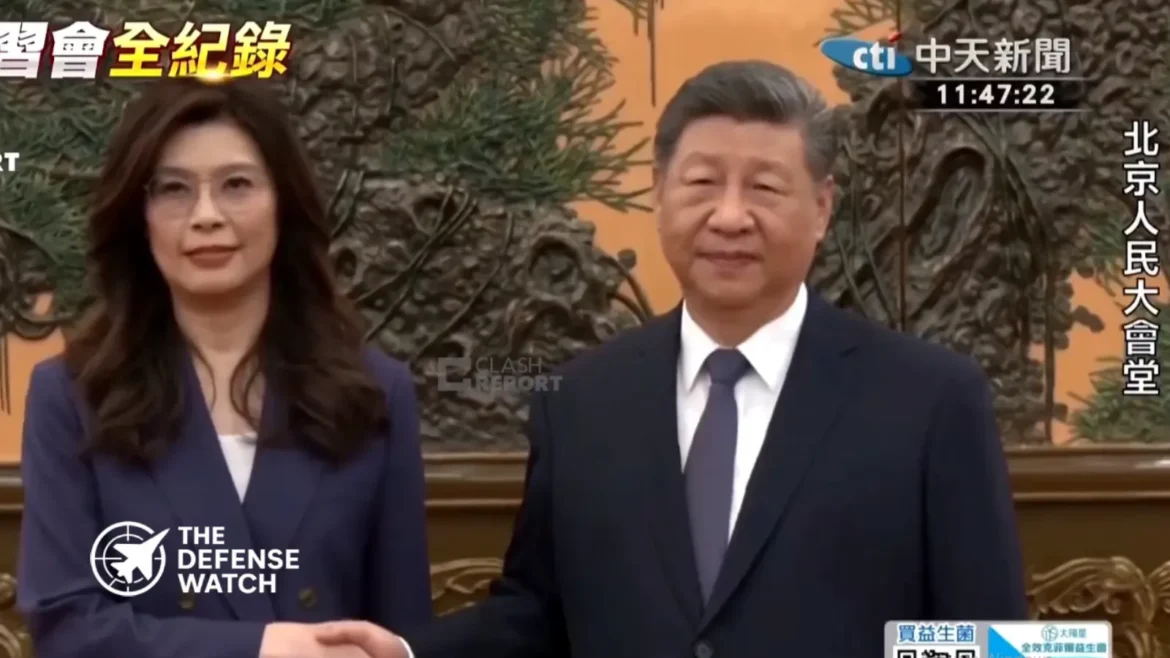
- Chinese President Xi Jinping met Taiwan opposition figure Cheng Li-wun in Beijing for cross-strait dialogue.
- Talks focused on reaffirming the 1992 Consensus and opposing Taiwan independence.
- Beijing emphasized peaceful development and long-term stability across the Taiwan Strait.
- The meeting highlights China’s continued engagement with Taiwan’s opposition parties.
- The move comes amid ongoing military tensions and geopolitical competition in the Indo-Pacific.
Xi Jinping Meets Taiwan Opposition Leader Amid Cross-Strait Tensions
The Xi Jinping Taiwan meeting marks a notable political engagement as Xi Jinping hosted Taiwanese opposition figure Cheng Li-wun in Beijing, signaling Beijing’s continued push to shape cross-strait relations through dialogue rather than confrontation.
According to official remarks, both sides framed the meeting as an effort to “safeguard peace and tranquility” and promote the “peaceful development” of ties between mainland China and Taiwan.
Xi reiterated Beijing’s long-standing position that engagement must be based on adherence to the 1992 Consensus, a political framework that acknowledges a single China while allowing differing interpretations.
Political Messaging Anchored In Strategic Stability
The Xi Jinping Taiwan meeting reflects a calibrated messaging strategy from Beijing. By engaging a Taiwanese opposition figure rather than current ruling authorities, China continues to bypass the leadership of Lai Ching-te, whose administration rejects the 1992 Consensus.
Xi emphasized three key pillars during the meeting:
- Opposition to Taiwan independence
- Promotion of cross-strait economic and social integration
- Framing reunification as part of national rejuvenation
This language aligns closely with broader Chinese Communist Party messaging that ties Taiwan’s future to long-term national strategy.
From a geopolitical perspective, the meeting underscores Beijing’s dual-track approach. While the People’s Liberation Army continues to conduct military exercises near the Taiwan Strait, political outreach remains active, particularly toward parties seen as more open to engagement.
Strategic Context: Diplomacy Alongside Military Pressure
The timing of the Xi Jinping Taiwan meeting is significant. It comes amid sustained military signaling in the region, including air and naval operations by China near Taiwan’s air defense identification zone.
Analysts note that Beijing often pairs such military activity with political messaging to create a layered pressure environment. This approach serves multiple objectives:
- Demonstrating military capability and readiness
- Reinforcing political narratives around inevitability of reunification
- Testing international responses, particularly from the United States and regional allies
According to assessments from organizations such as the Center for Strategic and International Studies, this blend of coercion and engagement is central to China’s long-term Taiwan strategy.
Implications For Regional Security And U.S. Interests
For U.S. defense planners, the Xi Jinping Taiwan meeting highlights the evolving nature of cross-strait competition. While military scenarios often dominate analysis, political influence operations and diplomatic outreach remain critical components.
The United States, under the framework of the Taiwan Relations Act, continues to support Taiwan’s self-defense capabilities. At the same time, Washington monitors political developments that could alter the status quo without direct military confrontation.
The meeting also reflects Beijing’s attempt to shape internal Taiwanese politics. By engaging opposition figures, China seeks to influence public discourse and potentially shift future electoral outcomes.
Cross-Strait Relations Enter A Complex Phase
The Xi Jinping Taiwan meeting illustrates a broader trend. Cross-strait relations are no longer defined solely by military deterrence or economic ties. Instead, they now operate across multiple domains:
- Political engagement
- Information influence
- Military signaling
- Economic leverage
This multi-domain competition complicates policy responses for regional actors.
While Beijing emphasizes peaceful development, its conditions remain unchanged. Any progress in dialogue is tied to acceptance of the 1992 Consensus, a position that continues to divide Taiwan’s political landscape.
Outlook
In the near term, the Xi Jinping Taiwan meeting is unlikely to produce immediate breakthroughs. However, it reinforces a pattern of selective engagement that could shape future cross-strait dynamics.
For defense and policy communities, the key takeaway is clear. Political signaling events like this should be assessed alongside military developments, not in isolation.
The trajectory of cross-strait relations will depend on how these parallel tracks evolve and whether they converge or diverge under rising geopolitical pressure in the Indo-Pacific.