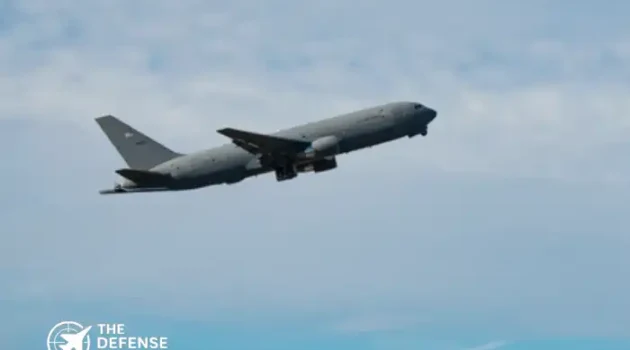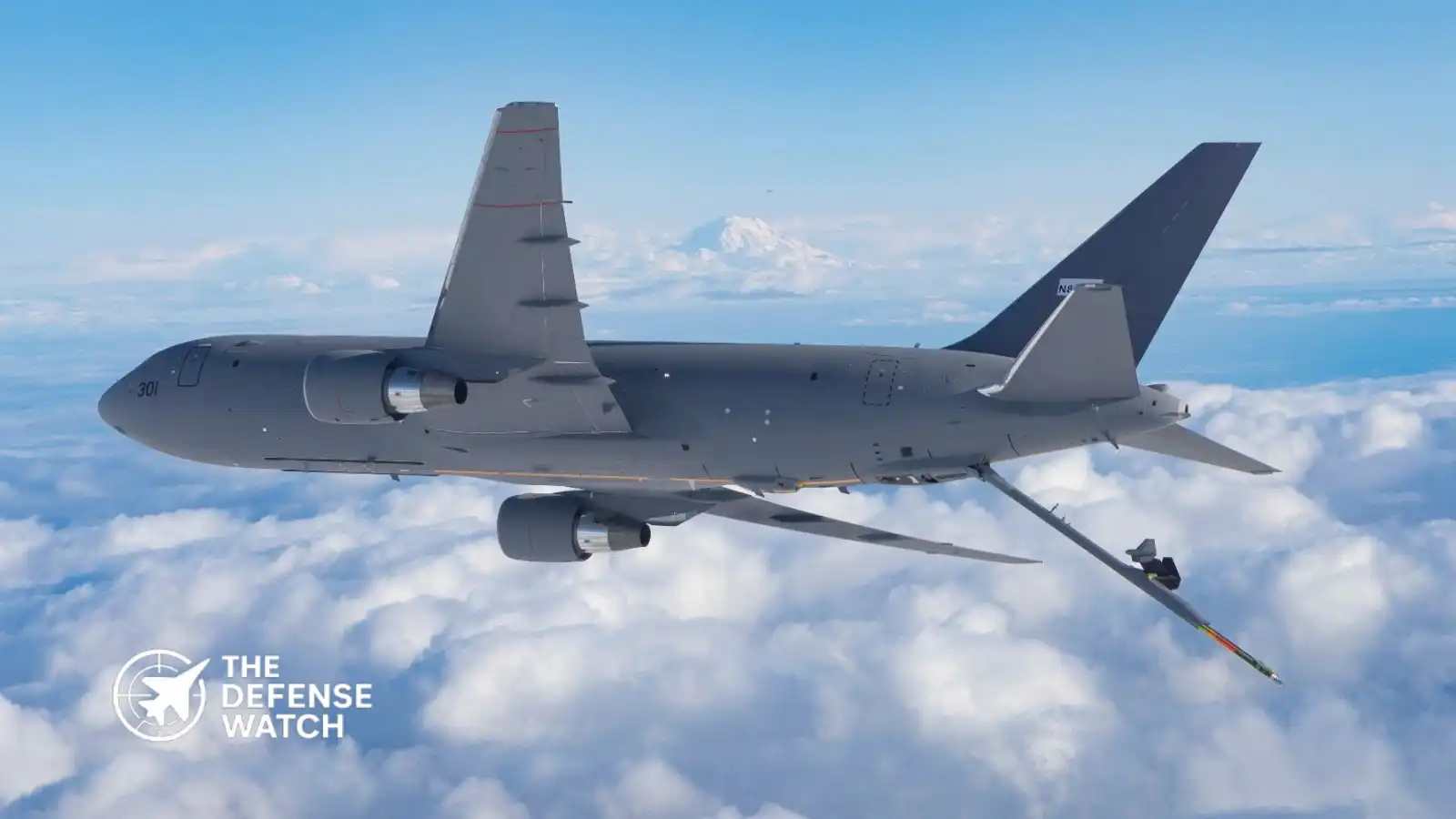
Executive Summary: The first Boeing KC-46A Pegasus, designated “Gideon” in Israeli service, successfully conducted its maiden sortie on May 5, 2026. This milestone marks a critical phase in the Israeli Air Force’s (IAF) efforts to replace its vintage KC-707 tankers and extend the operational reach of its strike groups amid escalating regional tensions.
Strategic Integration and Flight Testing
The inaugural flight, conducted at Boeing’s airfield in the United States, represents the first of six aircraft currently on order for the IAF. This maiden sortie validates the integration of Israeli-specific mission systems—including advanced indigenous electronic warfare (EW) suites and communication arrays—onto the standard 767-2C airframe.
The Israeli Ministry of Defense (MoD) confirmed that the aircraft is scheduled for delivery within one month, following final acceptance trials. The “Gideon” will serve as the backbone of Israel’s long-range logistics, providing the fuel capacity and defensive systems necessary for operations far beyond the nation’s borders.
Technical Comparison: Legacy vs. Next-Generation
The transition from the converted Boeing 707 (Re’em) to the KC-46A represents a generational leap in survivability and mission flexibility.
Enhanced Capabilities for the 21st Century
The KC-46A offers several force-multiplier advantages that the aging KC-707 and KC-130H fleets cannot match:
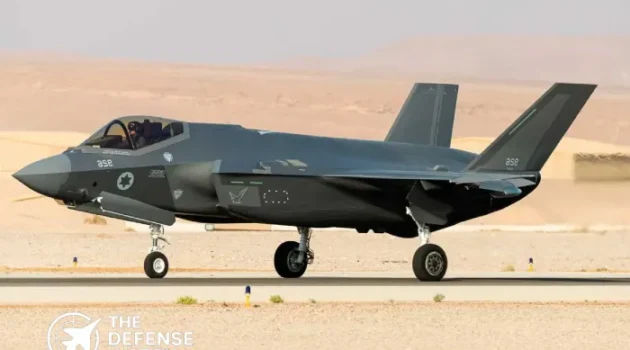
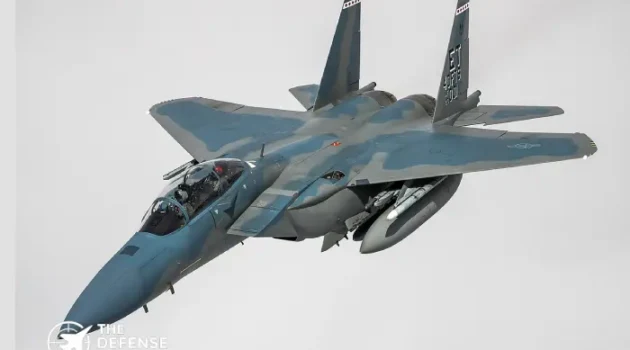
- Multi-Platform Compatibility: The “Gideon” is equipped with both the fly-by-wire refueling boom and the hose-and-drogue wing aerial refueling pods, allowing it to service the F-35I Adir, F-15IA, and various rotary-wing assets in a single mission.
- Survivability Suites: Unlike commercial conversions, the KC-46 is hardened against electromagnetic pulses (EMP) and features chemical-biological protection and advanced infrared countermeasures.
- Tactical Data Links: Integrated networking allows the tanker to act as a high-altitude data relay, bridging communications between fifth-generation fighters and ground command.
- Aeromedical Evacuation: The aircraft can be rapidly reconfigured to transport 54 passengers or 58 patients in a medevac role.
Strategic Context: Regional Deterrence
The maiden flight of the KC-46 occurs concurrently with the Israeli Ministerial Committee on Procurement’s approval to acquire two additional fighter squadrons: a fourth F-35I squadron and a second F-15IA (based on the F-15EX) squadron.
With an aging fleet of 13 primary tankers—many averaging nearly 50 years of service—the IAF’s long-range strike capability has faced increasing maintenance pressure. The introduction of the “Gideon” is widely viewed by defense analysts as a prerequisite for any potential long-range operations against hardened targets in the “Third Circle” (Iran). By significantly increasing the fuel offload available at distance, the KC-46 ensures that Israel’s fleet of 48 F-35I and 88 F-15 variants can maintain a persistent presence over distant theaters of operation.
Procurement Outlook
The US Government approved the sale of up to eight KC-46s in 2020, with Israel so far firming orders for six. The total value of the initial acquisition is estimated at $1.2 billion, funded primarily through Foreign Military Financing (FMF). Following the delivery of the first unit in June 2026, the remaining five aircraft are expected to be delivered through 2028, facilitating the phased retirement of the remaining KC-707 airframes.