Executive Summary:
German energy company SFC Energy has secured a record €42.7 million contract to supply hybrid fuel cell systems to Ukraine in 2026. The agreement reflects growing demand for resilient mobile power solutions supporting military, security, and critical infrastructure operations during ongoing regional conflict.
SFC Energy Wins Record Ukraine Hybrid Fuel Cell Contract
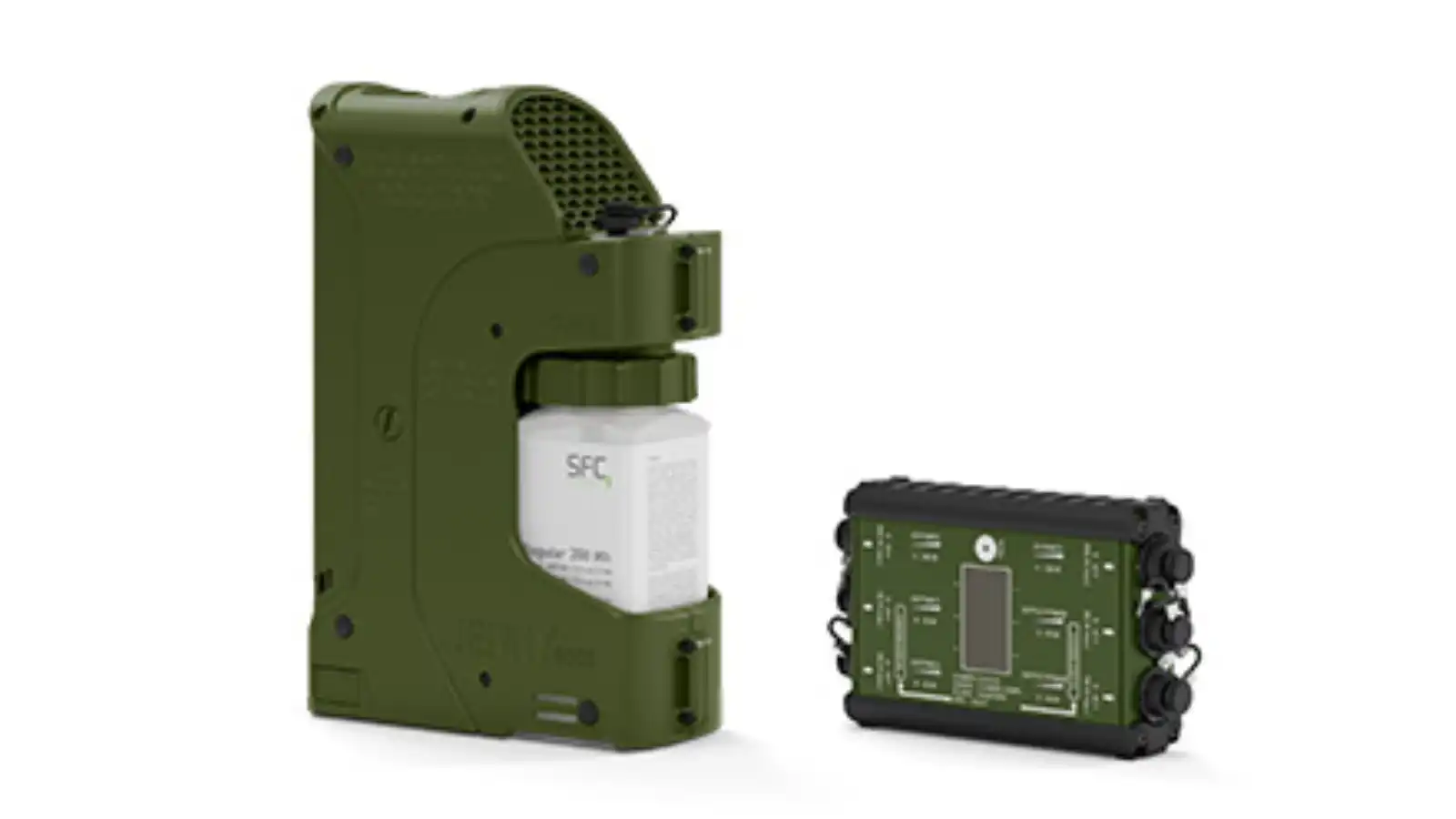
German firm SFC Energy has secured a record €42.7 million ($48 million) contract to deliver hybrid fuel cell and power management systems to Ukraine in 2026, marking the largest order in the company’s history.
The agreement was announced by SFC Energy. The systems are expected to support critical energy resilience requirements amid continued military operations and infrastructure pressure across Ukraine.
According to the company, the contract covers delivery of hybrid fuel cell systems combined with intelligent power management and energy storage technologies. The systems are designed to provide off-grid and backup electrical power for defense, security, and critical infrastructure applications.
SFC Energy did not disclose the specific end users or deployment locations inside Ukraine.
Growing Demand For Resilient Battlefield Power
The deal underscores a broader shift toward distributed and survivable energy systems in modern conflict zones. Military forces increasingly require low-signature, fuel-efficient power solutions capable of sustaining communications, sensors, surveillance equipment, and mobile command infrastructure without reliance on vulnerable centralized grids.
Hybrid fuel cell systems offer several operational advantages compared to traditional diesel generators. These include reduced acoustic and thermal signatures, lower maintenance demands, and longer autonomous operating periods. Such characteristics are increasingly valuable in contested environments where electronic surveillance and drone reconnaissance remain persistent threats.
Ukraine’s operational environment has accelerated interest in expeditionary energy systems across Europe and NATO-aligned defense industries. Since 2022, attacks on power infrastructure and logistics networks have forced both civilian agencies and military operators to prioritize decentralized energy resilience.
SFC Energy specializes in hydrogen and methanol fuel cell technologies, with products already used in defense, border security, remote surveillance, and industrial applications. The company has expanded its presence in European defense markets as armed forces seek alternative power solutions for mobile and unattended systems.
Hybrid Systems Support Broader Defense Modernization
While the contract announcement focused primarily on energy systems, the broader strategic relevance lies in how power generation has become a critical enabler for modern battlefield operations.
Advanced ISR systems, drone operations, electronic warfare platforms, and secure communications networks all require stable, deployable electrical power. As armed forces adopt more sensor-heavy and networked capabilities, energy reliability becomes increasingly tied to operational effectiveness.
The Ukraine conflict has highlighted this challenge across multiple domains. Frontline units often operate in dispersed formations while relying on portable electronics, counter-UAS systems, and tactical networking equipment. Conventional generators remain common, but their noise, fuel requirements, and maintenance burdens create vulnerabilities.
Hybrid fuel cell technology addresses some of these limitations by reducing fuel consumption and improving operational endurance. In practical terms, this can decrease resupply frequency while also lowering detectability in forward operating environments.
European defense firms are now investing more heavily in energy resilience technologies, including battery storage, hydrogen systems, portable microgrids, and renewable-integrated military power solutions. Analysts increasingly view battlefield energy as a strategic capability rather than a purely logistical requirement.
SFC Energy Expands European Defense Presence
The Ukraine agreement continues SFC Energy’s expansion within the defense and public security sectors. The company has previously supplied fuel cell systems to NATO member states and European security organizations for surveillance towers, remote sensors, and mobile communications support.
The latest contract may also reflect wider European industrial efforts to strengthen Ukraine’s long-term infrastructure resilience while supporting defense sustainment needs.
Although financial details beyond the contract value were not disclosed, the scale of the order indicates growing institutional demand for alternative military power technologies. The €42.7 million agreement substantially exceeds previous publicly announced contracts by the company.
The systems are scheduled for delivery throughout 2026.
Strategic Implications For European Defense Industry
The contract illustrates how non-kinetic technologies are becoming increasingly important within the European defense market. While much attention remains focused on missiles, armored vehicles, and air defense systems, supporting technologies such as energy infrastructure, logistics software, and autonomous power generation are also emerging as priority investment areas.
For Ukraine, resilient energy capabilities remain essential not only for military operations but also for maintaining continuity across communications, transportation, emergency response, and public services.
For European industry, the agreement demonstrates how defense demand is reshaping industrial production priorities well beyond conventional weapons manufacturing.