Executive Summary:
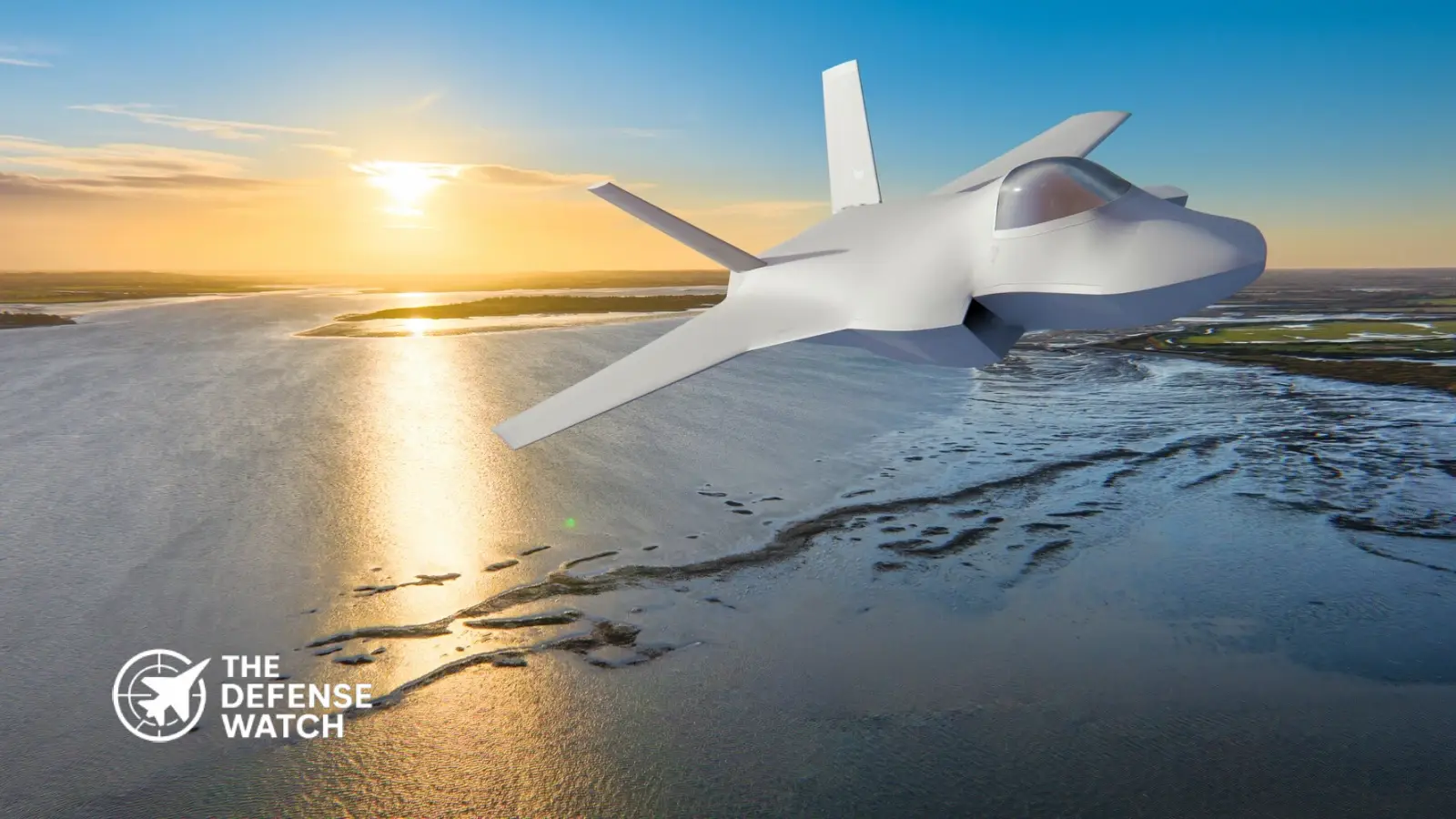
The UK Ministry of Defence has confirmed that the Tempest Combat Air Flying Demonstrator is expected to begin testing key capabilities by mid 2028. While officials did not provide a firm maiden flight date, the demonstrator remains a central technology risk reduction platform supporting the UK, Italy, and Japan’s Global Combat Air Programme (GCAP) scheduled to deliver an operational sixth generation fighter from 2035.
Tempest Demonstrator Enters Next Phase Of Development
The Tempest demonstrator is expected to begin testing critical technologies by mid 2028, according to a written parliamentary response from the UK Ministry of Defence. The update provides the clearest official indication yet of the next major milestone for Britain’s first domestically developed supersonic combat aircraft in more than four decades.
Responding to a parliamentary question from Shadow Defence Secretary James Cartlidge, Minister for Defence Readiness and Industry Luke Pollard stated:
The Combat Air Flying Demonstrator is expected to begin testing key capabilities by mid 2028. The timing of the first flight will be confirmed closer to the milestone to ensure maximum value is delivered in support of GCAP development.
The ministry stopped short of announcing a specific first flight date, despite previous public statements indicating the demonstrator was expected to fly during 2027.
No Official Delay Confirmed
Although the latest statement references capability testing beginning by mid 2028, it does not necessarily represent a formal schedule delay.
Industry reporting over the past year has consistently indicated that:
- Aircraft assembly is well advanced.
- Rollout remains targeted around late 2027.
- Ground testing would precede the maiden flight.
- Flight trials would gradually expand into broader capability demonstrations.
As a result, a late 2027 rollout followed by extensive ground qualification and an early 2028 first flight remains broadly compatible with the government’s latest statement.
First British Supersonic Combat Demonstrator In Four Decades
The Combat Air Flying Demonstrator represents Britain’s first crewed supersonic combat aircraft development program since the Experimental Aircraft Programme (EAP), which helped pave the way for the Eurofighter Typhoon.
The aircraft is not intended to become an operational fighter. Instead, it serves as a technology demonstrator designed to validate critical systems before they are incorporated into the production aircraft under the Global Combat Air Programme.
According to BAE Systems and the Ministry of Defence, planned evaluations include:
Capability Purpose Low observable technologies Validate stealth design techniques Internal weapons bay Test missile carriage and release Flight control systems Evaluate handling and software integration Digital engineering methods Accelerate future aircraft development Pilot-machine interface Support sixth generation combat concepts The demonstrator is powered by twin Eurojet EJ200 engines and incorporates advanced digital design methods intended to shorten development timelines for future combat aircraft.
Supporting The Global Combat Air Programme
Although the demonstrator is a UK national project, its findings will directly support the Global Combat Air Programme (GCAP), the trilateral effort involving the United Kingdom, Italy, and Japan.
GCAP aims to field a sixth generation combat aircraft beginning in 2035, replacing:
- Royal Air Force Eurofighter Typhoon aircraft
- Italian Air Force Typhoons
- Japan Air Self-Defense Force Mitsubishi F-2 fighters
The program recently entered another major phase after the award of a multibillion pound development contract to Edgewing, the industrial joint venture established by BAE Systems, Leonardo, and Japan Aircraft Industrial Enhancement Company.
Why The Demonstrator Matters
Unlike traditional prototype aircraft, the Tempest demonstrator is primarily intended to reduce technical and manufacturing risk before the operational aircraft enters full-scale development.
Engineers are using the platform to validate:
- Digital engineering techniques
- Advanced flight control software
- Composite manufacturing methods
- Stealth shaping
- Systems integration
- Human-machine teaming concepts
The program also allows developers to compare digital simulations with real-world flight data, improving confidence before committing to production designs. This approach reflects a broader shift toward model-based engineering that is increasingly used across advanced aerospace programs.
For GCAP partners, reducing technical uncertainty early is particularly important because the aircraft must integrate next generation sensors, electronic warfare systems, artificial intelligence-enabled mission management, and future weapons while remaining adaptable throughout its planned service life into the 2070s.
Strategic Importance Beyond The United Kingdom
The demonstrator’s progress has implications extending beyond British aerospace.
GCAP is one of only a handful of sixth generation fighter programs currently under active development worldwide, alongside the U.S. Next Generation Air Dominance effort and Europe’s Future Combat Air System.
Maintaining progress on the demonstrator helps preserve schedule confidence for the broader multinational program while strengthening industrial cooperation between the UK, Italy, and Japan. It also sustains advanced combat aircraft design expertise within the British aerospace sector, an industrial capability not exercised on a wholly new crewed combat aircraft since the Typhoon development era.
Although officials have not confirmed when the demonstrator will conduct its maiden flight, the latest parliamentary statement indicates that capability testing, rather than a single flight milestone, is now the government’s principal benchmark for measuring progress toward GCAP’s 2035 operational objective.