Executive Summary:
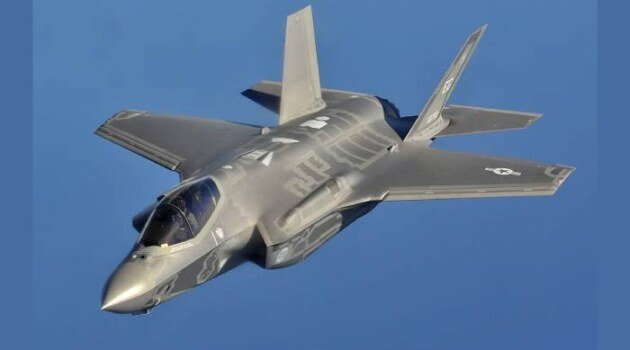
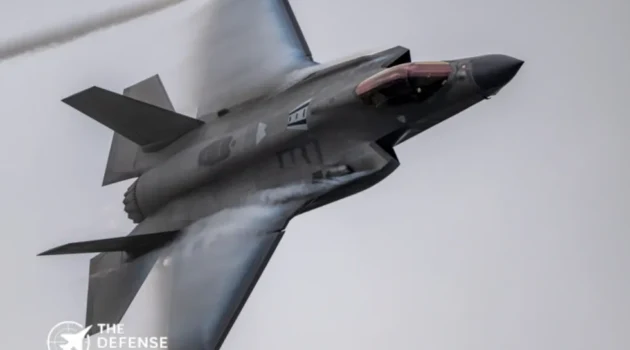
The United Kingdom has confirmed that its next procurement of F 35 fighter aircraft will include the Royal Air Force’s first F 35A conventional takeoff and landing variants. The decision forms part of the 2026 Defence Investment Plan, which combines new combat aircraft procurement with broader investments in Typhoon upgrades, autonomous combat aircraft, and NATO focused air power modernization.
UK Defence Investment Plan Confirms First RAF F 35A Fighters
The UK Defence Investment Plan formally confirms that the Royal Air Force will receive its first F 35A Lightning II aircraft as part of the next batch of F 35 procurements, marking a significant evolution in British combat aviation. The announcement was made within the government’s 2026 Defence Investment Plan, which outlines approximately £298 billion in defence spending over the next four years.
Rather than presenting the acquisition as an isolated aircraft purchase, the Ministry of Defence positions the new F 35 order within a broader modernization strategy aimed at strengthening NATO deterrence, expanding British air combat capability, and supporting domestic defence industry participation.
According to the plan, the first F 35A aircraft are expected to enter RAF service during the early 2030s.
F 35A Expands Britain’s Role Within NATO
Unlike the F 35B currently operated jointly by the Royal Air Force and Royal Navy, the F 35A is a conventional runway based fighter offering greater range, higher payload capacity, and lower operating costs.
Perhaps more strategically important, the aircraft enables Britain to participate in NATO’s Dual Capable Aircraft (DCA) mission, allowing certified allied aircraft to support the Alliance’s nuclear deterrence mission during a crisis. The RAF has not maintained an air delivered nuclear role since the retirement of its sovereign tactical nuclear weapons after the Cold War.
The Defence Investment Plan directly links the F 35A acquisition with wider investments in the UK’s Defence Nuclear Enterprise, which will receive more than £20 billion in additional funding over the next four years compared with the previous spending cycle.
Aircraft Modernization Extends Beyond The F 35
The F 35 procurement represents only one component of a broader transformation of British combat aviation.
The investment plan also includes:
Program Investment Purpose Typhoon modernization More than £1.1 billion Sustain and upgrade Eurofighter fleet into the 2040s Collaborative Combat Aircraft £300 million Develop autonomous wingmen supporting manned fighters Global Combat Air Programme (GCAP) £8.6 billion Develop sixth generation combat aircraft with Italy and Japan Additional F 35 procurement Not disclosed Expand fifth generation combat capability Government planners envision these capabilities operating as an integrated force combining fourth generation Typhoons, fifth generation F 35 variants, autonomous aircraft, and the future GCAP sixth generation platform.
Why The F 35A Matters More Than Simply Buying More Fighters
The decision to introduce the F 35A reflects a shift in how Britain intends to employ air power over the next decade.
The RAF currently operates the short takeoff and vertical landing F 35B, which is optimized for operations from the Royal Navy’s Queen Elizabeth class aircraft carriers. While this variant provides exceptional expeditionary flexibility, the conventional F 35A offers several operational advantages for land based missions.
These include:
- Longer combat radius
- Larger internal fuel capacity
- Increased weapons payload
- Lower operating and maintenance costs
- Greater compatibility with most European F 35 operators
These characteristics make the F 35A particularly well suited for sustained NATO air operations across Europe while allowing carrier capable F 35Bs to remain focused on maritime expeditionary missions.
This emerging division of labor could improve overall fleet readiness while reducing pressure on Britain’s existing Lightning Force.
Industrial Benefits Remain Central To Procurement Strategy
The Defence Investment Plan also emphasizes the industrial impact of continued F 35 procurement.
The United Kingdom remains the largest international industrial partner in the multinational F 35 program, with British companies manufacturing critical airframe structures, avionics, electronic warfare systems, and propulsion components.
Government officials describe additional aircraft purchases as supporting thousands of highly skilled aerospace jobs while reinforcing Britain’s long term position within one of the world’s largest combat aircraft production programs.
This industrial dimension aligns with the government’s broader “Backing British” strategy, which links defence procurement with domestic manufacturing, technology development, and workforce investment.
Strategic Analysis
The introduction of the F 35A represents more than a fleet expansion. It reflects a gradual rebalancing of British air power as NATO shifts toward higher readiness in response to Europe’s changing security environment.
From an operational standpoint, adding conventional F 35As provides greater flexibility across the RAF. Carrier capable F 35Bs remain essential for maritime strike operations, while the F 35A offers a more economical platform for land based missions, pilot training, and NATO integration.
Equally significant is the aircraft’s role within Britain’s evolving deterrence posture. By preparing to join NATO’s Dual Capable Aircraft mission, London strengthens alliance burden sharing while complementing its existing submarine based nuclear deterrent rather than replacing it.
The investment plan also illustrates that Britain is pursuing a layered modernization strategy instead of relying on a single aircraft program. Continued Typhoon upgrades preserve current combat capability, additional F 35s enhance fifth generation readiness, autonomous Collaborative Combat Aircraft introduce new force multiplying concepts, and GCAP is intended to deliver sixth generation capabilities in the 2035 timeframe.
For U.S. and NATO planners, Britain’s approach reinforces interoperability across allied air forces while ensuring that future combat operations can integrate stealth aircraft, autonomous systems, advanced sensors, and networked targeting into a single operational framework.