Raytheon awarded $1.025 billion LTAMDS contract modification
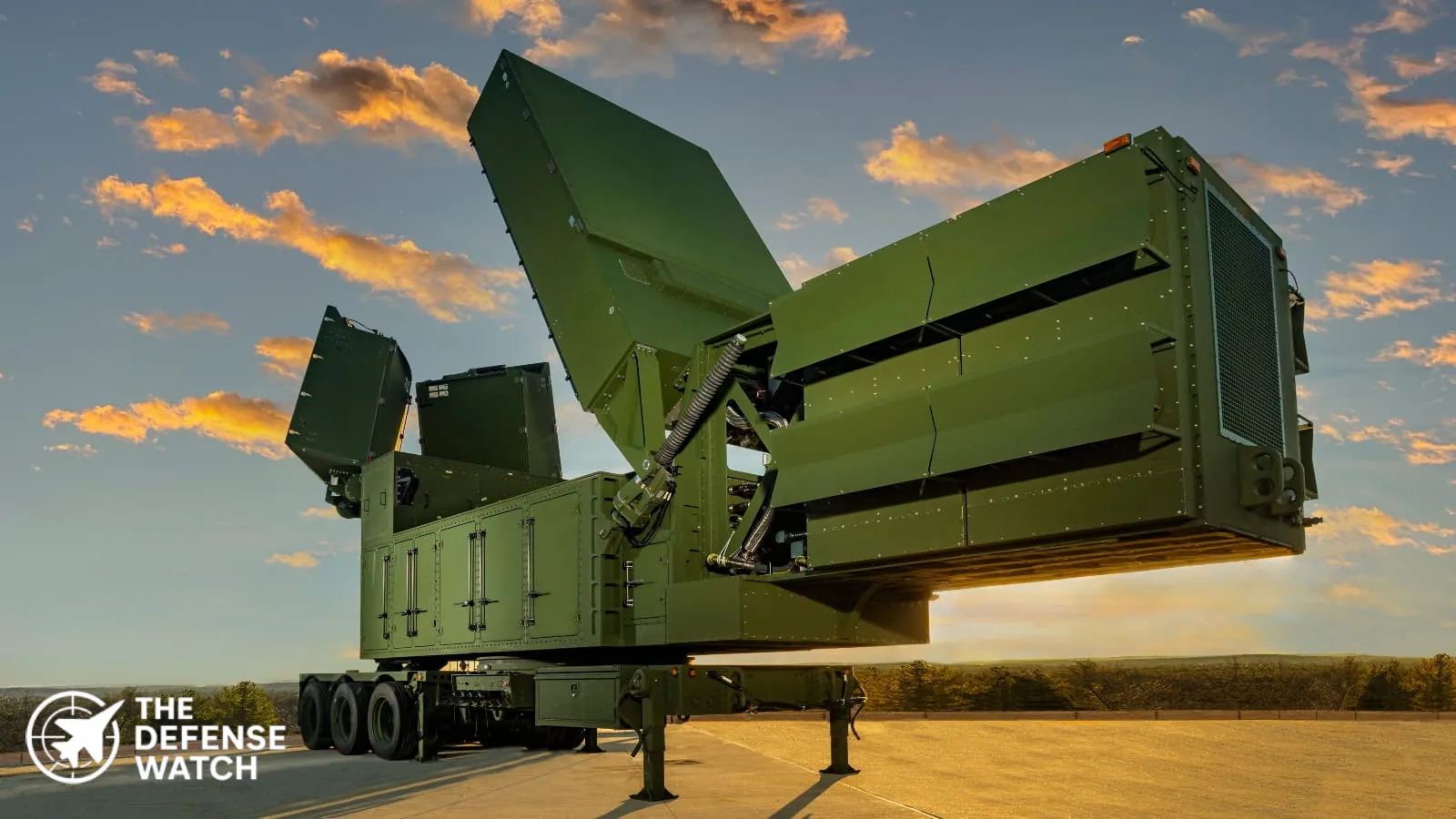
Lower Tier Air and Missile Defense Sensor production took a major step forward as Raytheon, based in Andover, Massachusetts, received a $1.025 billion contract modification from the U.S. Army to support Year Two production requirements.
The modification, identified as P00013 to contract W31P4Q-24-C-0024, brings the total cumulative value of the LTAMDS contract to $1.025 billion. The award reflects continued Army investment in next generation air and missile defense sensors designed to counter advanced ballistic and cruise missile threats.
According to official U.S. Department of Defense contracting announcements, work under the contract will be performed in Andover, Massachusetts, with an estimated completion date of March 31, 2030. Fiscal year 2026 other procurement, Army funds totaling $254,571,432 were obligated at the time of award. The Army Contracting Command at Redstone Arsenal, Alabama, is the contracting activity.
Strengthening the Armys next generation missile defense architecture
The Lower Tier Air and Missile Defense Sensor is a core element of the U.S. Army’s Integrated Air and Missile Defense architecture. LTAMDS is designed to replace and complement the legacy Patriot radar by providing 360 degree coverage, improved target discrimination, and greater resistance to electronic attack.
Raytheon’s LTAMDS radar uses active electronically scanned array technology built with gallium nitride components. This design allows higher power output, improved reliability, and the ability to track multiple threats at extended ranges. The system is intended to support current and future interceptors, including Patriot Advanced Capability interceptors and emerging missile defense weapons.
Army officials have repeatedly stated that LTAMDS is critical to countering evolving threats from peer and near peer adversaries, including maneuvering ballistic missiles, low flying cruise missiles, and unmanned aerial systems. The Year Two production award signals the program’s transition from development and testing into sustained production.
Contract details and funding profile
The $1.025 billion modification covers Year Two production requirements for the LTAMDS program. While the Department of Defense did not disclose the exact number of radar sets included, previous budget documents indicate the Army plans to procure LTAMDS units in phases, supporting fielding to multiple air defense battalions.
Of the total contract value, more than $254 million in fiscal 2026 Army procurement funding was obligated immediately. Additional funding is expected to be applied through future budget cycles as production continues through the end of the decade.
All contract work will take place in Andover, Massachusetts, reinforcing Raytheon’s long standing role as a key supplier of U.S. missile defense radar systems. The scheduled completion date of March 31, 2030 aligns with Army plans to field LTAMDS across operational units over several years.
Role of Raytheon in U.S. missile defense modernization
Raytheon has been a central player in U.S. air and missile defense for decades, with major programs including Patriot, AN TPY-2, and early warning radar systems. The Lower Tier Air and Missile Defense Sensor builds on this experience while introducing a new architecture tailored for modern threat environments.
The company successfully completed key LTAMDS testing milestones in recent years, including live missile tracking and integration with existing command and control systems. Army leadership has highlighted the radar’s ability to see threats from any direction, a limitation of earlier systems that relied on sector focused coverage.
By awarding the Year Two production contract, the Army is signaling confidence in the system’s maturity and its ability to meet operational needs. The award also supports industrial base stability for advanced radar manufacturing within the United States.
Strategic importance of LTAMDS for the U.S. Army
Air and missile defense has become a top modernization priority for the U.S. Army as global threat environments grow more complex. Conflicts in recent years have demonstrated the effectiveness of ballistic missiles, cruise missiles, and drones against fixed and mobile targets.
LTAMDS is designed to operate as part of a networked defense system, sharing data with other sensors and shooters across joint and allied forces. This approach improves situational awareness and allows commanders to respond faster to incoming threats.
The radar’s open architecture is intended to support future upgrades, ensuring the system remains relevant as new threats emerge. Army officials have described LTAMDS as a foundational sensor that will anchor lower tier missile defense for decades.
Oversight and contracting authority
The Army Contracting Command at Redstone Arsenal, Alabama, manages the LTAMDS contract. Redstone Arsenal serves as the Army’s center for missile and aviation acquisition, providing technical oversight and program management for many of the service’s most complex systems.
By structuring the LTAMDS award as a multi year contract with incremental modifications, the Army retains flexibility to adjust procurement quantities and funding based on operational needs and congressional appropriations.
Outlook for LTAMDS production and fielding
With Year Two production now under contract, the LTAMDS program is expected to continue ramping up manufacturing through the latter half of the decade. Initial operational units are anticipated to receive the radar as legacy systems are phased out or supplemented.
The sustained investment reflected in the $1.025 billion contract underscores the importance of the Lower Tier Air and Missile Defense Sensor within the broader U.S. missile defense strategy. As the Army prepares for high end conflict scenarios, advanced sensors like LTAMDS will play a decisive role in protecting forces and critical assets.