(adsbygoogle = window.adsbygoogle || []).push({});Executive Summary:
Poland’s state owned defense group, Polska Grupa Zbrojeniowa (PGZ), is examining options to provide maintenance, repair, and technical support for Ukraine’s F 16 and MiG 29 fighter aircraft. The initiative reflects a broader shift toward long term defense industrial cooperation designed to sustain Ukraine’s combat aviation capabilities while strengthening NATO’s regional maintenance infrastructure.
Ukraine’s Fighter Fleet Could Gain New Maintenance Support From Poland
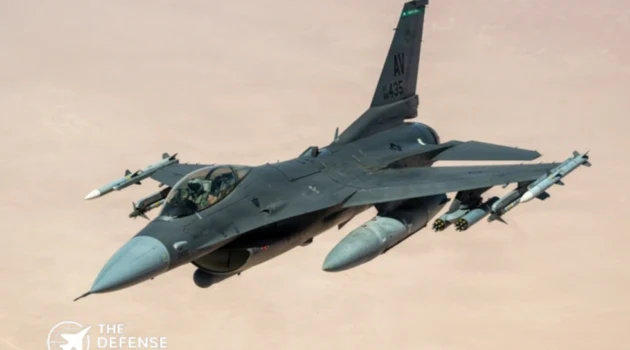
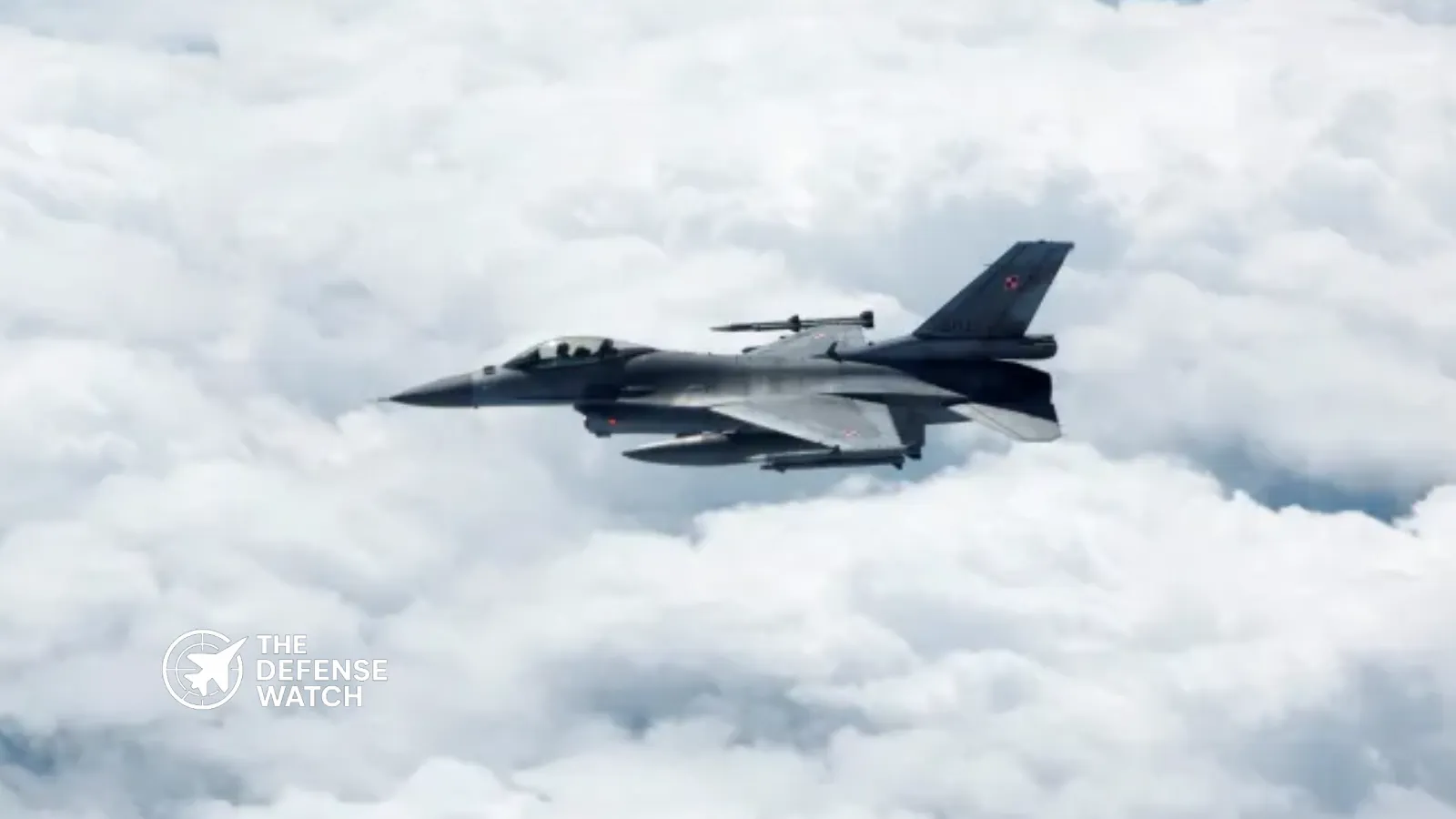
Poland’s defense industry is preparing to play a larger role in sustaining Ukraine’s combat aviation as Polska Grupa Zbrojeniowa (PGZ) evaluates providing repair, maintenance, and servicing for Ukrainian operated F 16 and MiG 29 fighter aircraft. The proposal was outlined by PGZ President Adam Leszkiewicz during an interview discussing ongoing defense cooperation between Polish and Ukrainian industry.
According to PGZ, discussions extend beyond supplying military equipment and focus on long term industrial cooperation that can improve aircraft availability throughout the war. Several companies within the PGZ group are already cooperating with Ukrainian defense manufacturers on other military programs.
The latest proposal comes as Ukraine operates an increasingly diverse fighter fleet that includes both legacy Soviet aircraft and Western supplied F 16s, creating growing demand for depot level maintenance and specialized repair capacity.
(adsbygoogle = window.adsbygoogle || []).push({});Building On Existing Polish Ukrainian Defense Cooperation
Military cooperation between Warsaw and Kyiv has expanded considerably since Russia’s full scale invasion of Ukraine.
Earlier cooperation centered largely on land systems, including deliveries of Krab self propelled howitzers and other military equipment manufactured by PGZ subsidiaries. Company officials now indicate that aviation support represents the next stage of bilateral industrial cooperation.
The company says current discussions involve:
Area Potential Support F 16 fighters Repair, maintenance, technical servicing MiG 29 fighters Maintenance, overhaul, sustainment Industrial cooperation Joint work between Polish and Ukrainian defense firms Future capabilities Expanded aviation support infrastructure While no formal contract has been announced, the discussions illustrate Poland’s interest in supporting Ukraine through industrial capabilities rather than solely through equipment transfers.
atOptions = { ‘key’ : ‘e7d18db8b7513fb2a224cf4c3f18bbf0’, ‘format’ : ‘iframe’, ‘height’ : 90, ‘width’ : 728, ‘params’ : {} };Why Fighter Maintenance Has Become Strategically Important
Keeping combat aircraft operational has become almost as important as delivering new aircraft.
Ukraine now flies multiple aircraft types obtained from different international partners. Each platform requires unique maintenance procedures, spare parts inventories, inspection schedules, software support, and certified repair facilities.
Unlike routine servicing performed at operational air bases, deep maintenance often requires specialized industrial facilities capable of:
- Structural inspections
- Airframe repairs
- Engine overhauls
- Avionics integration
- Component refurbishment
- Long term sustainment planning
Establishing those capabilities inside Poland offers several advantages. Aircraft can be serviced outside immediate combat zones while remaining relatively close to Ukrainian operating bases, reducing logistics timelines compared with sending aircraft farther into Europe.
For NATO members supporting Ukraine, this also distributes sustainment responsibilities across allied industrial networks rather than relying on individual donor countries.
(adsbygoogle = window.adsbygoogle || []).push({});Supporting Both Western And Soviet Era Fighters
One notable aspect of PGZ’s proposal is its inclusion of both F 16 and MiG 29 aircraft.
Ukraine continues operating upgraded MiG 29 fighters alongside newly introduced F 16s supplied by European partners. Although the aircraft belong to different technological generations and logistical ecosystems, both remain central to Ukraine’s air defense and tactical strike missions.
Supporting both fleets allows maintenance providers to help Ukraine manage a transitional period in which Soviet era fighters continue flying while Western aircraft gradually assume larger operational roles.
This dual fleet creates additional complexity because maintenance personnel must support different engines, avionics architectures, weapons integration standards, and supply chains.
Industrial Cooperation May Deliver Long Term Benefits
Beyond immediate wartime requirements, PGZ’s proposal reflects a broader trend toward integrating Ukrainian defense production with European industry.
Since 2022, Ukraine has accumulated extensive operational experience maintaining aircraft under wartime conditions, while Polish industry possesses mature production facilities and established relationships with NATO suppliers.
Combining those strengths could produce several long term advantages:
- Improved regional maintenance capacity
- Faster aircraft turnaround times
- Shared technical expertise
- Stronger European defense industrial resilience
- Reduced dependence on distant maintenance facilities
Such cooperation aligns with wider European efforts to strengthen defense production and sustainment capabilities following increased demand generated by the war in Ukraine.
Strategic Implications
Although fighter transfers often dominate headlines, long term sustainment may ultimately prove equally important.
Modern combat aircraft spend significant time undergoing inspections, repairs, and component replacement. Without reliable maintenance infrastructure, even advanced fighters experience declining readiness regardless of combat performance.
For Ukraine, expanding maintenance capacity could improve aircraft availability while preserving valuable pilot training investments.
For Poland, supporting Ukrainian fighter sustainment enhances its role as one of NATO’s principal defense industrial hubs on the alliance’s eastern flank. The initiative also complements Warsaw’s broader military modernization program, which includes expanding domestic aerospace maintenance capabilities alongside procurement of new Western combat aircraft.
If formal agreements are reached, the effort would represent another step in shifting support for Ukraine from emergency equipment transfers toward enduring industrial partnerships capable of sustaining military operations over the long term.