

Executive Summary:
The United Kingdom has confirmed that its next procurement of F 35 fighter aircraft will include the Royal Air Force’s first F 35A conventional takeoff and landing variants. The decision forms part of the 2026 Defence Investment Plan, which combines new combat aircraft procurement with broader investments in Typhoon upgrades, autonomous combat aircraft, and NATO focused air power modernization.
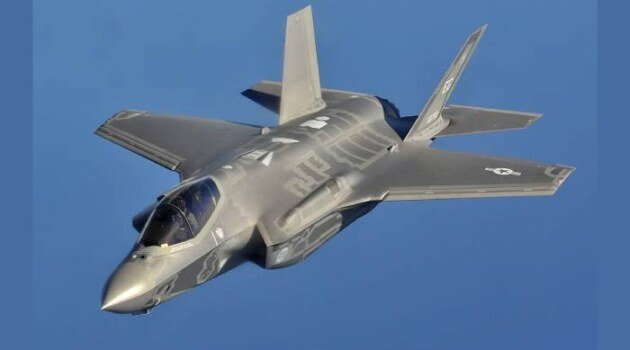
UK Defence Investment Plan Confirms First RAF F 35A Fighters
The UK Defence Investment Plan formally confirms that the Royal Air Force will receive its first F 35A Lightning II aircraft as part of the next batch of F 35 procurements, marking a significant evolution in British combat aviation. The announcement was made within the government’s 2026 Defence Investment Plan, which outlines approximately £298 billion in defence spending over the next four years.
Rather than presenting the acquisition as an isolated aircraft purchase, the Ministry of Defence positions the new F 35 order within a broader modernization strategy aimed at strengthening NATO deterrence, expanding British air combat capability, and supporting domestic defence industry participation.
According to the plan, the first F 35A aircraft are expected to enter RAF service during the early 2030s.
F 35A Expands Britain’s Role Within NATO
Unlike the F 35B currently operated jointly by the Royal Air Force and Royal Navy, the F 35A is a conventional runway based fighter offering greater range, higher payload capacity, and lower operating costs.
Perhaps more strategically important, the aircraft enables Britain to participate in NATO’s Dual Capable Aircraft (DCA) mission, allowing certified allied aircraft to support the Alliance’s nuclear deterrence mission during a crisis. The RAF has not maintained an air delivered nuclear role since the retirement of its sovereign tactical nuclear weapons after the Cold War.
The Defence Investment Plan directly links the F 35A acquisition with wider investments in the UK’s Defence Nuclear Enterprise, which will receive more than £20 billion in additional funding over the next four years compared with the previous spending cycle.
Aircraft Modernization Extends Beyond The F 35
The F 35 procurement represents only one component of a broader transformation of British combat aviation.
The investment plan also includes:
Program Investment Purpose Typhoon modernization More than £1.1 billion Sustain and upgrade Eurofighter fleet into the 2040s Collaborative Combat Aircraft £300 million Develop autonomous wingmen supporting manned fighters Global Combat Air Programme (GCAP) £8.6 billion Develop sixth generation combat aircraft with Italy and Japan Additional F 35 procurement Not disclosed Expand fifth generation combat capability Government planners envision these capabilities operating as an integrated force combining fourth generation Typhoons, fifth generation F 35 variants, autonomous aircraft, and the future GCAP sixth generation platform.
Why The F 35A Matters More Than Simply Buying More Fighters
The decision to introduce the F 35A reflects a shift in how Britain intends to employ air power over the next decade.
The RAF currently operates the short takeoff and vertical landing F 35B, which is optimized for operations from the Royal Navy’s Queen Elizabeth class aircraft carriers. While this variant provides exceptional expeditionary flexibility, the conventional F 35A offers several operational advantages for land based missions.
These include:
- Longer combat radius
- Larger internal fuel capacity
- Increased weapons payload
- Lower operating and maintenance costs
- Greater compatibility with most European F 35 operators
These characteristics make the F 35A particularly well suited for sustained NATO air operations across Europe while allowing carrier capable F 35Bs to remain focused on maritime expeditionary missions.
This emerging division of labor could improve overall fleet readiness while reducing pressure on Britain’s existing Lightning Force.
Industrial Benefits Remain Central To Procurement Strategy
The Defence Investment Plan also emphasizes the industrial impact of continued F 35 procurement.
The United Kingdom remains the largest international industrial partner in the multinational F 35 program, with British companies manufacturing critical airframe structures, avionics, electronic warfare systems, and propulsion components.
Government officials describe additional aircraft purchases as supporting thousands of highly skilled aerospace jobs while reinforcing Britain’s long term position within one of the world’s largest combat aircraft production programs.
This industrial dimension aligns with the government’s broader “Backing British” strategy, which links defence procurement with domestic manufacturing, technology development, and workforce investment.
Strategic Analysis
The introduction of the F 35A represents more than a fleet expansion. It reflects a gradual rebalancing of British air power as NATO shifts toward higher readiness in response to Europe’s changing security environment.
From an operational standpoint, adding conventional F 35As provides greater flexibility across the RAF. Carrier capable F 35Bs remain essential for maritime strike operations, while the F 35A offers a more economical platform for land based missions, pilot training, and NATO integration.
Equally significant is the aircraft’s role within Britain’s evolving deterrence posture. By preparing to join NATO’s Dual Capable Aircraft mission, London strengthens alliance burden sharing while complementing its existing submarine based nuclear deterrent rather than replacing it.
The investment plan also illustrates that Britain is pursuing a layered modernization strategy instead of relying on a single aircraft program. Continued Typhoon upgrades preserve current combat capability, additional F 35s enhance fifth generation readiness, autonomous Collaborative Combat Aircraft introduce new force multiplying concepts, and GCAP is intended to deliver sixth generation capabilities in the 2035 timeframe.
For U.S. and NATO planners, Britain’s approach reinforces interoperability across allied air forces while ensuring that future combat operations can integrate stealth aircraft, autonomous systems, advanced sensors, and networked targeting into a single operational framework.
Executive Summary
NATO’s Ramstein Flag 26 exercise demonstrated the ability of U.S. Air Force F-35A fighters and allied fifth-generation aircraft to conduct distributed combat operations across Europe. The exercise involved more than 200 aircraft from 18 nations and tested critical capabilities including integrated air and missile defense, intelligence sharing, and Agile Combat Employment across NATO’s northern and southern regions.
F-35A Demonstrates Long-Range NATO Combat Reach Across Europe
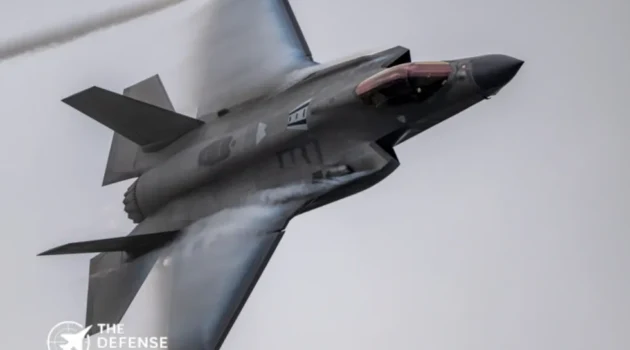
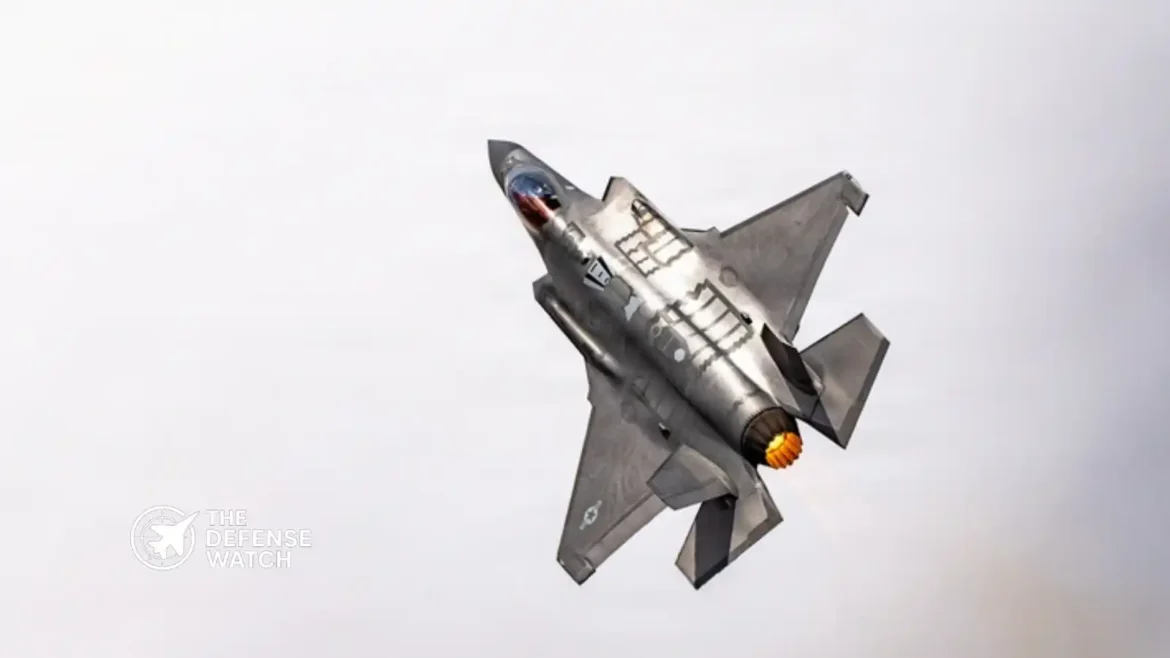
The F-35A Lightning II took center stage during NATO’s Ramstein Flag 26 exercise as aircraft from the U.S. Air Force’s 48th Fighter Wing operated alongside allied fifth-generation fighter fleets across a vast European battlespace.
According to NATO Allied Air Command and U.S. Air Force officials, the exercise ran from June 8 to June 19 and involved more than 200 aircraft operating from over 20 locations across 12 countries, stretching from Norway to Spain. The large-scale event was designed to validate NATO’s ability to generate combat airpower across dispersed locations while maintaining operational coordination in a high-threat environment.
At Pirkkala Air Base in Finland, more than 200 personnel from the 48th Fighter Wing’s 493rd Fighter Squadron deployed with F-35A aircraft to participate in the exercise. The deployment formed part of NATO’s broader effort to integrate advanced airpower capabilities across the alliance’s northern flank.
Ramstein Flag 26 Tests NATO’s Distributed Airpower Model
Ramstein Flag has evolved into one of NATO’s premier operational air exercises. In 2026, it became the first edition planned and executed under direct leadership of NATO Allied Air Command, reflecting the alliance’s growing emphasis on integrated multinational operations.
The exercise brought together F-35 operators from the United States, Denmark, Italy, and Norway. Additional allied aircraft, airborne surveillance platforms, and remotely piloted systems participated in complex missions focused on collective defense.
Key exercise objectives included:
Mission Area Operational Purpose Integrated Air and Missile Defense (IAMD) Coordinating air and missile defense across allied forces Intelligence and Data Sharing Enhancing real-time information exchange Counter Anti-Access/Area Denial (C-A2AD) Defeating enemy air defense networks Agile Combat Employment (ACE) Sustaining combat operations from dispersed locations Multinational Interoperability Integrating aircraft and command systems across NATO During peak operations, NATO reported more than 120 aircraft flying simultaneously and generating over 150 sorties daily.
Why The F-35A Was Central To The Exercise
The F-35’s role extended beyond traditional fighter missions.
NATO officials emphasized that the aircraft’s advanced sensors, secure data-sharing capabilities, and survivability features allow it to function as a critical node within a larger allied combat network. Rather than operating independently, F-35s distribute targeting and threat information to other aircraft, commanders, and air defense systems.
This network-centric approach is increasingly important as NATO prepares for potential high-intensity conflicts involving advanced air defense systems and long-range precision weapons.
The exercise specifically evaluated how F-35 formations could support the alliance’s 360-degree Integrated Air and Missile Defense architecture. NATO views this capability as essential for protecting allied territory, military forces, and civilian populations against evolving threats.
Agile Combat Employment Takes Center Stage
One of the most significant aspects of Ramstein Flag 26 was the validation of Agile Combat Employment concepts.
ACE is a U.S. Air Force and NATO operational model that disperses aircraft, personnel, and support equipment across multiple locations rather than concentrating forces at a few major air bases. The approach seeks to complicate enemy targeting and increase survivability during conflict.
For the 48th Fighter Wing, the exercise tested the ability to sustain F-35 combat operations from geographically separated sites while maintaining high sortie generation rates.
The concept has become increasingly relevant as NATO studies lessons from recent conflicts where fixed airfields and logistics hubs have become vulnerable to long-range missile attacks and drone strikes. Ramstein Flag provided an opportunity to evaluate how dispersed operations could maintain combat effectiveness across large distances.
Strategic Importance For NATO’s Northern Flank
The deployment of U.S. and allied F-35 aircraft to Finland highlights the growing strategic importance of Northern Europe following Finland’s accession to NATO.
Operating from Finnish territory provides the alliance with additional options for force dispersal and rapid response in the Baltic and Arctic regions. The country’s longstanding expertise in dispersed aviation operations, including highway strip operations, offers valuable lessons for NATO air forces adapting to modern threats.
The exercise also demonstrated the increasing density of F-35 operators within NATO. As more member states field fifth-generation aircraft, the alliance gains the ability to create multinational formations that share common systems, tactics, and data networks.
This growing interoperability represents one of the most significant shifts in NATO airpower since the alliance’s post-Cold War transformation.
Analysis: What Ramstein Flag 26 Reveals About Future Air Warfare
Beyond routine training, Ramstein Flag 26 offered insight into how NATO expects future air campaigns to be conducted.
The exercise’s focus on distributed operations, integrated air and missile defense, and counter-A2AD missions reflects concerns about operating against sophisticated adversaries equipped with layered air defense systems, electronic warfare capabilities, and long-range precision weapons.
The F-35’s value in this environment is increasingly tied to its ability to connect allied forces rather than solely its stealth characteristics. By serving as a sensor and data-sharing platform, the aircraft enables NATO commanders to create a more comprehensive operational picture across multiple domains.
Ramstein Flag also highlighted the alliance’s effort to move beyond national air operations toward a more integrated multinational force structure. As European F-35 fleets continue to expand, NATO’s ability to conduct coordinated fifth-generation operations across large geographic areas is expected to become a central pillar of allied deterrence strategy.
For the United States, the participation of the 48th Fighter Wing reinforces the role of forward-based F-35 units in Europe as a critical component of NATO’s rapid response and collective defense posture. The exercise demonstrated that these forces can quickly integrate with allied aircraft and operate across dispersed locations while sustaining combat effectiveness under demanding conditions.
(adsbygoogle = window.adsbygoogle || []).push({});Executive Summary:
The 104th Fighter Wing has marked a major milestone in its F-35A transition by signing the fuselage bulkhead of one of its first aircraft at Lockheed Martin’s Fort Worth facility. The event highlights the Air National Guard unit’s shift from the F-15 Eagle to the fifth generation F-35A, securing its future mission and expanding operational capabilities.
104th Fighter Wing F-35A Transition Reaches Major Milestone
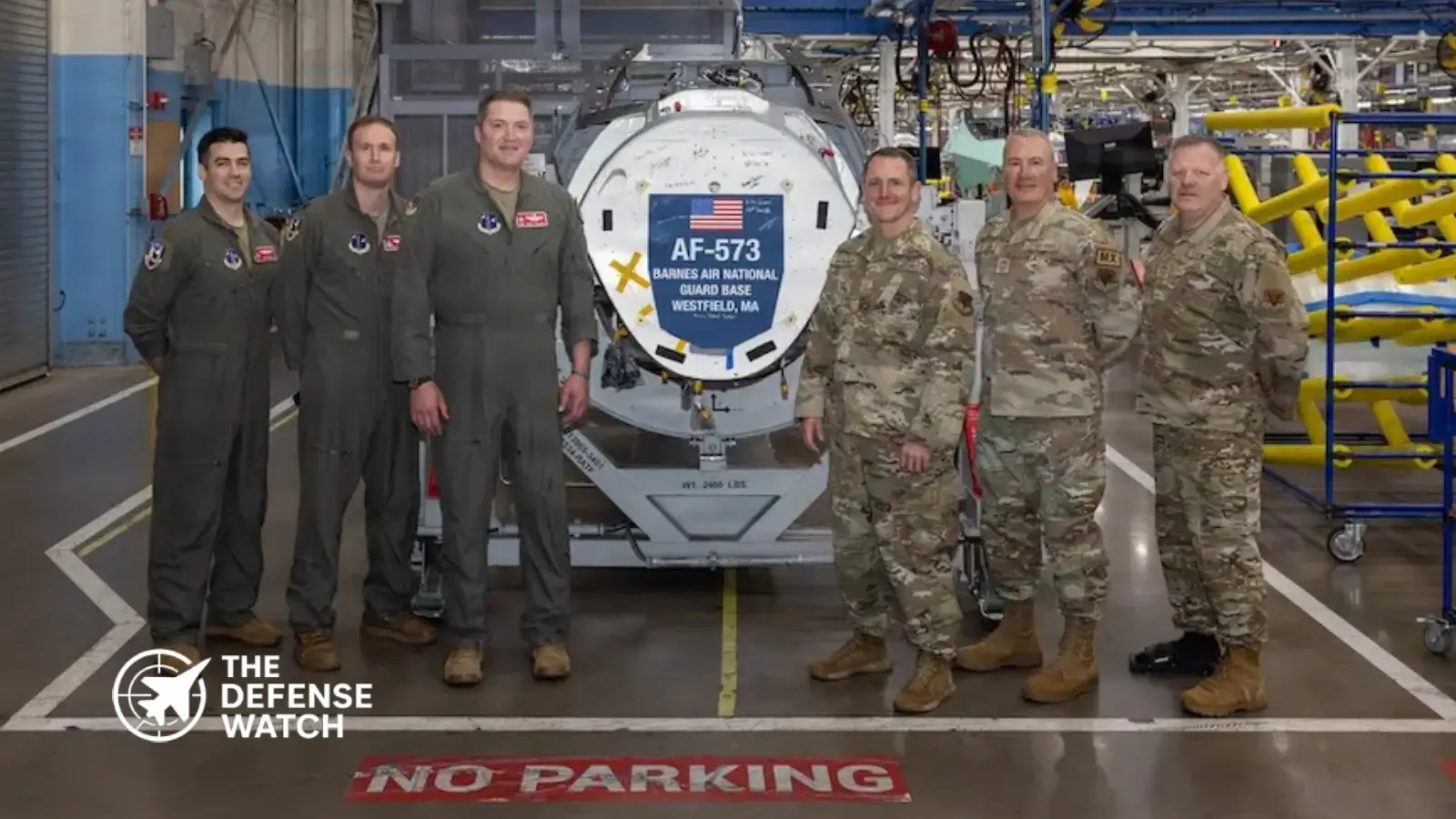
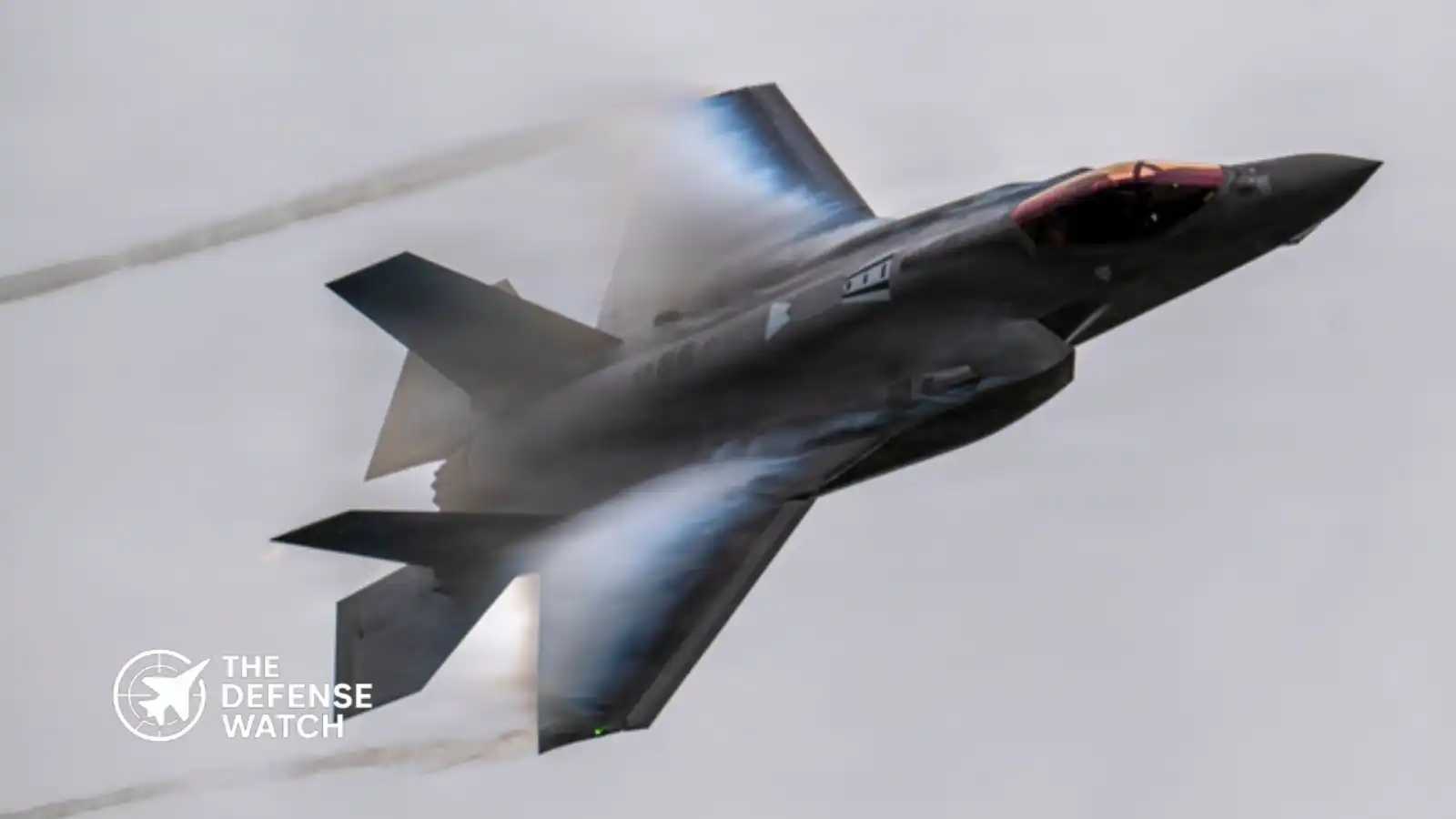
The 104th Fighter Wing F-35A transition moved one step closer to reality after senior leaders from the Massachusetts Air National Guard visited Lockheed Martin’s production facility in Fort Worth, Texas, to sign the fuselage bulkhead of one of the wing’s first F-35A Lightning II aircraft. The ceremony marked a symbolic and operational milestone as the unit prepares to receive its first fifth generation fighters.
According to the 104th Fighter Wing, the visit took place on May 27 and included wing leadership, pilots, and senior enlisted personnel. Signing a partially assembled aircraft is a long standing military aviation tradition that allows future operators to leave their mark on an aircraft while it remains on the production line.
For the Massachusetts-based unit, the moment represented far more than a ceremonial event.
Col. Michael Glass, commander of the 104th Fighter Wing, described the signing as a pivotal moment that reinforces the future of the wing and its readiness mission. Wing leaders emphasized that the arrival of the F-35A secures the unit’s long term role within the Air National Guard and the broader U.S. Air Force force structure.
(adsbygoogle = window.adsbygoogle || []).push({});From F-15 Eagles To Fifth Generation Fighters
The 104th Fighter Wing previously operated the F-15 Eagle for nearly two decades. The aircraft served at Barnes Air National Guard Base from 2007 until the fleet was retired from the unit in 2025 as part of a broader Air Force modernization effort.
The transition to the F-35A represents one of the most significant capability upgrades in the wing’s history.
Unlike the F-15C, the F-35A combines low observable characteristics, advanced sensors, electronic warfare systems, and data fusion capabilities into a single platform. The aircraft is designed to operate effectively in highly contested environments while sharing information across joint and allied networks.
This transition reflects a wider trend across the Air National Guard, where legacy fourth generation fighter fleets are increasingly being replaced by fifth generation aircraft capable of supporting modern air superiority and multi domain operations.
(adsbygoogle = window.adsbygoogle || []).push({});Production Progress Signals Growing Momentum
The Fort Worth facility remains the centerpiece of global F-35 production. According to the 104th Fighter Wing, the assembly complex can accommodate up to 155 aircraft simultaneously, while each F-35 requires roughly 18 months to move from initial assembly to final delivery.
The signing ceremony also gave wing personnel a firsthand look at aircraft already progressing through production.
The event follows another major milestone announced in May, when the 104th Fighter Wing received more than 1,000 pieces of support equipment valued at nearly $1 billion. Those deliveries included critical infrastructure and logistics systems required to sustain F-35 operations at Barnes Air National Guard Base.
Taken together, the equipment deliveries and aircraft production progress indicate that the wing’s conversion effort is entering a more advanced phase.
Why The F-35A Matters For The Air National Guard
The significance of the 104th Fighter Wing F-35A transition extends beyond Massachusetts.
Across the United States, Air National Guard units play a critical role in homeland defense, expeditionary operations, and contingency response. Equipping Guard units with the F-35 ensures that reserve component forces remain interoperable with active duty, allied, and coalition air forces operating the same platform.
(adsbygoogle = window.adsbygoogle || []).push({});The F-35’s sensor fusion capabilities allow pilots to detect, track, and share information across the battlefield more effectively than legacy fighters. As potential adversaries field increasingly sophisticated air defense systems and advanced combat aircraft, access to fifth generation capabilities becomes increasingly important for maintaining operational effectiveness.
The transition also preserves the strategic relevance of the 104th Fighter Wing within future force planning. Air National Guard units selected for F-35 operations are expected to remain integral contributors to U.S. airpower for decades.
Strategic Analysis
While the fuselage signing itself was ceremonial, the broader significance lies in what it represents.
The U.S. Air Force continues to balance modernization requirements against budget pressures, force structure changes, and evolving global threats. Selection for the F-35A demonstrates confidence in the 104th Fighter Wing’s operational record, infrastructure, and long term value to national defense.
The transition also underscores a larger shift within the Air National Guard toward maintaining frontline combat relevance. Rather than relegating Guard units to legacy platforms, the Air Force is increasingly integrating them into advanced combat aviation planning.
For Barnes Air National Guard Base, the arrival of the F-35A secures a future mission set that is expected to remain central to U.S. airpower well into the 2040s and beyond.
Conclusion
The 104th Fighter Wing F-35A transition reached a visible milestone with the signing of one of the unit’s first aircraft at Lockheed Martin’s Fort Worth production facility. As aircraft move through final assembly and support equipment continues arriving in Massachusetts, the wing is steadily progressing toward full fifth generation operations.
The event highlights not only the future of the 104th Fighter Wing but also the continuing modernization of the Air National Guard as it prepares for the demands of future air combat.
Executive Summary:
Poland has received and deployed its first F-35A Husarz stealth fighters, becoming the first NATO eastern flank nation to field fifth-generation combat aircraft. The move significantly enhances Poland’s airpower while strengthening NATO’s deterrence and collective defense posture in Eastern Europe.
Poland Deploys First F-35A Husarz Fighters To Strengthen NATO Air Defense
Poland’s first F-35A Husarz fighters have arrived at the 32nd Tactical Air Base in Łask, marking a milestone in the country’s long-term military modernization strategy and strengthening NATO’s eastern flank defense network. The delivery introduces fifth-generation combat aviation capabilities into the Polish Air Force for the first time and expands NATO’s ability to conduct advanced air operations along its most strategically sensitive frontier.
The initial deployment consists of three F-35A Lightning II aircraft manufactured by Lockheed Martin. They are the first aircraft delivered to Poland under a contract signed in 2020 for 32 fighters valued at approximately $4.6 billion, including training, logistics support, and simulator systems. Deliveries are expected to continue through the end of the decade.
Why The F-35A Husarz Matters
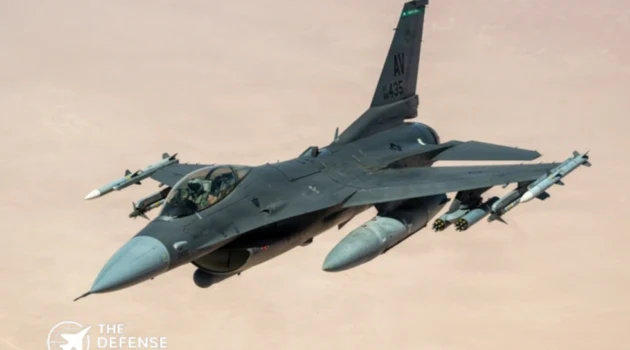
The F-35A Husarz represents a significant leap beyond Poland’s legacy Soviet-era combat aircraft and complements the country’s existing fleet of F-16 fighters.
As a fifth-generation platform, the F-35A combines stealth characteristics, advanced sensor fusion, electronic warfare capabilities, and network-centric operations. Its integrated systems allow pilots to detect, identify, and engage threats at longer ranges while maintaining a reduced radar signature. These capabilities are particularly valuable in highly contested environments protected by modern air defense systems.
Unlike traditional fighter aircraft that require pilots to process information from multiple independent sensors, the F-35 fuses battlefield data into a single operational picture. This reduces pilot workload and improves decision-making speed during complex missions.
For Poland, the aircraft is expected to support air superiority missions, precision strikes, intelligence gathering, suppression of enemy air defenses, and joint operations with NATO allies.
Strategic Significance For NATO’s Eastern Flank
The arrival of the F-35A Husarz carries importance beyond Poland’s national defense requirements.
Polish Defense Minister Władysław Kosiniak-Kamysz described the aircraft as the first fifth-generation fighters permanently deployed on NATO’s eastern flank. Their presence enhances the alliance’s ability to monitor, deter, and respond to potential threats across Eastern Europe.
The deployment comes as NATO continues adapting its force posture following Russia’s invasion of Ukraine and growing security concerns across Central and Eastern Europe. Poland has emerged as one of NATO’s highest defense spenders relative to GDP and has accelerated procurement programs across multiple military branches.
The F-35 fleet is expected to integrate closely with Poland’s existing and planned defense assets, including Patriot air defense systems, HIMARS rocket launchers, AH-64E Apache helicopters, and Abrams main battle tanks. Together, these systems create a more interconnected and resilient defense architecture.
Building One Of Europe’s Most Capable Air Forces
The deployment of the F-35A Husarz reflects Poland’s broader effort to transform its armed forces into one of Europe’s most capable military organizations.
While the country’s F-16 fleet continues to provide proven multirole combat capabilities, the F-35 introduces a new level of survivability, intelligence gathering, and networked warfare. Military planners increasingly view the combination of fourth-generation and fifth-generation aircraft as a force multiplier, allowing each platform to perform missions that maximize its strengths.
Poland’s acquisition also deepens interoperability with NATO members already operating the F-35, including United Kingdom, Italy, Norway, Netherlands, Belgium, Denmark, Finland, and Germany. Shared training, logistics networks, and operational procedures improve alliance readiness and support multinational operations.
Analysis: More Than A Fighter Delivery
The arrival of the first F-35A Husarz fighters is not simply an aircraft delivery. It signals Poland’s transition into the group of nations operating advanced fifth-generation combat aircraft and reinforces NATO’s technological advantage along its eastern frontier.
From a strategic perspective, the deployment increases the alliance’s ability to conduct intelligence collection, air defense suppression, and precision strike operations in contested environments. It also demonstrates how NATO members are investing in interoperable platforms that can share data across air, land, and missile defense networks.
As additional aircraft arrive and operational squadrons become fully established, Poland’s F-35 fleet is expected to become a central pillar of both national defense planning and NATO’s broader deterrence strategy in Europe.

(adsbygoogle = window.adsbygoogle || []).push({});Executive Summary:
Germany’s first F-35A Lightning II has reached a key production milestone with the installation of its Pratt & Whitney F135 engine at Lockheed Martin’s Fort Worth assembly facility.
The development keeps Berlin’s 35-aircraft F-35 acquisition program on track, supporting Luftwaffe modernization and Germany’s NATO nuclear sharing responsibilities.
Germany’s First F-35A Reaches Major Production Milestone
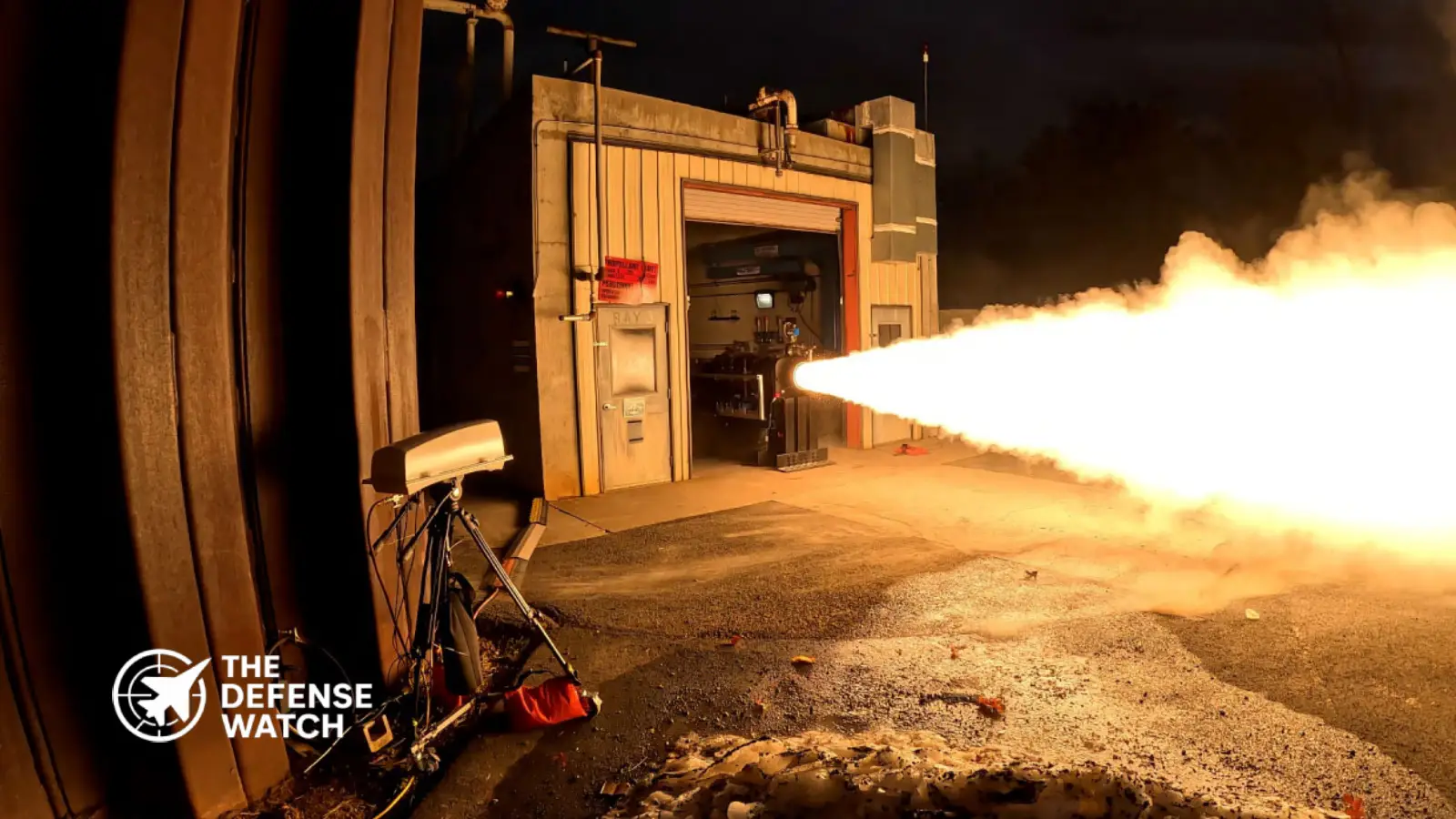
Germany’s first F-35A Lightning II has entered a critical phase of production after receiving its Pratt & Whitney F135-PW-100 engine at Lockheed Martin’s Fort Worth, Texas, manufacturing facility. The milestone marks another significant step toward the aircraft’s planned delivery later in 2026 and eventual entry into Luftwaffe service.
New images released by Lockheed Martin show technicians integrating the engine into the aircraft designated for Germany, signaling that the jet has progressed beyond structural assembly and into the final stages of production.
The aircraft is the first of 35 F-35A fighters ordered by Germany through the U.S. Foreign Military Sales (FMS) program under a government-to-government agreement approved in December 2022.
From Final Assembly To Flight Testing
The engine installation follows Germany’s first F-35A entering final assembly earlier this year. During that phase, Lockheed Martin joined the aircraft’s four major structural sections, including the wing assembly and the forward, center, and aft fuselage sections, using advanced laser-guided alignment systems.
- (adsbygoogle = window.adsbygoogle || []).push({});
With the F135 engine now installed, the aircraft will continue through final systems integration, control surface installation, software validation, and low observable finishing processes before beginning ground and flight testing.
According to Lockheed Martin, the aircraft is expected to undergo rollout and first flight activities later this year before delivery.
The F135 engine remains the most powerful fighter engine currently in operational service, providing the F-35A with the thrust necessary to support its stealth, sensor fusion, and multi-role combat capabilities.
Why Germany Chose The F-35A
Germany selected the F-35A to replace its aging Panavia Tornado IDS fleet, particularly for the nation’s participation in NATO’s nuclear sharing mission. Under this arrangement, allied aircraft maintain the capability to deliver U.S.-supplied B61 nuclear gravity bombs if required by NATO policy.
The decision represented one of the most significant shifts in German combat aviation planning in decades. Rather than pursuing an additional interim fighter solution, Berlin opted for a fifth-generation platform already integrated across a growing number of NATO air forces.
(adsbygoogle = window.adsbygoogle || []).push({});From a strategic perspective, the F-35A provides Germany with capabilities that extend beyond traditional strike missions. The aircraft combines stealth characteristics, advanced electronic warfare functions, sensor fusion, and networked battlefield awareness, allowing it to operate effectively in heavily contested environments.
The acquisition also strengthens interoperability with key NATO allies, including the United States, Italy, the Netherlands, Belgium, Norway, Finland, Poland, and other European operators that are either flying or preparing to field the F-35.
Training Pipeline Already Taking Shape
Before arriving in Germany, the first Luftwaffe F-35As will be stationed at Ebbing Air National Guard Base in Fort Smith, Arkansas. The facility is becoming a major international F-35 training hub and will also support pilot and maintainer training for other European F-35 operators.
The first eight German aircraft are expected to operate from Ebbing during the initial training phase before transferring to Germany. The aircraft will ultimately be based at Büchel Air Base, the future center of Germany’s F-35 operations.
According to program schedules, the first F-35As are expected to arrive at Büchel in 2027, enabling Germany to begin the transition away from the Tornado fleet.
Strategic Significance For Europe
The progress of Germany’s first F-35A comes amid a broader expansion of F-35 procurement across Europe. Multiple NATO members are accelerating fifth-generation fighter acquisitions as regional security concerns continue to drive modernization efforts.
(adsbygoogle = window.adsbygoogle || []).push({});For Germany, the program represents more than a fleet replacement. It forms part of a wider effort to enhance deterrence, strengthen alliance interoperability, and maintain credible airpower capabilities within NATO’s evolving defense architecture.
The installation of the F135 engine may appear to be a routine manufacturing event, but it marks a visible transition from assembly to aircraft completion. As Germany’s first F-35A moves closer to rollout and flight testing, the Luftwaffe’s long-planned shift into the fifth-generation fighter era is becoming a reality.
Executive Summary:
Switzerland’s planned acquisition of the F-35A fighter jet is facing renewed political and financial scrutiny as projected lifecycle costs continue to rise. Critics are questioning whether the aircraft’s operational requirements, sustainment expenses, and interoperability commitments align with Swiss defense needs and long term budget priorities.
Switzerland’s F-35A Acquisition Faces Renewed Scrutiny
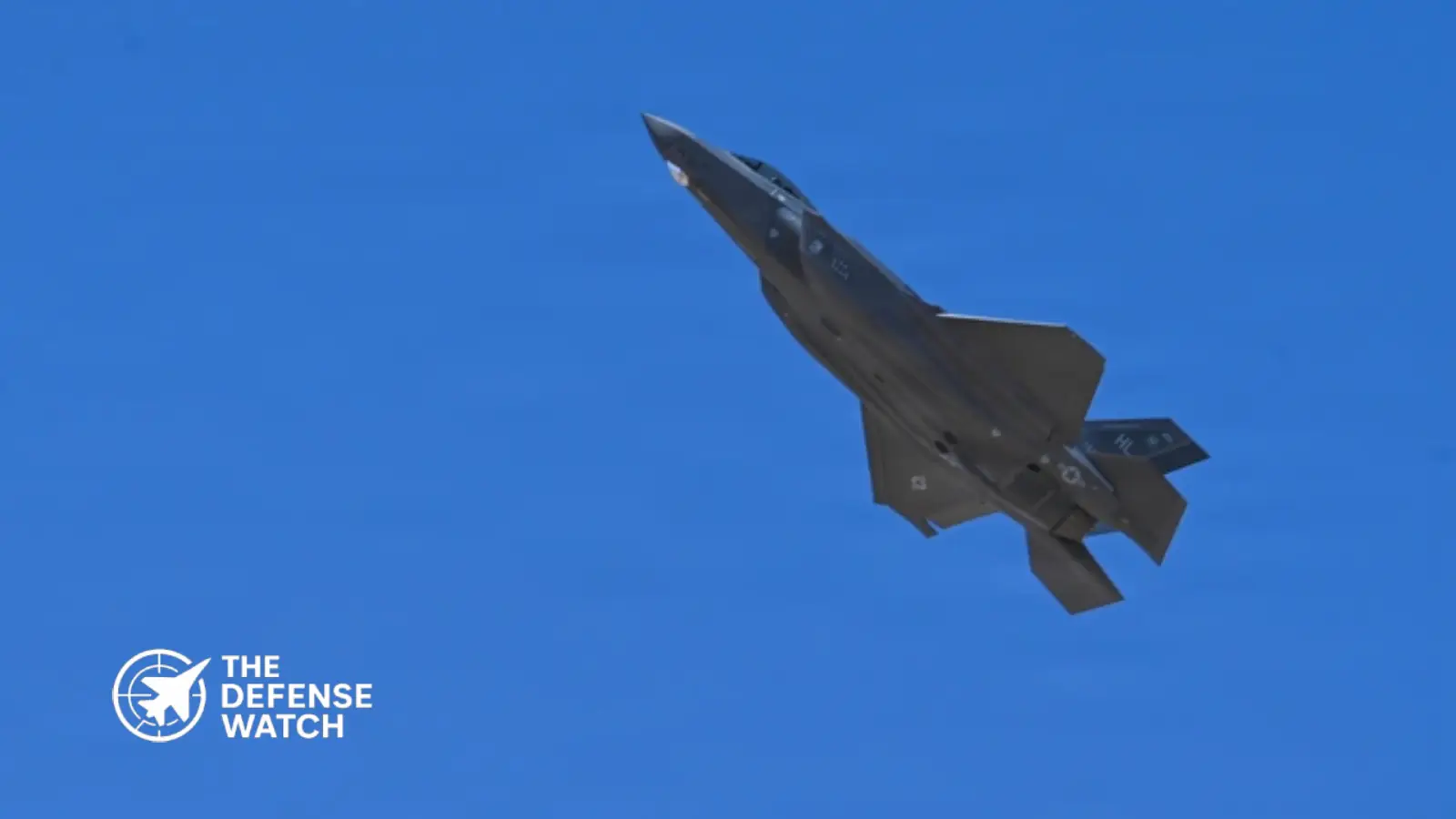
Switzerland’s F-35A fighter aircraft program is under increasing pressure as defense officials, lawmakers, and political groups debate the long term affordability and operational suitability of the stealth fighter for the Swiss Air Force.
The debate follows fresh concerns over escalating procurement and sustainment costs tied to the planned acquisition of the Lockheed Martin F-35A Lightning II. Questions have also emerged regarding maintenance dependency, software sovereignty, infrastructure requirements, and future operating expenses.
The Swiss government selected the F-35A in 2021 to replace the country’s aging fleet of F/A-18 Hornets and F-5 Tiger aircraft. The selection followed a competitive evaluation process involving the Dassault Rafale, Eurofighter Typhoon, and Boeing F/A-18E/F Super Hornet.
Swiss authorities argued at the time that the F-35A offered the best balance of capability, survivability, and projected operating costs. However, critics now claim the overall financial burden may exceed earlier government estimates.
Rising Lifecycle Costs Drive Political Debate
Much of the current controversy centers on projected lifecycle and sustainment expenses rather than the initial acquisition value alone.
Defense analysts and opposition politicians have raised concerns that long term maintenance, software upgrades, logistics support, and infrastructure modernization could significantly increase the overall cost of ownership over the aircraft’s service life.
The F-35 program relies heavily on centralized software management, secure data systems, and international sustainment networks led by the United States. For a non NATO country like Switzerland, this has fueled debate over operational autonomy and strategic dependence.
Swiss officials continue to maintain that the acquisition remains within contractual limits, but political pressure has intensified amid broader European defense spending increases and inflation driven procurement challenges.
The discussion reflects a wider trend affecting multiple F-35 operators worldwide. Several countries operating or evaluating the aircraft have encountered questions regarding sustainment costs, spare parts availability, maintenance complexity, and readiness rates.
Capability Questions Extend Beyond Cost
While the F-35A is widely recognized for its stealth characteristics, sensor fusion, and network centric warfare capabilities, some Swiss critics argue that the aircraft may exceed the operational needs of Switzerland’s air defense mission.
Switzerland’s military posture focuses primarily on territorial defense, air policing, and national sovereignty operations rather than expeditionary warfare. Critics argue that a high end fifth generation fighter optimized for contested battlespace operations may provide capabilities beyond the country’s immediate strategic requirements.
Supporters of the acquisition counter that the future threat environment requires advanced survivability and interoperability features. They argue that the F-35A’s sensor integration and data sharing capabilities could strengthen Swiss air defense effectiveness for decades.
The debate also highlights a broader European discussion regarding the balance between advanced capability and sustainable defense spending.
European Defense Environment Shapes Procurement Decisions
The security environment across Europe has changed dramatically since Switzerland approved the F-35A purchase. Russia’s war in Ukraine, NATO force modernization efforts, and rising regional defense investments have accelerated demand for advanced combat aircraft across the continent.
Several European nations, including Finland, Germany, Poland, and Belgium, have either acquired or expanded F-35 fleets in recent years.
Supporters of Switzerland’s acquisition argue that joining a broader European F-35 user community improves interoperability, training access, logistics coordination, and future upgrade pathways.
At the same time, critics warn that dependence on increasingly expensive Western defense systems could place long term strain on smaller national defense budgets.
This tension between capability and affordability is becoming a defining issue in modern military procurement decisions across Europe.
Swiss Government Continues To Defend The Program
Swiss defense officials continue to defend the F-35A selection process, emphasizing that the aircraft achieved the highest evaluation score during technical and operational assessments.
Authorities also argue that fixed price arrangements for the procurement phase provide a degree of cost certainty despite broader inflation pressures affecting the global defense sector.
Nevertheless, domestic political opposition remains active, and public debate surrounding the aircraft is likely to continue as implementation progresses.
The outcome of the debate may shape future Swiss defense procurement policy, particularly regarding foreign military dependency, industrial participation, and long term modernization priorities.
Strategic Analysis
The controversy surrounding Switzerland’s F-35A acquisition reflects a broader shift in global defense procurement dynamics. Modern combat aircraft increasingly function as integrated digital warfare platforms rather than standalone fighters. That transition introduces new financial and sovereignty considerations for smaller states.
For countries with limited defense budgets and narrowly focused operational missions, the challenge is no longer simply purchasing advanced aircraft. It is sustaining the ecosystem required to operate them effectively over decades.
The Swiss case demonstrates how fifth generation fighter programs can evolve from military procurement decisions into national political debates involving budget priorities, technological dependence, and strategic identity.
As more nations adopt the F-35 platform, scrutiny over sustainment affordability and operational flexibility is likely to intensify.
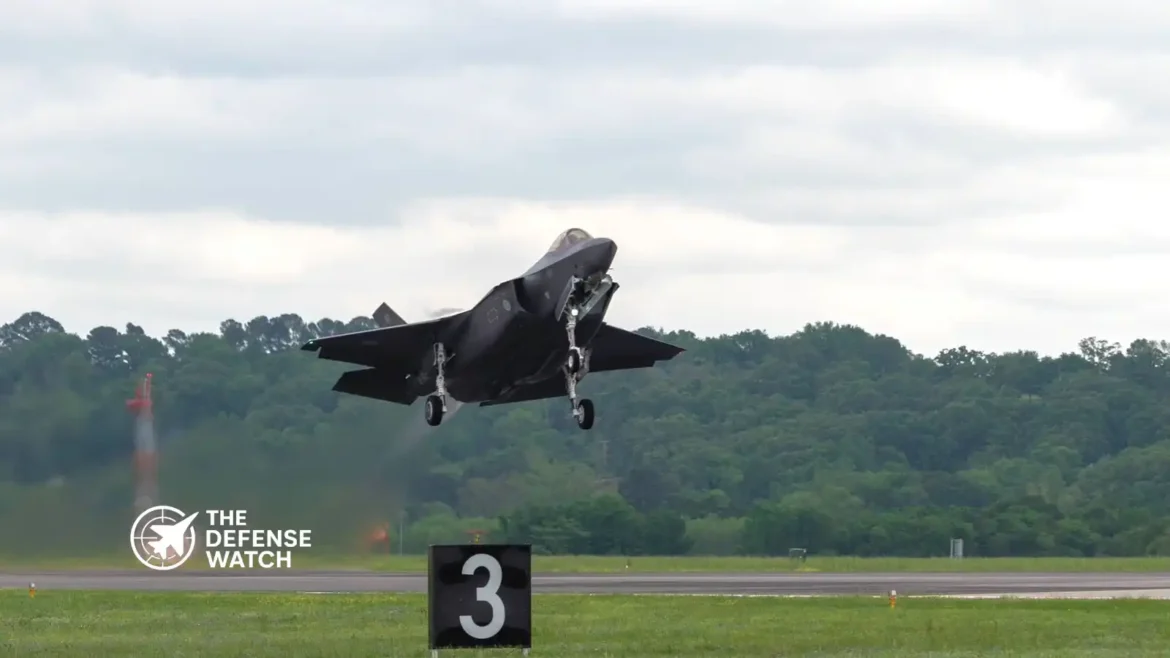
Finland F-35A Training Marks Key Step Toward Operational Capability
Finland F-35A training has reached a critical milestone after a Finnish Air Force pilot completed the country’s first flight in the F-35A in the United States, signaling steady progress toward operational readiness. The development was reported by Defence Industry Europe, highlighting the growing pace of Finland’s transition to fifth-generation airpower.
The flight forms part of a structured training pipeline conducted in close coordination with the U.S. Air Force. Finnish pilots and ground crews are undergoing comprehensive instruction designed to prepare them for the complexities of operating the stealth fighter, including sensor fusion, network-centric warfare, and advanced mission planning.
This milestone is not symbolic. It reflects a tangible shift from procurement to capability development.
- A Finnish Air Force pilot has completed the first F-35A flight in the United States as part of Finland’s training program.
- The training is being conducted in cooperation with the U.S. Air Force to prepare Finnish crews for operational deployment.
- Finland selected the F-35A in 2021 to replace its legacy F/A-18 Hornet fleet under the HX fighter program.
- Initial operational capability is expected later this decade as aircraft deliveries and training progress.
- The milestone reflects Finland’s broader integration into NATO airpower and advanced combat aviation networks.
Transition From Legacy Fighters To Fifth-Generation Capability
Finland selected the F-35A Lightning II in 2021 under its HX fighter program to replace its aging fleet of F/A-18 Hornets. The decision aligned Helsinki with a growing group of European operators adopting the platform to maintain technological parity with near-peer competitors.
The Finland F-35A training effort is central to that transition. Unlike legacy aircraft, the F-35A requires a different operational mindset. Pilots must manage large volumes of fused data while operating in contested environments where stealth and electronic warfare play decisive roles.
Training in the United States allows Finnish personnel to integrate directly into an established ecosystem. This includes exposure to U.S. operational doctrine, maintenance practices, and joint mission scenarios. Such integration reduces the time needed to achieve effective combat readiness once the aircraft are delivered to Finland.
Strategic Context: NATO Integration And Regional Deterrence
The timing of Finland’s F-35A training progress is significant. Following its accession to NATO, Finland is rapidly aligning its defense posture with alliance standards. The F-35A is widely regarded as a cornerstone of NATO’s future airpower architecture due to its ability to operate as a force multiplier across domains.
From a strategic perspective, Finland’s adoption of the F-35A enhances deterrence in Northern Europe. The aircraft’s stealth characteristics and advanced sensors improve situational awareness across the Baltic region, an area of increasing military activity.
The Finland F-35A training program also supports interoperability. Finnish pilots trained alongside U.S. and allied counterparts will be better positioned to participate in joint operations, exercises, and integrated air defense missions.
This interoperability is critical. Modern conflicts are unlikely to be fought in isolation, and shared platforms simplify coordination at both tactical and operational levels.
Building Toward Operational Readiness
While the first flight marks a major milestone, Finland’s path to full operational capability remains phased. Training will continue in the United States before transitioning to domestic operations as aircraft deliveries begin.
Ground crews, logistics personnel, and command structures must also adapt. The F-35A introduces new maintenance requirements and digital infrastructure, including secure data systems that support mission planning and real-time updates.
The Finland F-35A training framework is designed to address these challenges early. By building expertise ahead of aircraft delivery, Finland aims to avoid capability gaps during the transition period.
Initial operational capability is expected later in the decade, with full operational capability to follow as more aircraft enter service and training cycles mature.
Analysis: Why This Milestone Matters
The first Finnish F-35A flight represents more than pilot proficiency. It demonstrates that Finland is effectively executing one of Europe’s most significant fighter modernization programs.
From an operational standpoint, early training milestones reduce long-term risk. Countries that delay training often face bottlenecks when aircraft deliveries accelerate. Finland’s approach suggests a deliberate effort to synchronize training, infrastructure, and procurement timelines.
There is also a broader geopolitical signal. By advancing its F-35A training in partnership with the United States, Finland reinforces its commitment to transatlantic defense cooperation. This is particularly relevant given evolving security dynamics in Northern and Eastern Europe.
At the same time, the reliance on U.S.-based training highlights the continued importance of American infrastructure in enabling allied capability development. Even as European defense initiatives expand, U.S. platforms and training ecosystems remain central to NATO’s operational readiness.

Finland F-35A Delivery Begins
Finland F-35A delivery has officially begun with the handover of the first F-35A fighter jet to the Finnish Air Force. The aircraft was delivered from Lockheed Martin’s production line in the United States, marking a major milestone in Finland’s long-term air combat modernization program.
(adsbygoogle = window.adsbygoogle || []).push({});The delivery follows Finland’s 2021 decision to select the F-35A as the replacement for its aging F-18 Hornet fleet. The program represents the largest defense procurement in Finnish history and a central pillar of the country’s future air defense posture.
Strengthening Finnish Air Power
The Finnish Air Force plans to acquire a total of 64 F-35A aircraft under the HX Fighter Program. The fleet will gradually replace F-18 Hornets, which are scheduled to retire by the early 2030s.
According to the Finnish Ministry of Defense, the F-35A was selected for its ability to operate in contested airspace, its advanced sensors, and its ability to integrate with allied forces. The aircraft’s stealth design and data-sharing capabilities are expected to significantly enhance Finland’s situational awareness and deterrence capability.
NATO Interoperability and Regional Security
Finland’s F-35A delivery also strengthens interoperability with NATO allies. Several NATO members, including the United States, Norway, Denmark, and the Netherlands, already operate or are transitioning to the F-35 platform.
Defense officials have highlighted that shared aircraft types simplify joint training, logistics, and operational planning. This is particularly relevant for Finland following its accession to NATO, as the country focuses on collective defense in Northern Europe.
Training and Operational Timeline
Initial aircraft will be used primarily for pilot training and system familiarization. Finnish pilots and maintainers have already been training in the United States as part of the program.
Operational deployment in Finland is expected later in the decade as additional aircraft are delivered and supporting infrastructure is completed. The Finnish Air Force has stated that the F-35A will be tailored to operate from dispersed bases, a core element of Finland’s air defense doctrine.
Program Cost and Industrial Participation
The F-35A acquisition is valued at approximately 8.4 billion euros, covering aircraft, weapons, training, and sustainment. Finnish industry is also involved in the program, with local companies participating in component manufacturing and long-term maintenance support.
Officials have emphasized that domestic industrial participation will help ensure fleet availability throughout the aircraft’s service life.
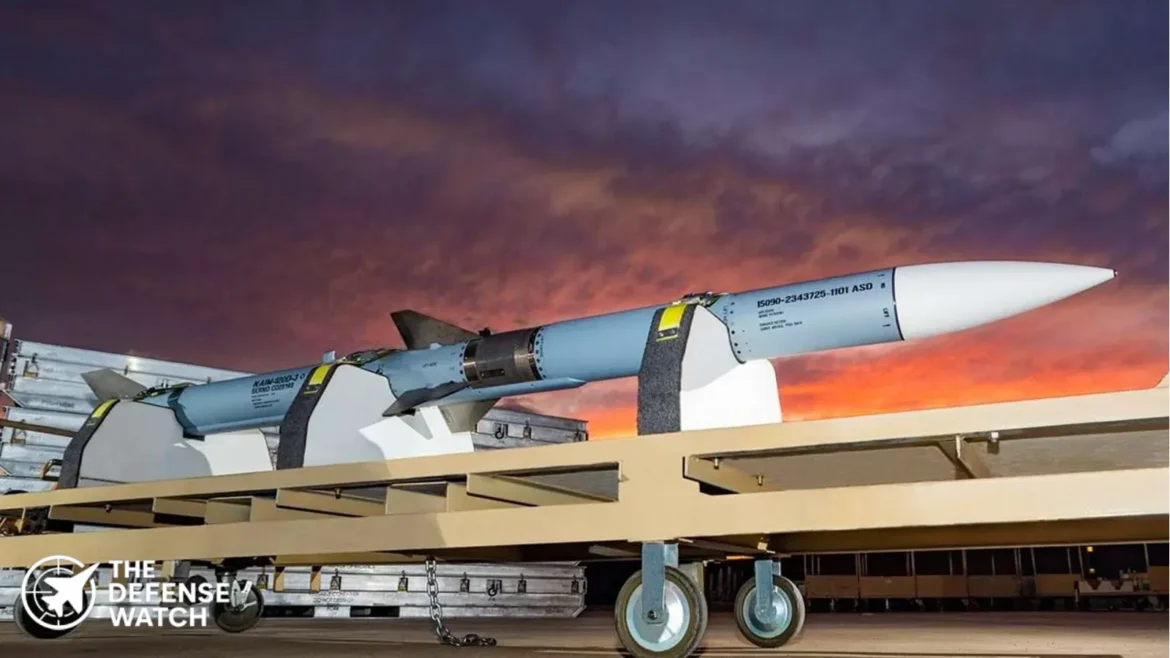
Finland Selects AIM-120D-3 Missile for F-35A Program
Finland has selected the AIM-120D-3 missile to arm its incoming F-35A fighter jets, marking a key step in the country’s largest defense modernization effort. The decision was confirmed in 2025 and aligns with Finland’s plan to fully equip its future fifth generation fighters with advanced beyond visual range air to air weapons.
The missile selection supports Finland’s HX Fighter Program, under which the Finnish Air Force will replace its aging F A 18 Hornet fleet with 64 Lockheed Martin F-35A Lightning II aircraft. Deliveries of the jets are scheduled to begin later this decade, with full operational capability expected in the early 2030s.
Strengthening Long Range Air Combat Capability
The AIM-120D-3 missile is the latest variant of the Advanced Medium Range Air to Air Missile family, widely known as AMRAAM. It offers extended range, improved guidance, and enhanced resistance to electronic countermeasures compared to earlier versions.
By choosing the AIM-120D-3 missile, Finland ensures that its F-35A fleet will be capable of engaging hostile aircraft at long distances while operating in contested airspace. The missile uses active radar homing and advanced data link features, allowing it to receive mid course updates from the launching aircraft or other networked platforms.
The AIM-120D-3 missile is already in service with the United States Air Force and several allied nations, making it a standard weapon within NATO air forces.
Background on Finland’s F-35A Acquisition
Finland selected the F-35A in 2021 after a multi year competition involving several advanced fighter aircraft. The decision was driven by the F-35’s stealth design, sensor fusion, and ability to operate as part of a wider network of air and ground assets.
As a NATO member sharing a long border with Russia, Finland places strong emphasis on air defense, rapid response, and deterrence. The combination of the F-35A and the AIM-120D-3 missile supports these goals by providing high survivability and strong first shot capability.
Weapons integration is a critical part of the F-35 program, and the AIM-120 family has long been considered the backbone of Western beyond visual range air combat.
Technical Overview of the AIM-120D-3 Missile
The AIM-120D-3 missile builds on earlier AMRAAM variants with several upgrades. These include improved kinematics for longer engagement ranges, more accurate navigation, and software updates that enhance performance against maneuvering targets.
The missile is designed to operate in high threat environments, including those with heavy jamming. When paired with the F-35’s advanced sensors and low observable profile, the AIM-120D-3 missile can be launched without alerting enemy radar systems until late in the engagement.
This capability allows pilots to detect, track, and engage threats while remaining difficult to detect themselves.
Interoperability With NATO and Allied Forces
One of the key advantages of selecting the AIM-120D-3 missile is interoperability. Many NATO members operate both the F-35 and earlier fighter aircraft armed with AMRAAM missiles. This allows allied air forces to share targeting data and coordinate engagements during joint operations.

Finland’s choice supports seamless integration with allied air policing missions, joint exercises, and collective defense operations. It also simplifies logistics, training, and sustainment over the long term.
The AIM-120D-3 missile can be carried internally by the F-35A, preserving the aircraft’s stealth profile, or externally when stealth is less critical.
Industrial and Program Considerations
The AIM-120D-3 missile is produced by RTX, formerly known as Raytheon Technologies. Production and sustainment are supported through U.S. government managed foreign military sales frameworks, which Finland already uses for other defense acquisitions.
While specific contract values for the missile purchase were not disclosed, the selection is consistent with previously approved U.S. export clearances for advanced AMRAAM variants to Finland.
The missile procurement is expected to progress alongside aircraft deliveries to ensure the Finnish Air Force can reach initial operational capability without delays.
What Comes Next for the Finnish Air Force
As F-35A deliveries approach, Finland will continue to finalize its weapons mix, training pipelines, and basing infrastructure. Alongside the AIM-120D-3 missile, the F-35A is expected to carry a range of air to ground munitions and short range air to air missiles.
The integration of the AIM-120D-3 missile marks another milestone in Finland’s transition to a fifth generation air combat force. Once operational, the new fleet will significantly enhance national air defense and contribute to regional security in Northern Europe.
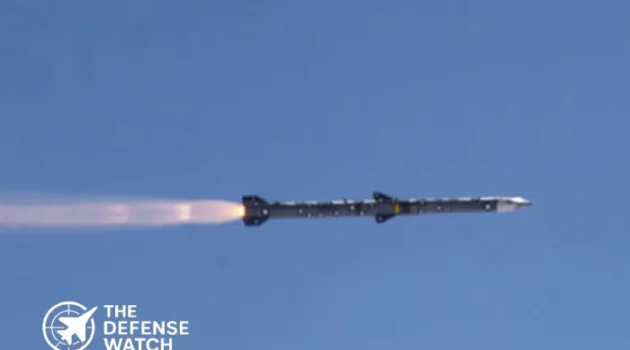
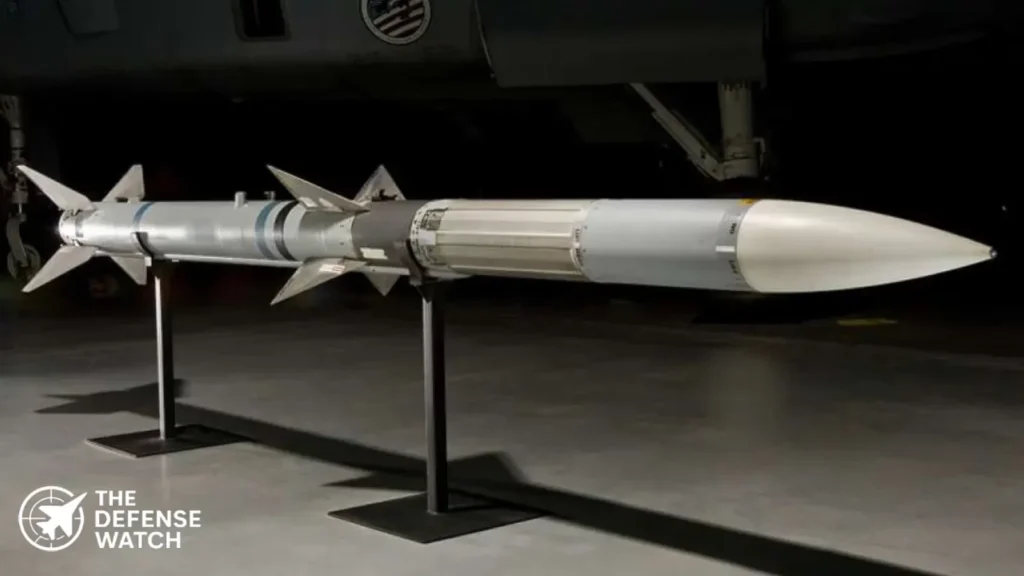
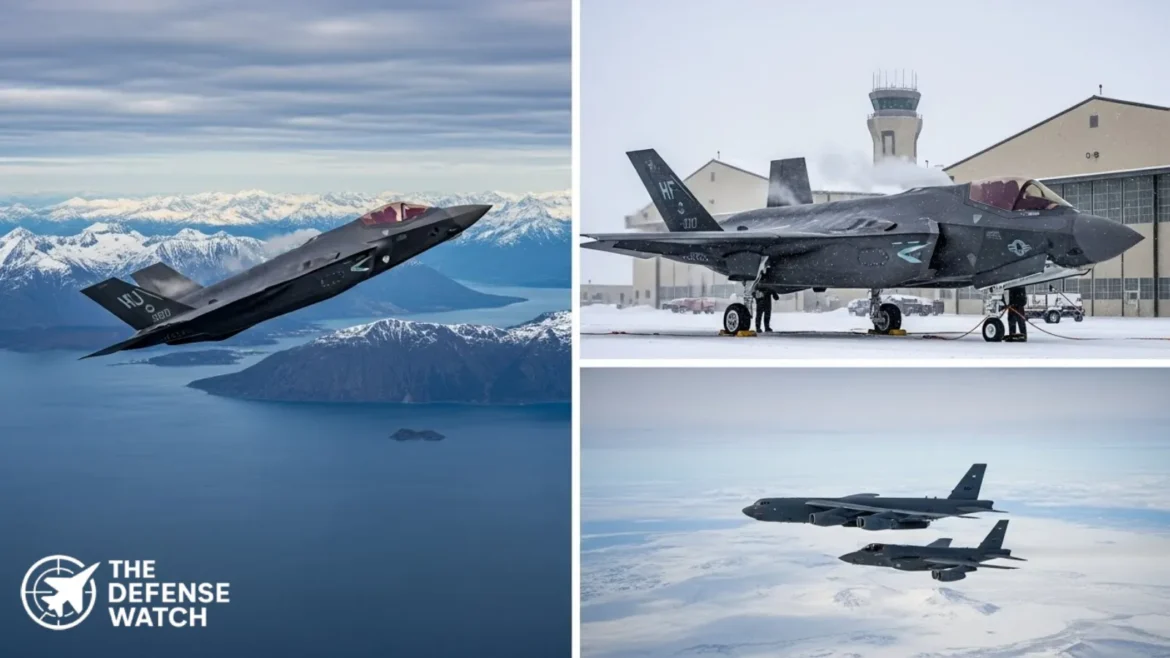
U.S Air Force Validates F-35A Maritime Strike Role in Extreme Alaska Conditions
The U.S Air Force on December 9 conducted a major Arctic training exercise in the Gulf of Alaska that demonstrated the F-35A Lightning II’s maritime strike capability under severe weather conditions. The drills were part of Operation Tundra Merlin, a high-intensity joint force simulation led by U.S. Air Force Alaskan Command under the broader oversight of U.S Northern Command.
Operation Tundra Merlin Tests Arctic Strike Readiness
Operation Tundra Merlin took place in the Gulf of Alaska, where sub-zero temperatures, high winds and limited visibility provide some of the harshest conditions for aircraft operations. The exercise integrated F-35A fighters from the 354th Fighter Wing with a range of assets from multiple commands and services.
U.S Air Force officials said the scenario focused on precision maritime strike coordination. The F-35As operated alongside two B-52 Stratofortress bombers in simulated standoff strikes against maritime targets. These missions tested joint command and control, interoperability, threat detection, and strike execution in real-world Arctic conditions.
F-35A Performance in Arctic Environment
The F-35A’s advanced systems were central to the drills, Air Force sources said. The aircraft’s sensor fusion and low-observable features supported situational awareness even where satellite and radar coverage is limited. Onboard thermal management, self-heating components and environmental controls helped the jets handle the extreme cold that challenges legacy aircraft.
Along with strike missions, the F-35s carried out escort and combat air patrols. They shared real-time data with other platforms to strengthen the joint force’s battle picture. This data sharing proved critical in an environment with degraded sensors and challenging weather.
Joint Command and Multi-Domain Integration
Operation Tundra Merlin wasn’t just an air exercise. It involved coordination with U.S Strategic Command, U.S Indo-Pacific Command, the Coast Guard Arctic District, and Alaska Air National Guard units. Maritime forces including a U.S Navy vessel and a U.S Coast Guard cutter took part in simulated targeting and support roles. Tanker aircraft provided aerial refueling and extended flight endurance.
The drill also tested command transitions across combatant commands. Air Operations Centers transferred bomber command authority between units as missions progressed across the Arctic Theater of Operations. These procedures mirror real-world command shifts in dynamic combat scenarios.
Why Alaska Matters to U.S. Defense
Alaska sits at the junction of the Arctic and the Asia-Pacific. That makes it a strategic hub for homeland defense and power projection. Early warning networks, radar systems, and long-range defensive assets are positioned here to guard North America’s northern approaches. Russian and Chinese naval activity in the Arctic and the northern Pacific have increased in recent years, highlighting the need for readiness in these northern seas.
U.S military planners see Arctic operations as integral to deterrence and rapid response. Exercises in this region help forces rehearse detection and interdiction against potential incursions at the edge of U.S sovereign territory.
Arctic Weather Challenges and Aircraft Readiness
Operating aircraft in Arctic weather is complex. Temperatures often fall well below freezing and strong winds raise the risks of ice buildup and mechanical stress. The F-35A’s design helps mitigate some of these difficulties, but drills like Operation Tundra Merlin ensure that crews and commanders understand how to manage cold-weather logistics and missions.
Past tests of F-35s in cold weather have focused on reliability of systems and materials. Arctic operations also push support crews to refine procedures for maintenance and refueling in severe conditions. While not part of this year’s drill, previous reports noted challenges like battery performance and hydraulic systems under extreme temperatures.
What’s Next
Operation Tundra Merlin reinforces the F-35A’s evolving role in joint maritime operations. The Air Force intends to continue integrating fifth-generation fighters into multi-domain strike and surveillance missions. Future exercises will likely expand on Arctic coordination between air, sea and space assets.
As strategic interests in the Arctic grow, so does the importance of proving combat capabilities in the region’s harshest environments. The lessons from these drills will help shape U.S defense posture toward both homeland defense and power projection into contested waters.