
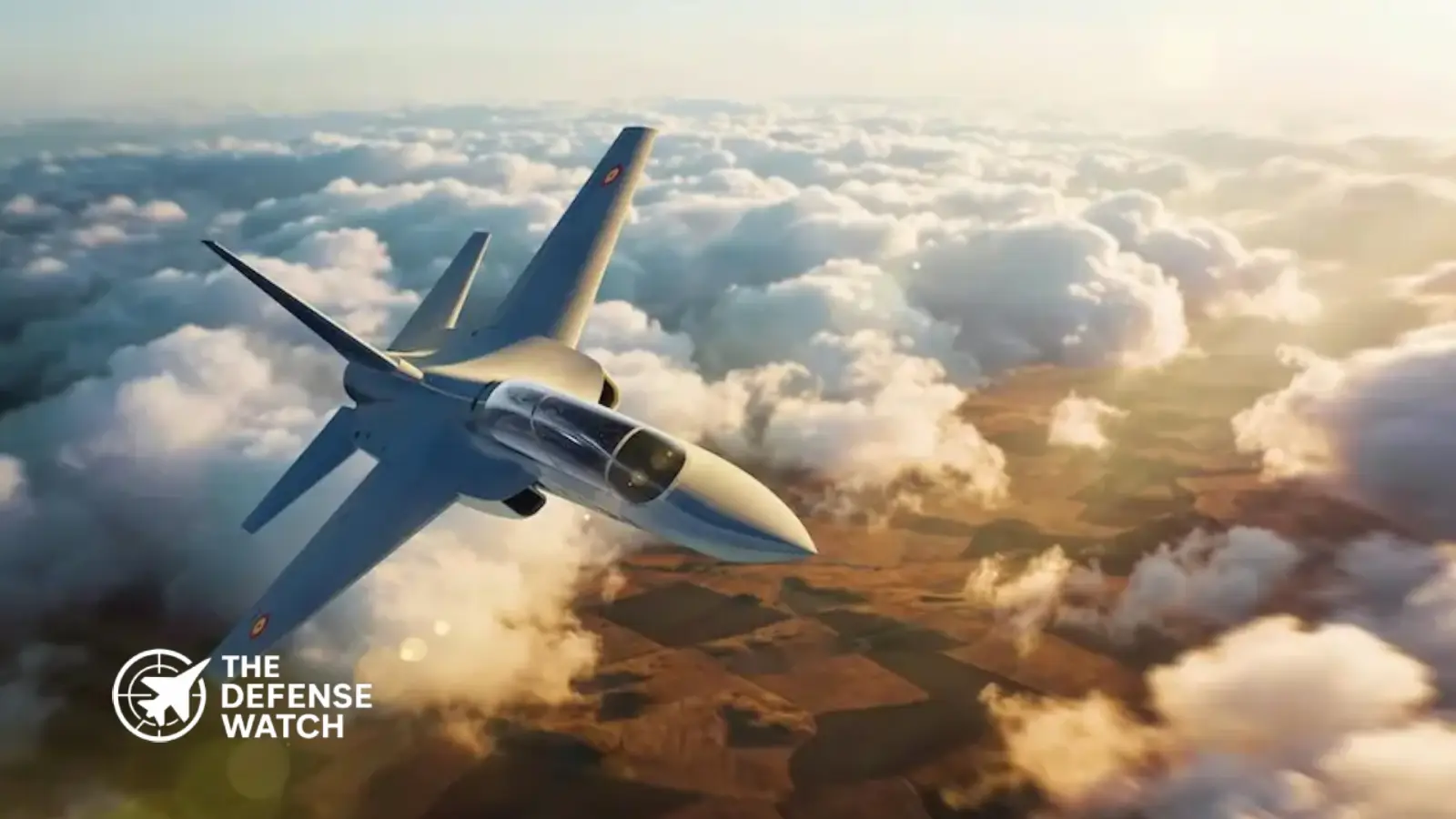
Airbus Launches SAETA II Program To Replace Spain F-5 Fleet
Spain’s SAETA II combat trainer program marks one of the country’s most important air force modernization efforts in years. Led by Airbus, the initiative will replace the Spanish Air and Space Force’s ageing F-5 aircraft with a new integrated pilot training system built around 30 advanced jet trainers.
- Airbus is leading Spain’s new Integrated Combat Training System centered on the SAETA II aircraft.
- The program will replace Spain’s ageing Northrop F-5 trainer fleet used for fighter pilot instruction.
- Spain plans a 30 aircraft fleet derived from the Turkish Aerospace HÜRJET platform.
- Initial deliveries begin in 2028, with full Spanish-standard deliveries scheduled through 2035.
- The project includes 60% Spanish industrial participation and upgraded simulators.
The program is based on a co-development arrangement between Airbus and Turkish Aerospace, manufacturer of the HÜRJET trainer jet. Spain’s localized version will carry the historic SAETA II name, linking the new fleet to the country’s earlier HA-200 Saeta jet trainer heritage.
Why Spain Is Replacing The F-5 Now
Spain’s F-5 fleet has served for decades in advanced fighter training. However, aging airframes, rising maintenance needs, and the demands of modern pilot instruction have made replacement increasingly urgent.
Today’s fighter pilots must transition to digital cockpits, advanced sensors, networked warfare, and complex mission systems. Legacy trainers designed in an earlier era are less suited to preparing crews for platforms such as the Eurofighter Typhoon and future sixth-generation systems.
That makes the SAETA II more than a simple aircraft purchase. It is a training pipeline upgrade designed to support Spain’s long-term combat air readiness.
What The SAETA II Program Includes
The SAETA II program covers more than aircraft deliveries. Airbus said it includes:
- Customization of 30 jets to Spanish requirements
- Advanced simulators and synthetic training systems
- Maintenance and logistics support
- Base infrastructure modernization
- Future upgrade pathways under Spanish control
Airbus will also redesign the Fighter and Strike School Training Centre at Talavera la Real Air Base.
That matters because modern pilot training increasingly blends live flying with simulator missions. This approach lowers cost, increases training repetitions, and allows pilots to rehearse high-risk combat scenarios safely.
Delivery Timeline And Industrial Impact
The first phase begins in 2028 with 21 aircraft deliveries. One airframe will be used as a prototype for integrating next-generation avionics and mission systems. Ground-based training systems are expected to enter service during the 2029 to 2030 academic period. Final Spanish-standard aircraft deliveries are scheduled from 2031 through 2035.
Airbus says the project includes 60% Spanish industrial participation. Domestic firms including Indra, GMV, Sener and others will contribute avionics, mission systems, datalinks, and support equipment.
This gives Madrid stronger sovereign control over sustainment, upgrades, and future exports.
Strategic Meaning For Europe
The SAETA II program also reflects a wider European defense trend. Rather than relying only on off-the-shelf foreign solutions, governments increasingly want local assembly, domestic supply chains, and control over future software and systems integration.
Spain’s decision blends an existing aircraft platform with national customization. That can reduce development risk while preserving industrial benefits.
For NATO members facing tighter budgets and growing readiness demands, that hybrid model may become more common.
Bottom Line
Spain’s SAETA II combat trainer program is not just replacing an old F-5 fleet. It is rebuilding the country’s fighter pilot training system for the next generation. With Airbus leading the effort and major Spanish industry involvement, the project strengthens readiness, industrial autonomy, and long-term air power capacity.
Get real time update about this post category directly on your device, subscribe now.
