


Executive Summary:
Lockheed Martin and Belgium based Sabena Engineering have expanded their long standing partnership to provide broader sustainment support for F-16 operators across Europe and future Block 70/72 customers. The agreement is intended to strengthen maintenance capacity, improve aircraft availability, and support the growing demand created by new F-16 production and ongoing fleet modernization.
Lockheed Martin Expands F-16 Sustainment Partnership Across Europe
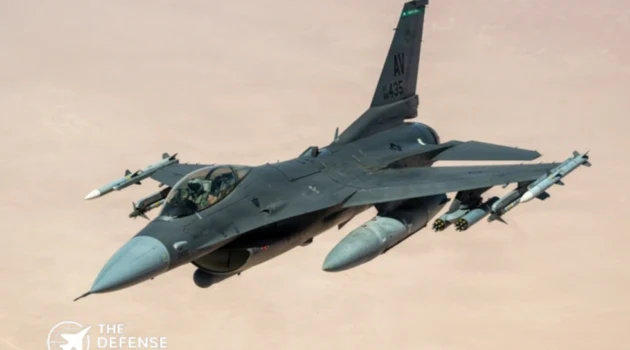
Lockheed Martin has announced an expanded partnership with Sabena Engineering to strengthen long term sustainment support for F-16 Fighting Falcon operators across Europe, including customers acquiring the latest F-16 Block 70/72 variant.
The announcement, made through an official company statement, reflects increasing emphasis on sustainment as European air forces continue operating upgraded legacy F-16 fleets while integrating newly built Block 70/72 aircraft. Rather than focusing solely on aircraft production, the agreement expands maintenance, repair, overhaul, engineering, and technical support capabilities throughout the aircraft’s operational life.
Expanded Cooperation Focuses On Long Term Fleet Readiness
The enhanced agreement builds upon years of cooperation between Lockheed Martin and Sabena Engineering in military aircraft maintenance.
Under the expanded partnership, Sabena Engineering will support a broader range of sustainment services for European F-16 customers. These include:
- Depot level maintenance
- Aircraft repair and overhaul
- Structural modifications
- Engineering support
- Logistics assistance
- Technical services for Block 70/72 operators
The companies aim to increase aircraft availability while reducing maintenance downtime for air forces operating the world’s most widely used fourth generation fighter.
Lockheed Martin noted that sustainment remains a critical component of the F-16 program as more international customers continue to invest in the platform.
Support Extends To New F-16 Block 70/72 Customers
The agreement also positions Sabena Engineering to support operators of the newest F-16 Block 70/72 aircraft.
The latest production variant introduces significant improvements over earlier models, including:
Capability F-16 Block 70/72 Radar AN/APG,83 AESA radar Cockpit Large Area Display Mission Computer Advanced Modular Mission Computer Structural Life Up to 12,000 flight hours Networking Modern Link 16 and advanced datalinks Survivability Enhanced electronic warfare integration These upgrades have attracted numerous international customers seeking affordable multirole fighters with modern avionics and lower operating costs than many fifth generation platforms.
Europe Remains A Key F-16 Operating Region
Although several European NATO members are transitioning toward the F,35 Lightning II, the F-16 continues serving as a frontline aircraft in multiple air forces.
Many operators have invested heavily in service life extension programs, radar upgrades, and new mission systems designed to keep the aircraft operational for decades.
At the same time, several countries have transferred older F-16 aircraft to Ukraine while ordering replacement fighters, creating additional demand for sustainment expertise as fleets undergo modernization.
The expansion of regional maintenance capacity helps reduce reliance on overseas depot facilities and supports faster turnaround for operational aircraft.
Why Sustainment Has Become A Strategic Priority
While fighter aircraft procurement often receives the most public attention, sustainment increasingly determines actual combat readiness.
Modern air forces measure capability not only by the number of aircraft they own, but by the percentage available for missions on any given day. Maintenance delays, supply chain disruptions, and shortages of qualified technicians can significantly reduce operational effectiveness.
For NATO members facing heightened security challenges, improving sustainment infrastructure has become nearly as important as purchasing new aircraft.
Regional maintenance partnerships provide several operational advantages:
- Faster repair cycles
- Improved spare parts availability
- Greater engineering expertise
- Reduced aircraft ferry time
- Enhanced operational resilience during crises
For European operators, expanding industrial capacity within the region also aligns with broader efforts to strengthen defense industrial resilience.
Benefits For Block 70 Production Customers
The agreement arrives as Lockheed Martin continues delivering new production F-16 Block 70/72 aircraft from its Greenville, South Carolina manufacturing facility.
Recent customers include:
- Bulgaria
- Slovakia
- Bahrain
- Taiwan
- Jordan
- Morocco
Additional international customers are expected to receive aircraft over the coming years.
By expanding certified maintenance capability before more aircraft enter operational service, Lockheed Martin aims to establish a mature global support network capable of sustaining fleets throughout their projected decades long service life.
Analysis: Sustainment Is Becoming A Competitive Advantage
The expanded partnership illustrates a broader trend within the global defense aviation market. Manufacturers increasingly compete not only on aircraft performance but also on lifecycle support.
For many governments, the total cost of ownership now plays a central role in procurement decisions. Aircraft that can maintain high availability through efficient maintenance networks often provide greater operational value than platforms offering only marginal performance improvements.
This approach is particularly important for the F-16 program. With more than 3,000 aircraft still operating worldwide, maintaining a reliable international sustainment network helps preserve the platform’s relevance despite the growing adoption of fifth generation fighters.
From a NATO perspective, expanding maintenance capabilities within Europe also strengthens alliance readiness. Distributed sustainment reduces logistical bottlenecks, improves resilience during high operational tempo, and enables allied air forces to return aircraft to service more quickly during extended operations.
The partnership also demonstrates how industrial cooperation has become an increasingly important element of collective defense. Rather than centralizing maintenance in a limited number of locations, allied nations are investing in regional expertise that supports both national sovereignty and alliance interoperability.
As the F-16 remains in frontline service across Europe, the Middle East, Asia, and other regions, sustainment partnerships such as this will continue shaping the aircraft’s operational effectiveness well into the 2040s.
Conclusion
The expanded partnership between Lockheed Martin and Sabena Engineering represents a significant investment in the long term sustainment of one of the world’s most successful fighter aircraft programs. By strengthening European maintenance capacity and extending support to Block 70/72 operators, the agreement enhances aircraft readiness while supporting NATO modernization objectives and the growing international F-16 customer base.
Executive Summary:
Lockheed Martin and RTX have raised their 2026 financial forecasts as the Pentagon increases pressure on defense manufacturers to replenish U.S. weapons inventories depleted by recent military operations and allied support efforts. Record order backlogs and expanding missile production illustrate a broader shift toward sustained defense industrial expansion across the United States and allied markets.
Pentagon Weapons Restocking Drives Lockheed Martin And RTX To Raise 2026 Outlook
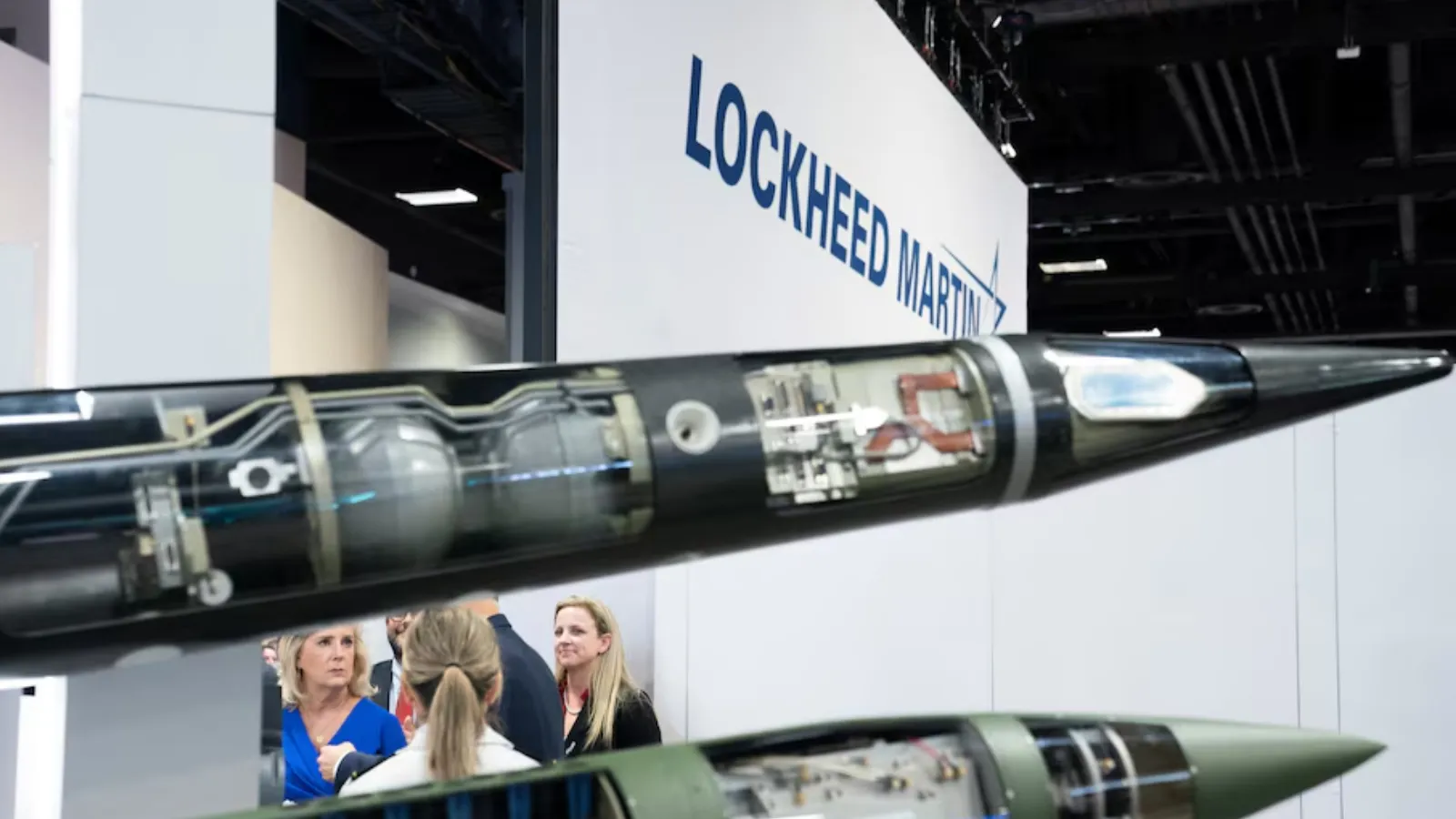
Lockheed Martin and RTX have increased their 2026 revenue and profit guidance as growing Pentagon demand for missiles and air defense systems continues to reshape the U.S. defense industrial base.
The stronger outlook follows second quarter earnings from both companies and reflects sustained procurement driven by U.S. military requirements, allied modernization programs, and efforts to rebuild munitions inventories after years of high operational demand. Reuters first reported the updated forecasts on July 23.
Missile Production Remains The Primary Growth Driver
Lockheed Martin reported particularly strong growth in its Missiles and Fire Control business.
Revenue in the segment increased nearly 20 percent to approximately $4.1 billion, supported by higher production of:
- PAC-3 Missile Segment Enhancement interceptors
- Precision Strike Missiles (PrSM)
- THAAD missile interceptors
The company recently secured a major U.S. government agreement valued at approximately $35 billion to significantly expand THAAD interceptor production, providing additional long term manufacturing workload.
Sales also increased in Lockheed Martin’s Aeronautics business, where higher F-35 production contributed to improved quarterly performance.
RTX Benefits From Defense And Commercial Aerospace Demand
RTX also raised its full year expectations following strong performance across both defense and commercial aerospace businesses.
Its defense portfolio continued to benefit from demand for:
- Air defense systems
- Missile production
- Precision weapons
- Military sensors
At the same time, commercial aerospace remained strong because airlines continue operating older aircraft longer while waiting for new deliveries, increasing demand for maintenance and overhaul services.
RTX reported a total backlog of $289 billion, including:
| Segment | Backlog |
|---|---|
| Commercial Aerospace | $170 Billion |
| Defense | $119 Billion |
| Total | $289 Billion |
Lockheed Martin Backlog Reaches Record Levels
One of the clearest indicators of future production is backlog.
Lockheed Martin’s backlog climbed to approximately $230.4 billion, a year over year increase of more than 38 percent, reflecting both domestic procurement and international orders.
Updated Lockheed Martin Guidance
| Metric | Previous Guidance | Updated 2026 Guidance |
|---|---|---|
| Revenue | $77.5B to $80B | $79.75B to $81.75B |
| EPS | $29.35 to $30.25 | $29.95 to $30.65 |
| Backlog | $166.5B (prior year) | $230.4B |
RTX likewise increased its full year sales forecast to $95 billion to $96 billion while raising adjusted earnings guidance, citing continued strength across defense and aerospace operations.
Why Pentagon Restocking Matters
The higher forecasts are closely tied to the Pentagon’s broader effort to replenish precision munitions consumed during recent operations and ongoing security commitments.
Since 2022, the United States has supplied substantial quantities of military equipment to partners while also supporting its own operational requirements. These demands have highlighted the importance of maintaining larger inventories of advanced missiles and interceptors.
Senior Defense Department officials have repeatedly emphasized the need for industry to accelerate production rates, shorten delivery timelines, and invest in manufacturing capacity capable of supporting prolonged high demand.
Analysis: A Structural Shift In The U.S. Defense Industrial Base
The significance of these earnings extends beyond quarterly financial performance.
For decades, many major defense manufacturers optimized production for relatively stable procurement cycles. Today’s security environment increasingly favors sustained manufacturing capacity rather than temporary production surges.
Several long term trends are becoming apparent:
- Precision guided missile production is becoming a strategic national priority.
- Air defense interceptors remain among the Pentagon’s highest demand items.
- Long term procurement contracts are giving manufacturers greater confidence to expand factories and supplier networks.
- European allies continue increasing purchases of U.S. missile systems as NATO members modernize their inventories.
Record order backlogs at Lockheed Martin and RTX suggest demand extends well beyond immediate replenishment requirements. These backlogs provide production visibility for several years while encouraging investment throughout the broader supplier base, including propulsion manufacturers, electronics producers, and precision component suppliers.
Another notable development is the closer alignment between Pentagon procurement policy and industrial planning. Multi year agreements allow companies to expand facilities and workforce with greater confidence than annual procurement cycles traditionally permitted.
Although supply chain constraints have eased compared with previous years, scaling missile production remains technically challenging. Rocket motors, advanced seekers, specialized electronics, and energetic materials all require highly specialized suppliers whose expansion takes time. Consequently, increased funding alone does not immediately translate into higher production volumes.
For defense planners, these results indicate that rebuilding U.S. inventories is evolving into a multi year industrial effort rather than a short term procurement surge.
Outlook
Lockheed Martin and RTX’s updated forecasts reinforce expectations that missile production, air defense systems, and advanced military aircraft will remain central priorities for both the Pentagon and allied governments through the remainder of the decade.
With record order backlogs and continued government support for expanding manufacturing capacity, both companies appear positioned to play a central role in strengthening U.S. and allied defense readiness as global security requirements continue to drive sustained procurement activity.
Executive Summary:
Lockheed Martin has announced a new lower cost Patriot interceptor, the PAC-3 Adapted Capability Effector (ACE), at the Farnborough International Airshow on July 20, 2026. The company says the missile will cost less than half the price of the current PAC-3 MSE interceptor, aiming to expand production capacity and help allied militaries counter growing missile and drone threats while rebuilding depleted inventories.
Lockheed Martin Introduces Lower Cost Patriot Interceptor
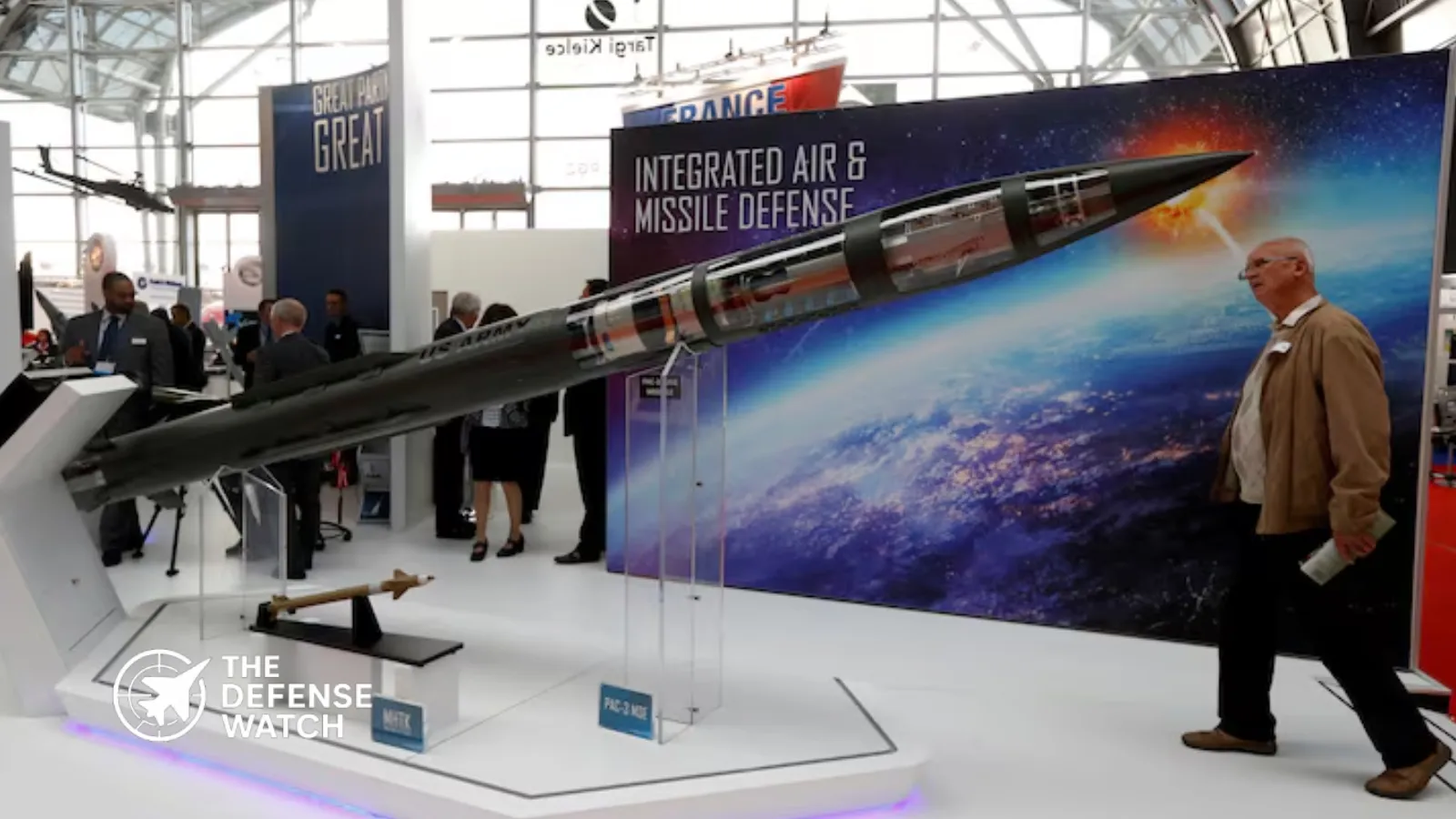
Lockheed Martin has unveiled the PAC-3 Adapted Capability Effector (ACE), a new Patriot interceptor designed to provide a more affordable option for defending against missiles and drones. The announcement was made during the 2026 Farnborough International Airshow, where defense manufacturers are showcasing systems intended to meet rapidly growing global demand for integrated air and missile defense.
According to Lockheed Martin, the new interceptor is expected to cost less than half the price of today’s PAC-3 Missile Segment Enhancement (MSE), which U.S. Army budget documents place at roughly $4 million per interceptor. Initial production is targeted within 36 months, with manufacturing planned alongside U.S. and European industrial partners.
Why Lockheed Is Developing The PAC-3 ACE
Demand for Patriot interceptors has increased sharply since Russia’s full scale invasion of Ukraine, while missile attacks across Europe and the Middle East have highlighted the importance of layered air defense.
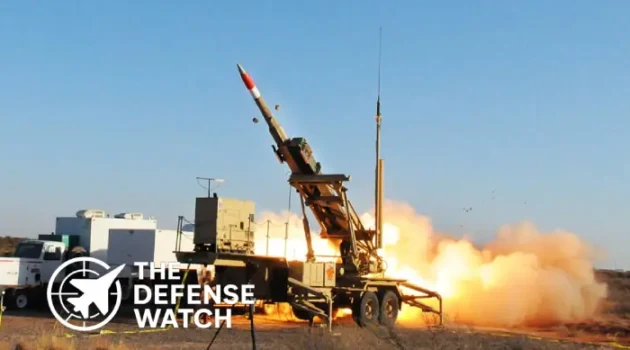
Patriot batteries have become one of the world’s most sought after air defense systems because they are capable of intercepting ballistic missiles, cruise missiles, and advanced aerial threats. However, the high cost of each interceptor has created concerns about sustainability during prolonged conflicts involving large numbers of incoming targets.
Lockheed Martin President of Missiles and Fire Control Tim Cahill said allied forces need an interceptor that is both combat proven and affordable enough to procure in larger quantities.
PAC-3 ACE At A Glance
Feature PAC-3 ACE Developer Lockheed Martin System Compatibility Patriot Air and Missile Defense System Intended Cost Less than half the price of PAC-3 MSE Current PAC-3 MSE Cost Approximately $4 million per interceptor Planned Production Within 36 months Manufacturing U.S. and European industrial partners Primary Mission Counter ballistic missiles, cruise missiles and other aerial threats Specifications are based on information released by Lockheed Martin and reporting available on July 20, 2026.
Addressing A Cost Challenge In Modern Air Defense
The announcement reflects a broader shift in missile defense procurement.
Recent conflicts have demonstrated that defending against relatively inexpensive drones and cruise missiles with premium interceptors can quickly exhaust stockpiles and strain defense budgets. Military planners increasingly seek lower cost interceptors that can preserve advanced missiles for the highest priority threats while maintaining sufficient inventory for sustained operations.
The PAC-3 ACE appears intended to support this approach by reducing procurement costs without requiring operators to replace existing Patriot launchers or command infrastructure. If successful, it could enable nations already operating Patriot systems to purchase significantly larger interceptor inventories within existing defense budgets.
Strategic Importance For The United States And NATO
The timing of the announcement is notable.
European governments continue expanding defense spending while seeking to strengthen domestic industrial capacity following years of elevated demand created by the war in Ukraine. Lockheed’s decision to develop the interceptor with European manufacturing partners aligns with broader efforts to increase production resilience and shorten supply chains across allied nations.
For the United States, expanding interceptor production also supports broader missile defense objectives across Europe, the Indo Pacific, and the Middle East, where Patriot systems remain central to protecting military bases, critical infrastructure, and population centers.
Technical And Industrial Implications
Although Lockheed Martin has not disclosed detailed technical differences between the PAC-3 ACE and the PAC-3 MSE, the emphasis appears to be on manufacturing efficiency rather than introducing an entirely new missile architecture.
Reducing production costs while maintaining compatibility with the Patriot ecosystem could simplify logistics, accelerate deliveries, and reduce training requirements for existing operators. This approach may also allow the company to compete more effectively with emerging defense firms developing lower cost interceptors and counter drone systems.
The challenge will be balancing affordability with the high reliability required for intercepting fast moving ballistic and cruise missile threats, where failure rates carry significant operational consequences.
What Comes Next
Lockheed Martin expects initial production of the PAC-3 ACE within approximately three years, subject to customer demand and program execution. The company has not announced launch customers or procurement quantities.
If development proceeds as planned, the PAC-3 ACE could become an important addition to the Patriot family by offering allied militaries a more economical interceptor while helping rebuild missile defense inventories that have been heavily consumed in recent conflicts.
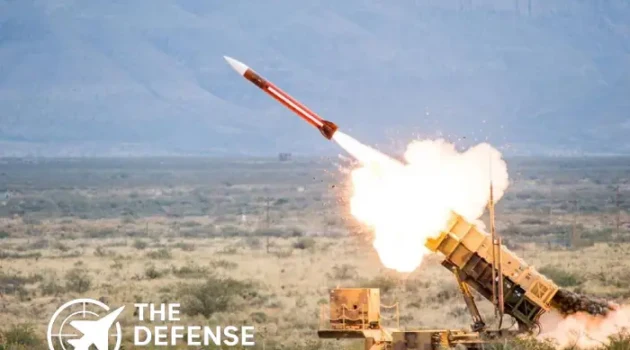

The U.S. Air Force has awarded Lockheed Martin Rotary and Mission Systems a $101.75 million hybrid cost-plus-fixed-fee and firm-fixed-price contract to sustain the Republic of Korea’s Peace Krypton Prime mission equipment, ensuring continued operational availability of one of Seoul’s most important airborne intelligence capabilities through the end of 2030.
- Lockheed Martin received a $101.75 million contract to sustain Republic of Korea Peace Krypton Prime mission equipment through December 2030.
- The award supports maintenance, repair, and lifecycle sustainment of integrated airborne intelligence mission systems.
- The contract was awarded by the U.S. Air Force Life Cycle Management Center under the Foreign Military Sales program.
- Peace Krypton aircraft provide South Korea with long range airborne intelligence, surveillance, and reconnaissance capabilities.
- The long term sustainment effort reinforces allied intelligence readiness on the Korean Peninsula amid evolving regional security challenges.
According to the Air Force Life Cycle Management Center (AFLCMC) at Wright-Patterson Air Force Base, Ohio, the sole-source award supports maintenance, repair, and lifecycle sustainment of an integrated suite of mission equipment and aircraft systems under the U.S. Foreign Military Sales (FMS) program. Initial obligations total $11.71 million in FMS funding, while work will be performed primarily in Colorado Springs, Colorado, with contract completion scheduled for December 31, 2030.
The contract, identified as FA8691-26-C-B010, reflects Washington’s continued support for South Korea’s intelligence, surveillance, and reconnaissance (ISR) infrastructure as the alliance places greater emphasis on persistent airborne sensing across Northeast Asia.
Deep Technical & Strategic Context Analysis
Although the Department of Defense did not disclose the specific aircraft platform in the contract announcement, Peace Krypton is widely associated with the Republic of Korea Air Force’s airborne ISR enterprise. These aircraft collect high value intelligence using advanced electro-optical, infrared, radar, communications intelligence (COMINT), and signals intelligence (SIGINT) systems that support strategic surveillance missions over the Korean Peninsula and surrounding maritime regions.
Mission equipment sustainment is often more critical than routine aircraft maintenance because modern ISR platforms derive much of their operational value from their onboard sensors, processors, secure communications, mission software, and data fusion systems. Continuous maintenance ensures these highly specialized systems remain calibrated, cyber secure, and interoperable with U.S. and allied command networks.
The hybrid contract structure combines firm-fixed-price work, where costs are predictable and performance requirements are well defined, with cost-plus-fixed-fee elements covering engineering support, complex repairs, software integration, and unforeseen technical issues. This approach balances cost control with the flexibility needed to support sophisticated mission electronics that may require evolving technical solutions over a five year sustainment period.
For South Korea, maintaining high mission availability of airborne ISR assets has become increasingly important as North Korea expands its missile inventory, electronic warfare capabilities, and mobile launch operations. Persistent airborne surveillance complements space-based reconnaissance and ground sensors by providing rapid intelligence collection during periods of heightened regional tension.
Contract Breakdown & Details
Contract Overview
- Contract Value: $101,750,347
- Contract Type: Hybrid Cost-Plus-Fixed-Fee and Firm-Fixed-Price
- Prime Contractor: Lockheed Martin Rotary & Mission Systems
- Contract Number: FA8691-26-C-B010
- Awarding Agency: Air Force Life Cycle Management Center (AFLCMC)
- Customer: Republic of Korea
- Program: Foreign Military Sales (FMS)
Scope of Work
The contract provides long term sustainment services for:
- Integrated mission equipment maintenance
- Mission system repair
- Aircraft systems sustainment
- Engineering and technical support
- Long term operational readiness
- Lifecycle sustainment of airborne ISR capabilities
Funding Details
- Initial FMS obligation: $11,710,478
- Funding source: Foreign Military Sales, Republic of Korea
- Acquisition method: Sole source award
Performance Schedule
- Primary work location: Colorado Springs, Colorado
- Contract completion: December 31, 2030
Geographic Work Breakdown
| Location | Estimated Share |
|---|---|
| Colorado Springs, Colorado | 100% |
Why This Contract Matters
The award highlights the growing importance of lifecycle sustainment within modern defense procurement. Advanced ISR aircraft depend on increasingly sophisticated mission electronics whose operational effectiveness is determined not only by hardware reliability but also by software updates, cybersecurity, sensor calibration, and systems integration.
For the U.S. and Republic of Korea alliance, maintaining uninterrupted availability of Peace Krypton mission systems strengthens intelligence sharing, enhances early warning capabilities, and supports joint operational planning across one of the world’s most heavily monitored security environments. As Indo-Pacific defense cooperation continues to deepen, sustainment contracts such as this are becoming as strategically significant as new platform acquisitions because they preserve existing operational advantages over potential adversaries.
atOptions = { ‘key’ : ‘e7d18db8b7513fb2a224cf4c3f18bbf0’, ‘format’ : ‘iframe’, ‘height’ : 90, ‘width’ : 728, ‘params’ : {} };Executive Summary:
Lockheed Martin has been selected by the U.S. Department of War to develop a 500 kilowatt class laser weapon under the Joint Laser Weapon System program. The effort is intended to strengthen U.S. defenses against cruise missiles, drones, and other advanced airborne threats by advancing high power directed energy technology that can provide rapid, low cost interception.
Lockheed Martin Wins Major Directed Energy Contract For 500 kW Laser Weapon
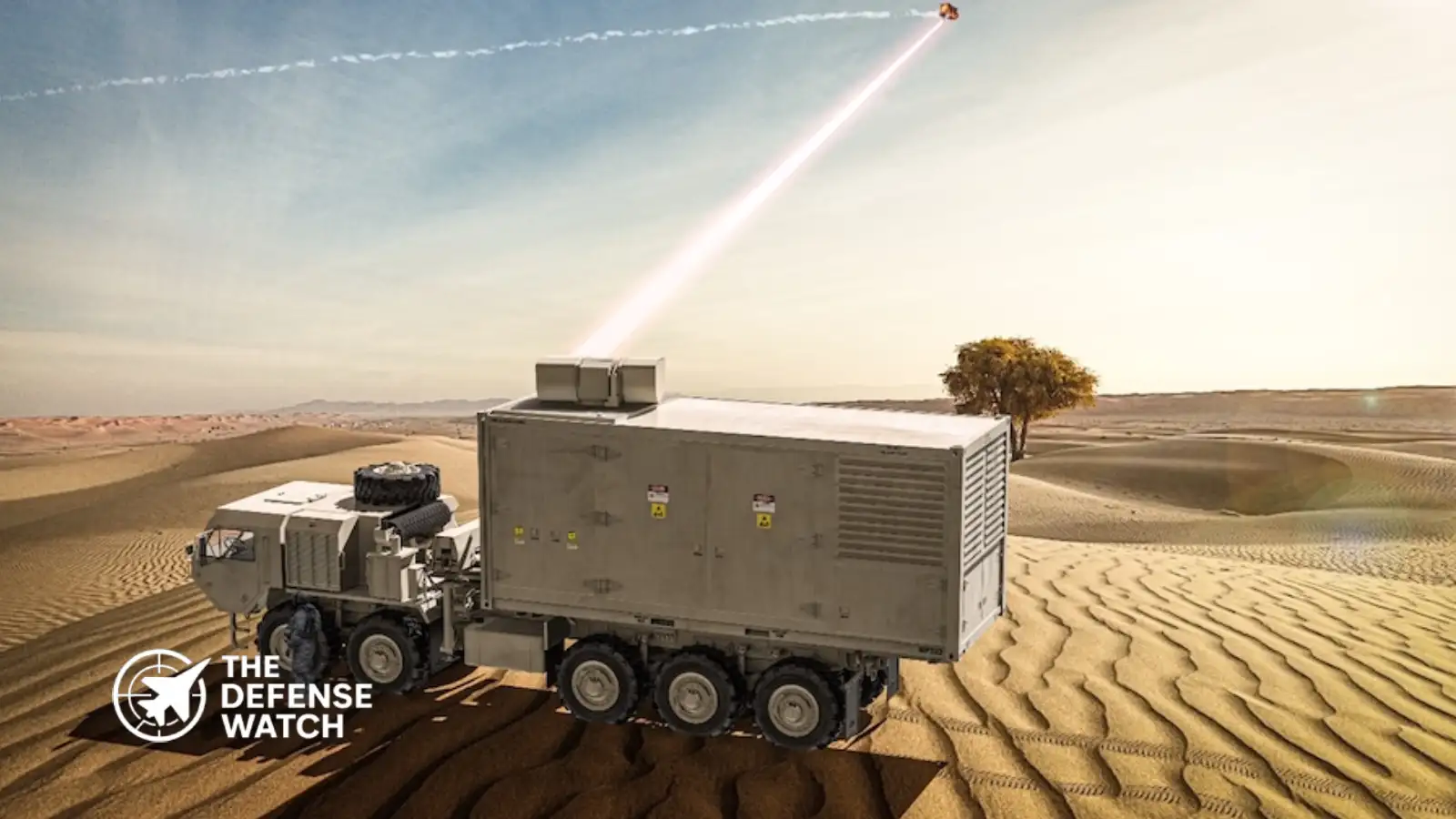
Lockheed Martin has secured a major U.S. Department of War contract to develop a 500 kilowatt class laser weapon system capable of defending military forces against cruise missiles, drones, and other advanced aerial threats. The award forms part of the Pentagon’s Joint Laser Weapon System (JLWS) effort, a next generation directed energy program designed to mature high power laser technology for operational deployment.
The initial contract awarded to Lockheed Martin’s Aculight business is valued at approximately $44 million, while the broader program could reach $627 million for the company if future development, integration, and production options are exercised. The overall Joint Laser Weapon System effort has a ceiling value of roughly $847 million, with another industry participant also selected to support the program.
(adsbygoogle = window.adsbygoogle || []).push({});Building On The HELSI Program
The latest contract represents the next step in Lockheed Martin’s long running investment in high energy laser weapons.
The company previously developed a 300 kilowatt class laser under the Department of Defense’s High Energy Laser Scaling Initiative (HELSI). In 2023, Lockheed Martin announced work to scale that technology to the 500 kilowatt class, emphasizing improvements in beam quality, efficiency, thermal management, and overall system size and weight.
According to Lockheed Martin, the objective is to deliver a laser capable of maintaining excellent beam quality while generating substantially greater power, enabling the engagement of more demanding targets.
Why A 500 kW Laser Matters
Directed energy weapons are increasingly viewed as an important complement to traditional missile based air defense.
Unlike interceptor missiles, laser weapons engage targets using concentrated energy rather than explosive projectiles. As long as sufficient electrical power is available, they can fire repeatedly without requiring conventional ammunition.
Potential advantages include:
| Capability | Operational Benefit |
|---|---|
| Speed of light engagement | Near instantaneous response against fast moving threats |
| Deep magazine | Multiple engagements without missile reloads |
| Low cost per shot | Far cheaper than firing interceptor missiles |
| Precision effects | Reduced collateral damage in many scenarios |
| Scalable power | Ability to address drones, cruise missiles, and potentially larger threats |
These characteristics have become increasingly attractive as militaries confront growing numbers of inexpensive drones and increasingly sophisticated cruise missiles.
(adsbygoogle = window.adsbygoogle || []).push({});Designed To Counter Modern Air Threats
The Joint Laser Weapon System is intended to provide another defensive layer against several categories of airborne threats.
Expected mission sets include:
- Cruise missile defense
- Counter drone operations
- Protection against drone swarms
- Defense of military bases
- Critical infrastructure protection
Lockheed Martin has previously demonstrated its Layered Laser Defense (LLD) system against surrogate cruise missiles and unmanned aircraft, showing the potential of fiber laser technology combined with advanced beam control and adaptive optics.
Technical Challenges Still Remain
Although laser technology has advanced significantly over the past decade, fielding a 500 kilowatt operational weapon presents several engineering challenges.
Among the most significant are:
- Supplying sufficient electrical power in operational environments.
- Managing the large amounts of heat generated during continuous firing.
- Maintaining beam quality over long distances.
- Preserving effectiveness in rain, dust, smoke, humidity, or atmospheric turbulence.
- Integrating the system with existing air defense sensors and command networks.
These factors explain why the Department of War continues to invest in phased technology maturation rather than immediate large scale deployment.
Strategic Significance For U.S. Missile Defense
The award reflects a broader Pentagon effort to expand directed energy capabilities as part of the evolving U.S. air and missile defense architecture.
Modern conflicts have demonstrated that defending against large numbers of inexpensive drones with multimillion dollar interceptor missiles is economically difficult. Directed energy systems offer the possibility of dramatically lowering the cost of defeating mass attacks while preserving valuable missile inventories for more demanding targets.
The program also aligns with wider investments supporting the U.S. homeland missile defense initiative and future integrated air defense modernization, where high energy lasers could eventually complement kinetic interceptors instead of replacing them entirely.
What Comes Next
Under the new contract, Lockheed Martin will continue developing, integrating, and demonstrating the 500 kilowatt laser technology before potential production decisions are made.
If successful, the Joint Laser Weapon System could become one of the most powerful operational directed energy weapons developed by the United States, providing military commanders with an additional option for defending installations and deployed forces against rapidly evolving missile and drone threats.
Rather than replacing traditional air defense systems, the laser is expected to become part of a layered defense architecture that combines radars, command and control networks, interceptor missiles, electronic warfare capabilities, and directed energy weapons.
(adsbygoogle = window.adsbygoogle || []).push({});Executive Summary:
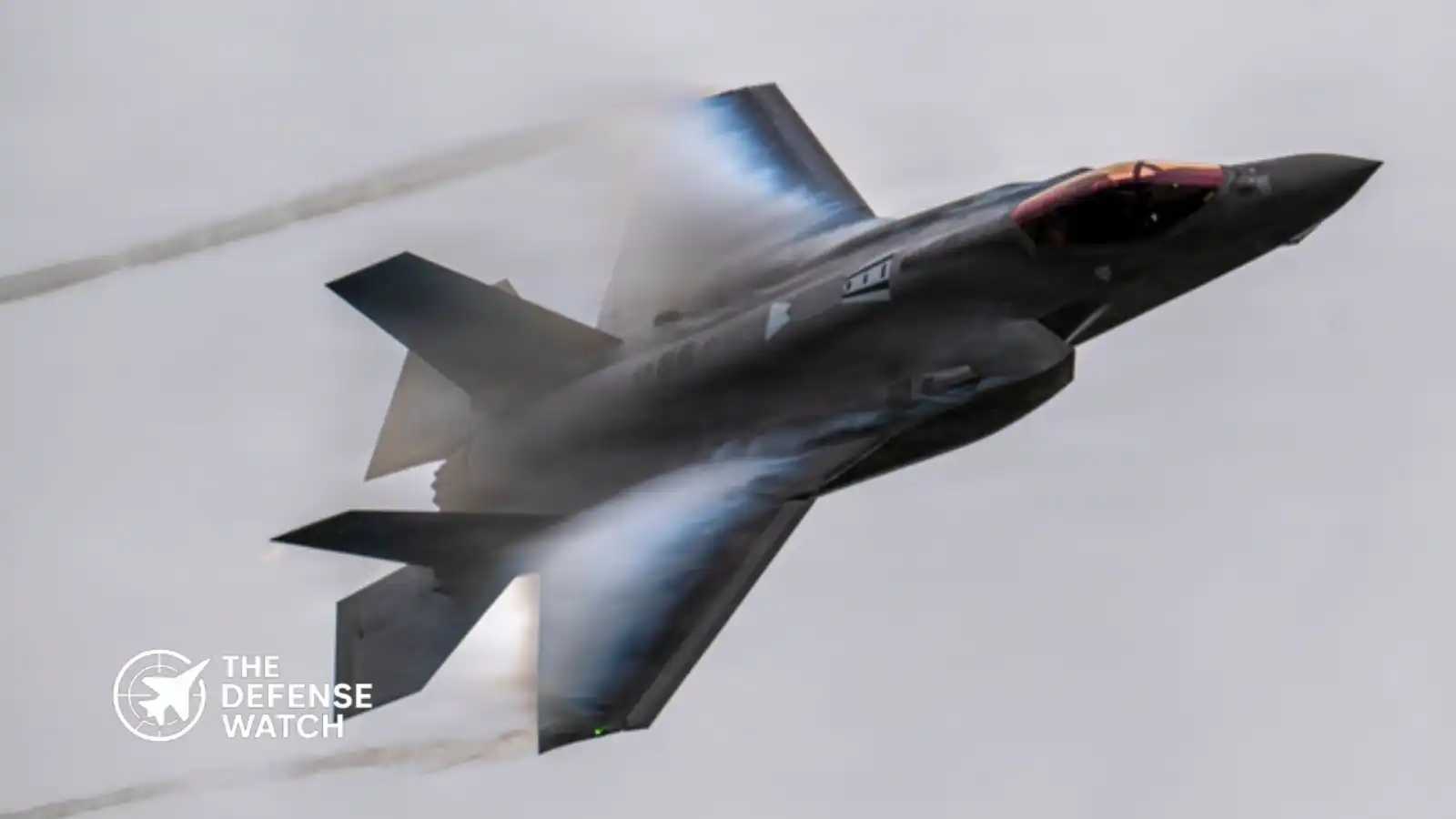
Switzerland has announced that the industrial offset program tied to its Lockheed Martin F 35A fighter acquisition is now expected to significantly exceed contractual requirements. New offset agreements are projected to raise industrial participation to approximately 73 percent of the contract value, strengthening Swiss defense manufacturing, technology transfer, and long term aerospace capabilities.
Swiss F 35A Offset Program Expected To Surpass Contract Targets
The Swiss government has announced that the industrial offset package supporting its F 35A Lightning II fighter procurement is expected to substantially exceed the participation targets established under the acquisition contract.
According to an official statement released by armasuisse on July 7, 2026, new offset projects agreed with Lockheed Martin are projected to increase total industrial participation to roughly 73 percent of the contract value, well above the required 60 percent established under Switzerland’s Air2030 modernization program.
The announcement represents an important milestone for the industrial side of Switzerland’s largest defense procurement program, which aims not only to field fifth generation fighters but also to expand domestic technological expertise and security related industrial capacity.
(adsbygoogle = window.adsbygoogle || []).push({});New Projects Focus On Critical Defense Capabilities
The latest offset package introduces several projects intended to build long term sovereign capabilities within Switzerland rather than simply generate commercial contracts.
Among the newly identified initiatives are:
Project Intended Benefit F135 engine training system Technical knowledge transfer using a train the trainer model F 35 canopy manufacturing and repair Domestic aerospace production and maintenance capability Cybersecurity training Protection of F 35 related information networks Training ammunition development Increased domestic defense industrial expertise Swiss officials said these projects strengthen security relevant technologies while improving industrial resilience and operational readiness over the long term.
(adsbygoogle = window.adsbygoogle || []).push({});Regional Participation Also Exceeds Expectations
The updated offset package is also expected to outperform regional participation targets established by the Swiss government.
Current projections indicate:
Region Contract Target Expected Share German speaking Switzerland 65% In line with allocation French speaking Switzerland 30% Approximately 43% Italian speaking Switzerland 5% Approximately 12% Officials estimate that French speaking regions will exceed their allocation by roughly 40 percent, while Italian speaking Switzerland could surpass its target by approximately 140 percent if all projects are completed successfully.
atOptions = { ‘key’ : ‘e7d18db8b7513fb2a224cf4c3f18bbf0’, ‘format’ : ‘iframe’, ‘height’ : 90, ‘width’ : 728, ‘params’ : {} };More Than One Billion Dollars Already Credited
As of June 30, 2026, offset transactions worth approximately US$1.03 billion have already been credited to Lockheed Martin under the Swiss offset register.
That represents roughly one third of the company’s total industrial participation obligation, which amounts to approximately US$3 billion.
Swiss authorities emphasized that newly announced projects will only count toward those obligations after they have been fully implemented and independently verified by armasuisse through contracts, invoices, performance documentation, and other supporting evidence.
Why Offset Agreements Matter
Offset agreements have become a central feature of many international fighter aircraft acquisitions.
Rather than serving solely as financial compensation, they allow purchasing nations to gain long term industrial, technological, and workforce benefits from major defense programs.
For Switzerland, the new projects focus on developing expertise in:
- Advanced aerospace manufacturing
- Engine support and maintenance
- Defense cybersecurity
- High technology production
- Aerospace workforce training
These investments are designed to ensure that knowledge generated through the F 35 program remains inside the country while supporting future maintenance and sustainment activities.
Strategic Significance Beyond Aircraft Procurement
The expanded offset package carries importance beyond Switzerland’s defense industry.
For Lockheed Martin, demonstrating successful industrial participation helps reinforce confidence among international F 35 customers at a time when governments increasingly expect defense procurements to generate domestic economic and technological returns.
For Switzerland, the announcement also helps address one of the longstanding political priorities surrounding the Air2030 program, ensuring that the acquisition delivers measurable industrial benefits alongside new military capability.
Although Switzerland has faced budgetary pressures surrounding its F 35 acquisition earlier this year, the government has continued to move forward with production activities. The first Swiss F 35A entered final assembly in the United States in May 2026, with pilot training scheduled to begin in Arkansas before aircraft deliveries to Switzerland from mid 2027.
Broader Defense Industry Implications
The Swiss approach reflects a broader trend in international defense procurement, where industrial participation has become nearly as important as platform performance.
Modern fighter programs increasingly include technology transfer, research partnerships, cybersecurity cooperation, maintenance capability, and advanced manufacturing initiatives that can strengthen national defense ecosystems for decades after aircraft delivery.
If the current offset package is implemented as planned, Switzerland would receive industrial participation well above its contractual requirement, potentially making the F 35 procurement one of the country’s most significant defense industrial development initiatives in recent years.
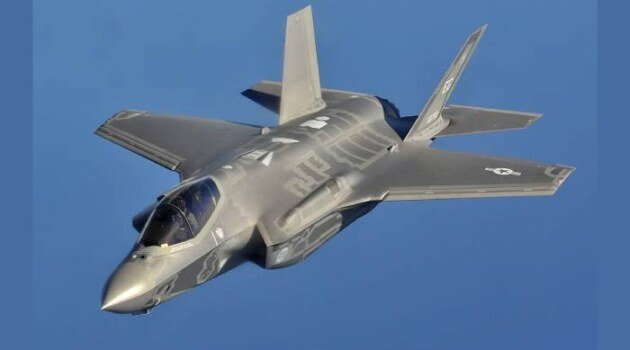
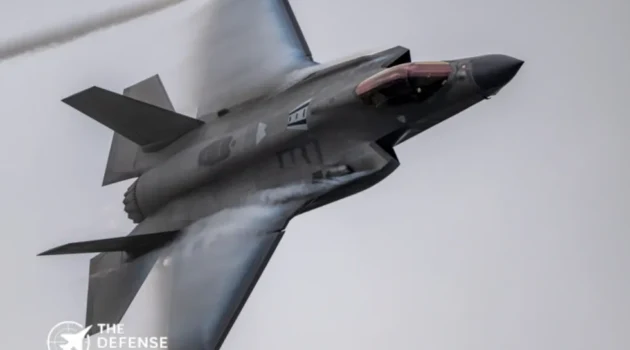

- Lockheed Martin received a $502.38 million U.S. Army contract to provide post production support for M TADS PNVS systems used on AH 64 Apache helicopters.
- The contract supports Apache fleets operated worldwide under international military agreements through July 2031.
- Sustainment covers one of the Apache’s most critical electro optical targeting and pilot night vision sensor suites.
- The hybrid contract structure balances government oversight with fixed price procurement for defined support activities.
- Army Contracting Command at Redstone Arsenal will issue individual task orders as operational requirements emerge.
The U.S. Department of Defense has awarded Lockheed Martin a potential $502.38 million hybrid contract to provide long term post production support for the Modernized Target Acquisition Designation Sight/Pilot Night Vision Sight (M TADS/PNVS) installed on AH 64 Apache attack helicopters.
According to the award announcement, Army Contracting Command at Redstone Arsenal, Alabama, is managing the contract on behalf of the U.S. Army. The agreement supports Apache helicopters fielded worldwide through international agreements, including Foreign Military Sales (FMS) and other allied defense cooperation programs. Contract performance is scheduled to continue until July 5, 2031.
The contract combines cost no fee, cost plus fixed fee, and firm fixed price elements, allowing the Army to tailor individual task orders according to technical complexity and operational requirements. Work locations and funding allocations will be determined separately for each order issued during the five year ordering period.
Deep Technical & Strategic Context Analysis
The M TADS/PNVS is among the most important mission systems aboard the AH 64 Apache. Developed by Lockheed Martin, the sensor suite integrates high resolution forward looking infrared (FLIR), daylight television cameras, laser rangefinding, laser target designation, and target tracking into a stabilized turret mounted beneath the helicopter’s nose. The system enables Apache crews to detect, identify, designate, and engage armored vehicles, air defense systems, and other battlefield targets during both day and night operations.
Modern Apache variants, particularly the AH 64E Guardian, increasingly rely on the M TADS/PNVS to support long range precision engagement while operating in highly contested environments. As militaries place greater emphasis on multidomain operations, the sensor package also supports network enabled targeting, data sharing with unmanned aerial systems, and rapid engagement of mobile threats. Sustaining these complex electro optical systems is therefore as strategically important as maintaining the aircraft itself, particularly as Apache fleets continue operating across Europe, the Indo Pacific, and the Middle East.
The contract’s hybrid acquisition structure reflects the differing levels of technical uncertainty across sustainment activities. Cost plus fixed fee portions are typically used when engineering effort or repair complexity cannot be fully predicted in advance, ensuring contractors are reimbursed for allowable costs while receiving a predetermined management fee. Firm fixed price orders, by contrast, apply to well defined repair, logistics, or supply activities where costs are more predictable, reducing financial risk for the government.
Contract Breakdown & Details
Contract Value
- Total contract ceiling: $502,381,686
- Contractor: Lockheed Martin Corporation
- Location: Orlando, Florida
- Contract number: W58RGZ-26-D-0052
Supported System
- Platform: AH 64 Apache attack helicopter
- System: Modernized Target Acquisition Designation Sight/Pilot Night Vision Sight (M TADS/PNVS)
- Mission: Precision targeting, laser designation, pilot night vision, surveillance, and target tracking
Contract Type
- Cost No Fee
- Cost Plus Fixed Fee
- Firm Fixed Price
This blended approach allows the Army to efficiently manage both predictable sustainment tasks and technically uncertain engineering support activities throughout the contract period.
Performance Period
- Estimated completion: July 5, 2031
- Work locations: Determined by individual task orders
- Funding: Assigned with each order rather than obligated upfront
Competition
- Solicitation: One bid requested
- Offers received: One
Geographic Work Breakdown
The Department of Defense announcement did not disclose a geographic percentage breakdown for contract performance. Work locations will be identified individually as future support orders are issued to meet operational requirements across global Apache operators.
Funding Breakdown
The announcement states that funding will be determined with each individual order. No initial obligation or funding distribution by appropriation account was disclosed at the time of award.
Why This Contract Matters
Although the award focuses on sustainment rather than new production, it directly supports the long term operational readiness of one of the world’s most widely deployed attack helicopters. More than a dozen nations operate Apache aircraft, and the M TADS/PNVS remains central to the platform’s combat effectiveness.
As global security conditions continue to drive high operational demand for attack helicopters, maintaining advanced electro optical targeting systems has become increasingly important. The contract ensures that U.S. and allied Apache fleets can continue receiving engineering support, repairs, component upgrades, logistics assistance, and lifecycle sustainment for a mission critical sensor suite through the beginning of the next decade.
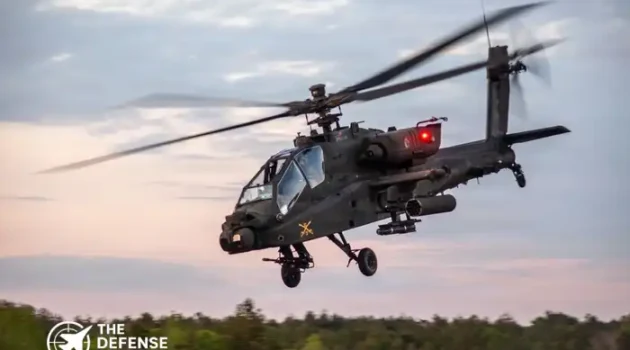

Lockheed Martin has secured a new U.S. Navy contract worth up to $1.38 billion to provide engineering, integration, testing, and sustainment services for the AEGIS Combat System, one of the world’s most capable naval air and missile defense architectures.
According to the Naval Sea Systems Command (NAVSEA), Lockheed Martin Rotary and Mission Systems, based in Moorestown, New Jersey, received an initial $60.6 million cost-plus-award-fee, cost-plus-fixed-fee, and cost (no-fee) contract to support AEGIS ship integration and testing for surface combatants and associated tactical sites.
The contract contains multiple options that could increase its total value to approximately $1.383 billion if exercised, extending work through June 2036. The award was competitively procured through the System for Award Management (SAM) website, with two offers received.
- Lockheed Martin received an initial $60.6 million Navy contract that could grow to $1.38 billion through exercised options.
- The work supports integration, testing, sustainment, and modernization of the AEGIS Combat System aboard U.S. Navy surface combatants.
- Engineering efforts also cover AEGIS Ashore ballistic missile defense facilities in Romania and Poland.
- The contract ensures long term combat system readiness as the Navy expands missile defense and integrated air defense capabilities.
- Performance is scheduled through 2027, with options extending work until June 2036.
Deep Technical & Strategic Context Analysis
The AEGIS Combat System serves as the backbone of U.S. Navy air and missile defense operations. Installed aboard Arleigh Burke-class guided missile destroyers, Ticonderoga-class cruisers, and adapted for Aegis Ashore missile defense installations in Europe, the system combines powerful phased array radar, command and control software, advanced fire control, and interceptor missiles into an integrated combat architecture.
Modern AEGIS configurations employ the AN/SPY-1 radar on legacy ships and increasingly the AN/SPY-6(V) Air and Missile Defense Radar on newer destroyers. Together with the Baseline 9 and Baseline 10 software architectures, the combat system enables simultaneous engagement of ballistic missiles, cruise missiles, hypersonic glide vehicle threats under development, aircraft, unmanned aerial systems, and surface targets. The Navy continues upgrading AEGIS to support Integrated Air and Missile Defense (IAMD), Cooperative Engagement Capability (CEC), and Joint All Domain Command and Control (JADC2), making software integration and continuous testing as strategically important as hardware modernization.
This contract primarily funds the engineering required to ensure new combat system software, sensors, launch systems, and weapons function reliably across multiple ship classes. Unlike a production contract for new ships or missiles, this effort focuses on systems integration, verification, and operational testing, reducing technical risk before fleet-wide deployment.
The contract structure also reflects the complexity of combat system engineering. A cost-plus-award-fee arrangement reimburses allowable costs while providing additional incentives for exceptional technical performance and schedule execution. A cost-plus-fixed-fee component pays a predetermined fee regardless of actual costs, reducing contractor incentives to cut corners while supporting highly uncertain engineering work where precise costs cannot be estimated in advance. Such contract types are commonly used for sophisticated defense software development, systems integration, and test activities where technical challenges evolve throughout execution.
Contract Breakdown & Details
Scope of Work
Lockheed Martin will provide:
- AEGIS combat system integration
- Engineering support
- Developmental and operational testing
- Mission planning support
- Combat system verification
- Surface combatant modernization support
- Support for related tactical test facilities
- Lifecycle sustainment of deployed combat systems
The work supports operational readiness across active fleet units while enabling future combat system upgrades.
Geographic Distribution of Work
The contract work will be performed across several key naval engineering and fleet support locations:
| Location | Share of Work |
|---|---|
| Moorestown, New Jersey | 36% |
| Norfolk/Virginia Beach, Virginia | 25% |
| Bath, Maine | 11% |
| Pascagoula, Mississippi | 10% |
| San Diego, California | 9% |
| Deveselu, Romania | 4% |
| Redzikowo, Poland | 3% |
| Other locations | 2% |
The inclusion of Romania and Poland highlights continued U.S. support for NATO’s Aegis Ashore ballistic missile defense network, which forms a key component of the European Phased Adaptive Approach designed to defend allied territory against ballistic missile threats.
Funding Breakdown
Initial obligations total more than $19 million, sourced from multiple Navy appropriations:
- 43%, Fiscal Year 2026 Operations and Maintenance (Navy)
- 27%, Fiscal Year 2026 Other Procurement (Navy)
- 16%, Fiscal Year 2024 Shipbuilding and Conversion (Navy)
- 4%, Fiscal Year 2020 Shipbuilding and Conversion
- 4%, Fiscal Year 2017 Shipbuilding and Conversion
- 4%, Fiscal Year 2023 Shipbuilding and Conversion
- 2%, Fiscal Year 2021 Shipbuilding and Conversion
The Navy noted that $8.24 million of Fiscal Year 2026 Operations and Maintenance funding will expire at the end of the current fiscal year.
Contract Timeline
Initial Award Value: $60.6 million
Maximum Potential Value: $1.383 billion
Completion of Base Period: June 2027
Potential Completion with Options: June 2036
Contract Type: Cost-plus-award-fee, cost-plus-fixed-fee, and cost (no-fee)
Contracting Activity: Naval Sea Systems Command (NAVSEA), Washington, D.C.
Contract Number: N00024-26-C-5341
Award Date: June 30, 2026
Strategic Importance
As missile threats continue to evolve, particularly from increasingly capable ballistic, cruise, and hypersonic weapons, maintaining the AEGIS Combat System’s software and systems integration is becoming as critical as procuring new ships. The Navy’s modernization strategy depends on continuously updating combat systems across existing destroyers while ensuring interoperability with new sensors, Standard Missile variants, allied missile defense networks, and emerging command and control architectures.
The inclusion of Aegis Ashore facilities in Romania and Poland also underscores the contract’s significance beyond the U.S. fleet. It reinforces NATO’s integrated missile defense posture while ensuring the same engineering standards support both deployed warships and fixed ballistic missile defense sites.
- Lockheed Martin Space received an $83.18 million contract modification to procure additional All Up Rounds for U.S. Army requirements.
- The award supports the Navy-led Conventional Prompt Strike program, which shares key technologies with the Army’s Long Range Hypersonic Weapon.
- Nearly $79.3 million in Army missile procurement funding was obligated immediately at contract award.
- Production work will be distributed across Colorado, Utah, Alabama, Connecticut, New York, California, and other U.S. industrial sites.
- The contract reinforces U.S. efforts to field operational hypersonic strike capabilities amid intensifying competition with China and Russia.
Lockheed Martin Space has been awarded an $83.18 million cost-plus-incentive-fee contract modification to procure additional hypersonic missile All Up Rounds (AURs) for the U.S. Army under the Navy’s Conventional Prompt Strike (CPS) program.
The award, announced by the U.S. Department of Defense, modifies contract N00030-22-C-1025 and was issued by Strategic Systems Programs (SSP), the Navy organization responsible for managing the nation’s sea-based strategic deterrent and the Conventional Prompt Strike initiative. The procurement will expand inventory available to the Army as the Pentagon continues transitioning hypersonic weapons from developmental testing into operational deployment.
The modification was awarded on a sole-source basis under 10 U.S. Code 3204(a)(1), which permits contracting without full competition when only one responsible source can satisfy government requirements.
Deep Technical & Strategic Context Analysis
The contract centers on the procurement of additional All Up Rounds, the complete missile assemblies intended for operational use rather than developmental components. Within the CPS architecture, these rounds incorporate the Common Hypersonic Glide Body (C-HGB), a maneuverable hypersonic vehicle designed to travel at speeds exceeding Mach 5 while remaining capable of changing trajectory during flight. This maneuverability significantly complicates interception compared with traditional ballistic missiles.
The Navy’s Conventional Prompt Strike program and the Army’s Long Range Hypersonic Weapon (LRHW), also known as Dark Eagle, are closely linked through a common missile design and shared glide body technology. By leveraging a joint development approach, the Pentagon seeks to reduce costs, accelerate production, and create a common hypersonic strike ecosystem across multiple military services. The Army’s LRHW batteries and the Navy’s future ship and submarine based CPS launch systems are expected to provide commanders with the ability to engage high-value targets at long ranges with minimal warning time.
The use of a cost-plus-incentive-fee contract is notable because it reflects the technical complexity and ongoing maturation of hypersonic weapon production. Under this arrangement, the government reimburses allowable development and manufacturing costs while providing performance-based incentives tied to schedule, cost control, and technical outcomes. Such contract structures are common for advanced defense programs where production processes continue to evolve and technical risk remains significant.
Strategically, the award underscores the Pentagon’s determination to expand hypersonic inventories following years of intensive testing and capability demonstrations. U.S. military planners increasingly view hypersonic weapons as essential for penetrating sophisticated anti-access and area-denial networks developed by near-peer competitors, particularly in the Indo-Pacific theater. Additional missile procurement also indicates growing confidence in transitioning the capability toward sustained operational fielding.
Contract Breakdown & Details
Contract Value
- Award Amount: $83,180,528
- Contract Number: N00030-22-C-1025 (Modification P00093)
- Prime Contractor: Lockheed Martin Space
- Contract Type: Cost-Plus-Incentive-Fee (CPIF)
- Contracting Agency: Strategic Systems Programs (SSP), Washington, D.C.
- Acquisition Method: Sole-source procurement
Purpose of the Award
- Procurement of additional All Up Rounds (AURs)
- Supports U.S. Army operational requirements
- Executed under the Navy’s Conventional Prompt Strike program
- Expands inventory of deployable hypersonic missile systems
Funding Details
- Funding Source: Fiscal Year 2025 Missile Procurement, Army Reconciliation Munitions funds
- Amount Obligated at Award: $79,251,957
- Expiration Status: Funds will remain available and will not expire at the end of the current fiscal year
Industrial Base Distribution
Work will be performed across multiple facilities supporting the CPS industrial supply chain:
| Location | Share of Work |
|---|---|
| Denver, Colorado | 31% |
| Magna, Utah | 26% |
| Cortland, Alabama | 14% |
| Simsbury, Connecticut | 10% |
| East Aurora, New York | 7% |
| Owego, New York | 7% |
| Sunnyvale, California | 2% |
| Other U.S. locations | 3% |
Program Schedule
- Expected Completion Date: June 30, 2029
- Supports long-term production ramp-up and inventory growth for future Army hypersonic formations.
Why This Contract Matters
The latest modification highlights how the Pentagon is moving beyond experimental hypersonic testing and toward building meaningful stockpiles of operational weapons. While previous headlines surrounding the Conventional Prompt Strike and Dark Eagle programs largely focused on flight tests and developmental milestones, this award reflects a more practical phase centered on manufacturing capacity and inventory accumulation.
For Lockheed Martin, the contract further strengthens its position as a central industrial partner in America’s hypersonic weapons enterprise. For the U.S. military, additional missile procurement is a critical step toward creating a credible long-range conventional strike capability capable of rapidly engaging time-sensitive targets across contested regions.
As the United States seeks to match and eventually surpass advances made by China and Russia in hypersonic weapons deployment, production-focused awards such as this one may prove as strategically significant as the test launches that initially demonstrated the technology’s potential.
(adsbygoogle = window.adsbygoogle || []).push({});Executive Summary:
Lockheed Martin has unveiled HIMARS FLEX, a new modular version of its widely used High Mobility Artillery Rocket System. The system introduces dual-pod launcher options, expanded munition compatibility, and the ability to support both offensive strike missions and defensive air and missile defense roles. The development reflects growing military demand for flexible, multi-mission launch platforms.
Lockheed Martin Introduces HIMARS FLEX At Eurosatory 2026
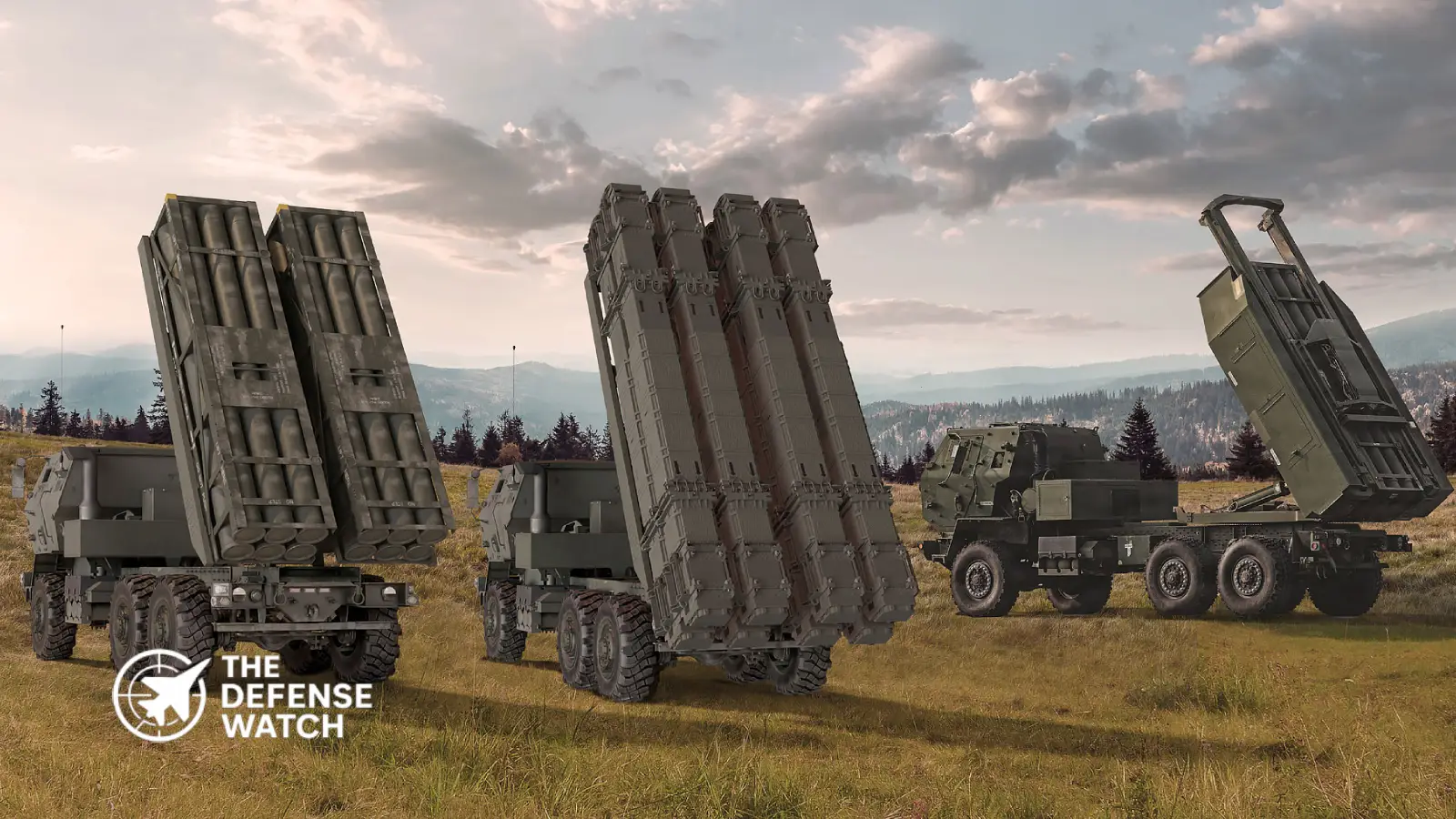
HIMARS FLEX is Lockheed Martin’s latest evolution of the combat proven High Mobility Artillery Rocket System, unveiled during the Eurosatory 2026 defense exhibition in Paris. The new configuration expands the traditional HIMARS concept by introducing a modular launcher architecture capable of supporting a wider range of offensive and defensive missions.
The centerpiece of the new design is a dual-pod launcher arrangement that significantly increases available missile capacity compared with the standard M142 HIMARS launcher. According to company information released during the event, the system can carry twice the munition load of the current single-pod configuration while maintaining strategic mobility and compatibility with existing NATO weapons inventories.
A Shift Toward Multi-Mission Launcher Platforms
The introduction of HIMARS FLEX reflects a broader trend in military modernization programs. Armed forces increasingly seek systems capable of performing multiple roles without requiring separate dedicated launchers for strike and air defense missions.
Unlike the standard HIMARS, which primarily serves as a precision strike platform, HIMARS FLEX is designed to support both deep fires and defensive intercept missions. The launcher can reportedly employ existing munitions such as Guided Multiple Launch Rocket System (GMLRS) rockets, Extended Range GMLRS, Army Tactical Missile System (ATACMS), and the Precision Strike Missile (PrSM). It also introduces compatibility with air and missile defense interceptors, including the PAC-3 family.
(adsbygoogle = window.adsbygoogle || []).push({});This approach aligns with ongoing efforts by Western militaries to improve force survivability and operational flexibility in contested environments where missile, drone, and air threats continue to expand.
Dual-Pod Configuration Increases Firepower
One of the most significant changes is the launcher’s dual-pod arrangement. Current M142 HIMARS launchers carry a single rocket pod containing six GMLRS rockets, two PrSM missiles, or one ATACMS missile. HIMARS FLEX effectively doubles available launch capacity through its modular architecture.
The increased payload could provide commanders with greater tactical flexibility by reducing reload frequency and enabling mixed munition loads tailored to mission requirements.
For expeditionary forces, maintaining high rates of fire while reducing logistics demands remains a critical operational advantage. The ability to carry both strike and defensive interceptors simultaneously could allow units to engage multiple threat types without repositioning specialized assets.
(adsbygoogle = window.adsbygoogle || []).push({});Supporting The Future Of Integrated Fires
Lockheed Martin says HIMARS FLEX is built around its FLEXFires technology ecosystem, a software-driven architecture intended to simplify integration of emerging weapons and mission systems. The platform also incorporates provisions for optional autonomous operation, reflecting the defense industry’s growing focus on automation and reduced crew workloads.
The unveiling comes as the HIMARS family continues to expand globally. Multiple NATO and partner nations have recently acquired or received new launchers, including Canada, Lithuania, Estonia, and Australia, as demand for long-range precision fires remains high.
At the same time, the U.S. Army continues to develop new HIMARS-compatible munitions, including the Precision Strike Missile Increment 2, which recently demonstrated the ability to engage moving maritime targets during flight testing.
Analysis: Why HIMARS FLEX Matters
The significance of HIMARS FLEX extends beyond increased rocket capacity. The system represents an effort to merge traditionally separate mission areas, long-range precision strike and air defense, into a single deployable platform.
(adsbygoogle = window.adsbygoogle || []).push({});Modern battlefields increasingly require forces to counter drones, cruise missiles, ballistic missiles, and conventional ground targets simultaneously. Maintaining separate launcher fleets for each mission can increase logistics burdens, training requirements, and deployment complexity.
By offering modular launcher configurations and compatibility with a broader range of interceptors and strike weapons, HIMARS FLEX could provide military planners with a more adaptable solution for distributed operations. The concept is particularly relevant for NATO forces operating across large geographic areas where mobility, survivability, and rapid response are becoming increasingly important.
Whether the new configuration progresses into production will depend on customer interest and future procurement decisions. However, the unveiling demonstrates how Lockheed Martin is positioning the HIMARS family to remain relevant as military requirements evolve beyond traditional rocket artillery roles.