
France Armed Drone Squadrons Mark Strategic Airpower Shift
France armed drone squadrons are becoming a central pillar of the country’s evolving air combat doctrine, as the French Air and Space Force moves to integrate unmanned systems and loyal wingman concepts into frontline operations.
Paris is restructuring its aerial force posture to include dedicated armed drone units capable of executing strike, surveillance, and support missions alongside manned aircraft.
This shift reflects a broader reassessment of modern warfare, where unmanned platforms are increasingly shaping battlefield outcomes.
- France is restructuring its air force with dedicated armed drone squadrons to enhance combat flexibility and endurance.
- The strategy includes integration of loyal wingman drones to operate alongside manned fighter aircraft.
- Unmanned systems are expected to support ISR, strike missions, and electronic warfare roles.
- The shift aligns with broader European efforts to modernize air combat under future combat air system programs.
- The move reflects lessons from recent conflicts where drones have played a decisive operational role.
From ISR Platforms to Armed Combat Assets
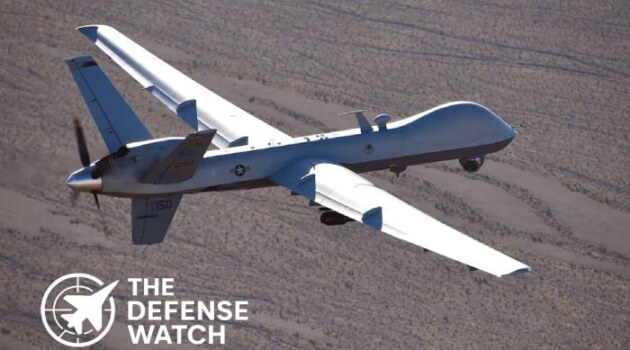
France has long operated drones primarily for intelligence, surveillance, and reconnaissance missions. Platforms like the MQ-9 Reaper have been used extensively in overseas operations, particularly in Africa’s Sahel region.
However, the expansion of France armed drone squadrons signals a transition toward more offensive roles. Armed UAVs are now expected to conduct precision strikes, persistent overwatch, and target designation in contested environments.
This mirrors operational trends seen in conflicts such as Ukraine, where drones have proven critical for both tactical and strategic missions.
Loyal Wingmen Concept Gains Momentum
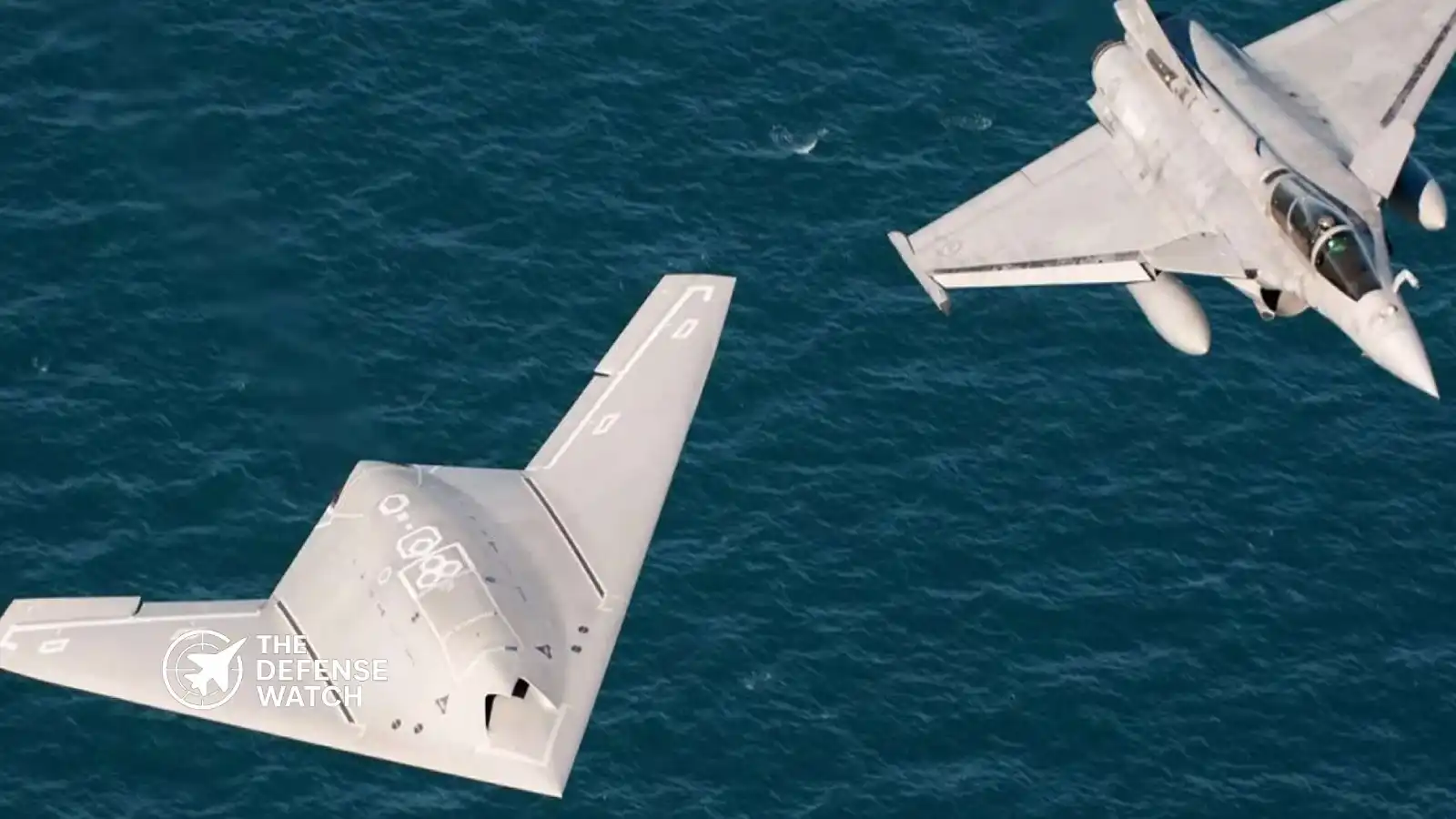
A key component of the new strategy is the adoption of loyal wingman drones, unmanned systems designed to operate in coordination with manned fighter jets like the Dassault Rafale.
These drones can perform high risk tasks, including electronic warfare, suppression of enemy air defenses, and forward reconnaissance, reducing pilot exposure to threats.
Programs tied to Europe’s Future Combat Air System, led by Dassault Aviation and Airbus, are expected to play a major role in developing these capabilities.
The integration of loyal wingmen is not just a technological upgrade. It represents a doctrinal shift toward networked, distributed air combat operations.
Operational Impact and Strategic Context
The expansion of France armed drone squadrons comes amid rising security challenges in Europe and beyond. NATO air forces are adapting to increasingly contested airspace, where advanced air defenses and electronic warfare systems limit traditional manned operations.
By deploying unmanned systems, France can maintain operational reach while reducing risk to personnel and lowering mission costs over time.
From an operational standpoint, drones provide endurance that manned aircraft cannot match. They can loiter over targets for extended periods, gather intelligence, and strike when conditions are optimal.
This capability is especially relevant for expeditionary operations and hybrid conflict scenarios.
Analysis: Closing the Capability Gap
France’s move highlights a growing recognition that future air dominance will depend on manned unmanned teaming.
The United States, through programs like the U.S. Air Force’s collaborative combat aircraft initiative, and countries such as Australia and the United Kingdom, have already invested heavily in loyal wingman technologies.
France’s approach suggests it aims to close this gap while aligning with European defense initiatives.
At the same time, the success of this strategy will depend on integration, not just acquisition. Command and control systems, secure data links, and artificial intelligence will determine how effectively these drones operate in complex combat environments.
There is also the question of scale. Building a few drone units is not enough. Sustained investment will be required to field a credible unmanned force that can operate alongside advanced fighters.
European Defense and Future Outlook
France armed drone squadrons are likely to influence broader European defense planning. As part of the Future Combat Air System framework, these capabilities could eventually be shared or integrated across allied air forces.
The shift also reinforces Europe’s push for strategic autonomy in defense technology, reducing reliance on external suppliers for critical systems.
Looking ahead, France is positioning itself to operate in a hybrid air combat environment where manned jets, drones, and space based assets work together in a unified network.
This transformation is still underway, but the direction is clear. Airpower is becoming more distributed, more automated, and increasingly reliant on unmanned systems.