Executive Summary:
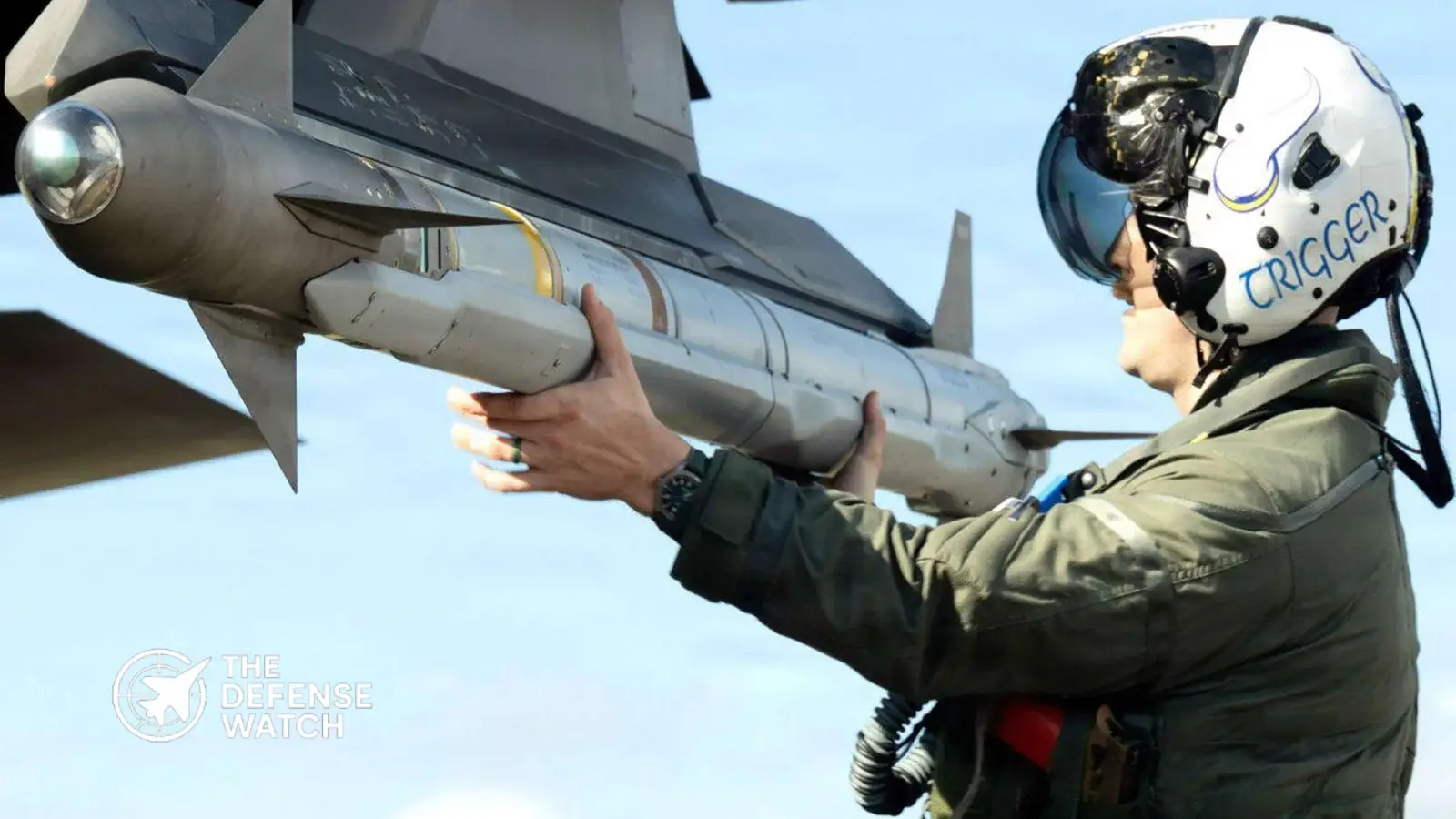
The US Navy is developing a compact version of the AIM 9X missile designed for integration on F-35 fighter jets and advanced combat drones. The effort focuses on increasing internal and external weapons carriage options while preserving air to air performance. The move reflects growing demand for scalable missile systems across manned and unmanned platforms.
US Navy development of the compact AIM-9X missile marks a significant shift in how short range air to air weapons are being adapted for modern multi domain operations. The program focuses on improving compatibility with F-35 fighters and emerging combat drone platforms.
The main keyword compact AIM-9X missile reflects a broader modernization trend across US air combat systems, where size, integration flexibility, and multi platform use are becoming as important as raw performance.
Smaller Missile for Broader Integration
The compact AIM-9X missile concept is aimed at reducing physical constraints that limit weapon carriage on stealth aircraft and unmanned systems. By shrinking key components while maintaining guidance capability, the Navy seeks to improve loadout efficiency on platforms like the F-35.
A major driver behind this development is internal weapons bay limitations. The F-35 relies on stealth optimized storage, which restricts the size and number of air to air missiles it can carry without external pylons. A more compact missile allows greater flexibility without compromising radar signature.
This approach also supports distributed air operations where drones may operate alongside crewed fighters in contested environments.
Expanding Role of F-35 Weapon Systems
The F-35 continues to evolve as a central node in US and allied air combat strategy. The integration of a compact AIM 9X missile would allow the aircraft to carry more short range weapons while preserving space for other mission systems or fuel.
The AIM 9X family is already a cornerstone of US close range air combat capability, known for high off boresight targeting and infrared tracking performance. A compact variant would extend these strengths while improving payload efficiency.
This is particularly relevant in scenarios involving high intensity air combat where missile inventory per sortie can directly impact mission endurance.
Drone Integration and Networked Air Combat
One of the most notable aspects of the compact AIM 9X missile effort is its potential use on combat drones. The US military has been expanding experimentation with unmanned systems that can operate alongside manned aircraft in coordinated strike and defense roles.
Integrating short range air to air missiles on drones introduces new tactical options. These platforms could potentially engage threats independently or act as forward positioned interceptors under pilot control.
The Navy and broader US defense community are increasingly focused on distributed lethality, where smaller platforms contribute directly to air superiority missions rather than serving only reconnaissance roles.
Strategic Context and Air Superiority Competition
The development comes at a time when air forces globally are investing heavily in advanced missile systems and counter air capabilities. Short range infrared guided missiles remain a key component of close combat engagements, even as beyond visual range weapons dominate longer distance scenarios.
The compact AIM 9X missile effort aligns with broader US strategies to maintain flexibility across both high end fighter fleets and emerging unmanned combat systems. It also reflects concerns about platform saturation, where aircraft must carry a wider variety of weapons without sacrificing stealth or range.
Industrial and Program Implications
While detailed specifications remain limited, the program indicates continued investment in modular missile design. The AIM 9X lineage has undergone multiple upgrades since its introduction, and this compact variant represents an adaptation to modern airframe constraints rather than a full replacement.
Defense industry sources cited in reporting suggest that future air combat systems will increasingly prioritize adaptability across platforms rather than platform specific weapon designs.
Analysis
The compact AIM 9X missile reflects a broader shift in US air combat philosophy. Instead of building entirely new missile families for every platform, the focus is moving toward scalable designs that can be resized or adapted depending on mission requirements.
This approach reduces logistical burden and improves interoperability across the F-35 fleet, legacy fighters, and unmanned systems. It also suggests that future air dominance will depend as much on weapons integration efficiency as on platform performance.
If successful, this concept could influence other missile programs, particularly in short range air defense and naval aviation systems where space and weight constraints are critical.
France Armed Drone Squadrons Mark Strategic Airpower Shift
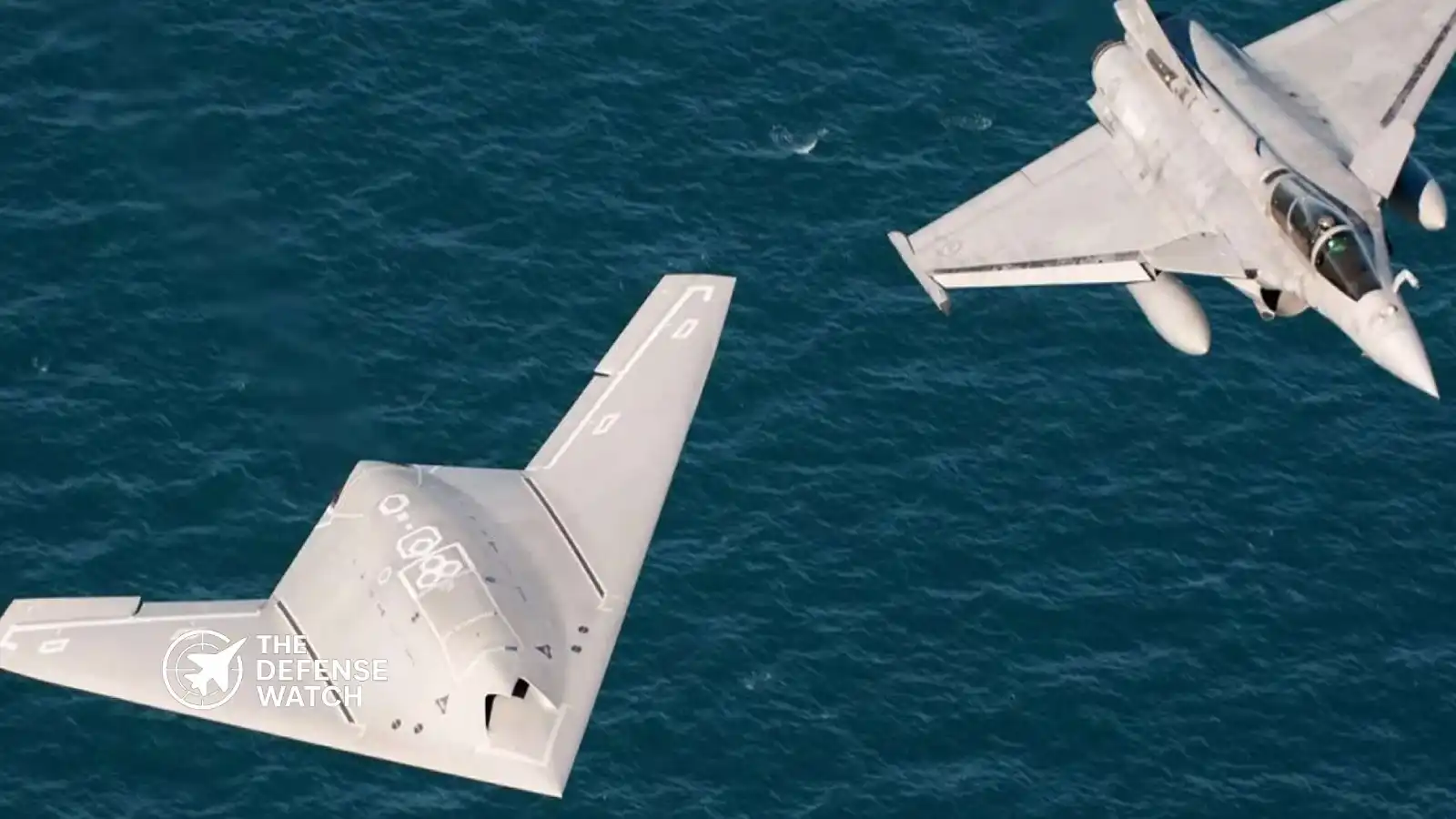
France armed drone squadrons are becoming a central pillar of the country’s evolving air combat doctrine, as the French Air and Space Force moves to integrate unmanned systems and loyal wingman concepts into frontline operations.
Paris is restructuring its aerial force posture to include dedicated armed drone units capable of executing strike, surveillance, and support missions alongside manned aircraft.
This shift reflects a broader reassessment of modern warfare, where unmanned platforms are increasingly shaping battlefield outcomes.
- France is restructuring its air force with dedicated armed drone squadrons to enhance combat flexibility and endurance.
- The strategy includes integration of loyal wingman drones to operate alongside manned fighter aircraft.
- Unmanned systems are expected to support ISR, strike missions, and electronic warfare roles.
- The shift aligns with broader European efforts to modernize air combat under future combat air system programs.
- The move reflects lessons from recent conflicts where drones have played a decisive operational role.
From ISR Platforms to Armed Combat Assets
France has long operated drones primarily for intelligence, surveillance, and reconnaissance missions. Platforms like the MQ-9 Reaper have been used extensively in overseas operations, particularly in Africa’s Sahel region.
However, the expansion of France armed drone squadrons signals a transition toward more offensive roles. Armed UAVs are now expected to conduct precision strikes, persistent overwatch, and target designation in contested environments.
This mirrors operational trends seen in conflicts such as Ukraine, where drones have proven critical for both tactical and strategic missions.
Loyal Wingmen Concept Gains Momentum
A key component of the new strategy is the adoption of loyal wingman drones, unmanned systems designed to operate in coordination with manned fighter jets like the Dassault Rafale.
These drones can perform high risk tasks, including electronic warfare, suppression of enemy air defenses, and forward reconnaissance, reducing pilot exposure to threats.
Programs tied to Europe’s Future Combat Air System, led by Dassault Aviation and Airbus, are expected to play a major role in developing these capabilities.
The integration of loyal wingmen is not just a technological upgrade. It represents a doctrinal shift toward networked, distributed air combat operations.
Operational Impact and Strategic Context
The expansion of France armed drone squadrons comes amid rising security challenges in Europe and beyond. NATO air forces are adapting to increasingly contested airspace, where advanced air defenses and electronic warfare systems limit traditional manned operations.
By deploying unmanned systems, France can maintain operational reach while reducing risk to personnel and lowering mission costs over time.
From an operational standpoint, drones provide endurance that manned aircraft cannot match. They can loiter over targets for extended periods, gather intelligence, and strike when conditions are optimal.
This capability is especially relevant for expeditionary operations and hybrid conflict scenarios.
Analysis: Closing the Capability Gap
France’s move highlights a growing recognition that future air dominance will depend on manned unmanned teaming.
The United States, through programs like the U.S. Air Force’s collaborative combat aircraft initiative, and countries such as Australia and the United Kingdom, have already invested heavily in loyal wingman technologies.
France’s approach suggests it aims to close this gap while aligning with European defense initiatives.
At the same time, the success of this strategy will depend on integration, not just acquisition. Command and control systems, secure data links, and artificial intelligence will determine how effectively these drones operate in complex combat environments.
There is also the question of scale. Building a few drone units is not enough. Sustained investment will be required to field a credible unmanned force that can operate alongside advanced fighters.
European Defense and Future Outlook
France armed drone squadrons are likely to influence broader European defense planning. As part of the Future Combat Air System framework, these capabilities could eventually be shared or integrated across allied air forces.
The shift also reinforces Europe’s push for strategic autonomy in defense technology, reducing reliance on external suppliers for critical systems.
Looking ahead, France is positioning itself to operate in a hybrid air combat environment where manned jets, drones, and space based assets work together in a unified network.
This transformation is still underway, but the direction is clear. Airpower is becoming more distributed, more automated, and increasingly reliant on unmanned systems.
AeroVironment Mayhem 10 Combat Drone Expands U.S. Tactical Reach
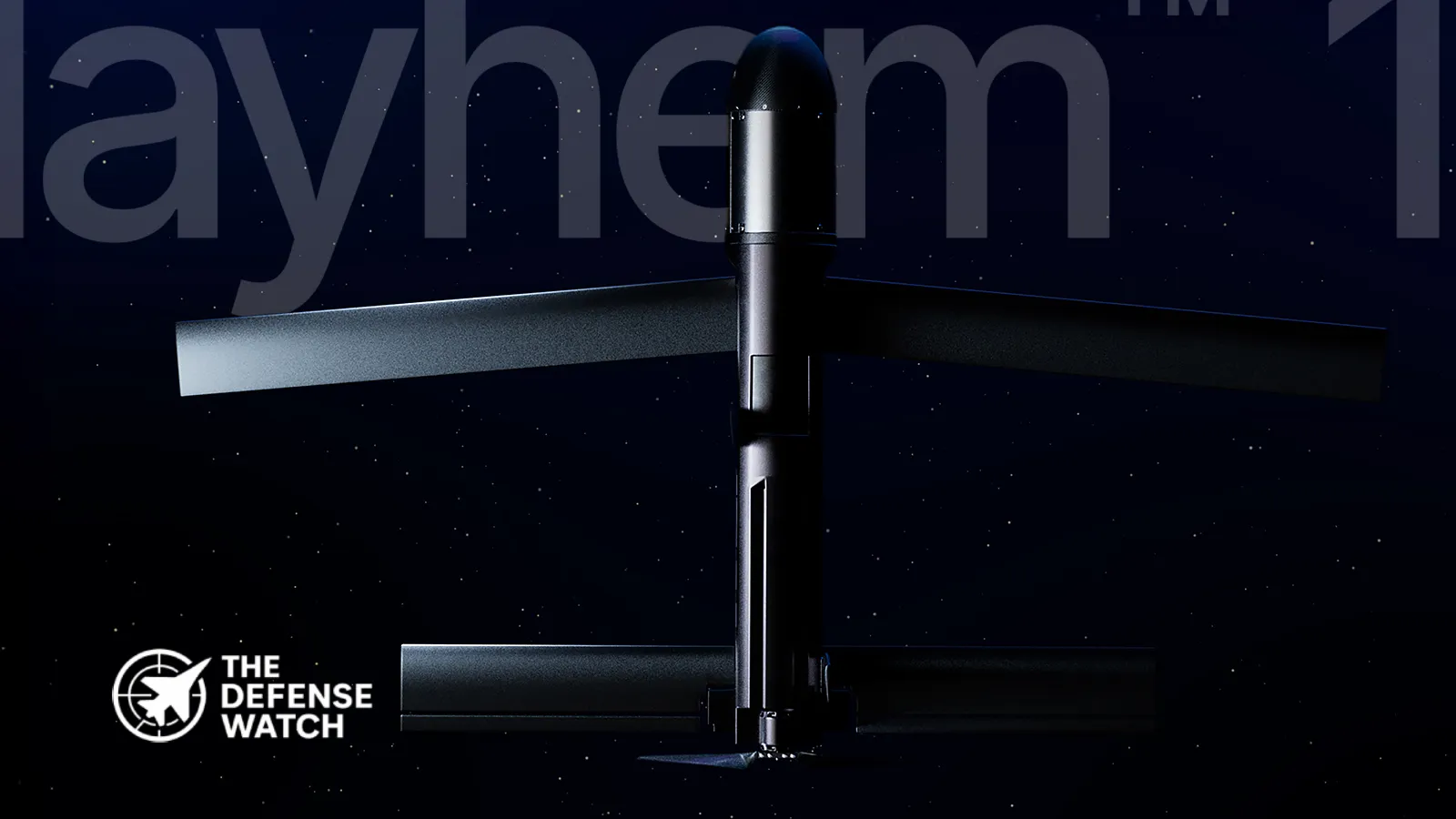
The Mayhem 10 combat drone marks a significant step in the evolution of loitering munition systems, combining extended range with modular strike capability. Unveiled by AeroVironment, the platform is designed to meet growing demand for flexible, long range unmanned systems in modern combat environments.
The system can operate at distances of up to 100 kilometers. This places it well beyond the range of many existing tactical loitering munitions, allowing forces to engage targets deeper in contested territory without exposing personnel or high value platforms.
The Mayhem 10 combat drone is built around a modular payload concept. This allows operators to adapt the system for different missions, including precision strikes, surveillance, or specialized payload delivery. The design reflects a broader shift toward multi role unmanned systems that can be rapidly reconfigured in the field.
- AeroVironment unveiled the Mayhem 10 combat drone as a new long range loitering munition system.
- The system offers an operational range of up to 100 kilometers, expanding tactical reach.
- Modular payload architecture allows rapid switching between different strike and mission profiles.
- Designed for contested environments, including anti access and denied areas.
- Reflects growing demand for flexible, scalable unmanned strike capabilities in modern warfare.
Modular Design Signals Shift Toward Flexible Warfare
A key feature of the Mayhem 10 combat drone is its modular architecture. Unlike single purpose loitering munitions, this system can be fitted with different payloads depending on mission requirements.
This flexibility supports a wide range of operational scenarios. Units can deploy the same drone platform for reconnaissance, target acquisition, or direct attack roles. In practice, this reduces logistical burden while increasing battlefield adaptability.
This approach aligns with trends seen across U.S. and allied defense programs. Military planners are increasingly prioritizing systems that can perform multiple functions without requiring separate platforms for each task.
Extended Range Addresses Emerging Battlefield Demands
The 100 kilometer range of the Mayhem 10 combat drone addresses a clear operational gap. Modern conflicts have shown that short range drones are often limited by enemy air defenses and electronic warfare systems.
Longer range systems allow operators to launch from safer distances. They also enable strikes against targets that were previously out of reach for tactical units.
This capability is particularly relevant in contested environments where access is restricted. Anti access and area denial strategies used by near peer adversaries require systems that can operate at extended distances while maintaining effectiveness.
Designed For Contested And Denied Environments
The Mayhem 10 combat drone is intended for use in environments where traditional airpower may face limitations. These include areas with dense air defense networks or strong electronic warfare capabilities.
Loitering munitions offer a different operational model. They can remain in the air for extended periods, identify targets, and strike at the optimal moment. This increases precision and reduces the risk of collateral damage.
The addition of modular payloads further enhances this capability. Operators can tailor the system to specific threats, whether that involves hardened targets, mobile assets, or time sensitive objectives.
Strategic Implications For U.S. And Allied Forces
The introduction of the Mayhem 10 combat drone reflects a broader shift in how militaries approach unmanned systems. Rather than focusing solely on high end platforms, there is increasing emphasis on scalable, cost effective solutions.
Loitering munitions have proven their value in recent conflicts, where they have been used for both tactical strikes and persistent surveillance. The Mayhem 10 builds on this concept by adding range and flexibility.
For U.S. and allied forces, this could enhance operational depth and responsiveness. Units equipped with such systems can conduct missions independently, without relying heavily on larger air assets.
At the same time, the system highlights growing competition in the drone space. As more countries develop similar capabilities, the focus is shifting toward range, adaptability, and resilience against countermeasures.
Industry Context And Future Outlook
AeroVironment has been a key player in the loitering munition sector, with systems like Switchblade already in service with multiple forces. The Mayhem 10 represents a move into a more advanced category of unmanned strike systems.
The emphasis on modularity suggests future upgrades could be integrated without major redesigns. This allows the platform to evolve alongside emerging technologies, including improved sensors, guidance systems, and payload options.
As defense priorities continue to shift toward distributed operations and autonomous systems, platforms like the Mayhem 10 are likely to play a growing role.
- Türkiye successfully tested the Bayraktar Kizilelma unmanned fighter jet with a precision guided bomb strike.
- The stealth oriented UCAV is designed for air to air and air to ground combat missions.
- Kizilelma forms part of Türkiye’s effort to build an independent next generation combat aviation ecosystem.
- The aircraft is expected to operate from short runway aircraft carriers such as the TCG Anadolu.
- The test highlights the rapid evolution of high performance unmanned combat aircraft globally.
Türkiye Advances Bayraktar Kizilelma Unmanned Fighter Jet Strike Capability
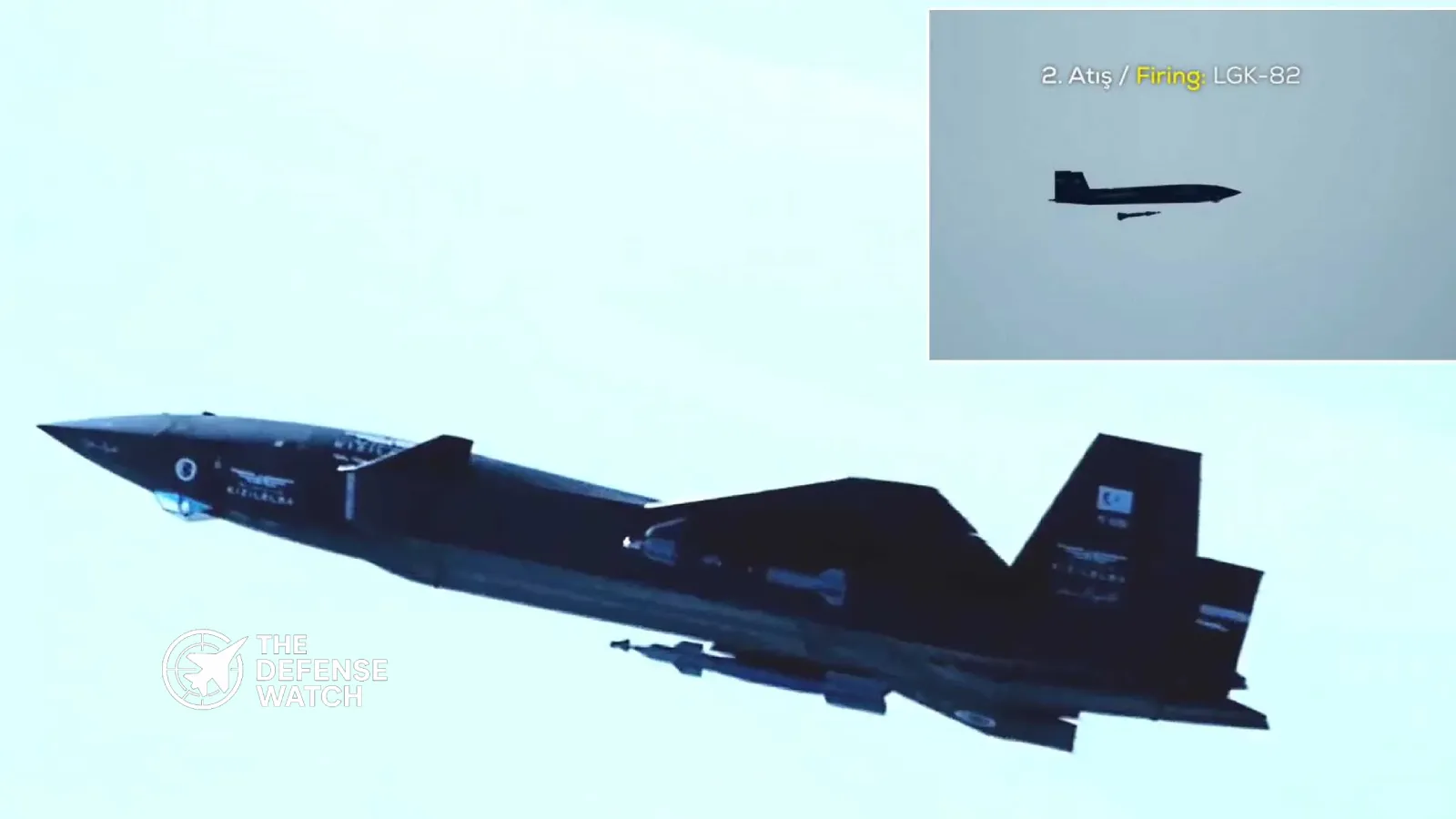
The Bayraktar Kizilelma unmanned fighter jet has completed a new test demonstrating precision guided bomb strike capability, marking a significant milestone in Türkiye’s effort to field a next generation unmanned combat aircraft. The test highlights the growing maturity of the Kizilelma program and signals Türkiye’s intent to integrate high performance combat drones into frontline operations.
Developed by Turkish defense company Baykar, the aircraft represents one of the most ambitious unmanned combat air vehicle (UCAV) programs currently under development. The latest flight test demonstrated the platform’s ability to conduct precision air to ground strikes, an essential step toward operational deployment.
The Big Picture
Unmanned combat aircraft are rapidly reshaping military aviation. Nations are increasingly investing in systems capable of performing missions traditionally handled by manned fighter jets, including precision strike, intelligence gathering, and even air to air combat.
Türkiye has become one of the most active developers in this sector. Over the past decade, Turkish industry has expanded its drone capabilities with systems such as the Bayraktar TB2 and the Akinci UCAV. These platforms have seen operational use in multiple conflict zones and have helped establish Türkiye as a major exporter of unmanned aerial systems.
The Bayraktar Kizilelma unmanned fighter jet represents the next stage of this evolution. Unlike earlier drones optimized primarily for surveillance and strike missions, Kizilelma is designed as a high performance combat aircraft capable of operating in contested airspace.
Its development also reflects Türkiye’s broader strategy to reduce dependence on foreign defense suppliers and build a domestically controlled aerospace ecosystem.
What Is Happening
The latest test flight involved the Bayraktar Kizilelma unmanned fighter jet conducting a precision guided bomb strike against a designated ground target. According to defense reporting, the aircraft successfully released and guided the munition during the flight test.
The demonstration verified the aircraft’s ability to perform precision strike missions using guided munitions, one of the key operational roles envisioned for the platform.
Kizilelma features several design characteristics intended to enhance survivability and combat performance. The aircraft incorporates a stealth influenced airframe with reduced radar signature, internal weapon carriage for certain configurations, and high subsonic or potentially supersonic flight performance depending on the engine configuration.
The aircraft is designed to carry a range of Turkish produced munitions, including precision guided bombs and air to air missiles.
A key design objective is compatibility with short runway and carrier operations. Turkish officials have previously indicated that the aircraft could operate from the amphibious assault ship TCG Anadolu, which Türkiye has positioned as a drone carrier after the removal of plans to operate the F 35B fighter aircraft.
Why It Matters
The successful precision strike test demonstrates that the Bayraktar Kizilelma unmanned fighter jet is moving beyond early flight testing and toward operational capability.
Strike capability is a core requirement for any UCAV intended to operate as a frontline combat aircraft. Precision guided bomb delivery confirms that the aircraft’s fire control, targeting systems, and weapons integration are progressing.
This capability is particularly important because unmanned systems can conduct high risk missions without exposing pilots to danger. They can also remain on station for longer periods than many manned aircraft.
For Türkiye, this test strengthens its position as a leading producer of combat drones and highlights the country’s ambition to compete in the emerging market for high performance UCAVs.
Suggested Internal Link
(Add link to related article on TheDefenseWatch)
Article about Turkish Bayraktar TB2 combat drone operationsStrategic Implications
The development of aircraft such as the Bayraktar Kizilelma unmanned fighter jet signals a broader shift in the future of air warfare.
Modern air forces increasingly view unmanned platforms as force multipliers capable of operating alongside manned aircraft. In some concepts of operation, unmanned aircraft can perform high risk strike missions, electronic warfare tasks, or reconnaissance roles while manned fighters focus on command and control.
The Kizilelma program may also help Türkiye fill capability gaps created by its removal from the F 35 Joint Strike Fighter program. By investing heavily in indigenous platforms, Türkiye aims to sustain advanced aerospace capabilities despite limitations on access to certain Western technologies.
Carrier capable drones represent another strategic dimension. Operating UCAVs from ships such as TCG Anadolu could provide Türkiye with flexible expeditionary air power without requiring a traditional aircraft carrier.
If successful, this model could influence how medium sized naval powers approach carrier aviation.
Competitor View
Regional and global competitors will closely monitor the progress of the Bayraktar Kizilelma unmanned fighter jet.
Russia and China are both investing heavily in advanced unmanned combat aircraft. China in particular has already demonstrated several stealth UAV designs, including systems intended to operate alongside manned fighters.
European nations and the United States are also pursuing collaborative combat aircraft concepts, often referred to as loyal wingman systems.
Türkiye’s program stands out because it combines relatively rapid development timelines with a focus on operational deployment rather than long term research programs.
The growing export success of Turkish drones could also raise concerns among regional rivals that such technologies may become widely available in global defense markets.
What To Watch Next
The next phase of development for the Bayraktar Kizilelma unmanned fighter jet will likely involve expanded weapons integration and operational testing.
Upcoming milestones could include:
Expanded flight envelope testing
Integration of additional air to air and air to ground weapons
Testing of autonomous mission capabilities
Carrier compatible launch and recovery trials
Potential operational evaluation with the Turkish Armed ForcesThese steps will determine how quickly the aircraft can transition from prototype testing to operational deployment.
Suggested Internal Link
(Add link to related article on TheDefenseWatch)
Article about Türkiye’s Akinci high altitude UCAV programCapability Gap
The Kizilelma program addresses a specific operational challenge faced by many air forces. Traditional manned fighters are expensive to operate and place pilots at risk during high threat missions.
Advanced unmanned combat aircraft can conduct dangerous operations such as deep strike or suppression of enemy air defenses with lower risk.
However, UCAVs still face limitations. Autonomous decision making, electronic warfare survivability, and integration with existing command networks remain complex technical challenges.
Operational doctrine for high performance combat drones is also still evolving in many militaries.
The Bottom Line
The Bayraktar Kizilelma unmanned fighter jet precision strike test marks a significant step toward operationalizing a new generation of high performance combat drones that could reshape future air warfare.
Pakistan Confirms Shahpar III MALE Combat Drone Program
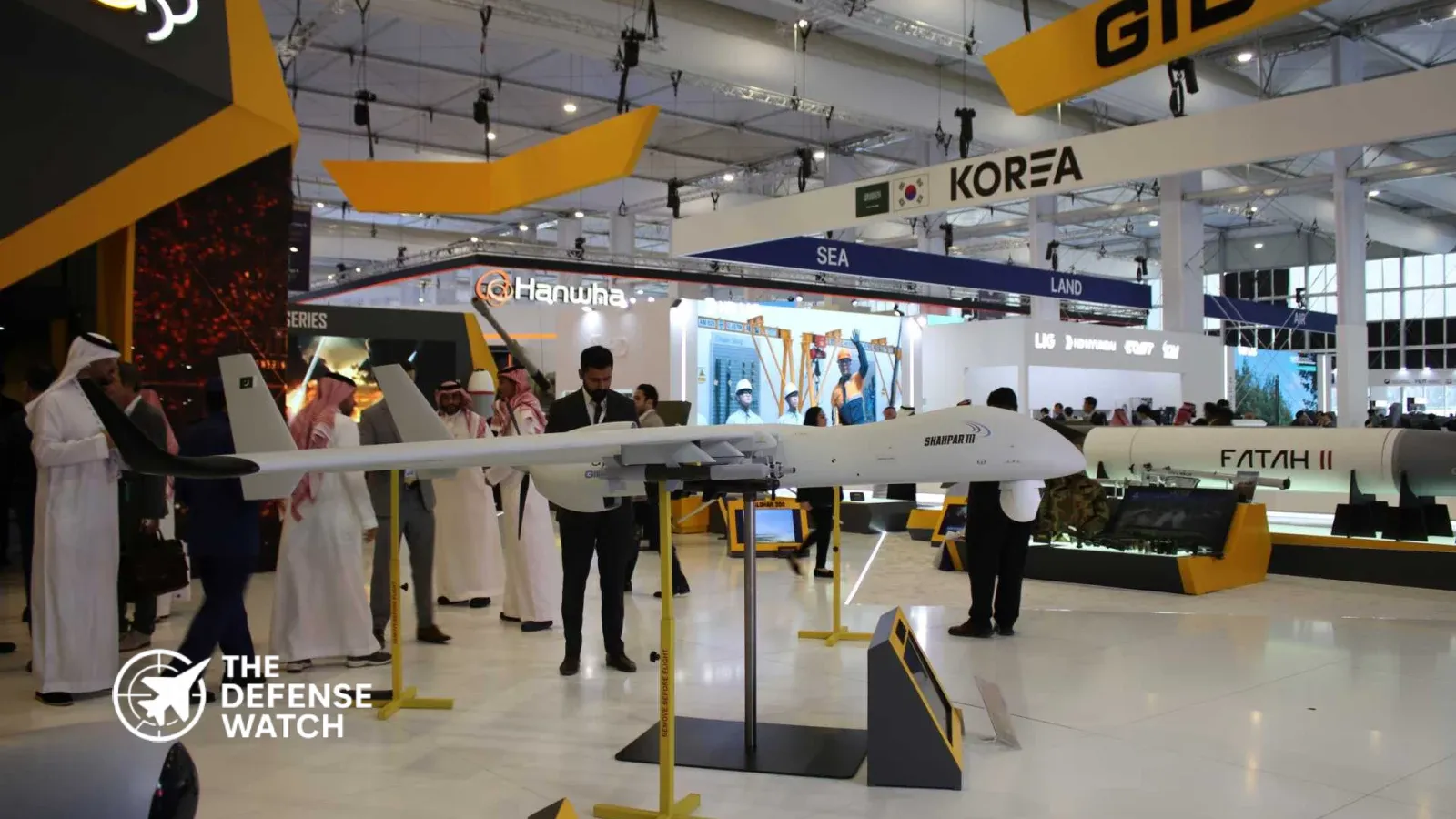
Pakistan has confirmed that the Shahpar III MALE combat drone is scheduled to conduct its first flight test by the end of 2026, marking a key milestone in the country’s ongoing unmanned aerial vehicle modernization efforts. The announcement underscores Islamabad’s focus on expanding indigenous intelligence, surveillance, reconnaissance, and strike capabilities using domestically developed platforms.
The confirmation was reported during World Defense Show 2026 and later detailed by Army Recognition, citing official Pakistani sources involved in the program. The Shahpar III is being positioned as the next evolution of Pakistan’s locally developed unmanned systems, following earlier Shahpar variants already in service.
Shahpar III Program Background
The Shahpar III is a medium altitude long endurance unmanned combat aerial vehicle designed to meet Pakistan’s growing operational requirements across surveillance, reconnaissance, and precision strike missions. It builds on experience gained from the Shahpar II, which has been operated by the Pakistan Armed Forces for intelligence and battlefield monitoring roles.
According to information released at World Defense Show 2026, Shahpar III is intended to offer extended endurance, higher payload capacity, and improved mission flexibility compared to its predecessors. Pakistani officials described the platform as a domestically developed system tailored for regional operational environments and multi mission use.
The program reflects Pakistan’s broader defense policy emphasis on indigenous development to reduce reliance on foreign suppliers and mitigate export restrictions that often affect advanced UAV acquisitions.
Design And Capability Overview
While detailed performance specifications remain limited, officials have indicated that Shahpar III falls within the MALE category, aligning it with systems such as the Turkish Bayraktar TB2 and Chinese Wing Loong series in terms of mission profile.
The drone is expected to support a mix of electro optical and infrared sensors, synthetic aperture radar options, and secure data link systems for beyond line of sight operations. Its design is reportedly optimized for long endurance patrols, border surveillance, and precision engagement tasks when fitted with compatible munitions.
Pakistani defense sources have emphasized that Shahpar III is being designed with modular payload integration in mind, allowing the platform to adapt to evolving operational requirements without extensive airframe changes.
Strategic Importance For Pakistan
The Shahpar III program carries strategic significance for Pakistan’s defense posture, particularly in the context of regional security dynamics in South Asia. MALE class drones provide persistent surveillance and strike options at lower cost and risk compared to manned aircraft, a factor increasingly valued by modern militaries.
By advancing an indigenous MALE combat drone, Pakistan aims to strengthen its autonomous ISR capabilities while enhancing deterrence through precision strike options. The program also supports the development of domestic aerospace engineering expertise and supply chains, which Pakistani officials have described as a long term national priority.
The planned first flight by the end of 2026 suggests that the program has moved beyond conceptual and early design phases into advanced development and integration.
Position Within Pakistan’s UAV Portfolio
Shahpar III is expected to complement, rather than replace, existing UAV assets operated by Pakistan. The country currently fields a mix of indigenous and imported unmanned systems for surveillance and tactical missions.
Defense analysts note that Shahpar III’s MALE classification places it in a higher capability tier than many tactical drones, potentially enabling longer range operations and greater persistence over areas of interest. This aligns with Pakistan’s stated goal of maintaining situational awareness across its borders and key maritime approaches.
The program also reflects lessons learned from global conflicts, where MALE drones have demonstrated operational value in intelligence gathering and precision engagement roles.
Timeline And Next Steps
Pakistani officials have stated that the first flight test is targeted for completion by the end of 2026. Following initial flight trials, the program is expected to move into a phased testing and evaluation process, including sensor integration, endurance validation, and mission system trials.
No official timeline has been released regarding operational induction, export prospects, or serial production. Authorities have stressed that development milestones will be driven by testing outcomes and operational requirements rather than fixed calendar targets.
Regional And Global Context
The Shahpar III announcement comes amid a broader expansion of UAV programs across Asia and the Middle East, where MALE platforms are increasingly seen as essential components of modern airpower. Countries are investing heavily in indigenous drone development to address sovereignty concerns and ensure long term operational availability.
Pakistan’s confirmation of the Shahpar III first flight timeline places it among a growing group of nations pursuing self sufficient unmanned combat capabilities tailored to national defense needs.
Helsing Unveils CA-1 Europa UCAV for 2029 Operational Service
A New European Combat Drone Emerges
German defense technology firm Helsing has unveiled its first unmanned combat air vehicle (UCAV) project, the CA-1 Europa, marking a significant step in Europe’s growing indigenous drone capabilities. The system was presented on September 25, 2025, at Grob Aircraft’s facility in Tussenhausen-Mattsies, Bavaria, following Helsing’s acquisition of Grob earlier this year
The single-engine, jet-powered UCAV was designed and built in just 14 weeks under a rapid technology study initiative. Helsing plans for the prototype to achieve first flight in 2027, with the operational version expected to enter service by 2029.
Powered by AI and Open Architecture
The CA-1 Europa will leverage Helsing’s proprietary Centaur artificial intelligence (AI) platform and open software systems, intended to enable adaptable mission capabilities. This AI-driven autonomy is central to Helsing’s concept of operations, which envisions the UCAV supporting a range of European airpower missions including reconnaissance, strike, and electronic warfare.
According to Helsing, the open architecture will allow seamless integration with existing European defense systems and rapid updates as operational needs evolve.
Industrial Collaboration Across Europe
While details remain limited, Helsing stated it is already in discussions with “leading European industry partners” to advance the CA-1 program. The company aims to position the UCAV as a pan-European alternative to U.S. and Chinese drone platforms, with a focus on sovereignty and resilience within NATO and EU defense frameworks.
The collaboration with Grob Aircraft, known for its military trainer aircraft, provides an established manufacturing base and aerodynamic expertise.
Strategic Implications for Europe
Europe has long sought to reduce reliance on U.S. platforms such as the MQ-9 Reaper and future NGAD systems. The CA-1 Europa comes amid broader initiatives like the Future Combat Air System (FCAS), but Helsing’s project appears aimed at delivering an operational capability on a faster timeline.
If successful, the CA-1 could serve as a “loyal wingman” to manned fighters or operate independently in contested environments—roles increasingly emphasized by NATO members as drone warfare reshapes modern battlefields.
Analysis: Speed vs. Sustainability
The announcement highlights Europe’s growing urgency to develop sovereign unmanned combat platforms. The rapid 14-week design timeline showcases a Silicon Valley-style approach to defense innovation, contrasting with Europe’s traditionally slower procurement cycles.
However, questions remain over scalability, funding, and integration with long-term programs like FCAS. Defense analysts note that while a 2029 service entry is ambitious, sustained industrial support and government backing will be critical for the CA-1 Europa to transition from prototype to frontline capability.
FAQs
What is the Helsing CA-1 Europa UCAV?A European-developed unmanned combat air vehicle unveiled by Helsing, designed with Grob Aircraft, targeting a 2029 operational debut.
When will the CA-1 Europa first fly?The first flight is expected in 2027.
What technology powers the CA-1?It will use Helsing’s Centaur AI platform and open architecture software.
Why is this project significant for Europe?It represents a push for sovereign European UCAV capability, reducing reliance on U.S. and Chinese systems.
Who is Grob Aircraft’s role in the program?Grob provides manufacturing expertise and production facilities for the new UCAV.