(adsbygoogle = window.adsbygoogle || []).push({});Executive Summary:
Russia has expanded the operational use of its 3M22 Zircon hypersonic missile in strikes against targets across Ukraine, including Kyiv, during one of the largest aerial attacks of 2026. The attacks highlight Moscow’s effort to stress Ukraine’s air defense network and force the expenditure of increasingly scarce Patriot interceptor missiles while demonstrating the combat utility of one of Russia’s most advanced missile systems.
Russia Uses Zircon Hypersonic Missiles In Major Attack On Ukraine
Russia employed multiple 3M22 Zircon hypersonic missiles during a large-scale missile and drone attack against Ukraine on June 1-2, according to Ukrainian and international reporting. The barrage included 656 drones and 73 missiles targeting Kyiv, Dnipro, Kharkiv, Zaporizhzhia, and other locations.
Ukrainian authorities reported that eight Zircon missiles were included in the strike package, making it one of the largest known operational uses of the weapon against Ukrainian territory. Ukrainian air defenses intercepted dozens of incoming missiles, but official reporting did not identify any confirmed Zircon interceptions during the attack.
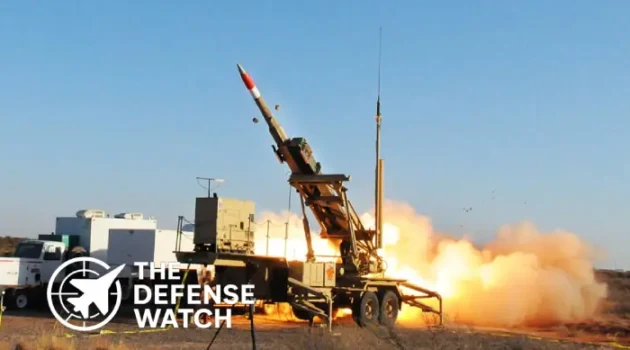
The strikes occurred amid growing concerns in Kyiv over interceptor shortages, particularly for the U.S.-supplied Patriot air defense system that remains Ukraine’s most capable defense against advanced ballistic and hypersonic threats.
What Is The 3M22 Zircon Missile?
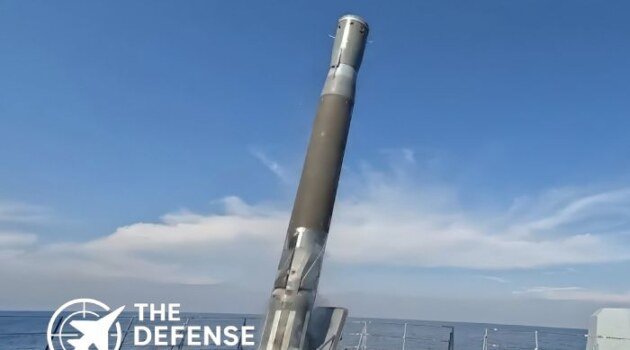
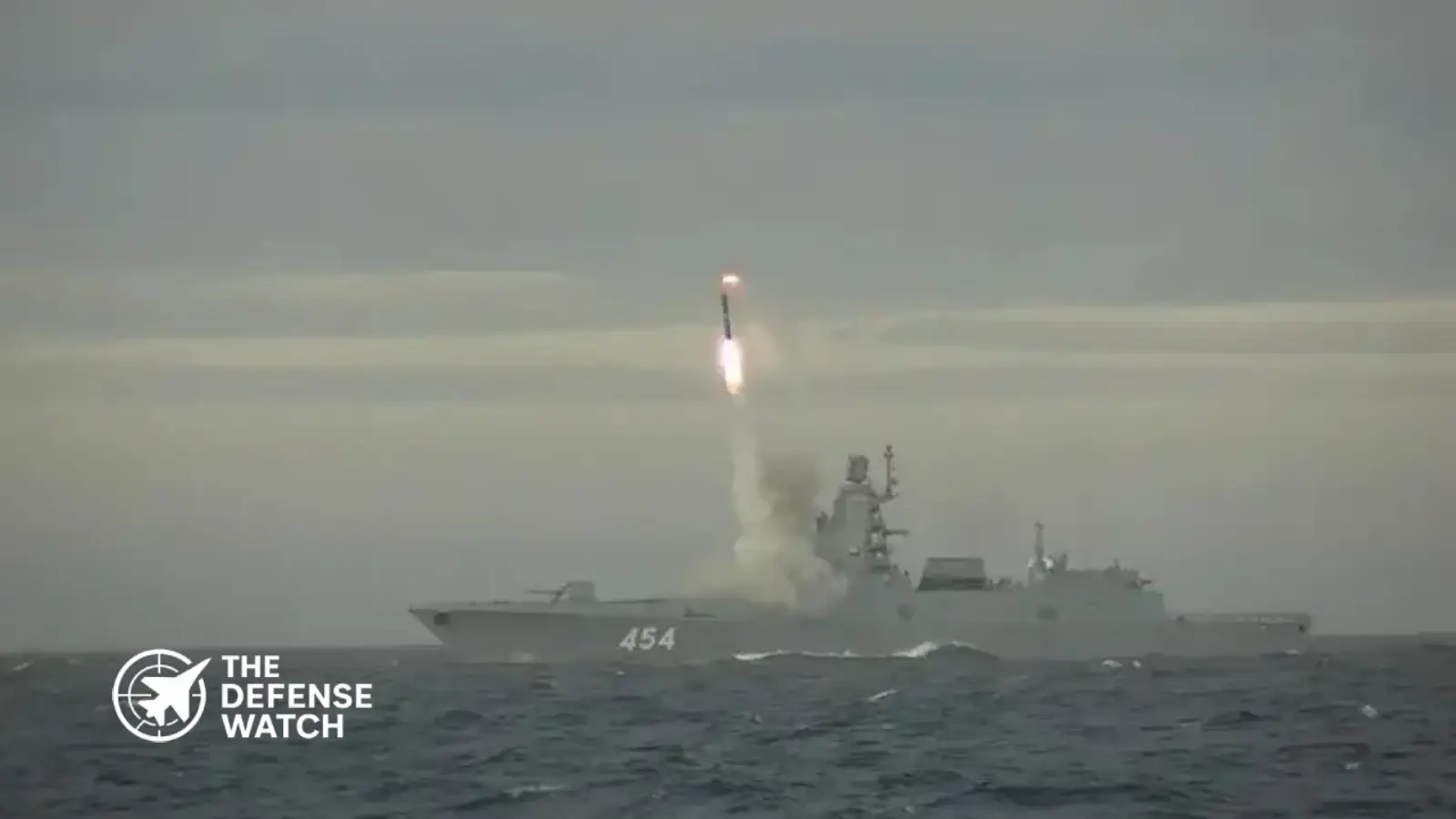
The 3M22 Zircon, known in Russia as Tsirkon, was originally developed as a naval anti-ship missile intended to threaten high-value maritime targets, including U.S. carrier strike groups. The missile entered Russian service aboard surface combatants and submarines equipped with the universal 3S-14 vertical launch system.
- (adsbygoogle = window.adsbygoogle || []).push({});
Key reported characteristics include:
Specification Estimated Performance Type Hypersonic cruise missile Primary Original Mission Anti-ship warfare Launch Platforms Frigates, submarines, coastal launch systems Claimed Maximum Speed Up to Mach 8-9 Estimated Operational Range 700-1,500 km (high-altitude profile) Warhead Conventional, estimated 150-400 kg class Guidance Inertial and terminal guidance systems Independent assessments continue to debate some of Russia’s performance claims. Defense analysts generally note that publicly available combat evidence does not fully validate the highest speed and range figures promoted by Moscow.
Why Zircon Matters To Ukraine’s Air Defense Challenge
The strategic significance of Zircon extends beyond the physical damage caused by individual missile strikes.
Even when intercepted, advanced hypersonic or high-speed missiles force defenders to expend costly interceptor missiles. Ukraine’s Patriot batteries remain among the few systems capable of engaging advanced Russian missile threats, including ballistic and hypersonic weapons.
(adsbygoogle = window.adsbygoogle || []).push({});For Russia, integrating Zircon missiles into larger strike packages creates a layered threat environment. Air defense operators must simultaneously track drones, cruise missiles, ballistic missiles, and hypersonic weapons approaching from multiple directions.
This complicates target prioritization and increases the likelihood that some weapons may penetrate defenses.
Technical Reality Versus Strategic Messaging
The combat employment of Zircon has also generated renewed debate about the real-world effectiveness of hypersonic weapons.
Russian officials have frequently presented Zircon as a breakthrough capability capable of evading modern air defenses. However, available battlefield evidence suggests the missile is not invulnerable. Ukraine previously reported successful interceptions of Zircon missiles in both 2024 and 2026 using Patriot systems.
Defense analysts note that hypersonic speed alone does not guarantee successful penetration of layered defenses. Detection, tracking quality, flight profile, maneuverability, and interceptor availability all influence engagement outcomes.
Several assessments also indicate the missile slows significantly during its terminal phase, potentially creating a limited interception window for advanced air defense systems.
Broader Implications For U.S. And Allied Defense Planning
The continued use of Zircon against Ukraine offers an important real-world case study for NATO and U.S. military planners.
Unlike many advanced missile systems that remain largely untested in combat, Russia’s hypersonic weapons are now generating operational data under wartime conditions. Military analysts are closely examining interception rates, flight characteristics, reliability, and the effectiveness of integrated air defense responses.
For the United States and allied nations, Ukraine has effectively become the first large-scale environment where advanced missile defense systems are confronting operational hypersonic threats on a recurring basis.
The experience is likely to influence future investment decisions involving:
- Integrated air and missile defense networks
- Next-generation Patriot upgrades
- Hypersonic tracking sensors
- Space-based warning systems
- Directed-energy and advanced interceptor technologies
The conflict is also demonstrating that missile inventory depth may be as important as technological sophistication. Even successful interceptions impose significant logistical and financial costs when attackers launch large mixed salvos containing hundreds of drones and dozens of missiles simultaneously.
Russia’s Evolving Strike Strategy
The growing use of Zircon missiles appears to reflect a broader Russian effort to increase pressure on Ukraine’s air defense architecture.
Recent attacks have combined large numbers of drones with cruise missiles, ballistic missiles, and advanced hypersonic systems. Ukrainian officials report that Russia launched more than 8,000 long-range drones during May alone while continuing regular missile strikes across the country.
This approach seeks to overwhelm defensive capacity through volume, complexity, and sustained operational tempo.
Whether Russia can maintain extensive use of advanced missiles such as Zircon over the long term remains uncertain. However, recent attacks indicate Moscow continues to view these weapons as valuable tools for both operational effects and strategic signaling.