

Executive Summary:
Saudi Arabia reportedly carried out covert airstrikes inside Iran during the 2026 Middle East conflict, according to Reuters sources. The attacks marked the kingdom’s first known direct military action on Iranian territory and reflected a broader shift in Gulf security dynamics as regional tensions escalated.
Saudi Arabia Launches Covert Strikes On Iran During Regional Conflict
Saudi Arabia covert attacks on Iran have reportedly emerged as a significant turning point in the ongoing Middle East conflict, according to a Reuters investigation published on May 12. Multiple Western and Iranian officials told Reuters that Saudi forces conducted undisclosed retaliatory strikes against Iranian territory in late March after the kingdom came under sustained missile and drone attacks.
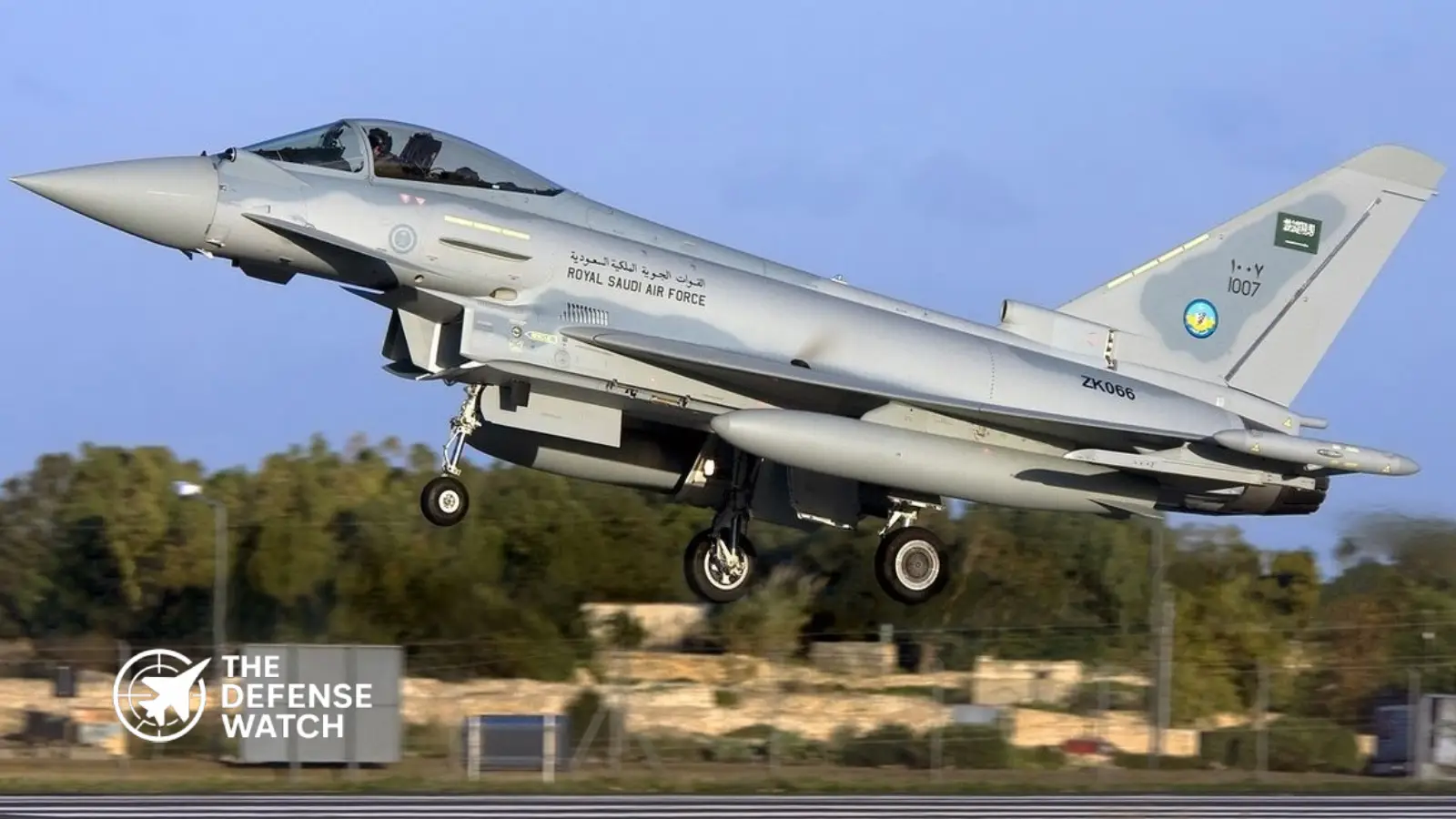
The reported operations marked the first publicly known instance of direct Saudi military action on Iranian soil. The strikes were allegedly carried out by the Royal Saudi Air Force as part of a broader regional response to escalating attacks linked to the widening conflict involving Iran, Israel, and the United States.
Reuters stated that the exact targets inside Iran could not be independently confirmed. Saudi officials did not directly acknowledge the operations, while Iran’s foreign ministry declined to comment.
Gulf Security Landscape Shifts Rapidly
The reported Saudi operations illustrate how the regional conflict has expanded beyond its original scope. Since the February 2026 U.S. and Israeli strikes on Iran, Tehran has reportedly launched attacks against all six Gulf Cooperation Council states, targeting military facilities, airports, civilian infrastructure, and energy assets.
The conflict also disrupted maritime trade after Iran moved to restrict traffic through the Strait of Hormuz, one of the world’s most critical energy chokepoints. Reuters and other regional reporting indicate that Gulf states increasingly viewed direct retaliation as necessary after repeated Iranian strikes overwhelmed existing regional defenses.
The Saudi response reportedly differed from the more aggressive posture adopted by the United Arab Emirates. Reuters noted that Riyadh simultaneously pursued military retaliation and diplomatic de-escalation with Tehran.
Saudi Arabia Balances Retaliation And Diplomacy
According to Reuters sources, Saudi officials informed Iran through diplomatic channels after the strikes occurred. The two sides then entered intensive negotiations aimed at preventing further escalation.
Analysts cited in the Reuters report argued that both governments appeared motivated by the high economic and security risks of an uncontrolled regional war. Ali Vaez of the International Crisis Group described the situation as a pragmatic effort by both sides to impose limits on confrontation before the conflict spiraled further.
The diplomatic effort reportedly contributed to a reduction in direct Iranian attacks against Saudi Arabia in early April. Reuters data showed drone and missile strikes on the kingdom dropped significantly after the reported Saudi retaliation and subsequent warnings of further military action.
This development is particularly notable because Saudi Arabia and Iran had restored diplomatic relations only three years earlier under a China-brokered agreement reached in 2023. That détente had helped stabilize parts of the Gulf region, including Yemen.
Military Implications For The Gulf Region
The Saudi Arabia covert attacks on Iran also reveal changing defense calculations among Gulf states. For decades, Saudi Arabia relied heavily on U.S. military protection and missile defense systems to deter Iranian threats. However, the recent conflict exposed vulnerabilities in Gulf air defenses and regional infrastructure protection.
The reported Saudi air operations suggest Riyadh may now be more willing to conduct direct offensive action rather than rely solely on deterrence and diplomacy. Defense analysts view this as a major shift in Gulf security doctrine.
The conflict additionally highlighted the growing role of regional airpower and precision strike capabilities. While details of the Saudi missions remain undisclosed, the ability to carry out strikes inside Iranian territory would require advanced planning, intelligence coordination, and long-range operational capability.
Saudi Arabia has invested heavily in modernizing its air force over the past decade, operating advanced combat aircraft including the Eurofighter Typhoon and F-15SA fleets.
Regional Stability Remains Fragile
Despite reported de-escalation efforts, regional tensions remain high. Reuters noted that attacks against Saudi Arabia resumed from Iraqi territory during the ceasefire period, complicating efforts to stabilize the conflict.
The broader strategic picture also remains uncertain as Gulf states attempt to balance relations with Washington, Tehran, and emerging regional partners. The conflict has reinforced concerns about energy security, maritime trade, and the vulnerability of critical infrastructure across the Gulf.
The Reuters report further suggests that much of the regional military activity during the 2026 conflict occurred outside public view, raising questions about the true scale of Gulf involvement in the war.
Original Analysis: Why The Saudi Strikes Matter
Saudi Arabia’s reported decision to strike Iranian territory directly represents more than a tactical military response. It signals a strategic evolution in Riyadh’s threat perception and willingness to project force.
For years, Gulf security strategy centered on deterrence through alliances, particularly with the United States. The 2026 conflict appears to have accelerated a transition toward more autonomous regional defense actions.
At the same time, Saudi Arabia’s simultaneous pursuit of de-escalation demonstrates the kingdom’s continued emphasis on economic stability and energy security. Riyadh appears determined to avoid a prolonged regional war that could threaten oil exports, maritime trade, and foreign investment initiatives tied to Vision 2030.
The dual-track approach of limited retaliation combined with diplomatic outreach may become the defining model for future Gulf crisis management.
