Executive Summary:
The Royal Navy is accelerating its focus on uncrewed and autonomous systems after the UK’s First Sea Lord stated that drones are now dominant and decisive in modern warfare. The comments reflect a broader strategic shift driven by lessons from conflicts in Ukraine and the Red Sea, where low-cost drones have challenged traditional naval operations.
Royal Navy Drone Warfare Strategy Gains Urgency
The Royal Navy drone warfare strategy is moving to the center of Britain’s maritime modernization efforts after senior naval leadership warned that the character of war at sea is changing rapidly.
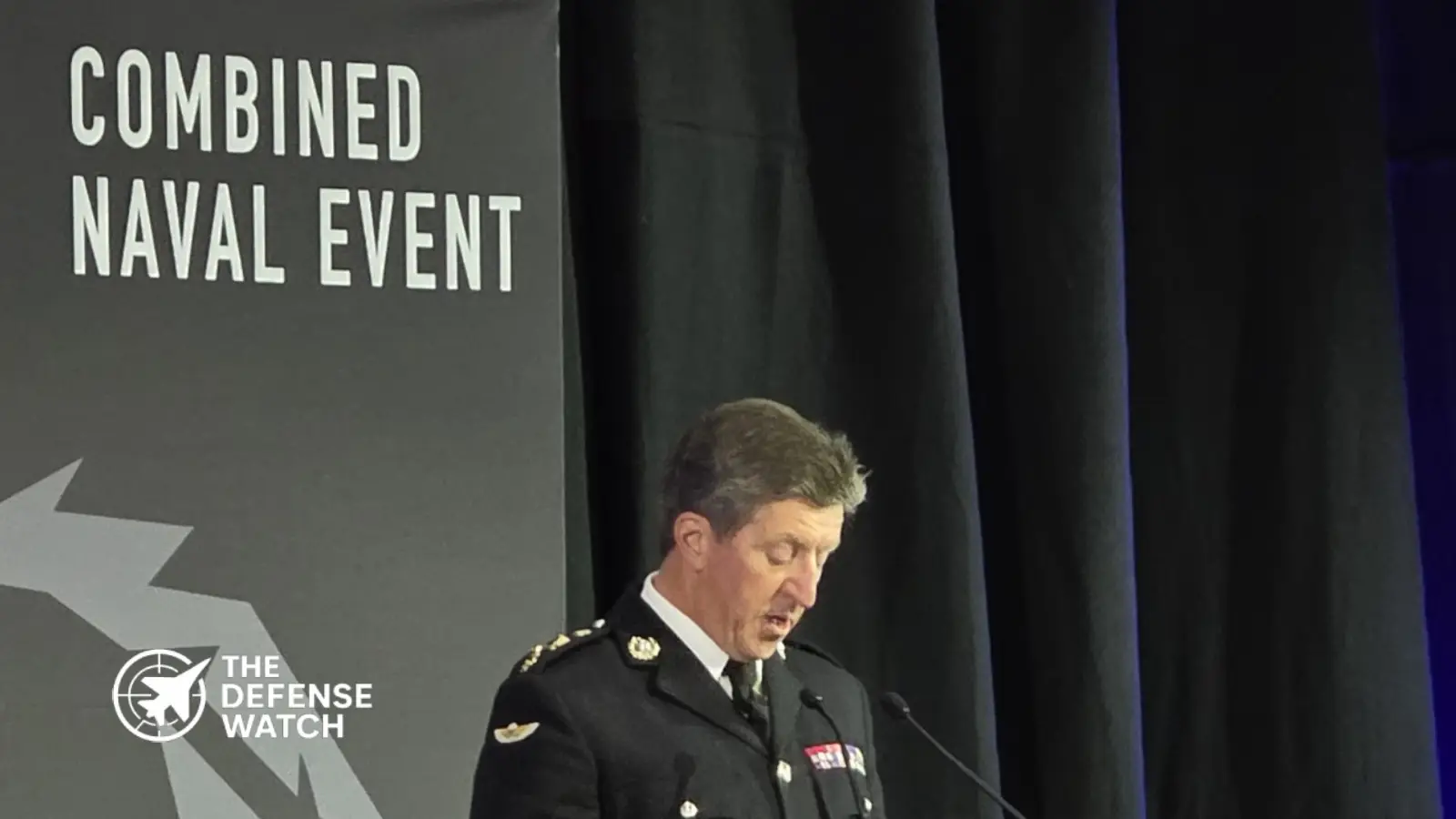
According to remarks by the UK’s First Sea Lord, Admiral Sir Ben Key, drones and autonomous systems are no longer supporting assets but increasingly decisive tools in combat operations. The comments, reflect growing concern among Western militaries over the speed at which uncrewed systems are reshaping naval warfare.
The statement comes as the United Kingdom continues to invest in autonomous maritime technologies, artificial intelligence-enabled surveillance platforms, and uncrewed surface and underwater vessels designed to support fleet operations in contested environments.
Lessons From Ukraine And The Red Sea
British defense planners are closely studying the operational impact of drones in both the Russia-Ukraine war and attacks on commercial shipping in the Red Sea.
In Ukraine, maritime drones have repeatedly targeted Russian naval assets in the Black Sea, forcing Moscow to adapt fleet operations and increase harbor defenses. Low-cost uncrewed systems have demonstrated an ability to threaten larger and more expensive warships, altering long-standing assumptions about naval power projection.
Similarly, Houthi attacks in the Red Sea using drones and missiles have pushed Western naval forces into sustained air and missile defense operations. The operational tempo has highlighted the growing challenge posed by inexpensive autonomous or remotely operated systems against conventional fleets.
Admiral Key’s remarks indicate that the Royal Navy sees these developments as more than temporary battlefield trends. Instead, British naval leadership appears to view autonomous systems as a permanent feature of future maritime conflict.
Royal Navy Expanding Autonomous Capabilities
The Royal Navy has already launched multiple programs focused on autonomous and uncrewed operations.
These efforts include testing uncrewed mine countermeasure systems, autonomous underwater vehicles, and intelligence, surveillance, and reconnaissance platforms. The service has also explored integrating drones with carrier strike groups led by the aircraft carrier HMS Queen Elizabeth.
The UK Ministry of Defence has increasingly emphasized experimentation through initiatives such as the NavyX innovation program, which aims to accelerate the adoption of emerging maritime technologies.
British defense officials argue that autonomous systems can provide several operational advantages, including:
- Reduced risk to personnel
- Lower operating costs
- Greater persistence during surveillance missions
- Faster intelligence collection
- Expanded reach in contested areas
The Royal Navy is also examining how artificial intelligence and machine learning can improve target identification, operational planning, and autonomous coordination between platforms.
Shift In Naval Warfare Doctrine
The First Sea Lord’s warning also points to a broader doctrinal shift among NATO navies.
Traditional naval power has long centered on high-value assets such as destroyers, submarines, and aircraft carriers. However, the growing effectiveness of drones is forcing military planners to reconsider fleet composition and survivability.
Analysts increasingly believe future naval warfare will involve layered networks of crewed and uncrewed systems operating together. Rather than replacing warships entirely, drones are expected to expand reconnaissance coverage, support strike operations, and overwhelm enemy defenses through mass deployment.
This shift mirrors broader trends across NATO militaries, where autonomous systems are becoming central to modernization planning.
The United States Navy has also accelerated work on uncrewed surface vessels and autonomous underwater systems as part of its distributed maritime operations strategy. Likewise, European allies are expanding investment in naval drones and AI-enabled defense systems.
Cost Pressures And Strategic Competition
The rapid rise of drone warfare also presents economic and strategic challenges.
Modern destroyers and frigates can cost billions of dollars to build and maintain, while relatively inexpensive drones may be capable of threatening them through swarm attacks or precision strikes. This cost imbalance is driving militaries to seek more scalable and flexible defense solutions.
For the United Kingdom, the challenge is especially important as London attempts to modernize its armed forces while operating under long-term budget pressures.
The Royal Navy must balance investments in major surface combatants, submarines, and carrier operations with the need to rapidly field autonomous systems capable of responding to emerging threats.
At the same time, Britain faces increasing maritime competition from rivals investing heavily in unmanned technologies and anti-access capabilities.
Maritime Security Implications
The growing use of drones at sea is expected to reshape maritime security operations well beyond traditional naval combat.
Autonomous systems are already being used for:
- Maritime surveillance
- Port security
- Mine detection
- Anti-submarine warfare
- Logistics support
- Intelligence gathering
As these systems become more capable, navies may increasingly rely on mixed human-machine task groups to maintain operational coverage across vast maritime regions.
For NATO members, interoperability between allied autonomous systems is also becoming a growing priority.
The Royal Navy’s latest messaging suggests Britain intends to remain actively involved in shaping that future operating model.
Strategic Outlook
The Royal Navy drone warfare strategy reflects a wider recognition that autonomous systems are changing the balance between cost, survivability, and combat effectiveness in maritime operations.
Admiral Key’s remarks underscore how quickly defense institutions are adapting to lessons emerging from active conflicts. While traditional warships will remain central to naval power, uncrewed systems are increasingly viewed as essential to maintaining operational advantage in contested waters.
The pace of that transformation is likely to accelerate as drone technologies become cheaper, more autonomous, and more integrated into frontline military planning.