Executive Summary:
GE Aerospace has received a U.S. Air Force contract to continue development of the GE426 engine for future autonomous combat aircraft programs. The effort supports the Pentagon’s push to field lower-cost, high-performance Collaborative Combat Aircraft capable of operating alongside crewed fighters in contested environments.
GE Aerospace Advances GE426 Engine For Autonomous Combat Aircraft
GE Aerospace has secured a new U.S. Air Force contract to further develop the GE426 propulsion system for future autonomous combat aircraft, marking another step in the Pentagon’s expanding Collaborative Combat Aircraft (CCA) initiative.
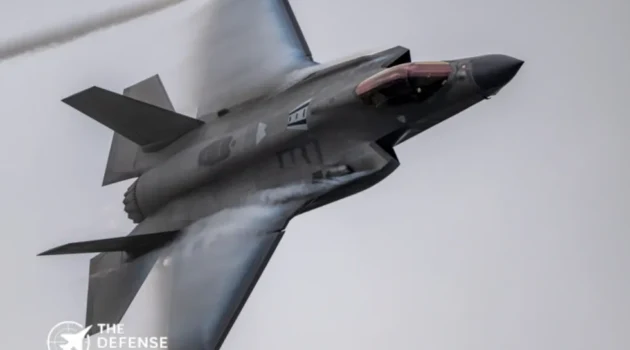
The contract focuses on advancing engine technologies designed for a new generation of autonomous platforms expected to operate alongside crewed fighters such as the F-35 Lightning II and F-47 family of systems.
The GE426 engine is being positioned as a propulsion option for autonomous combat aircraft requiring high thrust, fuel efficiency, and lower lifecycle costs.
The U.S. Air Force’s CCA effort is one of the Pentagon’s most important modernization programs. The initiative aims to field autonomous aircraft that can perform missions including electronic warfare, strike operations, intelligence gathering, and air combat support while reducing risk to human pilots.
Focus On Affordable Mass And Combat Flexibility
The GE426 program reflects a broader shift in U.S. military aviation strategy toward affordable mass, where larger numbers of lower-cost autonomous systems complement smaller fleets of highly advanced crewed aircraft.
Senior U.S. defense officials have repeatedly emphasized that future air warfare will depend on a mix of manned and unmanned platforms capable of operating in highly contested environments. Autonomous combat aircraft are expected to extend sensor coverage, carry additional weapons, conduct decoy missions, and support distributed operations across large theaters.
The GE426 engine is designed to support those operational requirements through a compact propulsion architecture optimized for autonomous aircraft performance demands.
While detailed technical specifications remain limited, the engine reportedly builds on GE Aerospace’s existing military propulsion experience, including adaptive cycle technologies, advanced thermal management, and modular sustainment concepts aimed at reducing operational costs.
That affordability factor remains central to the CCA concept. The U.S. Air Force has stated in previous budget and acquisition discussions that Collaborative Combat Aircraft must remain significantly less expensive than traditional fighter platforms to allow procurement at meaningful scale.
Competition Intensifies In Autonomous Airpower Sector
The new contract also highlights growing competition among U.S. aerospace companies to secure positions in the emerging autonomous combat aviation market.
Alongside Anduril Industries and General Atomics, major propulsion suppliers are racing to establish technologies that could power future autonomous fleets.
The U.S. Air Force has increasingly accelerated work on autonomous systems as geopolitical competition with China intensifies in the Indo-Pacific region. Pentagon planners view autonomous systems as critical for maintaining operational resilience against advanced air defense networks and long-range missile threats.
The CCA program is expected to complement the broader U.S. Air Force Next Generation Air Dominance strategy, which seeks to integrate stealth aircraft, autonomous systems, sensors, and advanced networking into a unified combat ecosystem.
Engine development remains a key challenge for the sector. Autonomous combat aircraft require propulsion systems that balance speed, endurance, thermal efficiency, survivability, and reduced maintenance burdens while remaining affordable enough for large-scale production.
GE Aerospace Expands Military Propulsion Portfolio
For GE Aerospace, the GE426 effort expands its growing portfolio of advanced military propulsion programs.
The company continues to support several major U.S. military aviation platforms, including engines used on helicopters, fighters, and transport aircraft. The autonomous combat aircraft market could become a major long-term growth area as the Pentagon prioritizes unmanned systems across multiple services.
Industry analysts expect the Department of Defense to invest heavily in autonomous aviation capabilities throughout the next decade, particularly in areas tied to artificial intelligence, electronic warfare integration, and distributed combat operations.
The Air Force has already indicated that future combat aviation fleets will likely include hundreds, potentially thousands, of autonomous aircraft operating alongside smaller numbers of crewed fighters.
That strategic direction is reshaping procurement priorities across the aerospace sector, with propulsion, autonomy software, sensors, and secure communications emerging as major areas of competition.
Why The GE426 Contract Matters
The GE426 autonomous combat engine program underscores how propulsion technology is becoming a central element of future airpower competition.
While public attention often focuses on stealth airframes or artificial intelligence, propulsion systems remain essential for determining aircraft range, survivability, payload capacity, and mission flexibility.
For the U.S. Air Force, securing reliable and scalable propulsion options for Collaborative Combat Aircraft will be critical if the service intends to deploy autonomous systems at operational scale across future conflict zones.
The contract also signals continued Pentagon commitment to autonomous combat aviation despite budget pressures and ongoing modernization demands across other military domains.