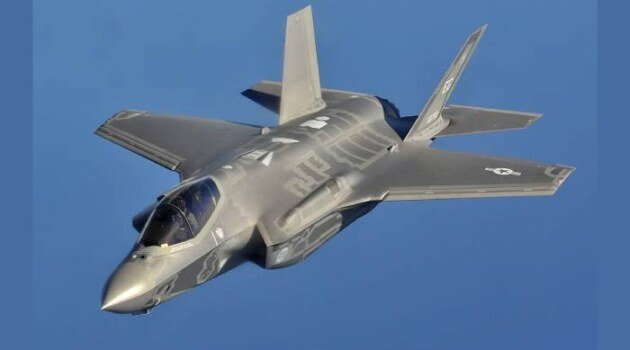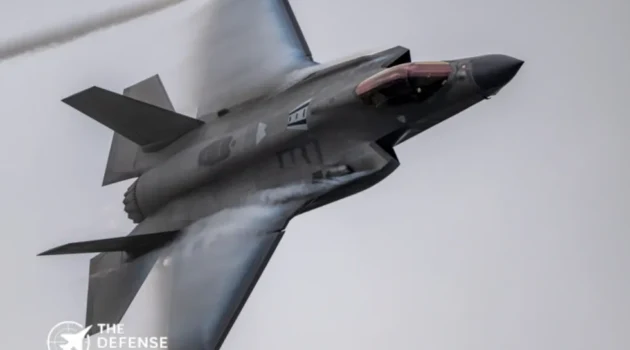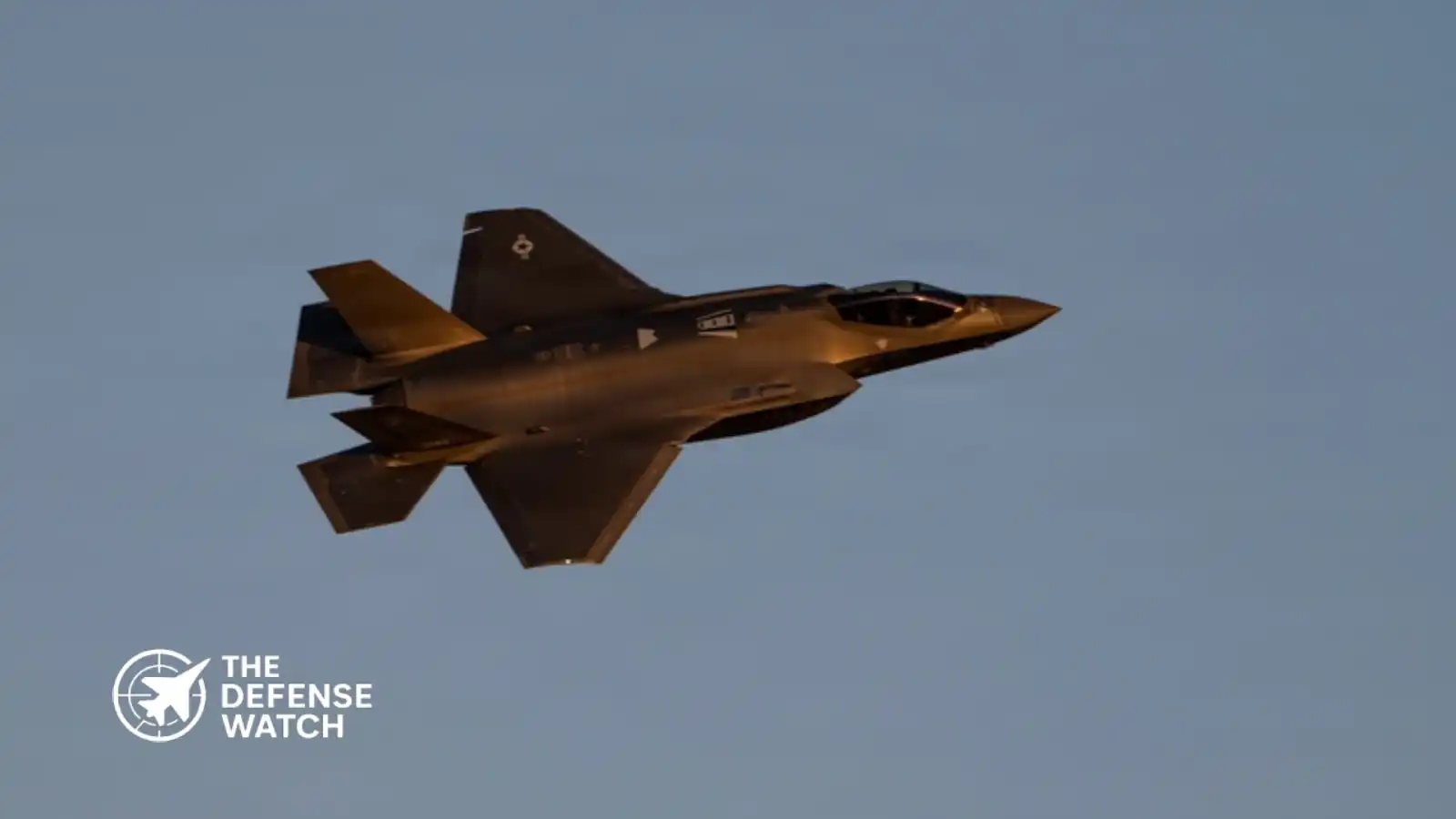
Belgium is moving to expand the combat reach of its future F-35A fleet as NATO allies accelerate airpower modernization across Europe.
Executive Summary:
The U.S. Department of State has approved a possible $236 million sale of Joint Strike Missiles to Belgium for integration with the country’s F-35A fighter fleet. The proposed deal supports Belgium’s military modernization plans and strengthens NATO’s precision strike capabilities in Europe.
Belgium Expands F-35A Strike Capability With Joint Strike Missile Purchase
The proposed Joint Strike Missile sale to Belgium marks another step in Europe’s ongoing effort to modernize air combat capabilities amid rising regional security concerns. The U.S. Defense Security Cooperation Agency announced that the U.S. Department of State approved a possible Foreign Military Sale valued at approximately $236 million for the NATO ally.
The package includes Joint Strike Missiles (JSMs), support equipment, spare parts, integration support, logistics assistance, and related training elements for Belgium’s future fleet of Lockheed Martin F-35A Lightning II fighter aircraft.
According to the DSCA notification, the sale is intended to improve Belgium’s ability to respond to current and future threats while enhancing interoperability with U.S. and NATO forces.
The Joint Strike Missile is produced by Kongsberg Defence & Aerospace in partnership with Raytheon for international integration and support activities. The missile is specifically designed for internal carriage aboard the Lockheed Martin F-35 Lightning II, preserving the aircraft’s low observable characteristics during strike missions.
Long Range Precision Strike Capability
The Joint Strike Missile provides a significant capability increase for Belgium’s future F-35A operations. Derived from the Naval Strike Missile family, the air launched weapon is designed for precision attacks against heavily defended land and maritime targets.
The missile combines low observable shaping, advanced guidance systems, and terrain following flight profiles intended to improve survivability against modern integrated air defense systems. Open source estimates indicate the missile has a range exceeding 275 kilometers, allowing aircraft to engage targets from standoff distances outside many enemy air defense envelopes.
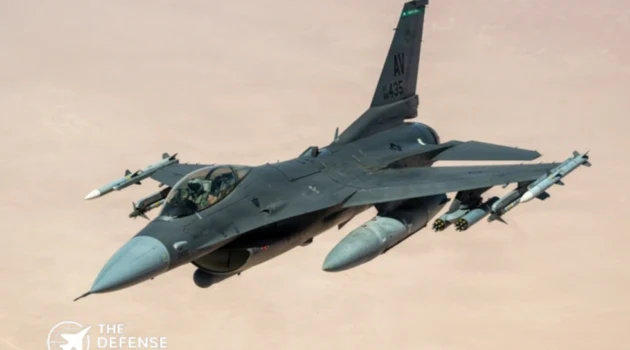
Belgium selected the F-35A as its next generation combat aircraft to replace aging F-16 fighters. The country currently plans to operate dozens of F-35As as part of broader NATO modernization efforts.
Integrating the Joint Strike Missile into Belgium’s F-35A fleet would provide the Belgian Air Component with an expanded precision strike option capable of supporting both national defense missions and alliance operations.
NATO Modernization And European Defense Priorities
The approval comes as several European NATO members continue increasing defense spending and accelerating procurement programs following heightened tensions across the continent.
Belgium has faced growing pressure to modernize its armed forces and improve readiness levels in line with NATO capability targets. Precision guided munitions and long range strike systems have become a central focus for many allied air forces seeking to deter potential adversaries while maintaining operational flexibility.
The F-35 program itself has become a cornerstone of NATO airpower modernization. Multiple European nations, including the Netherlands, Norway, Denmark, Poland, Finland, Germany, and Belgium, are either operating or procuring the aircraft.
Adding the Joint Strike Missile to allied F-35 fleets also improves commonality across NATO operations. Norway was the original development partner for the missile, and several allied nations have shown increasing interest in the weapon because of its compatibility with stealth aircraft and maritime strike capabilities.
From a strategic perspective, the proposed sale reflects Washington’s broader effort to strengthen allied defense networks in Europe while supporting interoperable weapons systems across NATO member states.
Industrial And Strategic Implications
The proposed deal also highlights the growing importance of multinational defense industrial cooperation within NATO. The Joint Strike Missile program combines Norwegian missile technology with U.S. defense industry integration and export support mechanisms.
For Belgium, acquiring the missile could enhance operational independence by providing a modern stand off strike capability compatible with future coalition operations. It also aligns with broader European efforts to improve high end conventional deterrence.
The DSCA stated that the sale would not alter the basic military balance in the region but would improve Belgium’s ability to contribute to collective defense missions.
Congress must still review the proposed transaction before a final agreement can be concluded. However, congressional approval for allied defense modernization programs of this type is typically expected.
Growing Demand For Advanced Air Launched Weapons
The Belgium request reflects increasing global demand for advanced air launched precision weapons optimized for fifth generation aircraft. As air defense systems become more sophisticated, NATO air forces are placing greater emphasis on survivable stand off strike munitions capable of penetrating contested environments.
Weapons such as the Joint Strike Missile are increasingly viewed as critical enablers for modern air operations, particularly in scenarios involving anti access and area denial systems.
For Belgium, the acquisition would significantly expand the combat utility of its future F-35A fleet while reinforcing its role within NATO’s evolving deterrence posture.