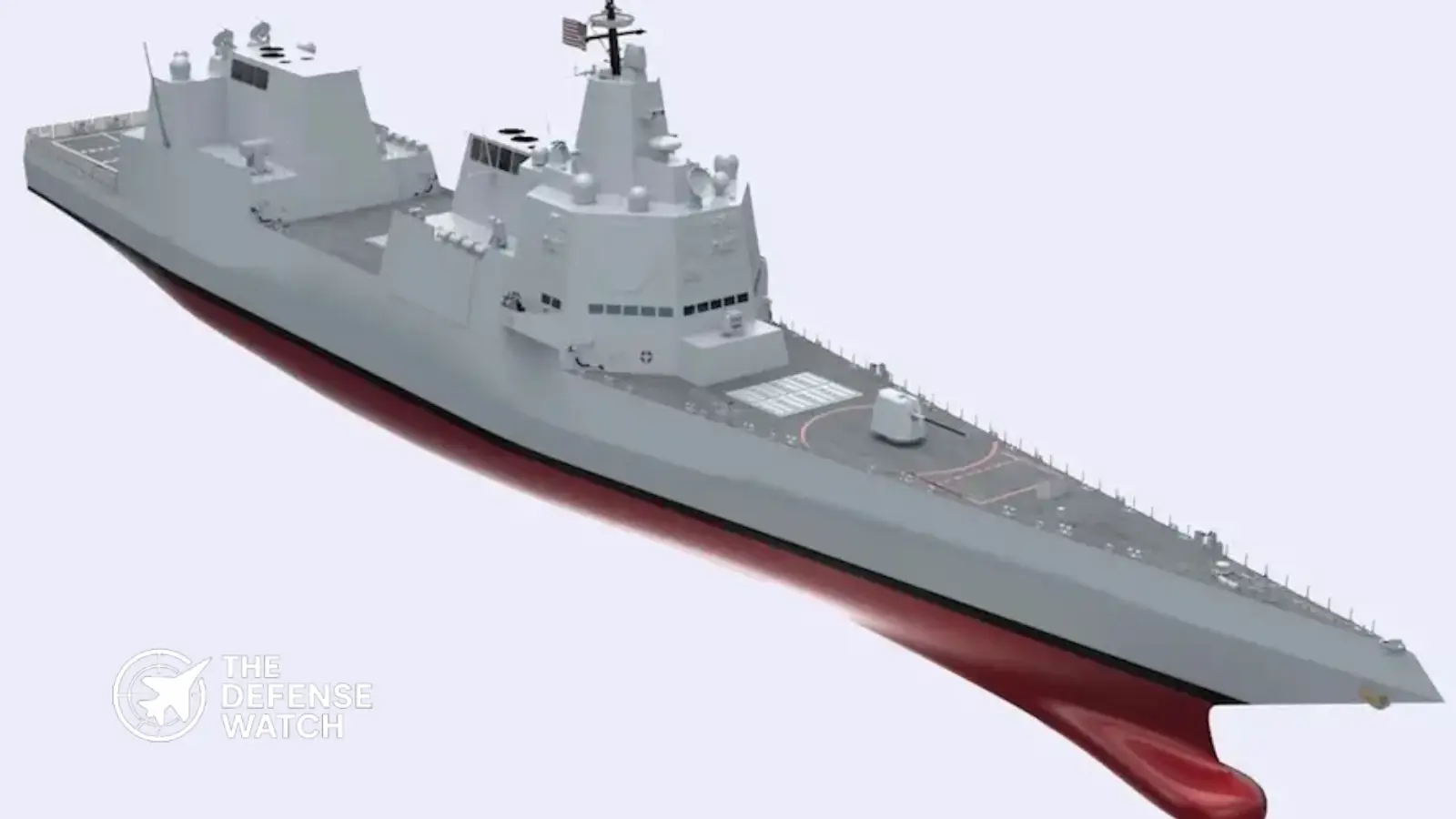
Executive Summary: A proposed Trump class nuclear battleship concept linked to modern naval force expansion has triggered debate over affordability and industrial feasibility.
Analysts and defense observers are questioning whether current U S shipyard capacity can support construction of ultra large nuclear surface combatants at scale.
The discussion highlights broader tensions between fleet modernization goals and the realities of the U S naval industrial base.
The Trump class nuclear battleship plan is drawing attention across defense circles as questions grow around cost, industrial capacity, and strategic value. The concept, associated with future U S Navy surface warfare ambitions, has prompted renewed debate over whether the United States can realistically build and sustain ultra large nuclear powered warships.
U.S. Navy modernization priorities have increasingly focused on distributed lethality, unmanned systems, and next generation destroyers. Against this backdrop, the idea of a nuclear powered battleship scale platform has raised concerns among analysts who see potential strain on both budgets and shipyard throughput.
Strategic Context Behind the Concept
The discussion around a Trump class nuclear battleship concept comes at a time when naval planners are reassessing force structure requirements for high end conflict environments. Rising tensions in the Indo Pacific and growing concerns over peer adversary naval expansion have driven renewed interest in platforms capable of long endurance operations and heavy payload capacity.
However, large surface combatants have historically faced challenges related to cost growth, maintenance complexity, and construction timelines. Nuclear propulsion adds another layer of technical and logistical demand, requiring specialized infrastructure and highly trained personnel.
Cost Pressures and Budget Reality
One of the central concerns surrounding the Trump class nuclear battleship plan is procurement cost. Modern surface combatants already represent some of the most expensive assets in the defense portfolio. Introducing nuclear propulsion at battleship scale would significantly increase upfront costs as well as lifecycle maintenance expenses.
Defense analysts note that funding such a program could require tradeoffs across other modernization efforts, including submarine production, amphibious fleet recapitalization, and unmanned maritime systems. This raises questions about opportunity cost and whether resources would be better distributed across a larger number of smaller platforms.
Shipyard Capacity Constraints
Industrial base capacity remains a critical bottleneck. The United States has a limited number of shipyards capable of constructing large complex surface combatants, and even fewer with experience integrating nuclear propulsion systems into surface vessels.
Current workload already includes destroyers, aircraft carriers, and submarine production lines. Adding a new class of nuclear battleship would likely stretch schedules further, potentially increasing delivery timelines across the broader fleet.
Industry observers have also pointed to workforce shortages, supply chain limitations, and material availability challenges as key constraints that would need to be addressed before any such program could scale effectively.
Operational Value Versus Risk
Supporters of large nuclear powered surface combatants argue that such platforms could offer unmatched endurance, power generation capacity, and weapons integration potential. A nuclear propulsion system allows sustained high speed operations without the logistical constraints of fuel supply chains.
However, critics question survivability in modern threat environments. Advances in anti ship missiles, submarine warfare, and long range targeting systems have increased the vulnerability of large surface vessels. This has led some defense planners to favor distributed fleets composed of smaller, more numerous platforms.
Industrial Tradeoffs and Force Design Debate
The Trump class nuclear battleship concept highlights a broader debate within U S naval strategy. The question is not only whether the technology is feasible, but whether it aligns with emerging force design priorities.
Current modernization trends emphasize:
Distributed maritime operations
Unmanned surface and underwater systems
Long range precision strike integration
Resilient and networked fleet architecture
A capital intensive battleship program could potentially compete with these priorities for funding and industrial attention.
Historical Lessons in Battleship Development
Historically, battleships represented dominant naval power until the rise of carrier aviation reshaped maritime warfare. While modern surface combatants incorporate far more advanced sensors and weapons, the strategic shift toward multi domain warfare has reduced the emphasis on single platform dominance.
Analysts caution that revisiting battleship scale designs requires careful consideration of historical lessons, particularly regarding survivability and adaptability in rapidly evolving threat environments.
Key Analytical Takeaways
The Trump class nuclear battleship plan is still best understood as a conceptual debate rather than a confirmed acquisition program. Even so, it serves as a useful lens into current tensions within U S naval modernization strategy.
Key issues include:
High acquisition and lifecycle cost risk
Limited shipyard and nuclear integration capacity
Competing priorities in fleet modernization
Evolving threat environments favoring distributed forces