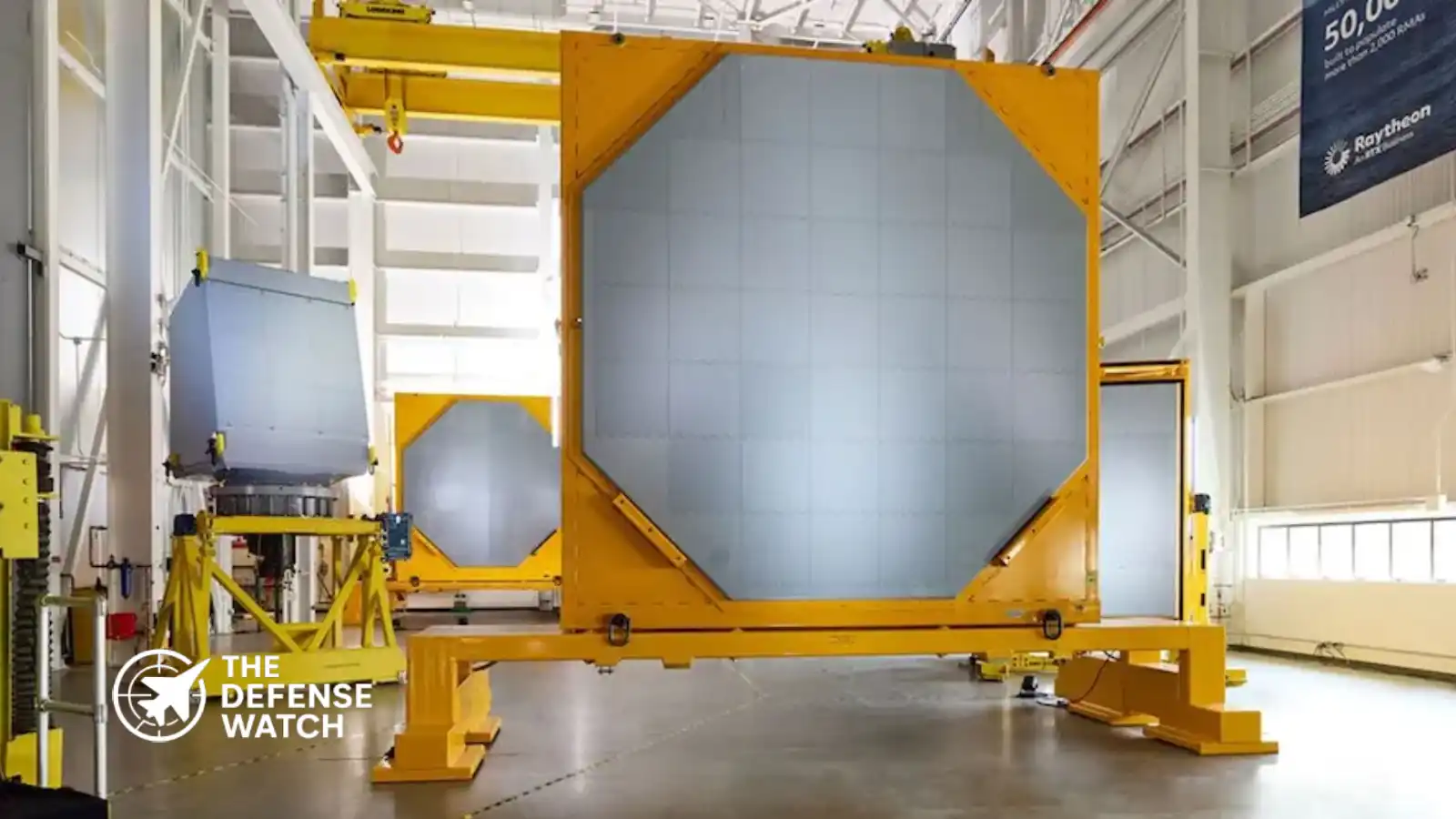
The U.S. Navy is accelerating efforts to modernize fleet radar systems with adaptable software driven capabilities designed for evolving threats.
Executive Summary:
Raytheon has secured a new contract from the United States Navy to develop a next generation software defined radar capability. The effort supports the Navy’s broader push toward adaptable and upgradeable combat systems designed to counter evolving maritime and aerial threats.
Raytheon Software Defined Radar Capability Supports U.S. Navy Modernization
The new software defined radar capability being developed by Raytheon represents another step in the United States Navy modernization strategy focused on flexibility, digital integration, and rapid upgrades.
The contract centers on creating a software defined radar architecture capable of adapting to future mission demands without requiring extensive hardware replacement.
The software defined radar concept allows operators to modify radar performance, operational modes, and mission functions through software updates instead of large scale physical redesigns. That approach can reduce upgrade timelines and potentially lower lifecycle sustainment costs across naval platforms.
The contract reflects a wider trend across the U.S. military toward open architecture systems that can rapidly integrate emerging technologies, including electronic warfare enhancements, artificial intelligence assisted processing, and advanced sensor fusion.
Why Software Defined Radar Matters
Traditional naval radar systems often rely heavily on dedicated hardware configurations that can be difficult and expensive to modernize once deployed. In contrast, software defined radar systems separate many operational functions from fixed hardware, enabling faster updates as new threats emerge.
For the United States Navy, this capability has growing importance as maritime competition intensifies in regions including the Indo Pacific and the Red Sea. Naval forces increasingly face complex threat environments involving cruise missiles, drones, electronic warfare systems, and low observable targets.
A software based architecture may also improve interoperability between different naval platforms and combat systems. Analysts note that future fleet operations will require faster information sharing across ships, aircraft, unmanned systems, and joint force networks.
The U.S. Navy has been investing heavily in digital transformation programs aimed at improving operational adaptability while shortening modernization cycles. Radar systems are considered central to those efforts because they support air defense, missile warning, maritime surveillance, and targeting operations.
Growing Demand For Adaptive Naval Sensors
The award to Raytheon comes as global militaries place increased emphasis on electronically agile radar technologies capable of responding to rapidly changing battlefield conditions.
Modern naval warfare increasingly demands systems that can manage simultaneous threats across multiple domains. Radar systems now need to detect conventional aircraft, track hypersonic weapons, counter drone swarms, and operate effectively in contested electromagnetic environments.
Software defined radar architectures can support those demands by enabling quicker algorithm updates and mission reconfiguration without requiring entirely new radar hardware installations.
The U.S. defense sector has increasingly prioritized modular sensor systems in recent years. Similar modernization efforts are underway across airborne early warning platforms, missile defense systems, and next generation fighter aircraft programs.
Strategic Importance For The U.S. Navy
The software defined radar initiative aligns with broader Pentagon priorities emphasizing distributed maritime operations and network centric warfare.
As the Navy prepares for future high intensity conflict scenarios, adaptable radar systems are expected to play a major role in maintaining situational awareness and survivability. Naval commanders require systems that can evolve alongside rapidly advancing threats rather than becoming technologically obsolete within a few years.
The contract also reinforces RTX Corporation’s position as a major supplier of advanced naval sensing and defense technologies for the U.S. military.
Raytheon has previously contributed to several high profile radar and missile defense programs, including systems supporting integrated air and missile defense missions across naval and land based platforms.
Industry Shift Toward Software Driven Warfare
The development highlights a broader shift underway across the defense industry where software increasingly determines combat capability.
Defense planners now view software adaptability as critical to maintaining operational advantages against technologically sophisticated adversaries. Instead of relying solely on expensive hardware refresh programs every decade, militaries are moving toward systems that can receive continuous digital improvements.
This transition mirrors developments in military aviation, missile defense, and unmanned systems, where rapid software updates can significantly alter battlefield performance.
For naval forces, the ability to rapidly deploy updated radar functions may become increasingly important as electronic warfare and missile threats continue to evolve.