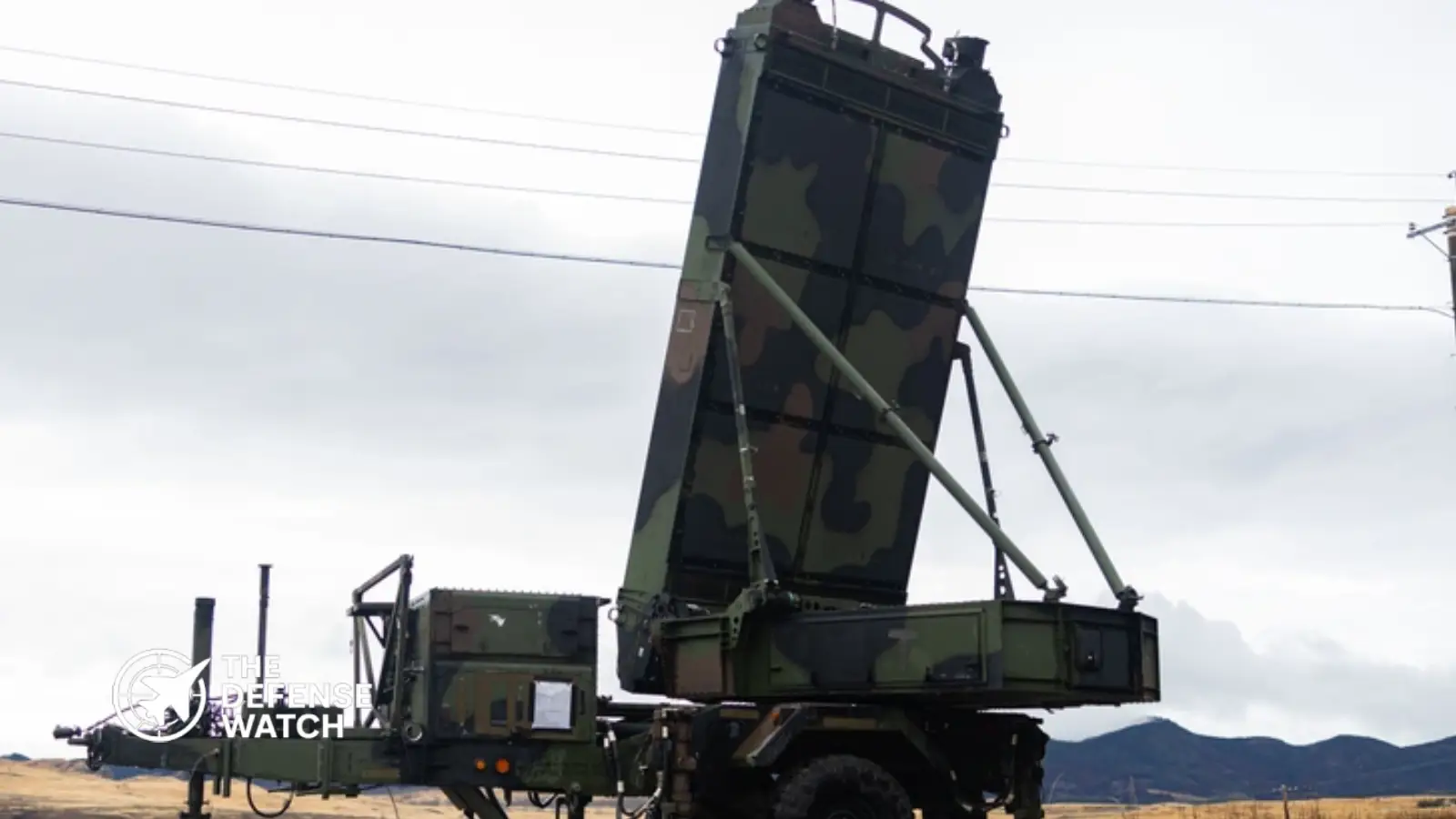
Executive Summary: Northrop Grumman has secured a potential $697 million Marine Corps contract to provide long-term sustainment, engineering, logistics, and software support for expeditionary radar systems through 2031.
The agreement supports the operational readiness and modernization of critical U.S. Marine Corps radar capabilities, including lifecycle upgrades, technical refresh efforts, and future software integration.
The U.S. Marine Corps Systems Command, acting through the Portfolio Acquisition Executive for the Marine Corps in Quantico, Virginia, has awarded Northrop Grumman a maximum ceiling $697 million basic ordering agreement (BOA) to continue sustainment engineering and logistics services for the Program Manager Expeditionary Radars portfolio.
According to the Department of Defense contract announcement, the award combines firm-fixed-price and cost-plus-fixed-fee elements and will support Marine Corps expeditionary radar systems through May 2031. No funding was obligated at the time of award, with task orders expected to incrementally fund future work packages.
Deep Technical & Strategic Context Analysis
The contract is closely tied to the long-term sustainment and modernization of the Marine Corps’ expeditionary radar enterprise, particularly the AN/TPS-80 Ground/Air Task Oriented Radar (G/ATOR), one of the service’s most important air surveillance and air defense sensor systems. Developed by Northrop Grumman, G/ATOR replaces several legacy radar systems with a single multi-mission platform capable of air surveillance, air defense, counter-battery detection, and air traffic control support.
The radar has become increasingly important as the Marine Corps restructures around distributed expeditionary operations and Force Design modernization concepts. In contested Indo-Pacific operating environments, Marine units are expected to deploy in smaller, dispersed formations across island chains and austere forward locations. Expeditionary radars like G/ATOR provide critical sensor coverage for detecting aircraft, cruise missiles, unmanned systems, and indirect fire threats while supporting joint targeting and integrated air and missile defense networks.
The sustainment agreement reflects a broader Pentagon trend toward preserving readiness and extending capability through software-driven modernization rather than replacing entire sensor fleets. The contract specifically includes technical refresh activities, software support, and mitigation of diminishing manufacturing sources and material shortages (DMSMS), an increasingly urgent issue across the defense industrial base as aging electronic components become obsolete or unavailable.
The hybrid contract structure is also notable. Firm-fixed-price elements place cost risk largely on the contractor for defined deliverables, while cost-plus-fixed-fee provisions are typically used for engineering tasks where technical uncertainty remains high. This approach is common for radar sustainment programs involving software evolution, configuration changes, and ongoing integration into evolving command-and-control architectures.
Contract Breakdown & Details
Scope of Work
The agreement covers a broad range of sustainment and modernization activities for Marine Corps expeditionary radar systems, including:
- Engineering changes and technical modifications
- Contractor logistics support
- Depot-level lifecycle sustainment
- Software support activity services
- Technical refresh and modernization
- DMSMS mitigation support
- Operational spares procurement
- Studies, analyses, and future software development
Contract Structure
- Contract Type: Combination of firm-fixed-price and cost-plus-fixed-fee
- Maximum Ceiling Value: $697 million
- Contract Vehicle: Basic Ordering Agreement (BOA)
- Period of Performance: Through May 14, 2031
- Contracting Activity: Marine Corps Systems Command, Quantico, Virginia
- Awardee: Northrop Grumman
- Contract Number: M67854-26-G-0003
Procurement Details
The Marine Corps awarded the agreement on a non-competitive basis under provisions of Federal Acquisition Regulation 6.302-1 and 10 U.S. Code 3204(a)(1), authorities permitting sole-source awards when only one responsible source can meet operational requirements.
Such arrangements are common for proprietary defense systems where the original manufacturer retains unique technical data rights, software authority, and systems integration expertise necessary to sustain complex radar architectures.
Operational Importance
The Marine Corps’ expeditionary radar portfolio underpins several mission areas:
- Air surveillance and early warning
- Counter-unmanned aerial system detection
- Integrated air and missile defense
- Counter-fire target acquisition
- Joint force airspace management
- Expeditionary operations in contested environments
As peer adversaries expand cruise missile inventories and deploy increasingly sophisticated unmanned systems, radar survivability, software adaptability, and sustainment readiness have become central priorities for U.S. force planners.