The deployment spotlights how sustainment gaps can shape frontline carrier capability even before combat begins
Executive Summary: The Royal Navy deployed HMS Prince of Wales while facing reported constraints in F35 spare parts availability. The situation highlights ongoing challenges in sustaining carrier air wing readiness during extended operations. It also raises broader questions about logistics resilience in modern naval aviation.
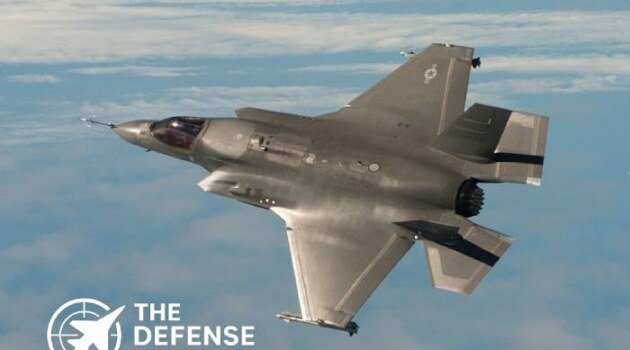
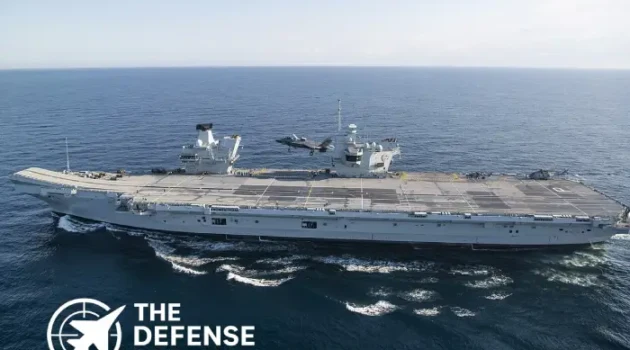
The F35 spare parts shortage affecting UK carrier operations has drawn attention to the sustainment side of naval aviation rather than frontline combat performance. According to reporting from UK Defence Journal, HMS Prince of Wales sailed with limited availability of critical spare components for its embarked F35B fleet, creating potential constraints on sustained flight operations.
While the carrier strike group remains fully operational, the issue underscores a recurring reality in modern expeditionary warfare. High end platforms depend not only on procurement but on continuous global logistics support that can keep aircraft mission ready over long deployments.
Carrier Readiness and Supply Chain Pressure
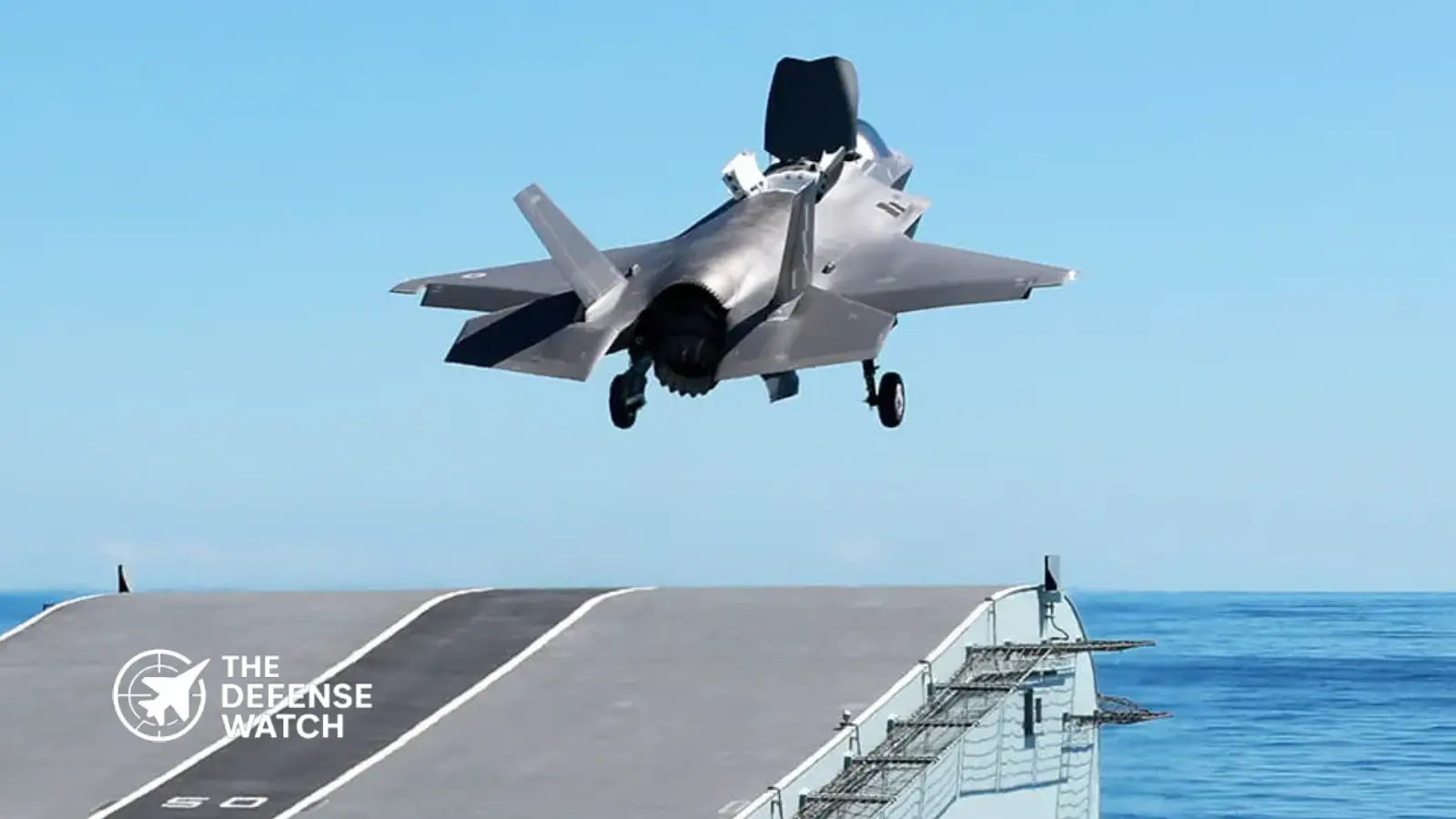
HMS Prince of Wales represents the Royal Navy flagship for carrier strike operations, designed to operate the F35B variant of the F35 Lightning II multirole fighter. In theory, the combination delivers a highly flexible fifth generation air wing capable of strike, reconnaissance, and maritime support missions.
In practice, sustaining that capability depends heavily on spare parts availability, engine components, avionics modules, and low observable materials support. When inventories are constrained, aircraft availability rates can decline even if the platform itself is fully mission capable on paper.
The F35 spare parts shortage has therefore become a central factor in how often aircraft can actually fly during deployment cycles. Each sortie consumes components that must be rapidly replaced through a tightly coordinated global supply chain.
Why Spare Parts Matter More Than Aircraft Numbers
Modern carrier aviation is not only about how many jets are assigned to a ship. It is about how many are ready to fly at any given moment. The F35 Lightning II ecosystem is highly integrated, meaning that even minor component shortages can ripple through readiness rates.
Key dependencies include:
- Engine module turnaround times
- Low observable coating maintenance
- Sensor and avionics replacement cycles
- Software update integration hardware
- Tire, brake, and airframe wear components
When any of these categories face delays, aircraft availability can fall below planned levels. This is especially critical on a carrier deployment, where onboard storage is limited and resupply depends on scheduled logistics links.
Operational Impact on Carrier Strike Groups
Carrier strike groups are designed for sustained forward presence, often operating far from home support infrastructure. For the Royal Navy, HMS Prince of Wales serves as a central node for power projection, NATO operations, and joint exercises.
However, the F35 spare parts shortage introduces operational friction. While mission capable aircraft can still fly, planners may need to adjust sortie generation rates, prioritize mission types, or extend maintenance intervals between flights.
This does not necessarily reduce combat effectiveness in the short term. Instead, it creates constraints on tempo and endurance, two factors that are critical during prolonged deployments or crisis response scenarios.
Strategic Context and Alliance Considerations
The UK operates the F35 program as part of a wider multinational supply network led by the United States and partner nations. This structure offers scale advantages but also introduces competition for limited spares during high demand periods.
In recent years, global F35 fleet expansion has accelerated, increasing pressure on depot level maintenance capacity and spare production timelines. The result is a system where operational readiness is closely tied to industrial throughput.
For NATO carriers, including the Royal Navy, this means that readiness is not solely a national issue. It is shaped by shared production pipelines and multinational logistics coordination.
Analysis: What This Means for Future Carrier Deployments
The situation involving HMS Prince of Wales highlights a broader challenge in modern naval aviation. Fifth generation carriers are only as effective as the sustainment systems behind them.
Three key implications stand out:
First, logistics planning is becoming as important as platform acquisition. Carrier groups require pre positioned supply strategies that anticipate long duration deployments.
Second, spare parts stockpiles are now strategic assets. Shortages can directly influence deterrence posture even without combat engagement.
Third, allied interoperability is increasing dependency on shared industrial capacity. This creates efficiency but also vulnerability when demand spikes.
The F35 spare parts shortage does not indicate a failure of the platform itself. Instead, it reflects the complexity of maintaining advanced stealth aircraft at scale while simultaneously expanding global fleets.
Broader Implications for the F35 Program
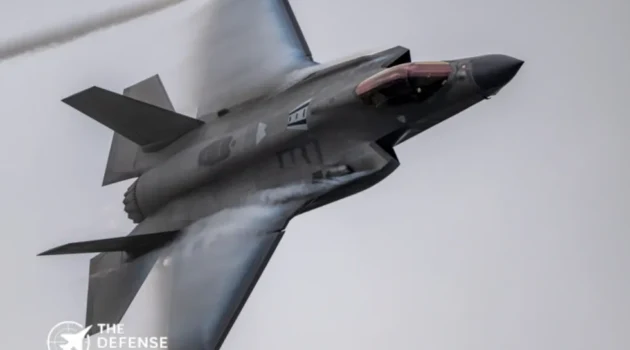
The F35 Lightning II remains one of the most widely deployed fifth generation fighters in the world. Its performance and versatility are not in question, but sustainment continues to be a central planning challenge for operators.
For carrier based variants like the F35B, the issue is even more pronounced due to the demanding environment of shipborne operations. Saltwater exposure, constant launch and recovery cycles, and limited onboard storage all increase maintenance pressure.
As more carriers integrate the F35, spare parts demand is expected to grow further. This makes supply chain resilience a key factor in future procurement decisions.