(adsbygoogle = window.adsbygoogle || []).push({});Executive Summary:
Russia has renewed its proposal to India for the Su-57 fifth-generation fighter aircraft, with President Vladimir Putin offering unrestricted technology transfer and joint development opportunities. The move comes as India evaluates options to strengthen its future combat aviation capabilities while advancing indigenous aerospace programs.
Russia Renews Su-57 Offer To India
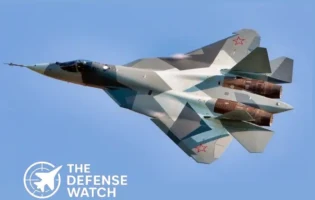
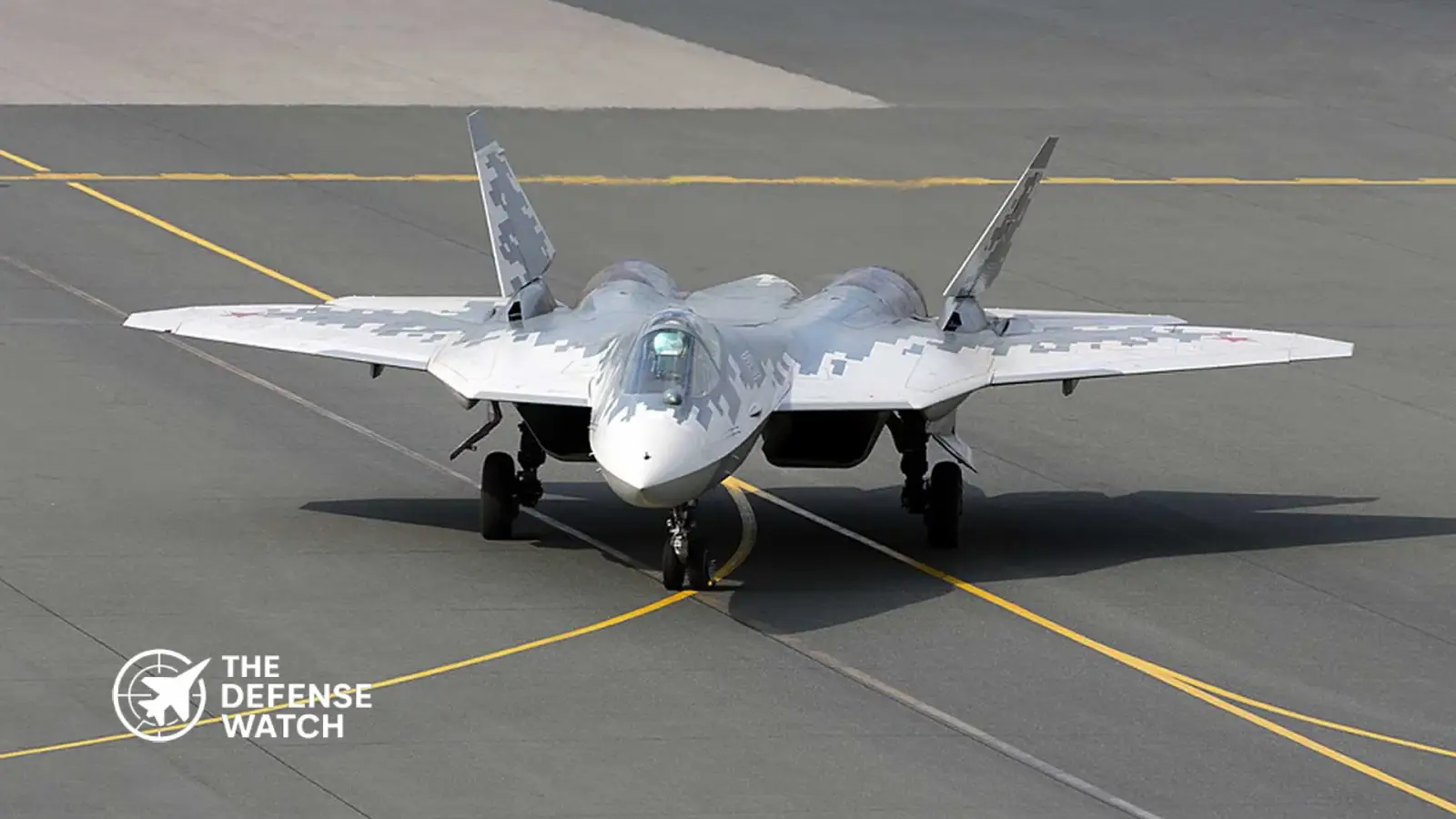
Russia has revived its long-running proposal to bring India into the Su-57 fifth-generation fighter program, with President Vladimir Putin publicly offering New Delhi access to advanced fighter technologies, joint production opportunities, and future development cooperation. According to statements made during interactions with international media at the St. Petersburg International Economic Forum, Moscow is prepared to pursue the partnership without restrictions on technology sharing.
The offer marks one of the most expansive defense cooperation proposals Russia has made to India in recent years. Putin stated that Russia remains willing to jointly develop and further improve the Su-57 platform alongside India, reviving elements of a partnership that was once envisioned under the Fifth Generation Fighter Aircraft (FGFA) program.
Background: The FGFA Program
India and Russia originally launched the FGFA initiative in 2007 to jointly develop a fighter aircraft based on the Su-57 platform. However, New Delhi eventually withdrew from the program amid concerns regarding development timelines, technology access, costs, and aircraft performance requirements.
Despite India’s exit, Russia continued development independently, eventually bringing the Su-57 into operational service. Putin referenced the earlier collaboration during his remarks, noting that the aircraft could have become a joint Indo-Russian project before Moscow proceeded alone.
The latest proposal appears designed to reopen that discussion under significantly different terms, including broader technology transfer and local manufacturing opportunities.
(adsbygoogle = window.adsbygoogle || []).push({});What Russia Is Offering
According to Russian statements, the package extends beyond aircraft procurement. Moscow has indicated readiness to provide:
- Unrestricted technology transfer related to the Su-57 program
- Joint production within India
- Local manufacturing of aircraft components
- Continued co-development and modernization of the platform
- Broader cooperation in advanced air defense technologies
For India, technology transfer remains a critical factor in major defense acquisitions. Unlike traditional export deals, access to design knowledge, manufacturing processes, and future upgrade pathways can significantly affect long-term operational independence and domestic industrial growth.
Why The Timing Matters
The renewed Russian offer arrives at a critical point for India’s airpower modernization plans.
India continues to pursue its indigenous Advanced Medium Combat Aircraft (AMCA) program, which is intended to deliver a domestically developed fifth-generation fighter in the coming decade. At the same time, the Indian Air Force faces challenges related to squadron strength and the need to maintain technological parity in an increasingly competitive regional environment.
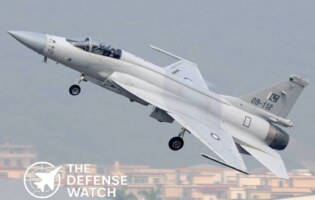
Regional developments are also shaping the conversation. China’s growing inventory of advanced combat aircraft and reports regarding Pakistan’s interest in next-generation fighter capabilities have increased attention on India’s future air combat requirements.
Russia’s proposal appears aimed at positioning the Su-57 as an available near-term option while India continues developing its indigenous programs.
Assessing The Strategic Implications
The significance of the latest offer lies less in the aircraft itself and more in the level of industrial access being proposed.
Historically, defense technology transfers involving advanced combat aircraft have been limited by export controls, intellectual property restrictions, and geopolitical considerations. Russia’s willingness to discuss unrestricted cooperation signals an effort to preserve its long-standing defense relationship with India amid increasing competition from Western suppliers.
-
(adsbygoogle = window.adsbygoogle || []).push({});
For India, any decision involving the Su-57 would likely be evaluated against multiple factors, including operational requirements, industrial benefits, lifecycle costs, interoperability concerns, and the long-term objectives of the AMCA program.
The proposal also highlights a broader trend in global defense markets, where technology access and domestic manufacturing rights increasingly influence procurement decisions as much as platform performance.
The Su-57’s Place In India’s Future Fighter Plans
The Su-57 remains Russia’s premier fifth-generation fighter aircraft, featuring low-observable characteristics, advanced avionics, networked warfare capabilities, and multirole mission flexibility. While the aircraft has attracted international interest, India has yet to signal any formal commitment regarding the renewed proposal.
(adsbygoogle = window.adsbygoogle || []).push({});Whether the offer evolves into formal negotiations remains uncertain. However, Putin’s public comments demonstrate Moscow’s determination to keep the Su-57 at the center of discussions about India’s future combat aviation requirements.
Conclusion
Russia’s latest Su-57 proposal represents one of its most ambitious defense cooperation offers to India in years. By combining fighter aircraft access with unrestricted technology transfer, joint production, and future development participation, Moscow is seeking to strengthen a strategic partnership that has historically been a cornerstone of India’s military modernization.
For New Delhi, the decision will ultimately depend on how the offer aligns with its long-term objectives for airpower, defense self-reliance, and indigenous aerospace development.