(adsbygoogle = window.adsbygoogle || []).push({});Executive Summary:
Russia has confirmed that construction of the first flyable prototype of the Su-75 Checkmate has begun, marking the most significant development in the fighter program since its unveiling in 2021. The milestone signals Moscow’s continued effort to field a lower-cost fifth-generation combat aircraft that could complement the Su-57 while targeting export customers seeking a stealth-capable fighter.
Russia Begins Construction of Su-75 Checkmate Prototype
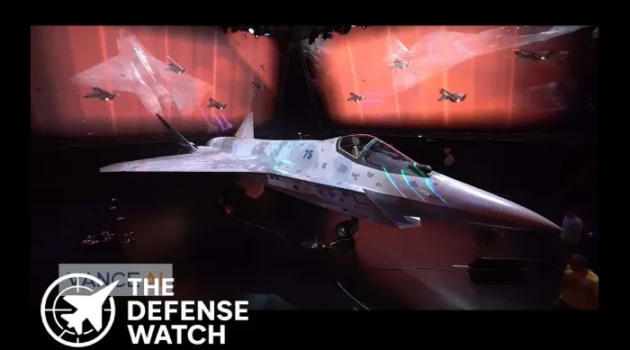
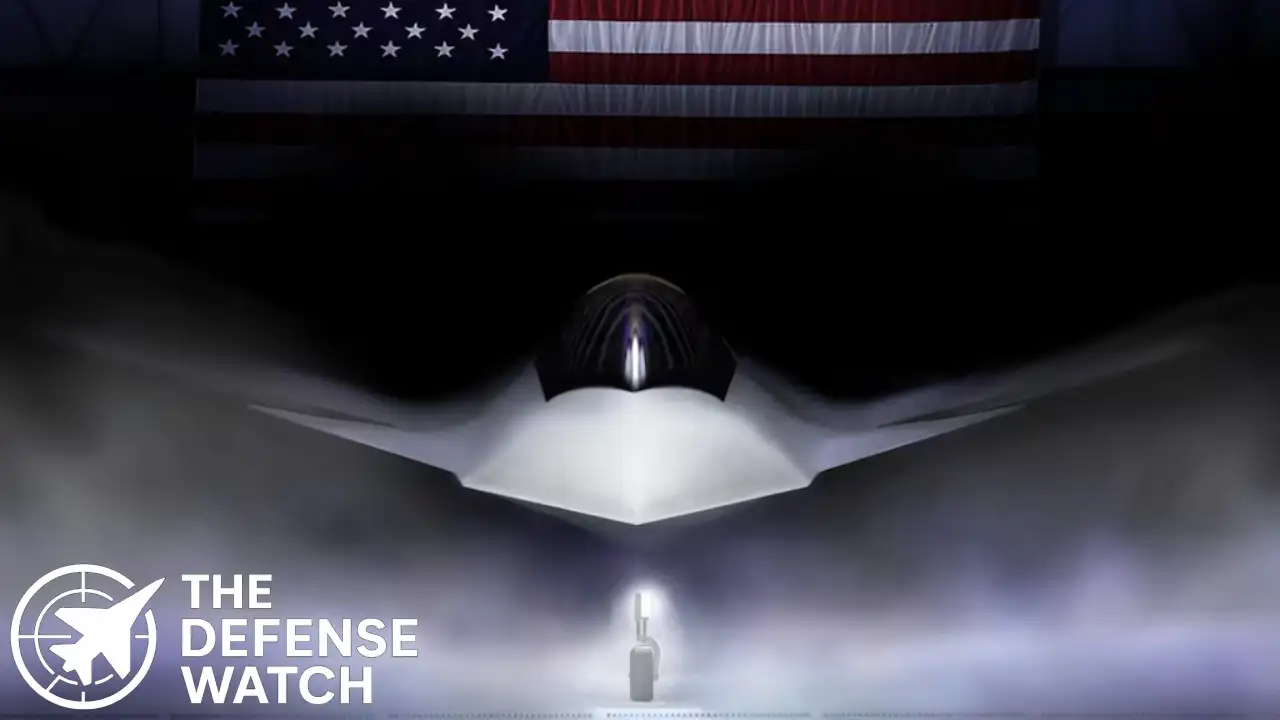
Russia’s Su-75 Checkmate fighter program has entered a new phase after officials confirmed that construction of the aircraft’s first prototype is now underway.
The announcement came from United Aircraft Corporation (UAC) Chief Executive Officer Vadim Badekha, who stated that work on the Su-75 had progressed to the prototype assembly stage. The disclosure was reported by Russian state news agency TASS and subsequently confirmed by multiple defense media outlets.
The development represents the first tangible evidence that the Checkmate program is moving beyond concept demonstrations and static displays that have defined much of its public history since its debut at the 2021 MAKS Air Show.
According to UAC, the aircraft is being developed for both domestic military requirements and potential international customers. The company continues to emphasize the fighter’s single-engine configuration as a key factor in reducing acquisition and operating costs compared with larger twin-engine platforms.
What Is the Su-75 Checkmate?
The Su-75 Checkmate is a proposed fifth-generation light tactical fighter developed by Sukhoi under Russia’s broader military aviation modernization effort.
-
(adsbygoogle = window.adsbygoogle || []).push({});
Unlike the twin-engine Su-57, the Checkmate adopts a single-engine layout intended to provide a lower-cost stealth aircraft while retaining many features associated with modern fifth-generation fighters. The aircraft is expected to perform both air-to-air and air-to-ground missions.
Russian officials have positioned the aircraft as a potential replacement for aging fourth-generation fighters while also serving as a more affordable alternative for export markets that may be unable to acquire higher-priced Western stealth aircraft.
Reported Su-75 Specifications
Category Reported Specification* Type Single-engine fifth-generation fighter Length Approximately 17.7 meters Wingspan Approximately 11.8 meters Maximum Speed Mach 1.8 to Mach 2.0 Maximum Payload Up to 7,400 kg Ferry Range Approximately 3,000 km Weapons Internal and external carriage options Configuration Single-seat multirole fighter *Performance figures remain preliminary until flight testing is completed.
Redesigned Airframe Reflects Program Evolution
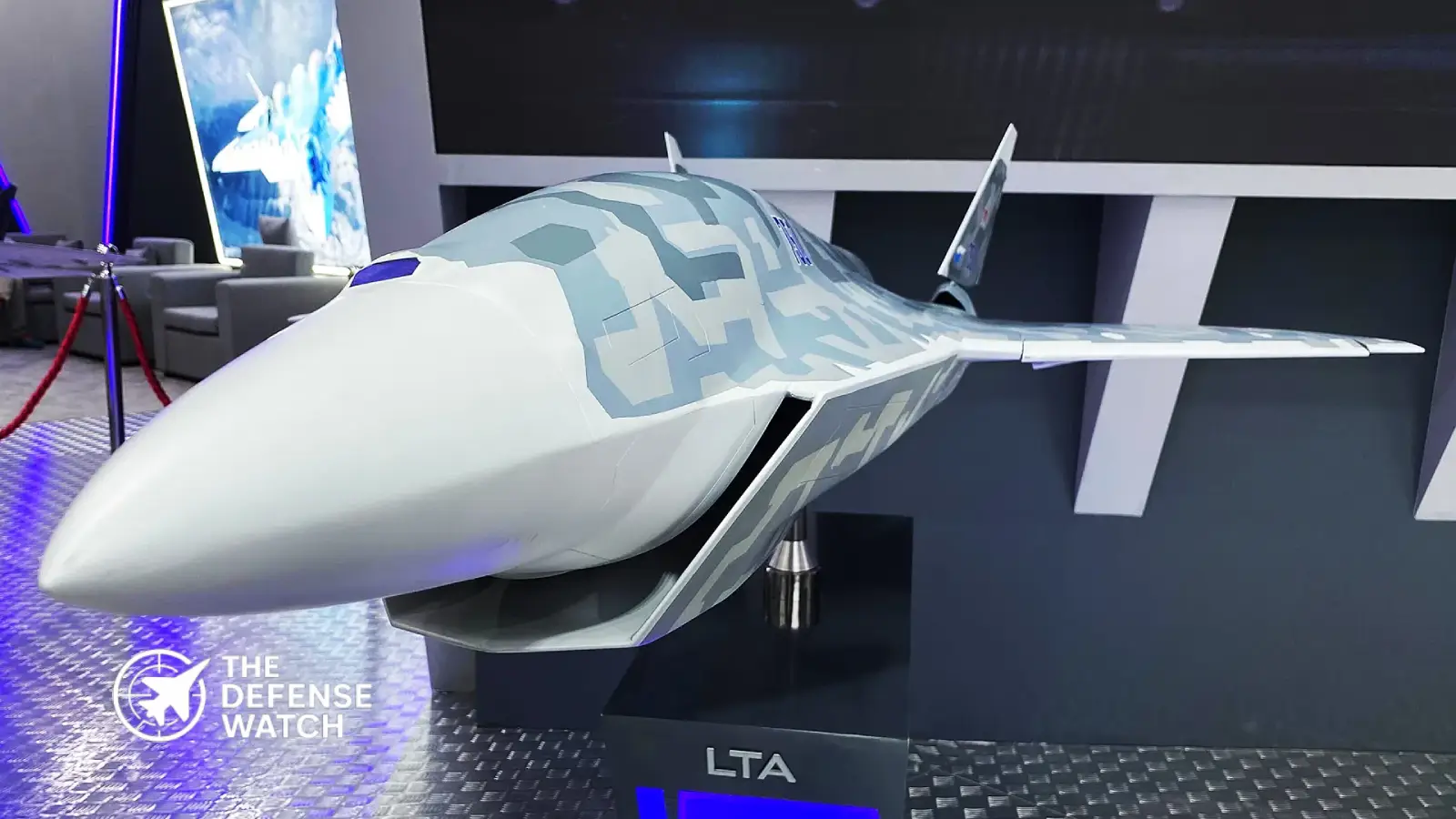
Recent versions of the aircraft displayed by Russian industry have shown noticeable design changes compared with the original 2021 mockup.
Defense analysts have observed modifications to the rear fuselage, wing root geometry, and aerodynamic surfaces. These changes suggest ongoing efforts to refine the aircraft’s low-observable characteristics, aerodynamic performance, and manufacturability before the start of formal flight testing.
The latest prototype reportedly incorporates lessons learned from years of design refinement as well as advances derived from Russia’s broader fifth-generation aviation programs.
(adsbygoogle = window.adsbygoogle || []).push({});Why the Prototype Milestone Matters
The start of prototype construction is significant because the Su-75 has experienced repeated schedule adjustments since its unveiling.
Initial plans envisioned a first flight several years earlier, but funding pressures, industrial challenges, sanctions-related constraints, and shifting production priorities delayed progress. Russian aerospace manufacturers have simultaneously been tasked with increasing production of existing combat aircraft, including the Su-34, Su-35S, and Su-57.
For defense planners, moving from a display model to a flyable prototype represents a critical transition. It allows engineers to begin validating aerodynamic performance, flight control systems, propulsion integration, and stealth-related design features under real operating conditions.
Without prototype testing, projected performance figures remain theoretical.
Strategic Implications for Russia’s Airpower Modernization
The Su-75 occupies an important niche within Russia’s long-term fighter force structure.
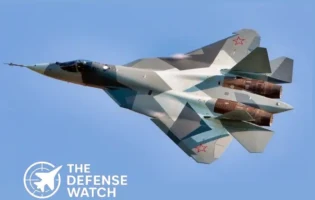
The Russian Aerospace Forces currently rely heavily on twin-engine fighters such as the Su-30SM, Su-35S, and Su-57. While these aircraft provide significant combat capability, they are generally more expensive to acquire and operate than single-engine alternatives.
A successful Checkmate program could provide Moscow with a lighter and potentially more affordable platform for missions that do not require the full capabilities of heavier aircraft.
From an export perspective, the aircraft is equally important.
Historically, Soviet and Russian manufacturers achieved substantial export success with relatively affordable combat aircraft. The Checkmate is intended to reestablish Russia’s presence in the market segment increasingly dominated by advanced Western and Chinese designs.
Technical and Industrial Challenges Remain
Despite the prototype milestone, significant hurdles remain before the aircraft can enter operational service.
The program must still complete ground testing, systems integration, engine validation, flight trials, weapons certification, and low-rate production preparations. These phases traditionally require several years even under favorable industrial conditions.
Questions also remain regarding production timelines, procurement volumes, and export commitments. Publicly available information indicates that no large-scale domestic or foreign orders have yet been confirmed.
-
(adsbygoogle = window.adsbygoogle || []).push({});
In addition, modern fifth-generation fighter development requires advanced avionics, sensors, software integration, and manufacturing capabilities that are among the most demanding challenges in aerospace engineering.
The prototype phase will therefore serve as the first meaningful indicator of whether the Checkmate can transition from a long-promised concept into an operational combat aircraft.
Outlook
The beginning of prototype construction marks the most concrete progress achieved by the Su-75 Checkmate program since its public unveiling nearly five years ago.
While major testing and certification milestones remain ahead, the move demonstrates that Russia continues to invest in a lighter fifth-generation fighter intended to complement the Su-57 and compete in the international combat aircraft market.
Whether the Checkmate ultimately achieves operational service and export success will depend on its performance during upcoming testing campaigns, industrial production capacity, and future customer demand.
-
(adsbygoogle = window.adsbygoogle || []).push({});