Executive Summary:
The U.S. Federal Aviation Administration (FAA) is accelerating efforts to bring electric air taxis, supersonic passenger aircraft, expanded drone operations, and commercial space activities into mainstream aviation. Announced during the Farnborough International Airshow, the initiative reflects a broader U.S. strategy to modernize aviation regulations while maintaining safety and supporting emerging aerospace technologies.
FAA Accelerates Next Generation Aviation Programs
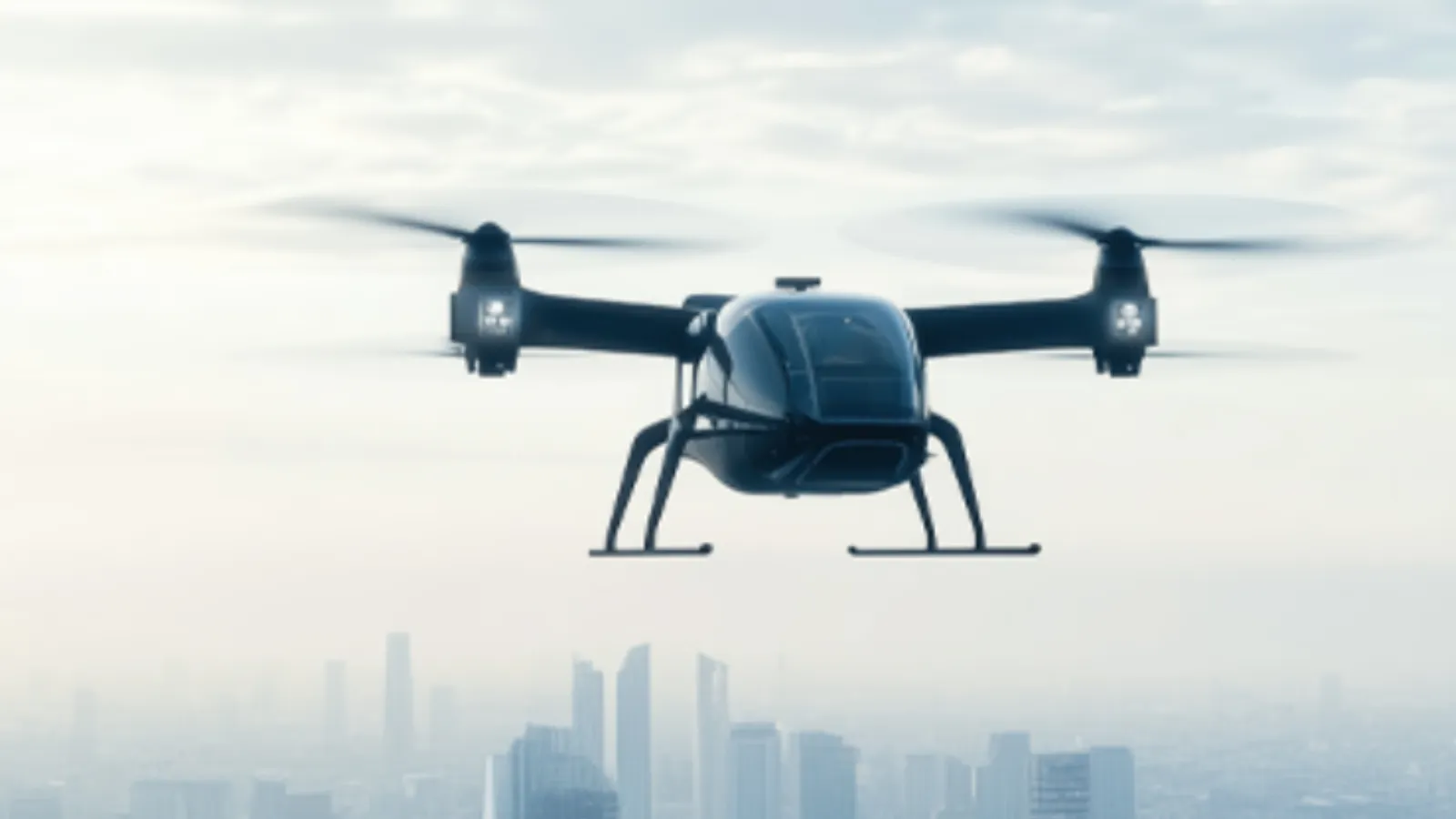
The FAA air taxis program entered a new phase this week as the agency confirmed it is working to speed certification and regulatory processes for electric vertical takeoff and landing (eVTOL) aircraft, supersonic aircraft, commercial drone operations, and space launches. FAA Deputy Administrator Chris Rocheleau outlined the agency’s approach during an interview with Reuters at the Farnborough International Airshow.
According to Rocheleau, the FAA aims to develop performance-based regulations that preserve aviation safety without unnecessarily restricting technological innovation. Rather than prescribing detailed engineering solutions, regulators intend to establish standards that allow manufacturers flexibility in meeting certification requirements.
eVTOL Pilot Program Expands Across 26 States
The FAA’s Advanced Air Mobility pilot initiative now includes eight industry partners operating projects across 26 U.S. states. Data collected through these demonstrations will support future aircraft certification and integration into the National Airspace System.
The pilot program focuses on safely introducing eVTOL aircraft into real-world operations while evaluating:
| Program Area | Purpose |
|---|---|
| Flight testing | Validate aircraft performance |
| Air traffic integration | Coordinate with existing aviation operations |
| Safety data collection | Support FAA certification decisions |
| Operational procedures | Develop standards for commercial deployment |
Industry participants view the initiative as a key step toward commercial urban air mobility, initially targeting limited metropolitan routes before expanding into broader regional operations.
FAA Continues Regulatory Push For Supersonic Flight
Alongside Advanced Air Mobility, the FAA is also moving forward with reforms designed to enable the return of commercial supersonic flight over the United States.
The agency issued the first of two planned rulemakings in June 2026 that would replace decades-old restrictions on overland supersonic operations with modern noise-based certification standards. A second rule addressing takeoff and landing noise requirements is expected later this year, with both regulations targeted for completion by mid-2027.
If finalized, the updated framework would allow manufacturers developing low-boom supersonic aircraft to pursue certification under performance standards that reflect advances in aerodynamics, propulsion, and acoustic mitigation technologies rather than relying on blanket speed restrictions.
Why The Regulatory Changes Matter
While much attention focuses on commercial transportation, the FAA’s modernization effort has broader implications across the U.S. aerospace sector.
Many technologies being developed for civilian applications also contribute to national aerospace capability, including:
- Advanced electric propulsion
- Autonomous flight systems
- Digital flight controls
- High-performance composite structures
- Airspace management technologies
Improving certification pathways can shorten development cycles for these technologies while strengthening the U.S. aerospace industrial base. Many innovations developed for commercial aviation ultimately influence military aircraft, autonomous logistics platforms, and future defense mobility concepts.
The FAA’s emphasis on performance-based regulation also reflects lessons learned during drone integration, where rapidly evolving technology often outpaced legacy certification frameworks. By allowing innovation while maintaining rigorous safety oversight, regulators hope to reduce unnecessary delays without lowering certification standards.
Defense And Industrial Implications
Although the FAA’s announcement primarily concerns civil aviation, several emerging technologies have direct relevance to defense modernization.
Electric propulsion, autonomous flight software, advanced sensors, and digital airspace management are increasingly important for military logistics, unmanned aircraft systems, and distributed aviation operations. Companies developing commercial eVTOL aircraft are also pursuing defense applications ranging from personnel transport to medical evacuation and logistics support.
Similarly, renewed investment in supersonic aircraft research supports broader U.S. expertise in high-speed aerodynamics, propulsion integration, and advanced manufacturing, capabilities that remain strategically valuable across both commercial and defense aerospace sectors.
For U.S. industry, regulatory certainty also reduces investment risk. Aircraft manufacturers can better align engineering programs with certification milestones, helping accelerate technology maturation while maintaining compliance with federal safety requirements.
Outlook
The FAA’s latest actions indicate that U.S. regulators are moving beyond conceptual discussions toward practical certification frameworks for next generation aviation.
Commercial deployment of air taxis, expanded drone operations, and future supersonic passenger aircraft will still depend on manufacturers completing certification, operational testing, infrastructure development, and international regulatory coordination. However, the agency’s regulatory roadmap provides greater clarity for industry planning and investment.
If successfully implemented, these reforms could significantly reshape the U.S. aviation landscape over the coming decade while reinforcing American leadership in advanced aerospace technologies.