

Executive Summary:
Russia confirmed the operational use of its Oreshnik intermediate range ballistic missile during a large scale strike on Ukraine on May 24, 2026. The attack involved hundreds of drones and dozens of missiles, highlighting Moscow’s continued emphasis on long range precision strike and hypersonic capabilities as the war intensifies.
Russia Confirms Oreshnik Missile Use In Ukraine Strike
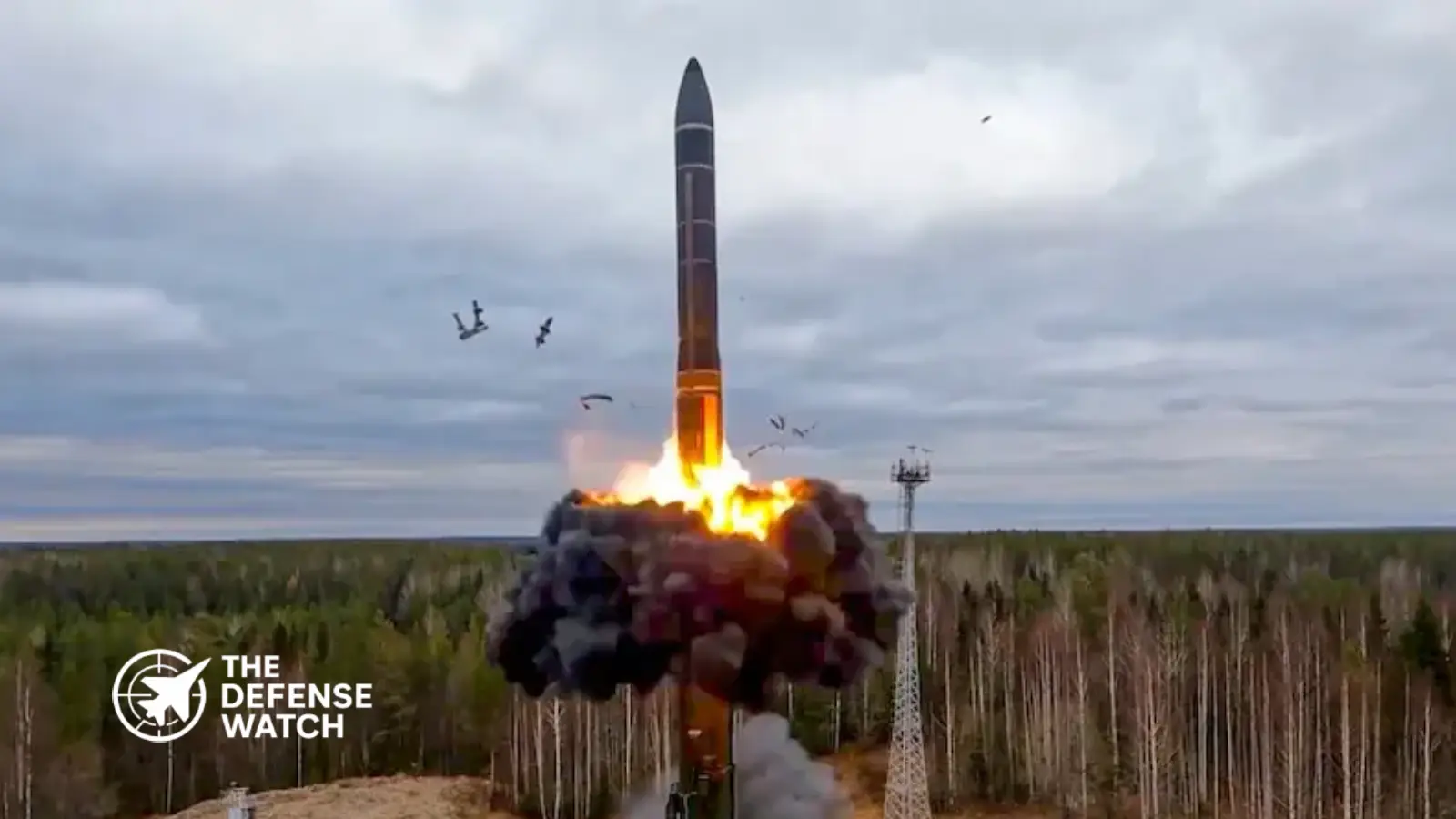
Russia confirmed the use of the Oreshnik missile during a massive overnight missile and drone attack on Ukraine, marking another operational deployment of one of Moscow’s newest strategic strike systems. According to Ukrainian and Russian official statements, the strike package included ballistic, cruise, and hypersonic missiles alongside hundreds of drones.
Ukraine’s Air Force reported that Russia launched approximately 690 aerial weapons, including 90 missiles and around 600 drones and loitering munitions during the assault. Ukrainian officials said the attack targeted multiple regions, including Kyiv and the surrounding Kyiv Oblast.
Russian authorities later confirmed that an Oreshnik intermediate range ballistic missile was among the weapons used. Moscow claimed the strikes targeted military command infrastructure, air bases, and facilities connected to Ukraine’s defense industry.
What Is The Oreshnik Missile?
The Oreshnik missile has emerged as one of Russia’s most closely watched strategic weapons programs since its first confirmed combat use in late 2024. Russian officials describe it as a hypersonic capable intermediate range ballistic missile designed to penetrate advanced air defense systems through high speed and maneuverability.
Western and Ukrainian assessments indicate the missile may be derived from the RS-26 ballistic missile program. Russian President Vladimir Putin has previously claimed the system can travel at speeds exceeding Mach 10 and carry either conventional or nuclear payloads.
The latest strike reportedly involved a launch from Russia’s Kapustin Yar test range in Astrakhan Oblast, with Ukrainian authorities stating the missile impacted near Bila Tserkva, south of Kyiv.
While Moscow portrays the Oreshnik as effectively unstoppable against current missile defenses, independent verification of its full operational performance remains limited. Defense analysts continue to assess whether the weapon represents a transformational capability or an evolution of existing Russian ballistic missile technology.
Massive Combined Air Assault Signals Strategic Pressure Campaign
The latest Russian attack demonstrated the growing scale and complexity of Moscow’s long range strike operations. In addition to the Oreshnik missile, Russian forces reportedly used Iskander ballistic missiles, Kinzhal hypersonic missiles, Zircon cruise missiles, and large numbers of drones.
Ukraine said several missiles and drones penetrated air defenses, causing damage across multiple locations. Ukrainian officials reported casualties and infrastructure damage in Kyiv and other regions.
The strike came amid stalled diplomatic efforts and continued battlefield pressure across eastern and southern Ukraine. Analysts view the attack as part of Russia’s broader strategy to exhaust Ukrainian air defenses, disrupt military logistics, and pressure Kyiv politically ahead of any future negotiations.
The operational use of the Oreshnik missile also carries strategic messaging value. By publicly acknowledging the system’s deployment, Moscow appears intent on demonstrating that it retains advanced strike options capable of reaching targets across Ukraine and potentially beyond.
Implications For NATO And European Air Defense
The renewed use of the Oreshnik missile is likely to intensify discussions within NATO regarding missile defense readiness and long range strike deterrence. Several Western defense officials have warned that Russia’s expanding use of hypersonic and intermediate range systems presents growing challenges for existing European air defense networks.
The missile’s reported speed and trajectory profile could complicate interception timelines for systems such as Patriot and SAMP/T batteries. However, defense experts caution that many Russian claims regarding hypersonic invulnerability remain difficult to independently verify under combat conditions.
For Ukraine, the attack reinforces the continuing demand for additional air defense interceptors, radar coverage, and layered missile defense architecture. Ukrainian officials have repeatedly called for expanded Western support as Russia increases the frequency and scale of combined missile and drone operations.
Strategic Analysis
The confirmed operational use of the Oreshnik missile highlights an important trend in the Russia-Ukraine war, the increasing normalization of advanced strategic weapons in conventional regional conflict.
From a military standpoint, Russia appears to be integrating strategic signaling with battlefield operations. The inclusion of the Oreshnik missile in a mass strike package suggests Moscow is using high profile weapons not only for kinetic impact, but also for psychological and geopolitical messaging.
At the same time, the attack illustrates the evolving nature of modern air warfare. Russia continues combining ballistic missiles, hypersonic systems, cruise missiles, and low cost drones in layered attack waves designed to strain defensive systems through saturation and complexity.
Whether the Oreshnik missile materially changes battlefield dynamics remains uncertain. However, its continued deployment signals that Russia intends to maintain pressure on Ukraine while showcasing capabilities aimed at deterring Western escalation.
