Executive Summary:
India is acquiring nine retired Jaguar fighter aircraft from the United Kingdom to support its existing Jaguar fleet with spare parts and reusable components. The move comes as the Indian Air Force seeks to maintain operational readiness while managing an aging fleet and a fighter squadron shortfall.
India Acquires Retired UK Jaguars To Support Fleet Sustainment
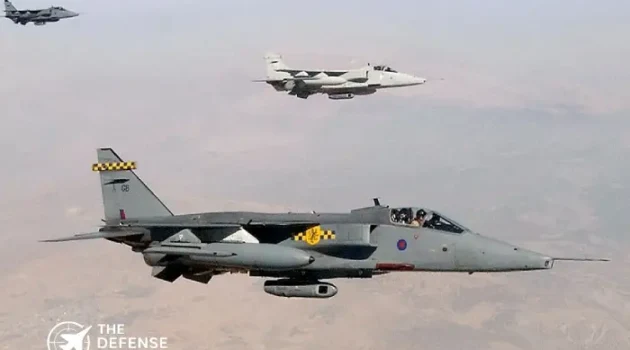
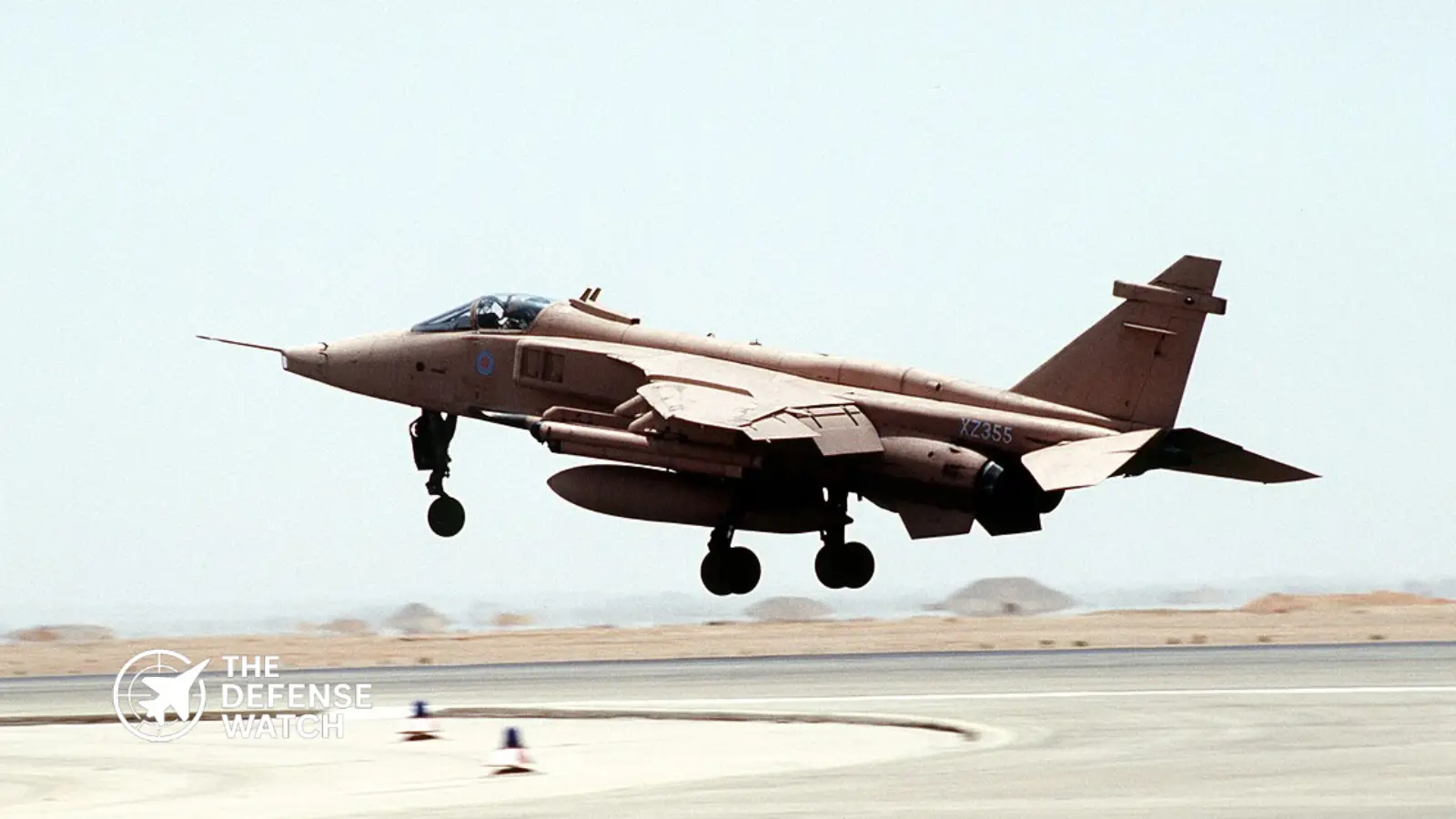
India Jaguar fighter jets are set to receive a critical sustainment boost after the Indian Air Force (IAF) decided to acquire nine retired Jaguar aircraft from the United Kingdom for spare parts and component recovery. The aircraft will not return to service but will instead be dismantled to provide engines, avionics, landing gear, hydraulic systems, and other components needed to support operational aircraft.
The acquisition reflects the growing challenge of maintaining legacy combat aircraft after the Jaguar platform was retired by other operators around the world. Today, India remains the only active military operator of the Anglo-French strike aircraft.
Supporting Six Operational Jaguar Squadrons
The Indian Air Force currently operates six Jaguar squadrons, which continue to perform deep penetration strike and ground attack missions. However, sustaining the fleet has become increasingly difficult as global supplies of spare parts have diminished following the aircraft’s retirement from service in the United Kingdom, France, and Oman.
According to recent reports, the retired British aircraft will be used as a source of reusable assemblies and spare components to help keep the fleet mission capable. The move is intended to preserve operational availability while India continues broader modernization programs across its combat aviation force.
The purchase also follows previous efforts by India to obtain retired Jaguars from other former operators. India sourced retired airframes from France in earlier years and acquired additional retired Jaguars from Oman to support maintenance requirements and extend fleet serviceability.
Squadron Shortfall Driving Sustainment Efforts
The decision comes as the Indian Air Force continues to face a significant fighter aircraft shortage. The service currently operates around 29 fighter squadrons compared with an authorized strength of 42 squadrons, a gap that has become a growing concern for defense planners.
While India is pursuing new fighter acquisitions and domestic aircraft programs, legacy platforms such as the Jaguar continue to play an important role in maintaining force structure and operational capacity.
The retirement of older aircraft, including the MiG-21, has increased pressure on the IAF to maximize the availability of remaining combat fleets until replacement aircraft enter service in larger numbers.
Jaguar Remains A Valuable Strike Platform
The SEPECAT Jaguar entered service in the 1970s as a low-level strike aircraft jointly developed by the United Kingdom and France. India began inducting the aircraft in the late 1970s and early 1980s, eventually becoming the world’s largest operator of the type.
Despite its age, the aircraft remains a capable strike platform following a series of upgrades that improved navigation systems, avionics, mission computers, sensors, and weapons integration. The DARIN modernization programs have helped extend the aircraft’s operational relevance within the Indian Air Force.
However, maintaining the fleet has become increasingly complex. Recent reports have highlighted shortages of critical components, including parts for ejection seat systems, underscoring the challenges associated with operating an aircraft that is no longer supported by active production lines.
Strategic Significance Beyond Spare Parts
While the acquisition involves retired aircraft rather than new combat platforms, it highlights an important aspect of military aviation sustainment. Air forces operating legacy fleets often rely on retired airframes as a source of components once original manufacturers cease production.
For India, the purchase provides a practical and relatively cost-effective method of sustaining an aircraft that continues to contribute to national strike capabilities. The move also allows the IAF to preserve combat capacity while newer aircraft programs advance.
India is simultaneously pursuing modernization initiatives that include additional Rafale fighters and expanded induction of indigenous Tejas aircraft. However, these programs require time to deliver operational aircraft in sufficient numbers, making fleet sustainment measures increasingly important in the interim.
Outlook
The acquisition of nine retired Jaguar aircraft from the United Kingdom demonstrates India’s continued commitment to maintaining operational readiness across its combat aviation fleet. By securing additional spare parts and reusable components, the Indian Air Force aims to sustain its six Jaguar squadrons as it navigates ongoing modernization efforts and persistent fighter squadron shortages.
Although the Jaguar is one of the oldest aircraft in Indian service, it remains a relevant part of the country’s strike capability. The latest acquisition highlights how sustainment and modernization must often proceed in parallel as air forces balance current operational demands with future force development.