atOptions = { ‘key’ : ‘3d48d603f906e3fe9f205be3c4433835’, ‘format’ : ‘iframe’, ‘height’ : 250, ‘width’ : 300, ‘params’ : {} };Executive Summary:
The U.S. Defense Innovation Unit has launched a new effort to develop an affordable successor to the MQ-9A Reaper through its Massed Modular Aircraft program. The initiative reflects growing Pentagon concerns that expensive, high value drones are increasingly vulnerable in contested airspace and must be replaced by systems that can be produced rapidly and in large numbers.
Pentagon Opens Competition For A Low Cost MQ-9A Successor
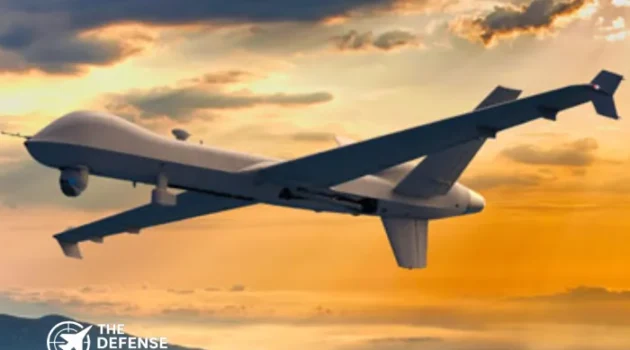
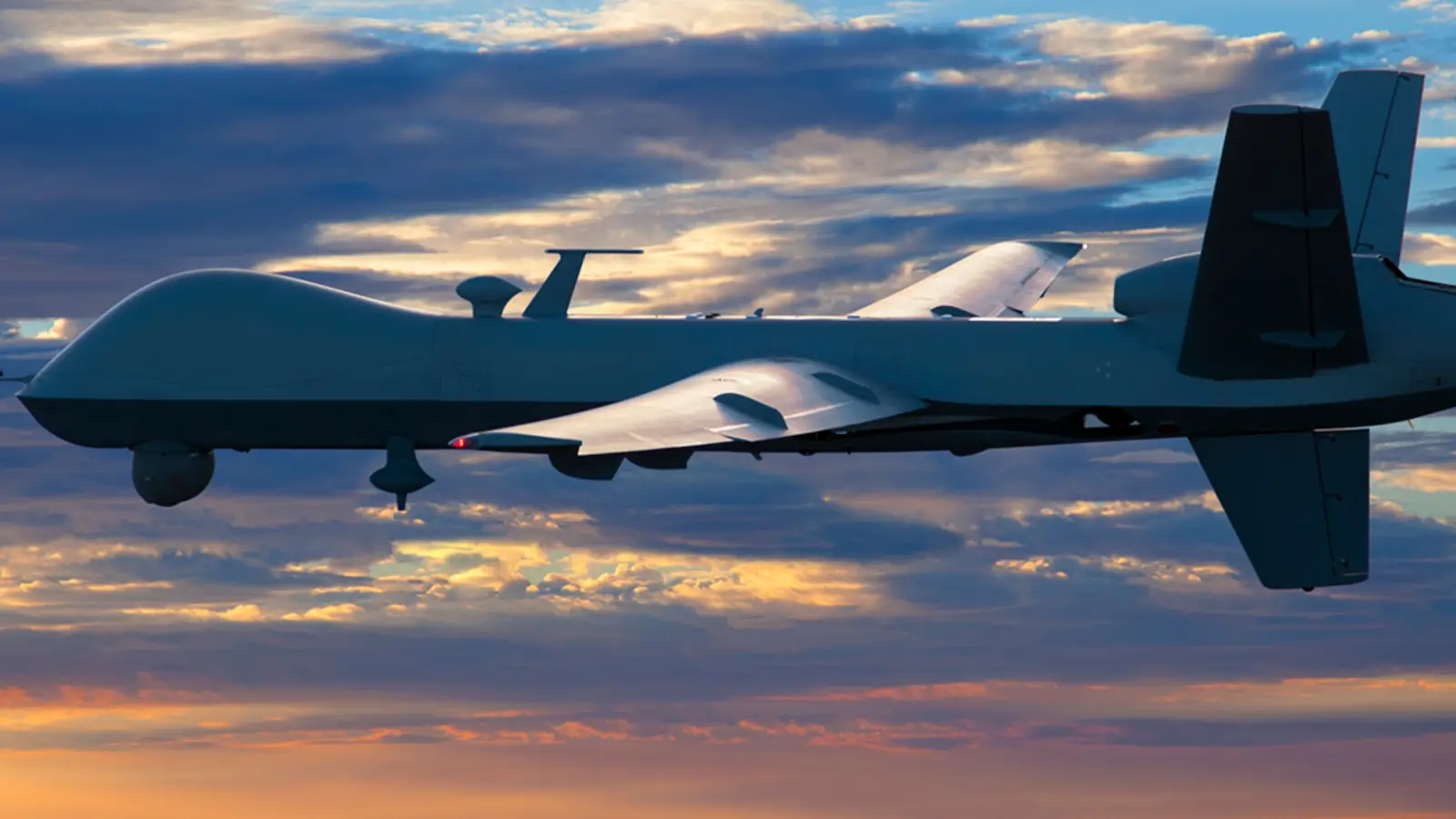
The Pentagon has formally begun searching for a low cost successor to the MQ-9A Reaper, signaling a significant shift in how the U.S. military intends to conduct long range intelligence, surveillance, strike, and electronic warfare missions in future conflicts. The new effort, led by the Defense Innovation Unit (DIU), seeks an aircraft that can perform many of the Reaper’s missions while costing substantially less and being available in far greater numbers.
Rather than pursuing another highly sophisticated, expensive unmanned aircraft, DIU is requesting proposals for what it calls the Massed Modular Aircraft (MMA), a platform specifically designed for affordability, modularity, and rapid production. According to the solicitation, today’s reliance on low density, high value aircraft has become increasingly unsustainable against modern integrated air defense systems.
Why The Pentagon Wants A New Reaper
The MQ-9A Reaper has served as the U.S. military’s premier medium altitude long endurance unmanned aircraft for more than two decades, supporting operations across Afghanistan, Iraq, Syria, Africa, and the Middle East.
However, recent combat experience has reinforced concerns about its survivability in contested environments protected by modern surface to air missiles and electronic warfare systems. Pentagon officials increasingly believe that future conflicts against peer competitors will require large numbers of affordable aircraft rather than a limited fleet of costly platforms.
DIU’s solicitation specifically argues that future unmanned aircraft must be designed with the expectation that some will be lost during combat while remaining inexpensive enough to replace quickly.
Key Requirements For The Massed Modular Aircraft
The solicitation outlines demanding operational requirements despite the emphasis on affordability.
Requirement Target Capability Payload At least 2,800 pounds Combat Radius Minimum 2,300 nautical miles One Way Transfer Range At least 8,000 nautical miles Cruise Speed Over 200 mph Power Available 25 kW Cooling Capacity 5 kW Operations Conventional runways and austere airfields Autonomy One operator controlling multiple aircraft The aircraft must also feature an open, modular architecture capable of rapidly integrating different payloads for intelligence gathering, strike missions, electronic warfare, communications relay, and other evolving mission sets.
Rapid Timeline Targets Operational Capability By 2031
DIU is pursuing an aggressive acquisition schedule.
According to the solicitation, contractors are expected to demonstrate full scale prototype flight testing within 21 months after contract award. The Pentagon is targeting an Initial Operational Capability during Fiscal Year 2031 consisting of approximately 20 mission ready aircraft delivered to an operational unit.
That schedule reflects growing urgency across the Department of Defense to field new autonomous systems before potential future conflicts require significantly greater operational mass.
Strategic Analysis: A Shift From Exquisite Platforms To Combat Mass
The Massed Modular Aircraft initiative represents more than a replacement for the MQ-9A. It illustrates a broader transformation underway across the U.S. military.
(adsbygoogle = window.adsbygoogle || []).push({});For decades, American airpower emphasized technologically superior platforms that delivered exceptional capability but required enormous investment. While these aircraft remain highly effective, they are increasingly challenged by adversaries deploying layered air defenses, inexpensive interceptors, electronic warfare, and large numbers of drones.
The Pentagon is now moving toward a force structure built around combat mass, where affordability becomes a military advantage rather than simply a budget objective.
This philosophy is also visible in other modernization efforts, including the Air Force’s Collaborative Combat Aircraft program, autonomous loyal wingmen, and numerous low cost strike drone initiatives. Together, these programs seek to distribute combat capability across many aircraft instead of concentrating it within a few expensive platforms.
Modularity is another important aspect of the MMA concept. Rather than permanently installing costly sensors and mission equipment, operators could configure aircraft for specific missions, reducing procurement costs while allowing faster technology upgrades as threats evolve.
Operational Implications For Future Warfare
If successfully developed, the Massed Modular Aircraft could reshape how U.S. forces conduct long endurance operations.
Instead of relying on a relatively small fleet of expensive Reapers, commanders could deploy significantly larger numbers of modular aircraft capable of:
- Intelligence, surveillance, and reconnaissance
- Precision strike missions
- Electronic warfare
- Communications relay
- Distributed sensing
- Theater level persistence
Operating larger fleets also complicates enemy targeting decisions. Even if some aircraft are destroyed, remaining platforms could continue executing missions while imposing substantial costs on opposing air defense networks.
The concept reflects lessons emerging from recent conflicts, where relatively inexpensive air defense weapons have increasingly threatened larger, slower unmanned aircraft.
Outlook
The Pentagon’s Massed Modular Aircraft initiative marks one of the clearest indications yet that future U.S. unmanned aviation will prioritize affordability, production scale, and adaptability alongside capability.
Although the MQ-9A Reaper remains an important operational asset, defense planners increasingly view future conflicts as requiring aircraft that can be fielded rapidly, upgraded easily, and replaced without imposing prohibitive costs. If the program remains on schedule, the first operational MMA aircraft could begin entering service early in the next decade, fundamentally changing how the United States approaches long range unmanned operations.