Executive Summary:
The U.S. military has deployed more than 900 personnel to Venezuela to support humanitarian relief operations following catastrophic earthquakes that struck the country last week. The mission highlights the U.S. military’s expeditionary logistics, intelligence, and disaster response capabilities while marking an unexpected phase of military cooperation between Washington and Caracas amid an ongoing humanitarian crisis.
US Military Expands Venezuela Earthquake Response
The U.S. military Venezuela earthquake response has expanded significantly, with more than 900 American personnel now operating inside Venezuela and nearly 800 additional personnel positioned at regional hubs in Puerto Rico and Curaçao to sustain relief operations.
U.S. Southern Command (SOUTHCOM) has mobilized search-and-rescue teams, aviation assets, naval support, logistics personnel, and intelligence capabilities to assist Venezuelan authorities after twin earthquakes measuring magnitudes 7.2 and 7.5 devastated parts of the country on June 24.
General Francis Donovan, commander of U.S. Southern Command, said American forces have focused on life-saving operations while helping restore critical infrastructure needed for humanitarian assistance.
Search, Rescue And Logistics Operations Continue
The deployment extends well beyond traditional humanitarian aid.
According to SOUTHCOM, U.S. forces have:
- Conducted urban search-and-rescue missions.
- Assisted in reopening damaged airport facilities.
- Coordinated airlift operations for international relief supplies.
- Mobilized naval assets supporting aid distribution.
- Established logistics networks to move humanitarian assistance into affected regions.
Donovan emphasized that logistics remain one of the most critical aspects of disaster response, warning that aid can quickly become ineffective if transportation networks are unable to move supplies from ports and airports into disaster zones.
The mission also includes support for international rescue teams arriving from multiple countries.
MQ-9 Reaper Drones Support Damage Assessment
One of the more notable aspects of the operation is the use of MQ-9 Reaper remotely piloted aircraft in a humanitarian role.
SOUTHCOM confirmed that at least four or five MQ-9 Reaper drones are flying over affected areas, providing aerial imagery and situational awareness rather than conducting military operations.
The drones, together with a military intelligence fusion cell in Miami, help Venezuelan authorities:
- Identify damaged buildings.
- Assess road accessibility.
- Monitor transportation routes for aid delivery.
- Improve situational awareness for rescue teams.
The operation illustrates how intelligence, surveillance, and reconnaissance platforms normally used for security missions can be rapidly adapted for disaster response.
Rather than collecting battlefield intelligence, the aircraft are supporting emergency management by delivering near real-time imagery to rescue coordinators.
Humanitarian Mission Highlights Military Mobility
While humanitarian assistance often receives less attention than combat operations, missions like the Venezuela deployment demonstrate one of the U.S. military’s core strategic strengths: rapid global mobility.
The ability to deploy hundreds of personnel, establish logistics hubs, reopen damaged infrastructure, and integrate intelligence assets within days reflects capabilities developed through decades of expeditionary operations.
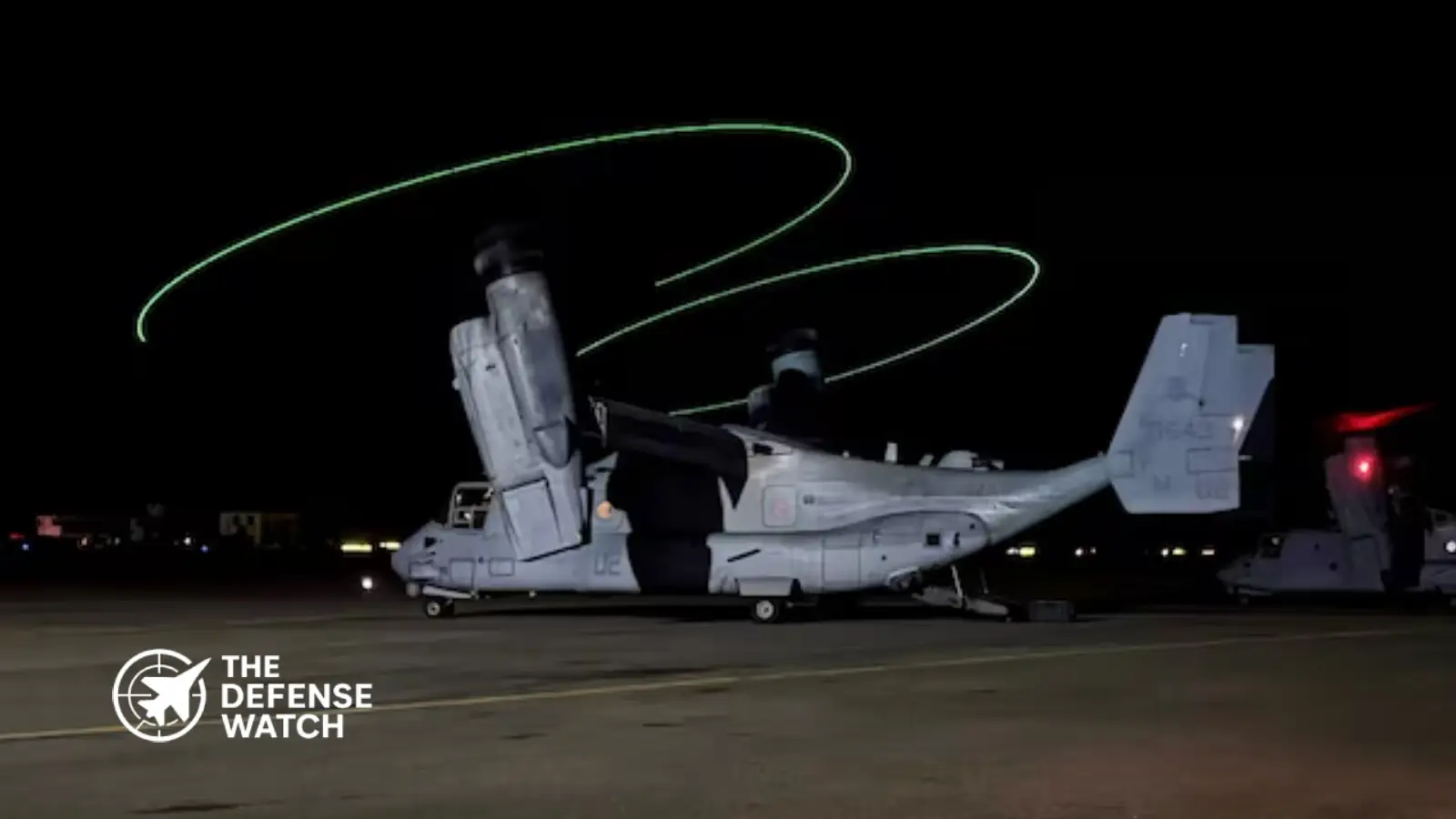
Military transport aircraft, naval platforms, engineering units, communications specialists, and medical support can rapidly create an operational framework that enables civilian relief organizations to function more effectively.
This type of operation also underscores the dual-use value of military systems. Aircraft, drones, satellite communications, and command-and-control networks designed for wartime operations can become critical tools during large-scale natural disasters.
Cooperation Marks An Unusual Phase In US-Venezuela Relations
The deployment represents an unexpected development in U.S.-Venezuela military relations.
Only months ago, relations between Washington and Caracas were defined by significant political and security tensions. Reuters noted that the current humanitarian mission follows a dramatic shift in bilateral engagement, including recent coordination on separate security matters between U.S. and Venezuelan authorities.
Donovan described the relief mission as temporary while expressing hope that military-to-military cooperation developed during the humanitarian response could improve future communication.
Despite the changing operational environment, SOUTHCOM has stressed that the current deployment remains focused exclusively on humanitarian assistance and disaster relief.
Earthquake Damage Remains Severe
The earthquakes caused widespread destruction across northern Venezuela, collapsing residential buildings, damaging transportation infrastructure, and overwhelming emergency services.
According to Venezuelan authorities, rescue efforts continue as emergency responders search collapsed structures for survivors, although hopes of finding additional survivors diminish with each passing day.
International rescue teams from several countries continue operating alongside Venezuelan emergency personnel while humanitarian organizations work to deliver food, medical supplies, and emergency shelter to affected communities.
Operational Significance
The U.S. military Venezuela earthquake response demonstrates that modern armed forces increasingly serve as strategic humanitarian assets alongside their traditional defense missions.
SOUTHCOM’s deployment showcases the integration of air mobility, intelligence collection, logistics planning, engineering support, and expeditionary command structures in a real-world disaster environment. The operation also illustrates how ISR platforms such as the MQ-9 Reaper can be repurposed for civilian emergency response, expanding their value beyond conventional military missions.
As rescue operations continue, the mission stands as one of the largest recent U.S. military humanitarian deployments in Latin America, highlighting both the operational flexibility of U.S. forces and the growing role of military capabilities in international disaster response.