


The dispute highlights growing tensions over the future scale, affordability, and strategic direction of next generation U.S. missile defense programs.
Executive Summary:
The Pentagon has rejected a Congressional Budget Office estimate claiming the proposed Golden Dome missile defense initiative could cost up to $1.2 trillion over two decades. Defense officials argue the analysis mischaracterized the program’s intended architecture and operational scope, as debate grows over the future of U.S. homeland missile defense.
Pentagon Rejects Golden Dome Cost Projection
The proposed Golden Dome missile defense initiative has become the center of a growing debate in Washington after the Pentagon rejected a Congressional Budget Office (CBO) estimate projecting the program could cost as much as $1.2 trillion.
U.S. defense officials argued the CBO assessment fundamentally misunderstood the intended structure and mission of the evolving missile defense architecture.
The disagreement reflects broader questions surrounding the future of American homeland defense as the United States faces expanding ballistic, hypersonic, and cruise missile threats from near peer adversaries including China, Russia, and regional actors such as North Korea.
What Is The Golden Dome Missile Defense Concept?
The Golden Dome concept is envisioned as a layered, multi domain missile defense network designed to improve detection, tracking, and interception capabilities against advanced airborne threats.
Although official program details remain limited, the broader concept reportedly includes:
- Space based missile tracking systems
- Advanced ground and sea based interceptors
- Integrated radar networks
- AI enabled battle management systems
- Hypersonic missile tracking capabilities
- Expanded homeland defense coverage
The Pentagon reportedly maintains that the CBO estimate relied on assumptions involving a far larger and more expansive architecture than what defense planners are currently considering.
Defense officials argued the estimate effectively modeled a massive Cold War style nationwide shield rather than a more targeted and scalable layered defense network.
Why The Cost Debate Matters
The clash over the projected cost of the Golden Dome missile defense program comes at a critical moment for U.S. defense planning.
The Pentagon is simultaneously funding multiple high cost modernization priorities, including:
- Nuclear deterrence recapitalization
- Sixth generation combat aircraft
- Long range precision strike programs
- Space based military infrastructure
- Hypersonic weapons development
- Naval fleet expansion
Adding another trillion dollar scale initiative could significantly reshape future U.S. defense budgets.
The CBO estimate reportedly examined a 20 year implementation timeline and considered extensive deployment of space based interceptors and supporting systems. Pentagon officials countered that the analysis overstated both the scale and technical assumptions of the proposal.
This disagreement also underscores a longstanding divide in U.S. missile defense policy between advocates of expansive homeland protection systems and critics concerned about affordability, technical feasibility, and strategic stability.
Strategic Drivers Behind Expanded Missile Defense
The renewed focus on homeland missile defense is closely tied to the rapid modernization of Chinese and Russian strategic missile forces.
China has accelerated development of hypersonic glide vehicles, advanced ballistic missiles, and anti access systems designed to challenge American military advantages in the Indo Pacific.
Meanwhile, Russia continues to field advanced strategic systems including the Avangard hypersonic glide vehicle and next generation intercontinental missile platforms.
These developments have increased pressure on U.S. defense planners to improve tracking and interception capabilities against maneuvering and high speed threats that can evade traditional missile defense systems.
The Pentagon has repeatedly identified hypersonic defense as one of its most urgent modernization priorities.
Technical Challenges Remain Significant
Even supporters of expanded homeland missile defense acknowledge that building a highly effective national shield remains technically difficult and financially demanding.
Intercepting modern hypersonic and maneuverable missile threats requires:
- Persistent global tracking
- Extremely fast sensor fusion
- Space based surveillance layers
- Reliable interceptor performance
- Secure communications networks
- Advanced command and control integration
Many analysts argue that maintaining reliable interception capability against large scale missile salvos could require enormous numbers of interceptors and satellites, significantly increasing lifecycle costs.
The Pentagon appears eager to avoid public perception that the Golden Dome initiative represents an unlimited spending commitment similar to historical strategic defense proposals from earlier decades.
Broader Political Implications
The debate surrounding the Golden Dome missile defense proposal is likely to intensify as lawmakers examine future Pentagon spending priorities.
Supporters argue the United States must rapidly strengthen homeland defense capabilities as adversaries expand missile inventories and develop increasingly sophisticated delivery systems.
Critics, however, warn that extremely large scale missile defense investments may divert funding from other military priorities while offering uncertain effectiveness against advanced strategic threats.
The discussion also reflects growing bipartisan concern over the vulnerability of U.S. infrastructure and military bases to long range missile attacks.
As missile technology proliferates globally, homeland defense is increasingly becoming a central element of broader American national security planning.
Original Analysis
The Pentagon’s rejection of the CBO estimate suggests officials are attempting to preserve political support for missile defense modernization without triggering concerns over unsustainable long term costs.
Historically, large scale missile defense initiatives have faced skepticism in Congress when projected expenses begin approaching trillion dollar levels. By disputing the estimate early, defense leaders may be trying to frame Golden Dome as an incremental modernization effort rather than a massive strategic overhaul.
The controversy also highlights how rapidly evolving threats are forcing the United States to reconsider assumptions that homeland missile defense could remain limited in scope. Hypersonic weapons, maneuverable glide vehicles, and expanding missile inventories are changing the strategic equation.
At the same time, technological realities remain unforgiving. Building a layered defense capable of handling sophisticated missile attacks across multiple domains could require substantial investments in space assets, sensor networks, and interceptor production capacity for decades.
Whether Golden Dome evolves into a focused modernization initiative or a far larger national defense architecture may ultimately depend on future threat assessments, congressional funding decisions, and the pace of adversary missile development.


The United Kingdom is expanding its national security toolkit as concerns grow over hostile foreign influence, espionage, and covert proxy activity.
Executive Summary:
The UK government has unveiled new powers designed to ban organizations acting as proxies for hostile foreign states. The measures are intended to strengthen Britain’s national security framework amid rising concerns over espionage, political interference, and covert foreign influence operations.
UK Foreign State Proxies Targeted Under New Security Measures
The UK government has announced plans to introduce new powers allowing authorities to ban organizations identified as acting on behalf of hostile foreign states. The proposal, unveiled by Security Minister Dan Jarvis, forms part of a broader effort to counter espionage, covert influence campaigns, and politically motivated interference linked to foreign governments.
The legislation would provide the British government with expanded authority to proscribe groups that operate as foreign state proxies inside the United Kingdom.
The proposed measures come as Western governments continue increasing scrutiny of foreign-backed influence networks, cyber operations, and covert political activities tied to strategic competitors including Russia, China, and Iran.
Expanding Britain’s National Security Toolkit
The UK foreign state proxies initiative is expected to build upon the country’s existing national security framework, including the National Security Act introduced in recent years to address espionage and hostile state activity.
British officials argue that hostile governments increasingly rely on indirect actors, including front organizations, unofficial networks, and proxy groups, to conduct operations designed to influence democratic institutions, shape public discourse, or gather sensitive information while maintaining plausible deniability.
Under the proposed powers, authorities could formally designate organizations believed to be operating under the direction or influence of foreign governments deemed hostile to UK national interests.
Such designations could lead to asset freezes, operational restrictions, bans on public activities, and criminal penalties for individuals providing support to proscribed entities.
While full operational details have not yet been released, the proposal signals a notable expansion in Britain’s approach toward hybrid threats and gray-zone activities.
Growing Concern Over Hybrid Threats
The move reflects a broader shift among NATO members toward confronting non-traditional security threats that fall below the threshold of conventional military conflict.
In recent years, European intelligence and security agencies have warned of increasing foreign efforts targeting critical infrastructure, universities, political institutions, defense industries, and diaspora communities.
The UK has previously accused foreign actors of conducting cyber intrusions, disinformation campaigns, and covert influence operations aimed at undermining British national security interests.
Analysts note that proxy organizations can present complex legal and intelligence challenges because they often operate through indirect financial networks, nonprofit structures, or loosely affiliated activist groups rather than official government channels.
The proposed legislation appears designed to close that gap by giving the government more flexibility to target networks acting in coordination with hostile states even when direct state attribution may be difficult to establish publicly.
Strategic Implications For Allies
The UK foreign state proxies proposal also aligns with broader security trends across allied nations.
The NATO alliance and several Western governments have increasingly emphasized resilience against hybrid warfare, foreign interference, and covert influence operations as part of modern national defense strategies.
The United States, Canada, and multiple European countries have introduced or strengthened foreign influence transparency laws in recent years. Britain’s latest proposal could place it among the more aggressive Western approaches toward foreign proxy networks.
Security experts say governments are now treating information operations, cyber campaigns, economic coercion, and political influence activities as interconnected components of strategic competition.
That shift has blurred traditional boundaries between domestic security policy and national defense planning.
Legal And Political Debate Likely
Despite broad political support for stronger national security protections, the proposed measures may face scrutiny from legal experts and civil liberties organizations concerned about definitions, oversight, and evidentiary standards.
Critics of similar legislation in other countries have warned that governments must carefully balance national security requirements with protections for lawful political activity and freedom of association.
British officials have indicated that safeguards and legal review mechanisms will accompany the new powers, though additional details are expected as legislation advances through Parliament.
The UK government maintains that the measures are necessary to address evolving threats posed by hostile states using indirect networks to bypass traditional counterintelligence defenses.
Why The Move Matters
The announcement underscores how modern security competition increasingly extends beyond conventional military domains.
For the UK and its allies, confronting foreign state proxies has become part of a wider strategy focused on protecting democratic institutions, defense infrastructure, and national resilience against hybrid threats.
The proposed powers suggest Britain is preparing for a more persistent and legally complex security environment where influence operations, covert networks, and gray-zone tactics play a growing role alongside traditional geopolitical competition.

Belarus has intensified military readiness activities tied to tactical nuclear weapons, signaling deeper integration with Russia’s regional deterrence strategy.
Executive Summary:
Belarus announced new nuclear weapons readiness drills involving its armed forces, according to the country’s defense ministry. The exercises reflect growing military coordination between Minsk and Moscow as regional security tensions with NATO continue to intensify across Eastern Europe.
Belarus Nuclear Weapons Drills Highlight Expanding Regional Deterrence Posture
Belarus nuclear weapons drills entered a new phase on Monday after the Belarusian defense ministry confirmed that military units had conducted exercises linked to tactical nuclear weapons readiness.
The announcement comes amid continued geopolitical friction between Russia and NATO following prolonged instability across Eastern Europe and ongoing military competition near NATO’s eastern flank.
Belarus has increasingly aligned its defense posture with Moscow since Russia began deploying tactical nuclear weapons to Belarusian territory in 2023. The latest drills appear intended to reinforce operational coordination, command readiness, and strategic signaling to Western governments monitoring regional force movements.
According to the Belarusian defense ministry, the exercises involved military personnel responsible for handling systems associated with tactical nuclear operations. Specific details regarding force composition, weapons platforms, or deployment locations were not publicly disclosed.
Tactical Nuclear Integration Between Belarus And Russia Continues
The Belarus nuclear weapons drills underscore how Minsk has become more integrated into Russia’s broader nuclear deterrence architecture.
Russian President Vladimir Putin previously confirmed that Moscow had transferred tactical nuclear weapons to Belarus under a bilateral security arrangement. The move marked the first deployment of Russian nuclear weapons outside Russian territory since the collapse of the Soviet Union.
Belarusian President Alexander Lukashenko has repeatedly framed the deployments as necessary for national defense and deterrence against what Minsk describes as growing Western military pressure.
Military analysts view the continued exercises as part of a broader effort to normalize nuclear readiness operations within Belarusian force structures. While tactical nuclear weapons are generally designed for battlefield use rather than long range strategic deterrence, their deployment can significantly alter regional security calculations.
The drills also reinforce Belarus’ role as a forward operating area for Russian military planning in Eastern Europe.
NATO Monitoring Regional Military Activity Closely
NATO officials have consistently monitored Russian and Belarusian military exercises for signs of escalation or changes in nuclear posture.
Although Western governments have not indicated evidence of imminent nuclear use, defense planners continue to track tactical nuclear deployments because of their potential impact on crisis stability and rapid escalation scenarios.
The latest Belarus nuclear weapons drills are likely to increase concerns among neighboring NATO member states including Poland, Lithuania, and Latvia, all of which border either Belarus or Russia’s Kaliningrad enclave.
Since 2022, NATO has expanded force rotations, air policing missions, and forward troop deployments across Eastern Europe. Several alliance members have also accelerated investments in missile defense systems, long range fires, and rapid response capabilities.
The renewed exercises in Belarus may further reinforce arguments within NATO for maintaining elevated readiness levels along the alliance’s eastern frontier.
Tactical Nuclear Weapons Remain Central To Russian Military Doctrine
Russia continues to emphasize tactical nuclear capabilities within its military doctrine as part of its broader deterrence strategy.
Unlike strategic nuclear weapons, which are designed for large scale intercontinental warfare, tactical nuclear weapons are intended for battlefield or theater level operations. These systems can include short range ballistic missiles, aircraft delivered munitions, and artillery based nuclear payloads.
Defense experts note that ambiguity surrounding deployment patterns and operational thresholds can complicate crisis management during periods of heightened confrontation.
Belarus’ involvement in nuclear readiness drills also reflects Moscow’s effort to distribute operational complexity across allied territory while demonstrating military cohesion with partner states.
At the same time, the exercises serve a political purpose by signaling resilience against Western sanctions and diplomatic isolation.
Strategic Messaging And Regional Implications
The timing of the Belarus nuclear weapons drills is significant as military competition between Russia and NATO continues to evolve.
Belarus has steadily expanded joint military activities with Russia over the past several years, including integrated air defense operations, joint exercises, and logistical support arrangements.
The latest drills are unlikely to immediately alter the military balance in Europe. However, they contribute to a broader environment of strategic pressure, signaling, and deterrence competition that continues to shape regional defense planning.
For NATO, the exercises reinforce concerns about maintaining credible deterrence while avoiding unintended escalation. For Belarus and Russia, the drills project military coordination and strategic continuity despite sustained international pressure.
The long term effect may be a further normalization of nuclear related military activity near NATO territory, increasing the importance of intelligence monitoring, crisis communication channels, and regional force readiness.
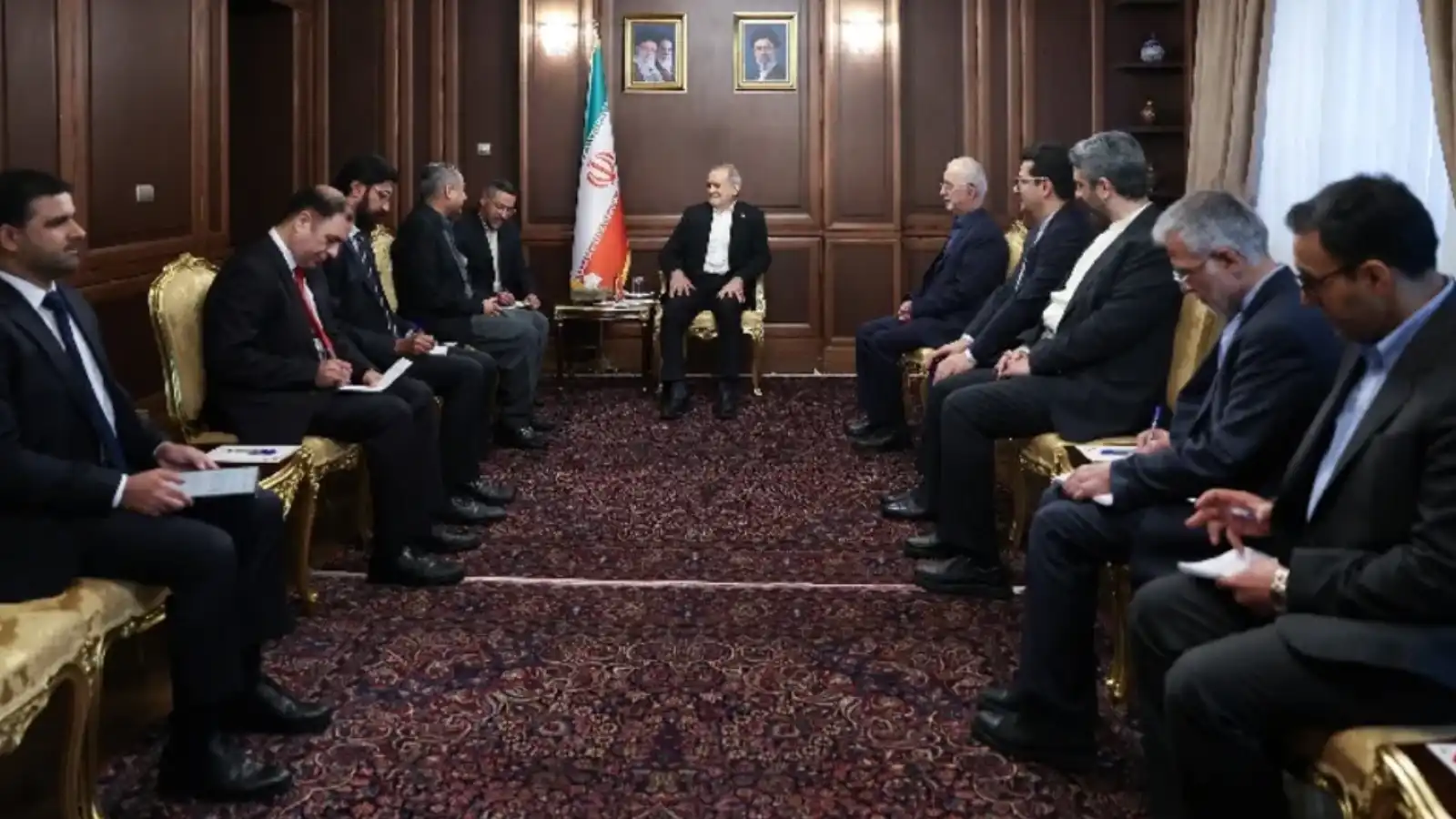
Pakistan has intensified its diplomatic mediation between Tehran and Washington as fears grow that the current Middle East conflict could widen further.
Executive Summary:
Pakistan has delivered a revised Iranian peace proposal to the United States in an effort to restart stalled negotiations linked to the ongoing Middle East conflict. The diplomatic effort highlights Islamabad’s growing role as a key intermediary between Tehran and Washington amid rising regional tensions and disputes over Iran’s nuclear program.
Pakistan Revives Iran US Mediation Effort Amid Regional Tensions
Pakistan shared a revised Iranian proposal with the United States on Sunday night as efforts to restart negotiations between Tehran and Washington remain deadlocked over ceasefire conditions and nuclear demands.
According to a Pakistani source cited by Reuters, the latest diplomatic package was intended to narrow the gap between both sides after weeks of indirect negotiations failed to produce a breakthrough. The source warned that time was running short, stating that both parties continued to shift negotiating positions during the mediation process.
The revised proposal reportedly followed a meeting in Tehran between Pakistani Interior Minister Mohsin Naqvi and Iranian parliamentary speaker and senior negotiator Mohammad Bagher Ghalibaf on Saturday.
Iranian media reports indicated that the package combined elements of Tehran’s earlier 14 point proposal with several core U.S. conditions that had been transmitted through Islamabad.
The diplomatic initiative comes as tensions remain elevated across the Middle East, with regional governments increasingly concerned that prolonged confrontation between Iran and the United States could destabilize maritime trade routes, energy infrastructure, and regional security arrangements.
Washington Maintains Pressure Over Nuclear Conditions
The latest mediation effort follows strong criticism from U.S. President Donald Trump, who rejected Iran’s earlier counterproposal on May 10 and described it as totally unacceptable.
Washington has reportedly presented five conditions for negotiations to move forward. One of the most sensitive demands involves the transfer of approximately 400 kilograms of highly enriched uranium held by Iran.
That issue remains central to the broader dispute surrounding Iran’s nuclear activities and international monitoring mechanisms. Western governments have repeatedly argued that Iran’s enriched uranium stockpile significantly exceeds levels required for civilian nuclear energy programs.
Iran has consistently defended its nuclear activities as peaceful while rejecting what it describes as politically motivated pressure from Washington and its allies.
Iranian Foreign Ministry spokesperson Esmaeil Baghaei confirmed that Pakistan remains the only officially recognized intermediary between Tehran and Washington in the current negotiation framework.
Baghaei stated that Tehran’s primary objectives remain ending hostilities, securing a ceasefire agreement, and obtaining guarantees tied to future negotiations.
Pakistan Expands Regional Diplomatic Role
Pakistan’s involvement reflects Islamabad’s broader attempt to position itself as a stabilizing diplomatic actor amid growing geopolitical fragmentation in the Middle East and South Asia.
Islamabad maintains working relations with both Tehran and Washington, giving Pakistani officials a rare channel of communication at a time when direct U.S. Iran engagement remains limited.
The mediation effort also highlights Pakistan’s strategic interest in preventing wider regional instability along its western border. Escalation involving Iran could affect border security, refugee flows, regional trade routes, and energy connectivity projects tied to Pakistan’s long term economic planning.
Analysts note that Pakistan’s role as a mediator may also strengthen its diplomatic standing with Gulf states and Western governments seeking to avoid a broader regional conflict.
At the same time, the lack of visible progress underscores the deep mistrust that continues to define U.S. Iran relations.
Stalled Talks Reflect Wider Strategic Divide
Despite renewed diplomatic activity, major disagreements remain unresolved.
The United States continues to prioritize restrictions on Iran’s nuclear capabilities, regional military posture, and missile development activities. Tehran, meanwhile, is seeking guarantees related to sanctions relief, sovereignty concerns, and limits on future military escalation.
The revised Iranian proposal delivered through Pakistan appears aimed at creating a framework that could reopen negotiations without requiring immediate concessions from either side.
However, diplomatic observers caution that indirect negotiations become increasingly difficult when both parties publicly harden their positions while simultaneously attempting private compromise.
The current impasse also reflects the broader strategic competition shaping the Middle East, where regional security calculations increasingly intersect with global power rivalries involving the United States, China, and Russia.
Any successful agreement would likely require phased confidence building measures, verification mechanisms, and third party guarantees capable of satisfying both Washington’s security concerns and Tehran’s political demands.
Why The Mediation Effort Matters
Pakistan’s revised Iran peace proposal arrives at a critical moment for regional diplomacy.
Continued deadlock increases the risk of further military escalation, disruption to global energy markets, and expanded instability across the Gulf region. Maritime security concerns in strategic waterways remain particularly important for international trade and military operations.
The negotiations also carry implications for future nuclear diplomacy and the credibility of indirect mediation frameworks involving regional powers.
While no breakthrough has yet emerged, Islamabad’s continued involvement demonstrates that regional actors are attempting to prevent further deterioration in U.S. Iran relations through backchannel diplomacy and phased negotiation efforts.

The case adds to growing U.S. scrutiny of academic research ties connected to China’s military drone sector.
Executive Summary:
U.S. federal investigators have accused a former University of Michigan research scholar of concealing ties to a Chinese drone company allegedly linked to the People’s Liberation Army. The case reflects growing American concern over research security, academic partnerships, and the transfer of dual-use aerospace technologies tied to China’s military modernization.
Former University Of Michigan Researcher Accused Of Concealing Chinese Military Drone Links
A former University of Michigan researcher is facing federal accusations after U.S. authorities alleged he concealed involvement with a Chinese military drone company while working and traveling in the United States.
According to a criminal complaint, Chinese national Chuan Wang allegedly misrepresented his employment history and denied involvement in military drone development connected to the People’s Republic of China.
Federal investigators claim Wang co-founded Tianxun Chuangxin Technology, a company described in court filings as a manufacturer of unmanned aerial vehicles and drones supporting the Chinese military. Authorities allege Wang falsely denied participation in military-related aerospace projects during questioning by U.S. Customs and Border Protection officers in 2023.
The case is the latest example of heightened U.S. scrutiny surrounding Chinese-linked academic researchers, aerospace technology transfers, and dual-use drone innovation.
Federal Investigation Focused On Drone Development
Investigators say Wang initially entered the United States in 2012 under a J-1 research visa to conduct aerospace research at the University of Michigan. Court documents indicate his stated research involved aeroelastic wing design and radio-controlled aircraft development.
Authorities later alleged that Wang’s professional background and company affiliations changed repeatedly in visa-related filings over several years. According to investigators, those records included references to engineering and technology firms connected to UAV development in China.
The FBI investigation reportedly intensified after Wang was interviewed at Detroit Metropolitan Airport while preparing to board a flight to China in July 2023. During the interview, investigators said Wang provided inconsistent answers regarding Tianxun and his engineering work. Federal agents later seized and reviewed his mobile phone.
According to the complaint, investigators discovered thousands of files allegedly related to drone design, manufacturing, and sales. Authorities also cited online promotional materials and Chinese-language articles describing Wang as a co-founder of a drone manufacturer serving Chinese military customers.
One message referenced in the complaint allegedly showed confirmation of a payment tied to a bureau associated with the Chinese military.
As of publication, Wang had reportedly not yet been arraigned on charges related to making false statements to federal investigators.
Growing U.S. Concern Over Academic Research Security
The investigation comes amid broader concerns in Washington about the transfer of sensitive aerospace, AI, and drone-related research through academic channels.
In recent years, U.S. lawmakers, intelligence officials, and defense agencies have increasingly warned about China’s military-civil fusion strategy, which seeks to integrate civilian technological innovation into military modernization programs.
The Pentagon and Congress have expanded oversight of federally funded university research, particularly involving artificial intelligence, aerospace engineering, unmanned systems, and advanced materials.
The University of Michigan has faced multiple federal investigations and criminal cases involving Chinese nationals since 2023. Several previous cases involved allegations ranging from unauthorized photography of military facilities to biological material smuggling investigations.
While many U.S. officials argue stronger research security measures are necessary, critics have also warned against broad profiling of Chinese researchers and academics.
The debate reflects a wider policy challenge facing American universities and defense agencies: balancing open scientific collaboration with national security concerns tied to emerging technologies.
Why Drone Technology Remains A Strategic Concern
The allegations surrounding Chinese military drone ties arrive as unmanned systems continue to reshape modern warfare and intelligence operations.
China has rapidly expanded its domestic drone industry over the past decade, producing both commercial and military UAV platforms for surveillance, reconnaissance, electronic warfare, and strike missions. Chinese drone manufacturers have also become major exporters across Asia, Africa, and the Middle East.
U.S. defense officials increasingly view advanced drone technologies, including autonomous navigation, AI-assisted targeting, anti-jamming systems, and long-endurance UAV designs, as strategically sensitive areas vulnerable to technology transfer.
Academic aerospace research involving lightweight airframes, flight controls, propulsion systems, and autonomous operations often carries dual-use implications, meaning technologies developed for civilian applications can also support military systems.
That overlap has placed universities under greater pressure to strengthen disclosure requirements, foreign funding transparency, and vetting procedures for international research partnerships.
Broader Implications For U.S.-China Competition
The Wang investigation highlights the increasingly confrontational environment surrounding U.S.-China technological competition.
Washington has expanded export controls, tightened investment restrictions, and increased scrutiny of Chinese-linked research activity tied to advanced aerospace, semiconductors, artificial intelligence, and defense technologies.
At the same time, U.S. defense officials remain concerned that China’s military modernization strategy relies heavily on acquiring foreign expertise and dual-use innovation through commercial, academic, and civilian channels.
The case may further intensify calls for tighter oversight of university research programs connected to sensitive aerospace and drone technologies.
For defense planners, the issue extends beyond one individual investigation. It reflects a broader struggle over who controls the next generation of autonomous systems, military AI, and advanced unmanned aerial capabilities.
Executive Summary:
Taiwan has defended continued U.S. arms sales as a critical pillar of regional deterrence after President Donald Trump said he had not yet approved a new multibillion-dollar weapons package. The remarks followed Trump’s summit with Chinese President Xi Jinping, raising new questions over future U.S. military support for Taipei and broader Indo-Pacific security dynamics.
Taiwan Reaffirms Importance Of US Arms Sales
Taiwan US arms sales moved back into focus this week after President Donald Trump said he had not yet decided whether to proceed with a major weapons package for Taipei following meetings with Chinese President Xi Jinping in Beijing.
Speaking in Taipei, Taiwan Deputy Foreign Minister Chen Ming-chi said U.S. weapons transfers remain a cornerstone of regional peace and stability and are protected under the Taiwan Relations Act. Taiwanese officials stressed that continued military cooperation with Washington supports deterrence across the Indo-Pacific region.
The United States remains Taiwan’s primary security partner despite the absence of formal diplomatic relations. Washington is legally obligated under the Taiwan Relations Act to provide defensive military capabilities to the island. China, however, considers Taiwan part of its territory and consistently opposes foreign arms sales to Taipei.
Trump Comments Raise Questions Over Future Support
Trump’s comments came shortly after his summit with Xi Jinping, where Taiwan reportedly became a major discussion point. According to Reuters, Trump acknowledged discussing potential arms transfers with Xi but declined to confirm whether the package would move forward.
The proposed package is reportedly valued at around $14 billion and could include missile systems, air defense capabilities, and anti-drone technologies intended to strengthen Taiwan’s asymmetric defense posture.
Trump also stated that he may speak directly with Taiwanese President Lai Ching-te regarding future defense cooperation, signaling that the administration has not finalized its policy direction.
The uncertainty has triggered concern among regional observers and some U.S. allies, particularly because previous administrations generally avoided openly linking Taiwan arms sales discussions with Chinese leadership negotiations.
Taiwan Seeks To Strengthen Deterrence
Taiwanese officials have increasingly argued that military modernization is necessary as China expands military operations around the island. Beijing has continued air and naval activity near Taiwan throughout 2026, including large-scale exercises and pressure operations around the Taiwan Strait.
Taipei has prioritized investments in mobile missile launchers, air defense systems, naval strike capabilities, and unmanned systems designed to complicate a potential Chinese military campaign.
Defense analysts widely view Taiwan’s strategy as shifting toward asymmetric warfare, emphasizing survivability, dispersed operations, and precision strike capabilities rather than conventional force parity with the People’s Liberation Army.
At the same time, Taiwan faces domestic political and budget pressures. Reuters reported that Taiwan’s opposition-controlled legislature approved only part of a larger defense spending proposal linked to U.S. procurement plans.
That budget debate has become increasingly important because Washington has repeatedly encouraged Taipei to accelerate defense modernization and increase military spending.
Strategic Implications For The Indo-Pacific
The debate surrounding Taiwan US arms sales carries implications far beyond bilateral defense ties.
For Washington, continued military support to Taiwan remains closely tied to broader Indo-Pacific deterrence strategy, particularly amid growing Chinese military expansion and maritime pressure operations across the region.
For Beijing, American weapons transfers are viewed as interference in China’s internal affairs and a challenge to its sovereignty claims over Taiwan. Chinese officials have repeatedly warned Washington against expanding military cooperation with Taipei.
The latest developments also highlight how Taiwan has become a central issue in U.S.-China strategic competition. Trump’s willingness to publicly discuss arms sales decisions following direct talks with Xi marks a notable shift in tone compared with earlier administrations that treated such transfers as separate from broader negotiations with Beijing.
Despite the uncertainty surrounding the proposed package, Taiwanese officials continue to publicly frame U.S. support as essential for preserving deterrence and maintaining stability across the Taiwan Strait.
Executive Summary:
Switzerland’s planned acquisition of the F-35A fighter jet is facing renewed political and financial scrutiny as projected lifecycle costs continue to rise. Critics are questioning whether the aircraft’s operational requirements, sustainment expenses, and interoperability commitments align with Swiss defense needs and long term budget priorities.
Switzerland’s F-35A Acquisition Faces Renewed Scrutiny
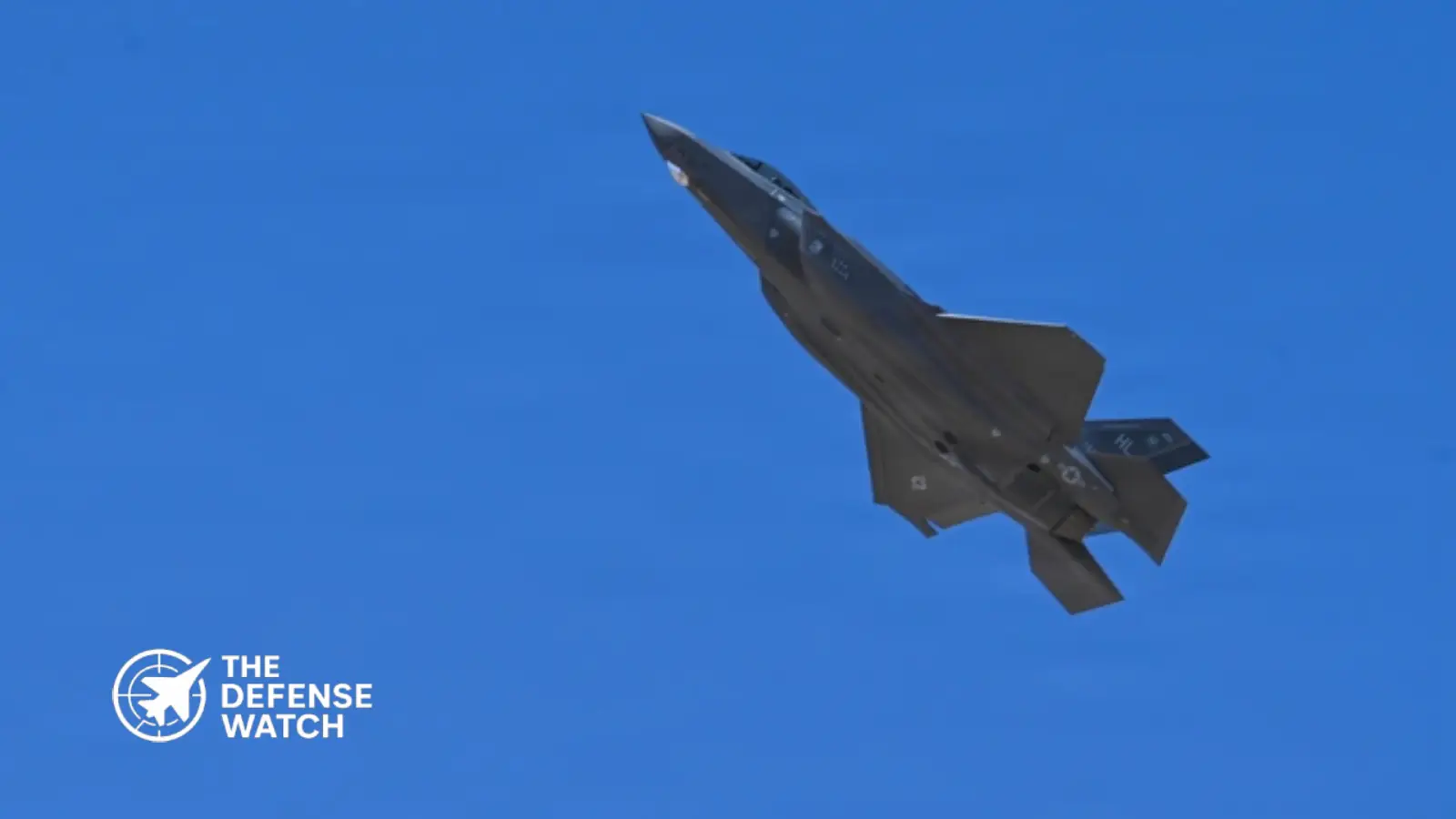
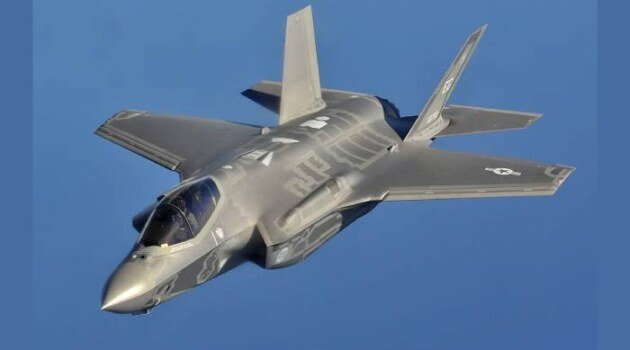
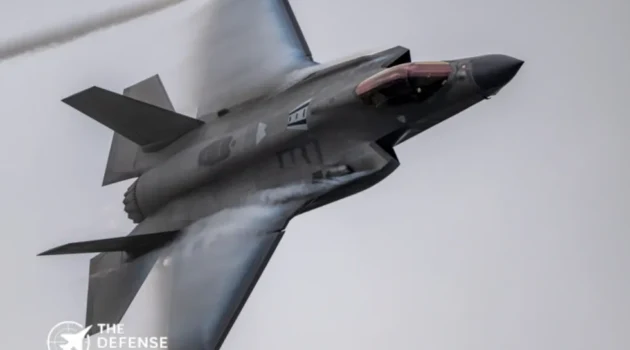
Switzerland’s F-35A fighter aircraft program is under increasing pressure as defense officials, lawmakers, and political groups debate the long term affordability and operational suitability of the stealth fighter for the Swiss Air Force.
The debate follows fresh concerns over escalating procurement and sustainment costs tied to the planned acquisition of the Lockheed Martin F-35A Lightning II. Questions have also emerged regarding maintenance dependency, software sovereignty, infrastructure requirements, and future operating expenses.
The Swiss government selected the F-35A in 2021 to replace the country’s aging fleet of F/A-18 Hornets and F-5 Tiger aircraft. The selection followed a competitive evaluation process involving the Dassault Rafale, Eurofighter Typhoon, and Boeing F/A-18E/F Super Hornet.
Swiss authorities argued at the time that the F-35A offered the best balance of capability, survivability, and projected operating costs. However, critics now claim the overall financial burden may exceed earlier government estimates.
Rising Lifecycle Costs Drive Political Debate
Much of the current controversy centers on projected lifecycle and sustainment expenses rather than the initial acquisition value alone.
Defense analysts and opposition politicians have raised concerns that long term maintenance, software upgrades, logistics support, and infrastructure modernization could significantly increase the overall cost of ownership over the aircraft’s service life.
The F-35 program relies heavily on centralized software management, secure data systems, and international sustainment networks led by the United States. For a non NATO country like Switzerland, this has fueled debate over operational autonomy and strategic dependence.
Swiss officials continue to maintain that the acquisition remains within contractual limits, but political pressure has intensified amid broader European defense spending increases and inflation driven procurement challenges.
The discussion reflects a wider trend affecting multiple F-35 operators worldwide. Several countries operating or evaluating the aircraft have encountered questions regarding sustainment costs, spare parts availability, maintenance complexity, and readiness rates.
Capability Questions Extend Beyond Cost
While the F-35A is widely recognized for its stealth characteristics, sensor fusion, and network centric warfare capabilities, some Swiss critics argue that the aircraft may exceed the operational needs of Switzerland’s air defense mission.
Switzerland’s military posture focuses primarily on territorial defense, air policing, and national sovereignty operations rather than expeditionary warfare. Critics argue that a high end fifth generation fighter optimized for contested battlespace operations may provide capabilities beyond the country’s immediate strategic requirements.
Supporters of the acquisition counter that the future threat environment requires advanced survivability and interoperability features. They argue that the F-35A’s sensor integration and data sharing capabilities could strengthen Swiss air defense effectiveness for decades.
The debate also highlights a broader European discussion regarding the balance between advanced capability and sustainable defense spending.
European Defense Environment Shapes Procurement Decisions
The security environment across Europe has changed dramatically since Switzerland approved the F-35A purchase. Russia’s war in Ukraine, NATO force modernization efforts, and rising regional defense investments have accelerated demand for advanced combat aircraft across the continent.
Several European nations, including Finland, Germany, Poland, and Belgium, have either acquired or expanded F-35 fleets in recent years.
Supporters of Switzerland’s acquisition argue that joining a broader European F-35 user community improves interoperability, training access, logistics coordination, and future upgrade pathways.
At the same time, critics warn that dependence on increasingly expensive Western defense systems could place long term strain on smaller national defense budgets.
This tension between capability and affordability is becoming a defining issue in modern military procurement decisions across Europe.
Swiss Government Continues To Defend The Program
Swiss defense officials continue to defend the F-35A selection process, emphasizing that the aircraft achieved the highest evaluation score during technical and operational assessments.
Authorities also argue that fixed price arrangements for the procurement phase provide a degree of cost certainty despite broader inflation pressures affecting the global defense sector.
Nevertheless, domestic political opposition remains active, and public debate surrounding the aircraft is likely to continue as implementation progresses.
The outcome of the debate may shape future Swiss defense procurement policy, particularly regarding foreign military dependency, industrial participation, and long term modernization priorities.
Strategic Analysis
The controversy surrounding Switzerland’s F-35A acquisition reflects a broader shift in global defense procurement dynamics. Modern combat aircraft increasingly function as integrated digital warfare platforms rather than standalone fighters. That transition introduces new financial and sovereignty considerations for smaller states.
For countries with limited defense budgets and narrowly focused operational missions, the challenge is no longer simply purchasing advanced aircraft. It is sustaining the ecosystem required to operate them effectively over decades.
The Swiss case demonstrates how fifth generation fighter programs can evolve from military procurement decisions into national political debates involving budget priorities, technological dependence, and strategic identity.
As more nations adopt the F-35 platform, scrutiny over sustainment affordability and operational flexibility is likely to intensify.
Executive Summary
The U.S. Army has tested a next generation battlefield network designed to connect AH 64 Apache helicopters directly with ground forces in real time. The effort aims to improve targeting, situational awareness, and combat coordination across multi domain operations as the Army modernizes for future high intensity conflicts.
U.S. Army Advances Battlefield Networking With Apache Integration
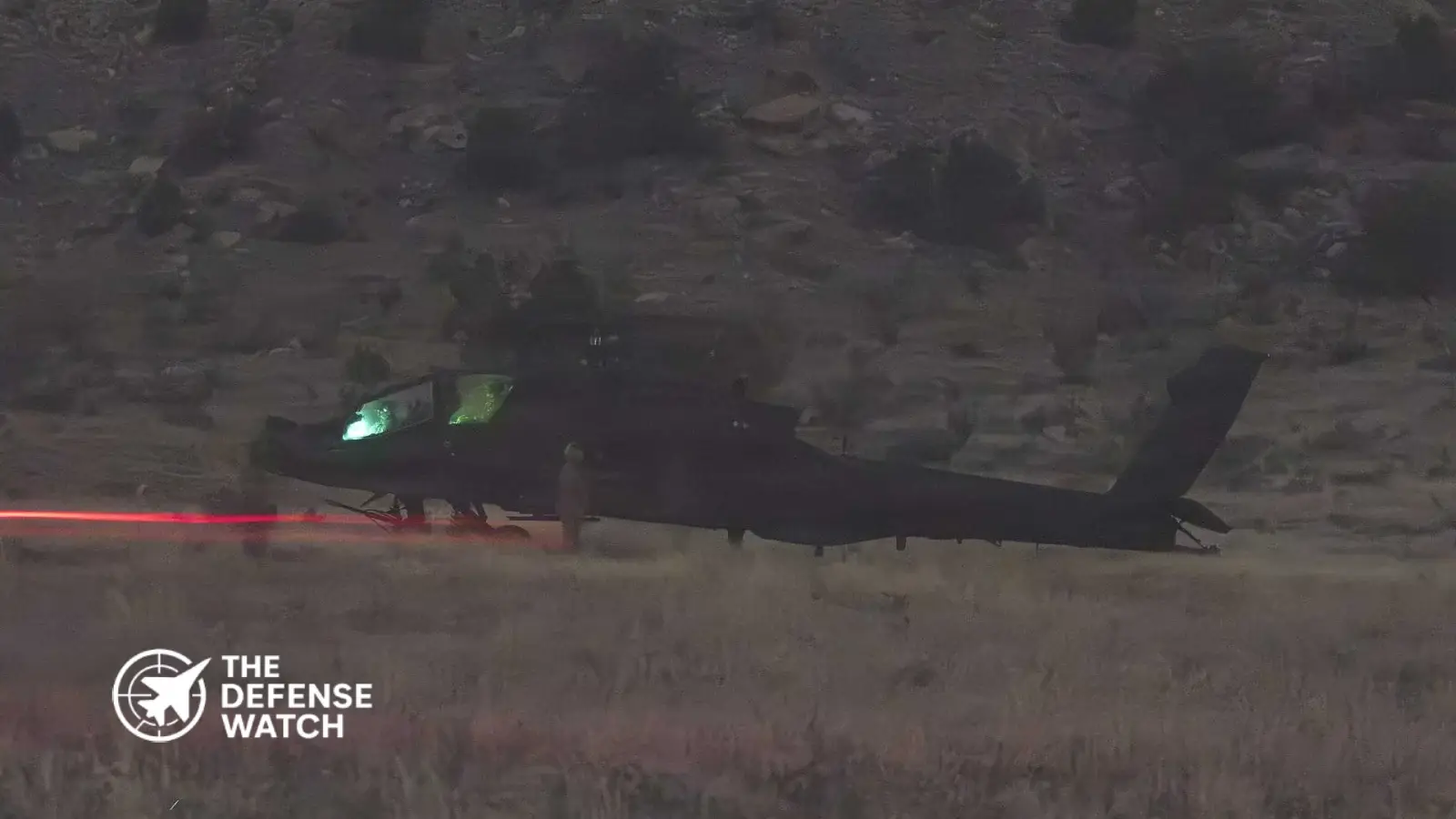
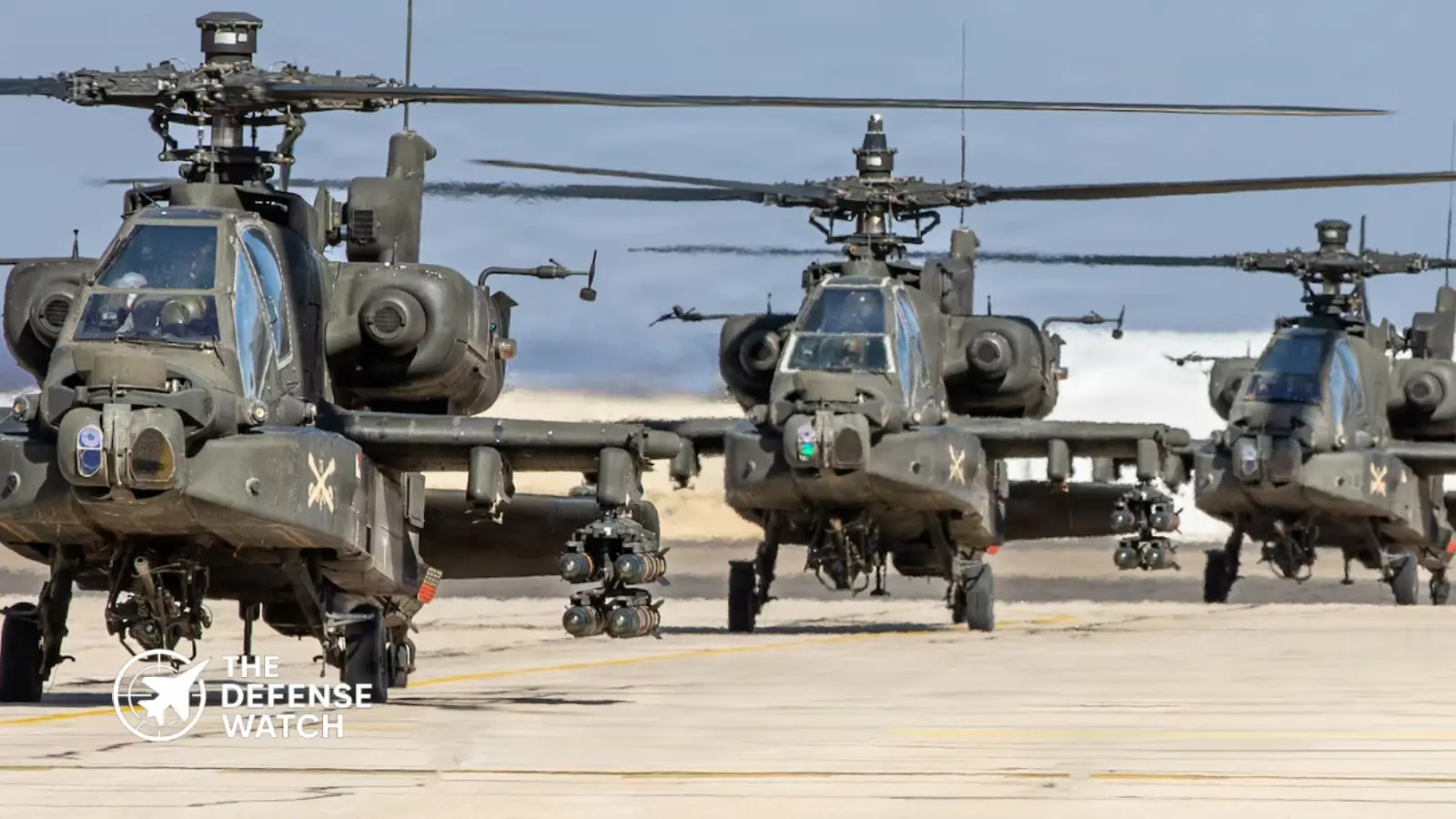
The U.S. Army battlefield network modernization effort took another step forward after the service tested a new communications architecture linking AH 64 Apache attack helicopters with ground combat forces.
The demonstration focused on improving real time information sharing between aviation units and soldiers operating on the ground. The initiative reflects the Army’s broader push toward integrated multi domain warfare and faster battlefield decision making.
The testing effort centered on enabling Apache crews to exchange operational data directly with tactical ground units, reducing delays in identifying threats and coordinating combat actions. The Army continues to prioritize resilient battlefield communications as modern conflicts increasingly depend on rapid data transmission and network survivability.
Why The Battlefield Network Matters
The U.S. Army battlefield network has become a core pillar of the service’s modernization strategy. Future combat operations are expected to involve highly contested electromagnetic environments where communications systems may face jamming, cyber attacks, and degraded connectivity.
By integrating airborne and ground assets into a unified network, commanders can shorten sensor to shooter timelines and improve operational awareness across dispersed formations. In practical terms, this allows Apache helicopter crews to identify threats, transmit targeting data, and coordinate with troops on the ground more efficiently.
The Army has repeatedly emphasized that future warfare will require seamless coordination between manned aircraft, drones, artillery systems, armored units, and command elements. The latest network testing appears designed to support that broader operational concept.
The AH 64 Apache remains one of the Army’s primary attack helicopter platforms. Built for reconnaissance, close air support, and anti armor missions, the aircraft continues to receive upgrades focused on sensors, weapons integration, and digital connectivity.
Multi Domain Operations Drive Army Modernization
The Army’s modernization strategy increasingly revolves around Multi Domain Operations, often referred to as MDO. The doctrine focuses on synchronizing military capabilities across land, air, sea, cyber, and space domains to counter technologically advanced adversaries.
Integrated battlefield networking plays a critical role in that concept. Without secure and reliable communications, forces may struggle to coordinate precision strikes, electronic warfare activities, or intelligence sharing during high intensity combat.
The latest testing effort also aligns with the Army’s broader investments in command and control modernization. Programs tied to tactical data sharing, artificial intelligence assisted targeting, and resilient communications infrastructure have received increased attention in recent years.
Analysts note that lessons learned from conflicts in Eastern Europe and the Middle East continue to influence U.S. military modernization priorities. The importance of rapid battlefield intelligence distribution, drone integration, and survivable communications networks has become increasingly clear in modern combat operations.
Apache Helicopters Remain Central To Army Combat Operations
The AH 64 Apache continues to serve as a critical component of U.S. Army aviation forces. The aircraft has undergone multiple upgrades since entering service, including improved radar systems, enhanced targeting capabilities, and expanded networking functions.
The latest battlefield network testing demonstrates how the Army is seeking to evolve the Apache beyond its traditional attack role into a more connected battlefield node capable of sharing intelligence across the force.
The service has also explored integrating manned and unmanned teaming concepts, allowing Apache crews to work alongside drones for reconnaissance and targeting support. Combining those capabilities with advanced networking systems could significantly expand operational flexibility during future combat scenarios.
Defense officials have consistently argued that data connectivity and decision speed will be decisive factors in future conflicts against peer adversaries. As a result, networking upgrades are increasingly viewed as equally important as weapons modernization.
Strategic Implications For Future Warfare
The U.S. Army battlefield network initiative reflects a wider Pentagon effort to create interconnected combat ecosystems capable of operating under contested conditions.
Modern military operations increasingly depend on distributed sensors, real time intelligence, and rapid targeting cycles. Linking helicopters, armored vehicles, infantry units, and command centers through resilient networks could provide operational advantages in future conflicts.
The Army’s latest testing also underscores the growing overlap between aviation modernization and digital warfare capabilities. Platforms are no longer evaluated solely by firepower or survivability, but also by their ability to collect, process, and distribute data across the battlefield.
While the Army has not released full technical details regarding the network architecture tested, the demonstration signals continued momentum behind next generation command and control initiatives.


Executive Summary:
Britain participated in a multinational nuclear security mission in Venezuela alongside the International Atomic Energy Agency (IAEA) and regional partners. The effort focused on improving preparedness against radiological and nuclear security threats while reinforcing international cooperation in Latin America.
Britain Nuclear Security Mission Highlights International Cooperation
The Britain nuclear security mission in Venezuela marks another example of growing international coordination on radiological and nuclear security preparedness. The mission, supported by the International Atomic Energy Agency, brought together experts from several countries to assess emergency response capabilities and strengthen operational coordination.
British specialists joined counterparts in Venezuela as part of a broader effort to improve regional resilience against potential nuclear or radiological incidents.
The exercise reportedly focused on evaluating procedures related to detection, response coordination, information sharing, and protection of critical infrastructure linked to radiological materials. Such missions are increasingly viewed as essential components of international security cooperation, particularly as governments seek to reduce vulnerabilities tied to illicit trafficking and unauthorized use of radioactive substances.
Why Nuclear Security Missions Matter
While Venezuela does not possess nuclear weapons, the country participates in international frameworks designed to secure radioactive sources used in medicine, research, and industrial sectors. These materials can pose significant security risks if improperly handled or acquired by criminal organizations.
The IAEA has expanded its global engagement in recent years to help countries strengthen safeguards, improve regulatory systems, and train emergency response personnel. Britain’s participation reflects London’s continuing role in supporting international nonproliferation and nuclear security initiatives beyond Europe.
The United Kingdom has long maintained close cooperation with the IAEA through technical assistance programs, nuclear safeguards expertise, and counterproliferation initiatives. British specialists frequently contribute to multinational exercises designed to test readiness for radiological emergencies and cross-border security incidents.
From a geopolitical perspective, the mission is notable because it involved engagement in Latin America at a time when international security cooperation in the region is becoming more complex. Governments across the Americas are increasingly focused on combating transnational crime networks that could exploit weaknesses in border security or hazardous material controls.
Regional Security And Strategic Implications
The Venezuela nuclear security exercise also highlights how nuclear security has evolved beyond traditional state-to-state deterrence concerns. Modern nuclear security planning now places greater emphasis on protecting civilian-use radioactive materials, securing transportation networks, and improving intelligence sharing.
For Western governments, including the United Kingdom, participation in these exercises serves multiple purposes. It supports international stability, reinforces diplomatic engagement, and demonstrates commitment to global nonproliferation standards.
The mission additionally underscores the importance of technical diplomacy. Even amid broader geopolitical tensions, nuclear safety and radiological protection remain areas where international organizations continue to encourage cooperation among diverse governments.
Analysts note that multinational exercises help establish operational familiarity between agencies before a real-world crisis occurs. That preparation can significantly improve response speed and reduce confusion during an emergency involving hazardous materials.
The Britain nuclear security mission may also reflect broader efforts by Western partners to maintain influence and engagement across Latin America through technical and security cooperation rather than solely through military deployments.
IAEA Continues Expanding Global Nuclear Security Programs
The International Atomic Energy Agency has steadily expanded its nuclear security activities over the past decade. These programs include training exercises, cyber protection for nuclear facilities, border monitoring systems, and support for member states handling radioactive materials.
The organization has repeatedly warned that radiological threats remain a global concern, particularly as non-state actors continue seeking access to hazardous materials that could be used in disruptive attacks or criminal activities.
Britain’s involvement in the Venezuela mission aligns with wider Western support for the IAEA’s technical cooperation agenda. London continues to position itself as a major contributor to international nuclear governance, particularly following renewed global focus on strategic stability and nuclear risk reduction.
Although the mission was not military in nature, it demonstrates how security cooperation increasingly overlaps with diplomatic, technical, and emergency response domains. That trend is likely to continue as governments place greater emphasis on resilience against unconventional threats.
Strategic Analysis
The Britain nuclear security mission illustrates a broader shift in how governments approach global security challenges. Nuclear preparedness is no longer limited to strategic weapons programs or major military powers. Instead, attention is increasingly directed toward protecting civilian nuclear infrastructure, preventing illicit trafficking, and ensuring rapid multinational coordination during emergencies.
For the United Kingdom, participation in these exercises supports several strategic objectives simultaneously. It reinforces Britain’s role within international security institutions, strengthens technical partnerships abroad, and maintains operational expertise among British nuclear specialists.
The exercise also demonstrates the growing relevance of soft-security engagement in geopolitically sensitive regions. Technical cooperation missions often provide governments with channels for diplomatic engagement that remain viable even when broader political relations are strained.
As nuclear security concerns evolve, multinational preparedness missions are expected to remain an important element of international stability efforts.
Executive Summary:
U.S. Central Command chief Adm. Brad Cooper told Congress that Operation Epic Fury severely degraded Iran’s missile, naval, and drone capabilities in under 40 days. The campaign also strengthened military coordination between the United States and key Middle Eastern partners, including Saudi Arabia, Qatar, and the UAE.
Operation Epic Fury Reshaped CENTCOM’s Iran Strategy
Operation Epic Fury has become the centerpiece of current U.S. military operations in the Middle East, with senior Pentagon leaders claiming the campaign significantly weakened Iran’s ability to threaten regional stability.
Speaking before the Senate Armed Services Committee in Washington, Brad Cooper said U.S. Central Command forces achieved their operational objectives in less than 40 days. According to Cooper, the campaign targeted Iran’s ability to project military power beyond its borders and reduced threats against U.S. forces and regional allies.
The CENTCOM commander stated that Iran’s conventional missile capacity has been heavily degraded following sustained U.S. operations. He referenced large-scale Iranian missile attacks against Israel in April and October of last year, arguing Tehran no longer retains the same operational scale or launch capacity.
According to Cooper, approximately 90% of Iran’s defense industrial base connected to missile, drone, and naval production has been destroyed or rendered ineffective. He also assessed that Iran’s navy could require between five and ten years to rebuild its operational capabilities.
The remarks represent one of the most detailed public U.S. military assessments so far regarding the impact of Operation Epic Fury.
Missile, Drone, And Naval Infrastructure Targeted
A central objective of Operation Epic Fury was to support Washington’s long-standing position that Iran must not obtain a nuclear weapon capability.
To achieve that, U.S. operations focused on degrading multiple pillars of Iran’s military infrastructure simultaneously. Cooper said CENTCOM targeted ballistic missile production facilities, naval assets, and drone manufacturing networks while also disrupting the industrial capacity needed to regenerate those systems.
The campaign appears designed not only to reduce Iran’s near-term strike capability but also to complicate long-term reconstitution efforts.
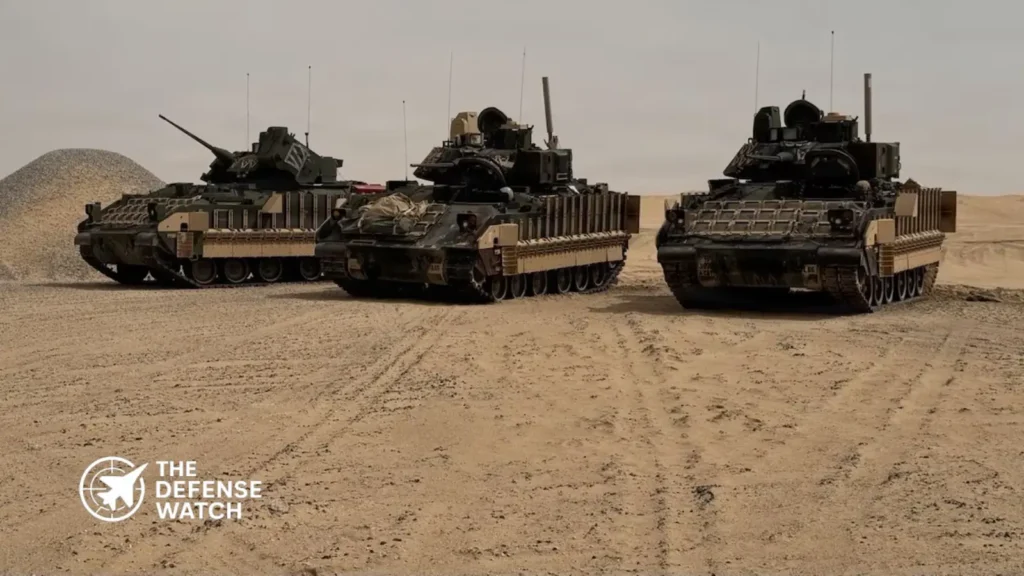
Iran’s missile and drone programs have long been viewed by U.S. and Israeli defense planners as key components of Tehran’s regional deterrence posture. Over the past decade, Iran invested heavily in ballistic missiles, cruise missiles, unmanned aerial systems, and fast-attack naval platforms capable of operating across the Persian Gulf and broader Middle East theater.
By targeting industrial infrastructure rather than solely operational launch systems, Operation Epic Fury reflects a broader strategic approach focused on long-term degradation rather than temporary battlefield disruption.
That approach aligns with evolving U.S. operational doctrine emphasizing persistent effects on adversary force generation capacity.
Proxy Networks Face Major Disruption
Beyond Iran’s conventional military assets, CENTCOM also assessed that Tehran’s regional proxy ecosystem suffered major setbacks during the operation.
Cooper told lawmakers that Iranian support channels to groups including Hamas, Hezbollah, and the Houthis have effectively been disrupted.
For years, Iran relied on a network of partner militias and armed groups to expand influence across the Middle East while maintaining plausible deniability. Those proxy forces have been central to conflicts in Gaza, Lebanon, Syria, Iraq, and Yemen.
According to the CENTCOM assessment, current intelligence indicates no active flow of weapons or equipment from Iran to these organizations.
If sustained, that disruption could significantly alter regional security calculations. Iranian proxy groups have historically depended on missile components, drones, funding, training, and logistical support routed through regional smuggling networks.
However, analysts note that such networks are often adaptive and decentralized. While major supply chains may be disrupted, rebuilding covert logistics channels could remain a long-term challenge for regional security forces.
Regional Partnerships Expanded During The Campaign
A major theme during Cooper’s testimony was the role played by U.S. military partners across the Middle East during Operation Epic Fury.
The CENTCOM commander highlighted the operational contributions of the United Arab Emirates, Bahrain, Kuwait, Qatar, and Saudi Arabia.
According to Cooper, those nations not only defended their own territory during the operation but also actively supported American forces operating in the region.
He additionally credited the Jordan and the Israel for close operational coordination.
The operation highlighted the growing importance of integrated regional air and missile defense cooperation among U.S. allies and partners. Over recent years, CENTCOM has pushed for greater interoperability between Gulf states, Israel, and U.S. military systems to counter evolving missile and drone threats.
Operation Epic Fury appears to have accelerated that trend.
The campaign also demonstrated how coalition-based defense architectures are becoming increasingly important in modern regional conflicts, particularly as Iran and its affiliated groups rely heavily on asymmetric warfare tactics.
Strategic Implications For U.S. Middle East Posture
The broader strategic significance of Operation Epic Fury extends beyond the immediate military effects described by CENTCOM leadership.
The operation signals continued U.S. willingness to conduct large-scale military campaigns aimed at degrading adversary infrastructure across multiple domains simultaneously. It also reinforces Washington’s focus on maintaining deterrence credibility in the Middle East despite broader global security pressures involving Europe and the Indo-Pacific.
At the same time, the operation underscores how regional partnerships remain central to U.S. force posture in the CENTCOM theater.
For Pentagon planners, maintaining access, logistics, intelligence sharing, and integrated air defense cooperation with Gulf states remains critical to sustaining operational reach across the region.
While U.S. officials describe the operation as highly successful, long-term strategic outcomes will likely depend on whether Iran can rebuild portions of its military-industrial infrastructure and restore influence through proxy networks over time.
For now, however, CENTCOM leadership is presenting Operation Epic Fury as one of the most consequential regional military campaigns conducted by U.S. forces in recent years.