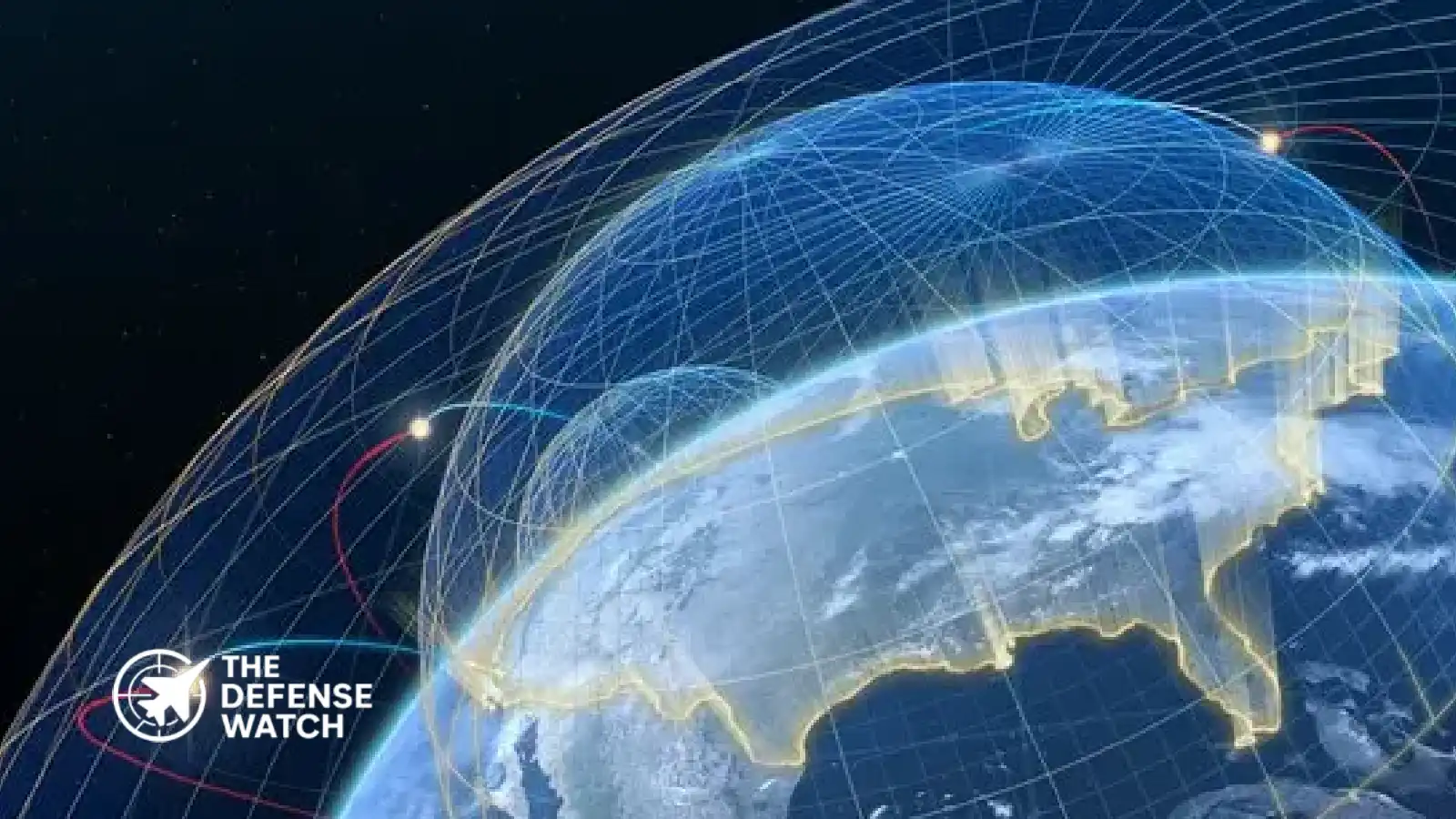
The dispute highlights growing tensions over the future scale, affordability, and strategic direction of next generation U.S. missile defense programs.
Executive Summary:
The Pentagon has rejected a Congressional Budget Office estimate claiming the proposed Golden Dome missile defense initiative could cost up to $1.2 trillion over two decades. Defense officials argue the analysis mischaracterized the program’s intended architecture and operational scope, as debate grows over the future of U.S. homeland missile defense.
Pentagon Rejects Golden Dome Cost Projection
The proposed Golden Dome missile defense initiative has become the center of a growing debate in Washington after the Pentagon rejected a Congressional Budget Office (CBO) estimate projecting the program could cost as much as $1.2 trillion.
U.S. defense officials argued the CBO assessment fundamentally misunderstood the intended structure and mission of the evolving missile defense architecture.
The disagreement reflects broader questions surrounding the future of American homeland defense as the United States faces expanding ballistic, hypersonic, and cruise missile threats from near peer adversaries including China, Russia, and regional actors such as North Korea.
What Is The Golden Dome Missile Defense Concept?
The Golden Dome concept is envisioned as a layered, multi domain missile defense network designed to improve detection, tracking, and interception capabilities against advanced airborne threats.
Although official program details remain limited, the broader concept reportedly includes:
- Space based missile tracking systems
- Advanced ground and sea based interceptors
- Integrated radar networks
- AI enabled battle management systems
- Hypersonic missile tracking capabilities
- Expanded homeland defense coverage
The Pentagon reportedly maintains that the CBO estimate relied on assumptions involving a far larger and more expansive architecture than what defense planners are currently considering.
Defense officials argued the estimate effectively modeled a massive Cold War style nationwide shield rather than a more targeted and scalable layered defense network.
Why The Cost Debate Matters
The clash over the projected cost of the Golden Dome missile defense program comes at a critical moment for U.S. defense planning.
The Pentagon is simultaneously funding multiple high cost modernization priorities, including:
- Nuclear deterrence recapitalization
- Sixth generation combat aircraft
- Long range precision strike programs
- Space based military infrastructure
- Hypersonic weapons development
- Naval fleet expansion
Adding another trillion dollar scale initiative could significantly reshape future U.S. defense budgets.
The CBO estimate reportedly examined a 20 year implementation timeline and considered extensive deployment of space based interceptors and supporting systems. Pentagon officials countered that the analysis overstated both the scale and technical assumptions of the proposal.
This disagreement also underscores a longstanding divide in U.S. missile defense policy between advocates of expansive homeland protection systems and critics concerned about affordability, technical feasibility, and strategic stability.
Strategic Drivers Behind Expanded Missile Defense
The renewed focus on homeland missile defense is closely tied to the rapid modernization of Chinese and Russian strategic missile forces.
China has accelerated development of hypersonic glide vehicles, advanced ballistic missiles, and anti access systems designed to challenge American military advantages in the Indo Pacific.
Meanwhile, Russia continues to field advanced strategic systems including the Avangard hypersonic glide vehicle and next generation intercontinental missile platforms.
These developments have increased pressure on U.S. defense planners to improve tracking and interception capabilities against maneuvering and high speed threats that can evade traditional missile defense systems.
The Pentagon has repeatedly identified hypersonic defense as one of its most urgent modernization priorities.
Technical Challenges Remain Significant
Even supporters of expanded homeland missile defense acknowledge that building a highly effective national shield remains technically difficult and financially demanding.
Intercepting modern hypersonic and maneuverable missile threats requires:
- Persistent global tracking
- Extremely fast sensor fusion
- Space based surveillance layers
- Reliable interceptor performance
- Secure communications networks
- Advanced command and control integration
Many analysts argue that maintaining reliable interception capability against large scale missile salvos could require enormous numbers of interceptors and satellites, significantly increasing lifecycle costs.
The Pentagon appears eager to avoid public perception that the Golden Dome initiative represents an unlimited spending commitment similar to historical strategic defense proposals from earlier decades.
Broader Political Implications
The debate surrounding the Golden Dome missile defense proposal is likely to intensify as lawmakers examine future Pentagon spending priorities.
Supporters argue the United States must rapidly strengthen homeland defense capabilities as adversaries expand missile inventories and develop increasingly sophisticated delivery systems.
Critics, however, warn that extremely large scale missile defense investments may divert funding from other military priorities while offering uncertain effectiveness against advanced strategic threats.
The discussion also reflects growing bipartisan concern over the vulnerability of U.S. infrastructure and military bases to long range missile attacks.
As missile technology proliferates globally, homeland defense is increasingly becoming a central element of broader American national security planning.
Original Analysis
The Pentagon’s rejection of the CBO estimate suggests officials are attempting to preserve political support for missile defense modernization without triggering concerns over unsustainable long term costs.
Historically, large scale missile defense initiatives have faced skepticism in Congress when projected expenses begin approaching trillion dollar levels. By disputing the estimate early, defense leaders may be trying to frame Golden Dome as an incremental modernization effort rather than a massive strategic overhaul.
The controversy also highlights how rapidly evolving threats are forcing the United States to reconsider assumptions that homeland missile defense could remain limited in scope. Hypersonic weapons, maneuverable glide vehicles, and expanding missile inventories are changing the strategic equation.
At the same time, technological realities remain unforgiving. Building a layered defense capable of handling sophisticated missile attacks across multiple domains could require substantial investments in space assets, sensor networks, and interceptor production capacity for decades.
Whether Golden Dome evolves into a focused modernization initiative or a far larger national defense architecture may ultimately depend on future threat assessments, congressional funding decisions, and the pace of adversary missile development.