

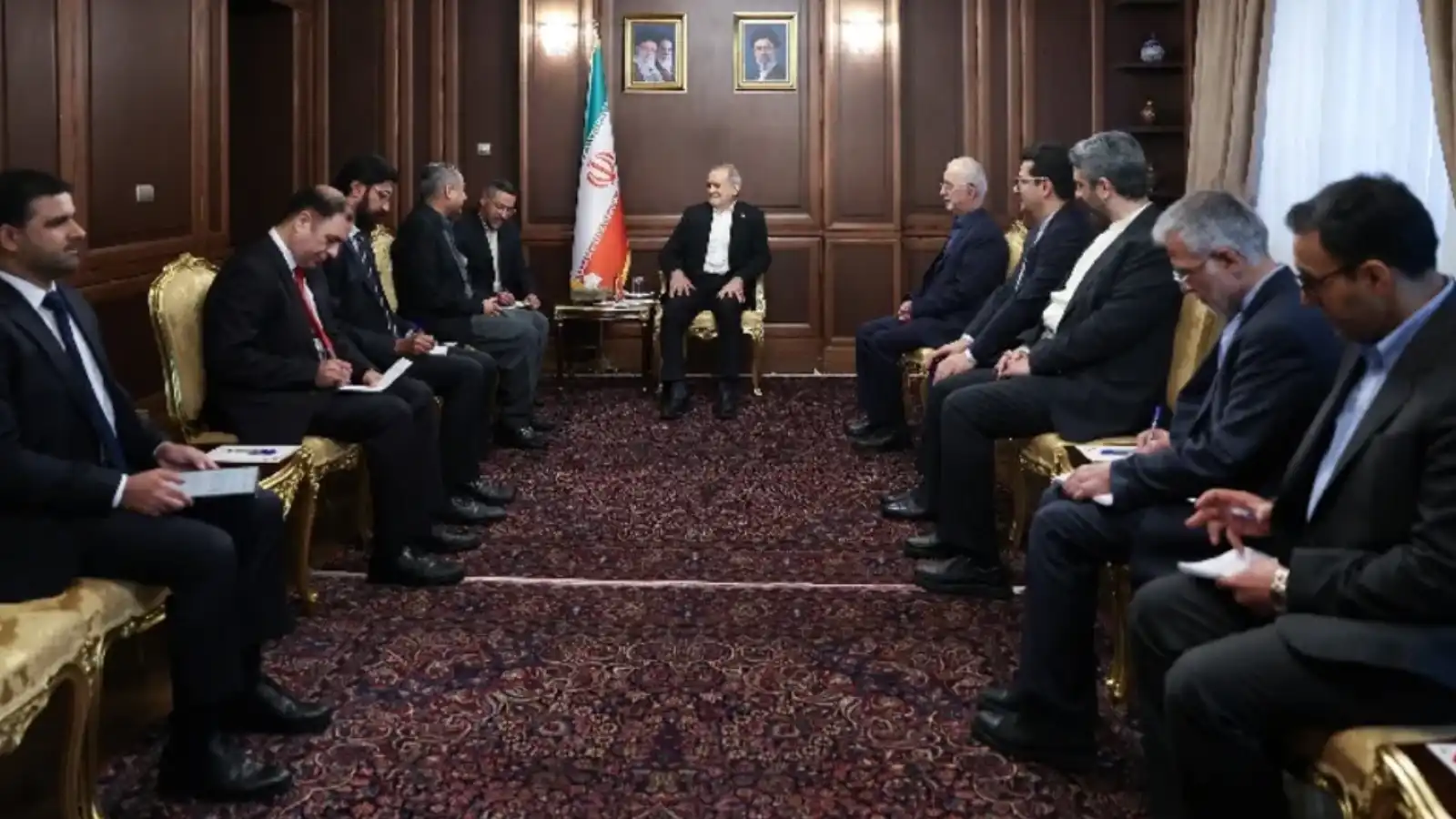
Pakistan has intensified its diplomatic mediation between Tehran and Washington as fears grow that the current Middle East conflict could widen further.
Executive Summary:
Pakistan has delivered a revised Iranian peace proposal to the United States in an effort to restart stalled negotiations linked to the ongoing Middle East conflict. The diplomatic effort highlights Islamabad’s growing role as a key intermediary between Tehran and Washington amid rising regional tensions and disputes over Iran’s nuclear program.
Pakistan Revives Iran US Mediation Effort Amid Regional Tensions
Pakistan shared a revised Iranian proposal with the United States on Sunday night as efforts to restart negotiations between Tehran and Washington remain deadlocked over ceasefire conditions and nuclear demands.
According to a Pakistani source cited by Reuters, the latest diplomatic package was intended to narrow the gap between both sides after weeks of indirect negotiations failed to produce a breakthrough. The source warned that time was running short, stating that both parties continued to shift negotiating positions during the mediation process.
The revised proposal reportedly followed a meeting in Tehran between Pakistani Interior Minister Mohsin Naqvi and Iranian parliamentary speaker and senior negotiator Mohammad Bagher Ghalibaf on Saturday.
Iranian media reports indicated that the package combined elements of Tehran’s earlier 14 point proposal with several core U.S. conditions that had been transmitted through Islamabad.
The diplomatic initiative comes as tensions remain elevated across the Middle East, with regional governments increasingly concerned that prolonged confrontation between Iran and the United States could destabilize maritime trade routes, energy infrastructure, and regional security arrangements.
Washington Maintains Pressure Over Nuclear Conditions
The latest mediation effort follows strong criticism from U.S. President Donald Trump, who rejected Iran’s earlier counterproposal on May 10 and described it as totally unacceptable.
Washington has reportedly presented five conditions for negotiations to move forward. One of the most sensitive demands involves the transfer of approximately 400 kilograms of highly enriched uranium held by Iran.
That issue remains central to the broader dispute surrounding Iran’s nuclear activities and international monitoring mechanisms. Western governments have repeatedly argued that Iran’s enriched uranium stockpile significantly exceeds levels required for civilian nuclear energy programs.
Iran has consistently defended its nuclear activities as peaceful while rejecting what it describes as politically motivated pressure from Washington and its allies.
Iranian Foreign Ministry spokesperson Esmaeil Baghaei confirmed that Pakistan remains the only officially recognized intermediary between Tehran and Washington in the current negotiation framework.
Baghaei stated that Tehran’s primary objectives remain ending hostilities, securing a ceasefire agreement, and obtaining guarantees tied to future negotiations.
Pakistan Expands Regional Diplomatic Role
Pakistan’s involvement reflects Islamabad’s broader attempt to position itself as a stabilizing diplomatic actor amid growing geopolitical fragmentation in the Middle East and South Asia.
Islamabad maintains working relations with both Tehran and Washington, giving Pakistani officials a rare channel of communication at a time when direct U.S. Iran engagement remains limited.
The mediation effort also highlights Pakistan’s strategic interest in preventing wider regional instability along its western border. Escalation involving Iran could affect border security, refugee flows, regional trade routes, and energy connectivity projects tied to Pakistan’s long term economic planning.
Analysts note that Pakistan’s role as a mediator may also strengthen its diplomatic standing with Gulf states and Western governments seeking to avoid a broader regional conflict.
At the same time, the lack of visible progress underscores the deep mistrust that continues to define U.S. Iran relations.
Stalled Talks Reflect Wider Strategic Divide
Despite renewed diplomatic activity, major disagreements remain unresolved.
The United States continues to prioritize restrictions on Iran’s nuclear capabilities, regional military posture, and missile development activities. Tehran, meanwhile, is seeking guarantees related to sanctions relief, sovereignty concerns, and limits on future military escalation.
The revised Iranian proposal delivered through Pakistan appears aimed at creating a framework that could reopen negotiations without requiring immediate concessions from either side.
However, diplomatic observers caution that indirect negotiations become increasingly difficult when both parties publicly harden their positions while simultaneously attempting private compromise.
The current impasse also reflects the broader strategic competition shaping the Middle East, where regional security calculations increasingly intersect with global power rivalries involving the United States, China, and Russia.
Any successful agreement would likely require phased confidence building measures, verification mechanisms, and third party guarantees capable of satisfying both Washington’s security concerns and Tehran’s political demands.
Why The Mediation Effort Matters
Pakistan’s revised Iran peace proposal arrives at a critical moment for regional diplomacy.
Continued deadlock increases the risk of further military escalation, disruption to global energy markets, and expanded instability across the Gulf region. Maritime security concerns in strategic waterways remain particularly important for international trade and military operations.
The negotiations also carry implications for future nuclear diplomacy and the credibility of indirect mediation frameworks involving regional powers.
While no breakthrough has yet emerged, Islamabad’s continued involvement demonstrates that regional actors are attempting to prevent further deterioration in U.S. Iran relations through backchannel diplomacy and phased negotiation efforts.
