Executive Summary
The U.S. Army has tested a next generation battlefield network designed to connect AH 64 Apache helicopters directly with ground forces in real time. The effort aims to improve targeting, situational awareness, and combat coordination across multi domain operations as the Army modernizes for future high intensity conflicts.
U.S. Army Advances Battlefield Networking With Apache Integration
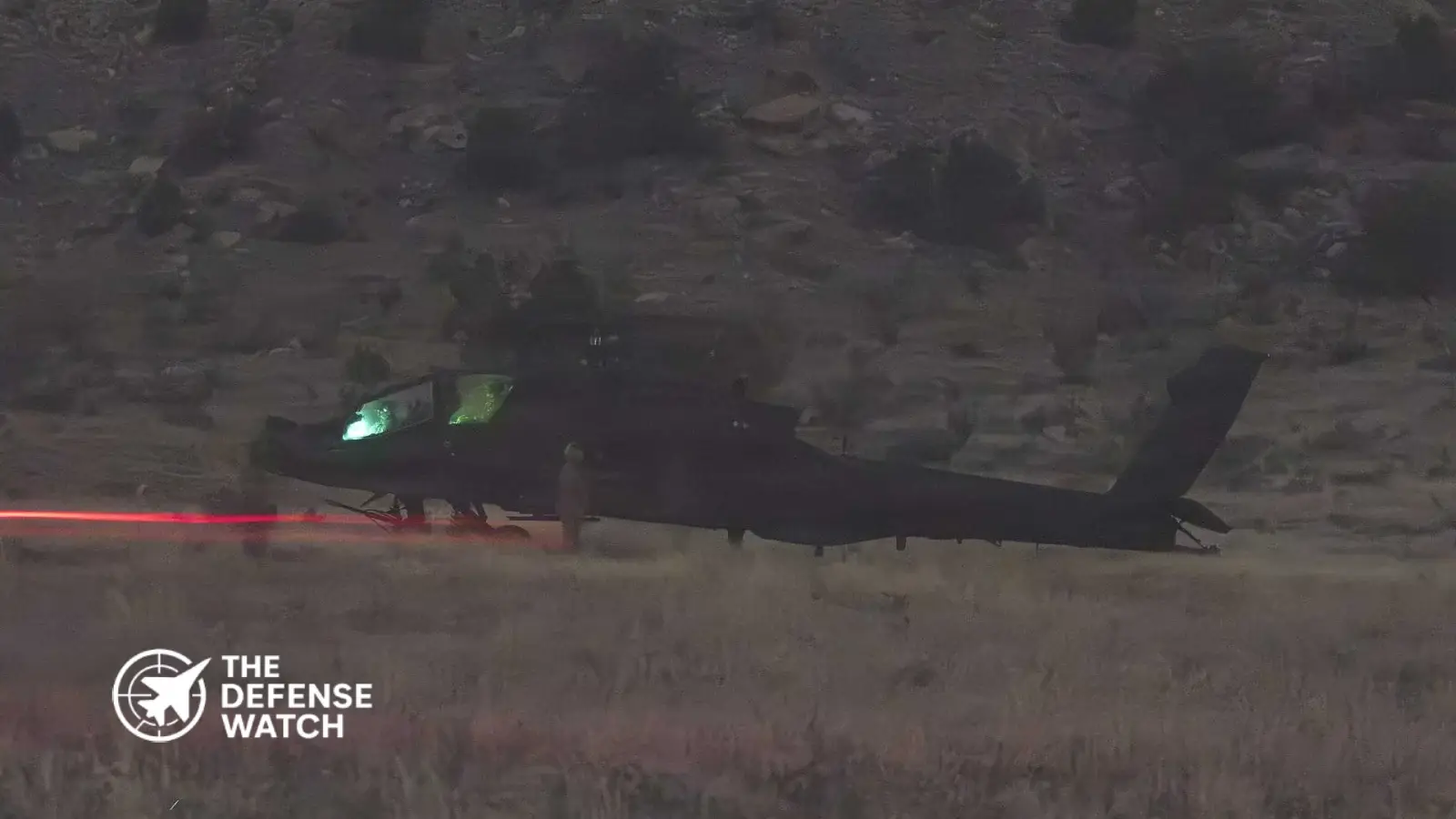
The U.S. Army battlefield network modernization effort took another step forward after the service tested a new communications architecture linking AH 64 Apache attack helicopters with ground combat forces.
The demonstration focused on improving real time information sharing between aviation units and soldiers operating on the ground. The initiative reflects the Army’s broader push toward integrated multi domain warfare and faster battlefield decision making.
The testing effort centered on enabling Apache crews to exchange operational data directly with tactical ground units, reducing delays in identifying threats and coordinating combat actions. The Army continues to prioritize resilient battlefield communications as modern conflicts increasingly depend on rapid data transmission and network survivability.
Why The Battlefield Network Matters
The U.S. Army battlefield network has become a core pillar of the service’s modernization strategy. Future combat operations are expected to involve highly contested electromagnetic environments where communications systems may face jamming, cyber attacks, and degraded connectivity.
By integrating airborne and ground assets into a unified network, commanders can shorten sensor to shooter timelines and improve operational awareness across dispersed formations. In practical terms, this allows Apache helicopter crews to identify threats, transmit targeting data, and coordinate with troops on the ground more efficiently.
The Army has repeatedly emphasized that future warfare will require seamless coordination between manned aircraft, drones, artillery systems, armored units, and command elements. The latest network testing appears designed to support that broader operational concept.
The AH 64 Apache remains one of the Army’s primary attack helicopter platforms. Built for reconnaissance, close air support, and anti armor missions, the aircraft continues to receive upgrades focused on sensors, weapons integration, and digital connectivity.
Multi Domain Operations Drive Army Modernization
The Army’s modernization strategy increasingly revolves around Multi Domain Operations, often referred to as MDO. The doctrine focuses on synchronizing military capabilities across land, air, sea, cyber, and space domains to counter technologically advanced adversaries.
Integrated battlefield networking plays a critical role in that concept. Without secure and reliable communications, forces may struggle to coordinate precision strikes, electronic warfare activities, or intelligence sharing during high intensity combat.
The latest testing effort also aligns with the Army’s broader investments in command and control modernization. Programs tied to tactical data sharing, artificial intelligence assisted targeting, and resilient communications infrastructure have received increased attention in recent years.
Analysts note that lessons learned from conflicts in Eastern Europe and the Middle East continue to influence U.S. military modernization priorities. The importance of rapid battlefield intelligence distribution, drone integration, and survivable communications networks has become increasingly clear in modern combat operations.
Apache Helicopters Remain Central To Army Combat Operations
The AH 64 Apache continues to serve as a critical component of U.S. Army aviation forces. The aircraft has undergone multiple upgrades since entering service, including improved radar systems, enhanced targeting capabilities, and expanded networking functions.
The latest battlefield network testing demonstrates how the Army is seeking to evolve the Apache beyond its traditional attack role into a more connected battlefield node capable of sharing intelligence across the force.
The service has also explored integrating manned and unmanned teaming concepts, allowing Apache crews to work alongside drones for reconnaissance and targeting support. Combining those capabilities with advanced networking systems could significantly expand operational flexibility during future combat scenarios.
Defense officials have consistently argued that data connectivity and decision speed will be decisive factors in future conflicts against peer adversaries. As a result, networking upgrades are increasingly viewed as equally important as weapons modernization.
Strategic Implications For Future Warfare
The U.S. Army battlefield network initiative reflects a wider Pentagon effort to create interconnected combat ecosystems capable of operating under contested conditions.
Modern military operations increasingly depend on distributed sensors, real time intelligence, and rapid targeting cycles. Linking helicopters, armored vehicles, infantry units, and command centers through resilient networks could provide operational advantages in future conflicts.
The Army’s latest testing also underscores the growing overlap between aviation modernization and digital warfare capabilities. Platforms are no longer evaluated solely by firepower or survivability, but also by their ability to collect, process, and distribute data across the battlefield.
While the Army has not released full technical details regarding the network architecture tested, the demonstration signals continued momentum behind next generation command and control initiatives.