Executive Summary:
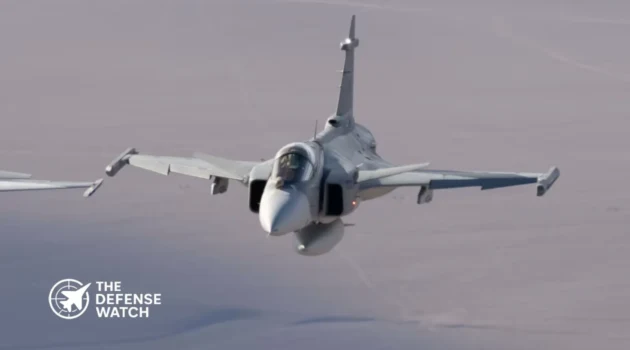
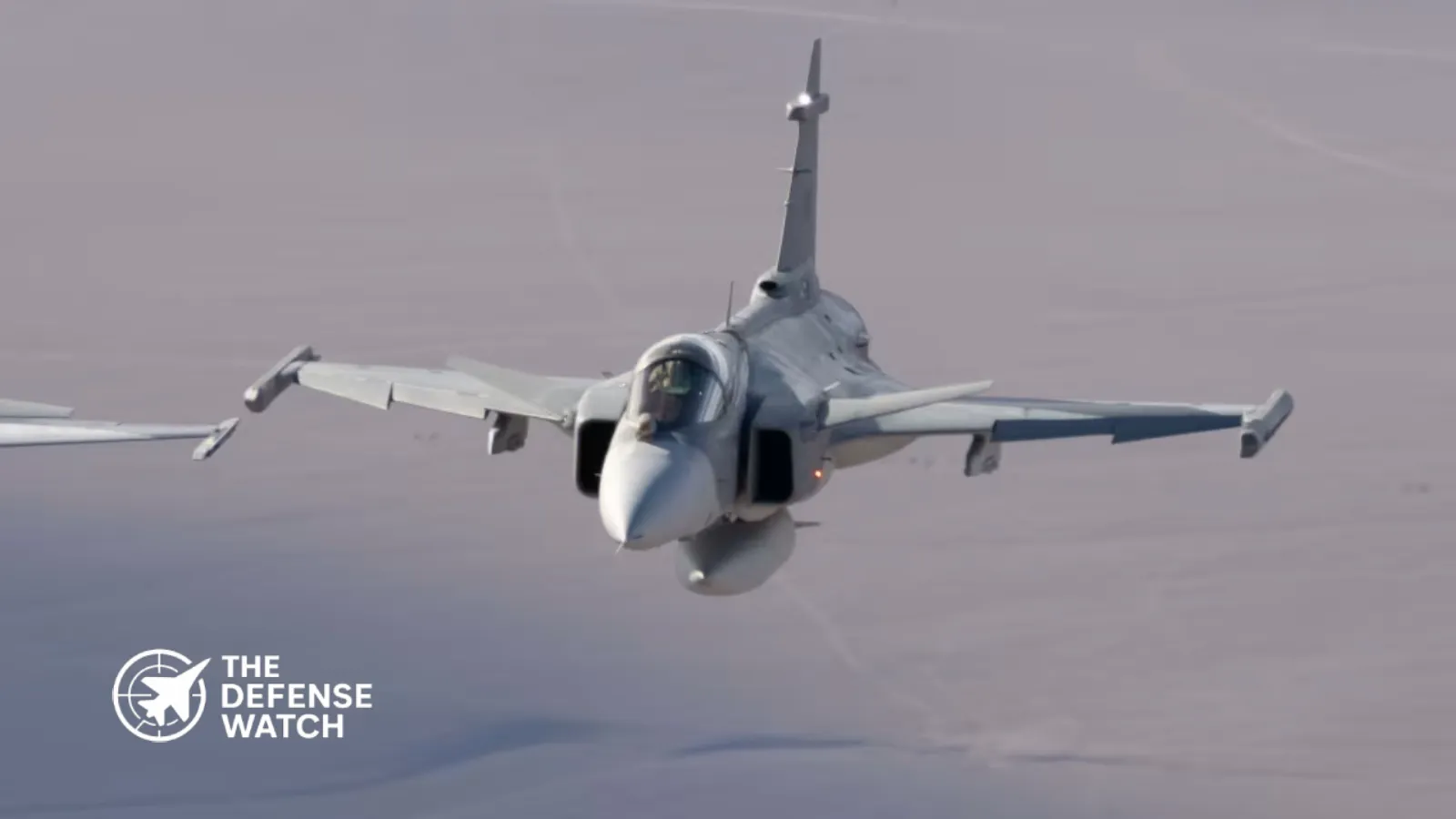
Brazil’s F-39E Gripen fighters have completed their first multinational deployment outside national territory during Exercise SALITRE 2026 in Chile. The exercise brought together six nations, approximately 60 aircraft, and more than 1,500 personnel, providing the Brazilian Air Force with its first opportunity to employ the Gripen E in a coalition air combat environment while demonstrating the aircraft’s growing operational maturity.
Brazil’s Gripen E Fighters Make First Overseas Multinational Exercise Debut During SALITRE 2026
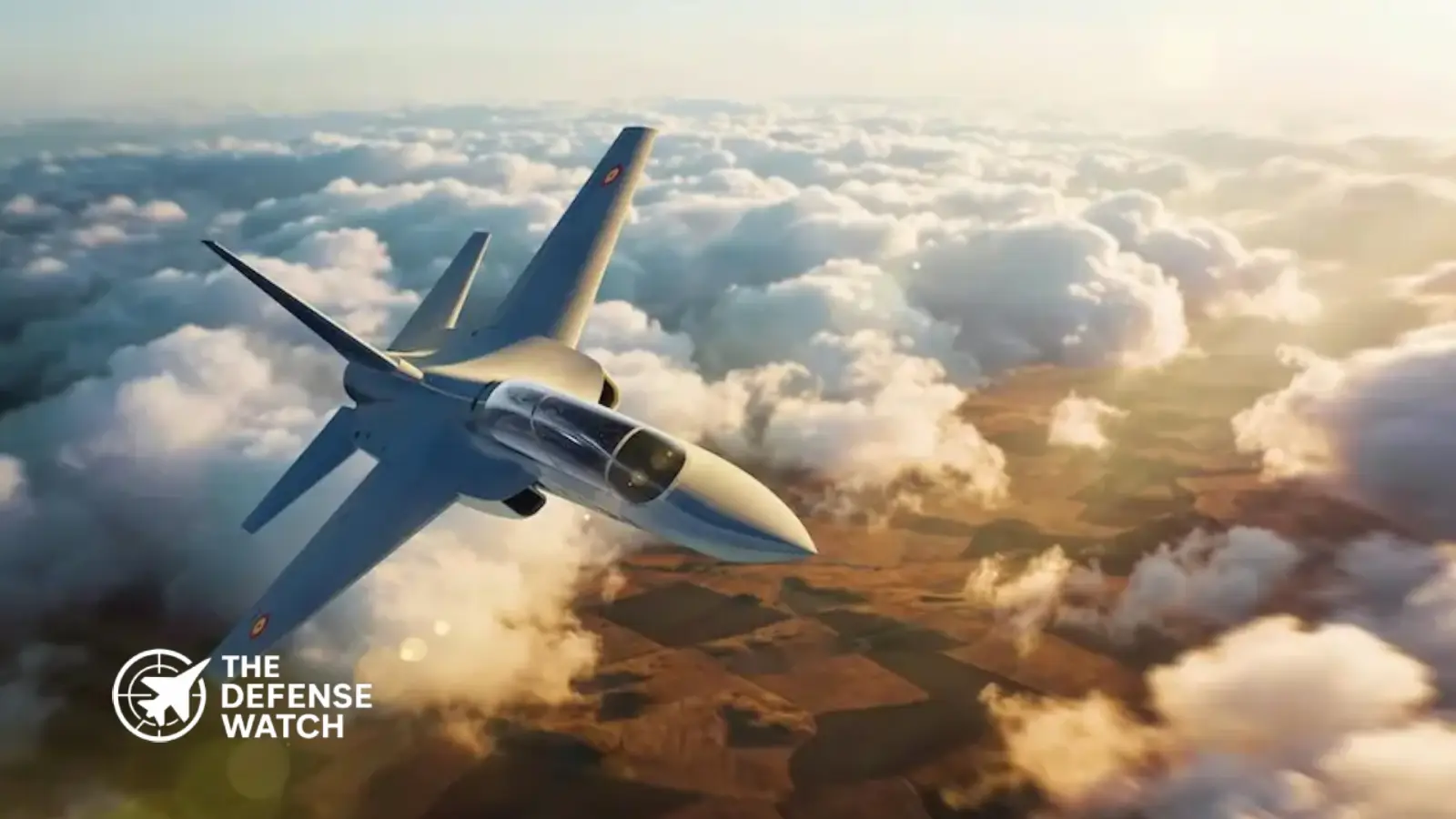
The Brazil Gripen E fighters have completed a significant milestone after participating in Exercise SALITRE 2026 in Chile, marking the aircraft’s first multinational deployment outside Brazil since entering operational service with the Brazilian Air Force (FAB). According to Saab and the Brazilian Air Force, six F-39E Gripen fighters joined coalition air operations alongside aircraft from Chile, Argentina, Colombia, Paraguay, and the United States.
- Brazil’s Gripen E Fighters Make First Overseas Multinational Exercise Debut During SALITRE 2026
- Six Nations Conduct Coalition Air Operations
- Gripen E Conducted Air Defense, Escort, And Combat Patrol Missions
- Saab Highlights Long Term Brazil Partnership
- Sensor Fusion Remains Gripen E’s Primary Operational Advantage
- Extensive Mission Preparation Reduced Deployment Risk
- Gripen E Demonstrated Operational Range
- Why SALITRE 2026 Matters Beyond Brazil
- Key SALITRE 2026 Figures
Operating from Cerro Moreno Air Base in Antofagasta, the Brazilian detachment carried out a wide range of missions including combat air patrols, escort operations, offensive sweeps, and integrated air defense. The deployment represents another step in the Brazilian Gripen program as the aircraft transitions from national introduction into multinational operational employment.
Six Nations Conduct Coalition Air Operations
Exercise SALITRE 2026 assembled more than 1,500 military personnel and roughly 60 aircraft, generating over 250 flight hours across multiple mission profiles.
The multinational exercise focused on coalition warfare, with participating air forces operating under a unified command structure. Such scenarios are designed to improve interoperability between allied air forces while testing command and control procedures, tactical communications, and coordinated air operations.
For Brazil, this was the first opportunity to integrate the F-39E Gripen into a multinational command environment outside its own territory.
Gripen E Conducted Air Defense, Escort, And Combat Patrol Missions
Throughout the exercise, Brazilian pilots flew missions representative of modern conventional air warfare.
These included:
Mission Operational Purpose Combat Air Patrol (CAP) Protect friendly airspace Escort Missions Defend strike and support aircraft Fighter Sweep Eliminate opposing fighter threats Air Defense Counter hostile aircraft and maintain air superiority WVR Combat Short range visual engagements BVR Combat Long range missile engagements The aircraft employed several of its most advanced onboard systems during the exercise, including:
- Active Electronically Scanned Array (AESA) radar
- Infrared Search and Track (IRST) sensor
- Integrated electronic warfare suite
- Tactical data sharing capabilities
- Advanced sensor fusion architecture
These systems allowed pilots to detect, classify, and track multiple airborne threats while sharing tactical information across the formation.
Saab Highlights Long Term Brazil Partnership
Peter Dölling, Managing Director of Saab Brazil, described the deployment as another important milestone in Brazil’s Gripen implementation program.
According to Saab, participation in SALITRE 2026 strengthens interoperability among regional partner air forces while reinforcing Brazil’s long term investment in advanced combat aviation capabilities.
The company also emphasized that the program extends beyond aircraft deliveries, incorporating technology transfer, industrial cooperation, and domestic capability development under Brazil’s Gripen acquisition strategy.
Sensor Fusion Remains Gripen E’s Primary Operational Advantage
Lieutenant Colonel Vítor Bombonato, commander of Brazil’s 1st Air Defense Group (1º GDA), highlighted the aircraft’s sensor fusion capabilities as one of its principal strengths during multinational operations.
According to Bombonato, the Gripen E continuously combines data collected from multiple onboard sensors before presenting pilots with a simplified tactical picture. Information can then be shared among other Gripen aircraft, significantly improving situational awareness across the flight.
Rather than relying on individual radar contacts, pilots operate using a common tactical picture that enables faster threat identification and more coordinated engagement decisions.
This network centric approach reflects the broader evolution of modern fourth and fifth generation air combat, where information superiority increasingly determines mission effectiveness.
Extensive Mission Preparation Reduced Deployment Risk
Although Brazilian pilots had never previously operated in northern Chile, preparation for SALITRE began well before deployment.
Brazilian Air Force planners recreated the Antofagasta operating environment inside Gripen simulators located at Anápolis Air Base. Pilots also conducted integrated exercises with other FAB squadrons approximately one month before deployment.
According to Lieutenant Colonel Bombonato, these preparations meant that operational conditions were already familiar when crews arrived in Chile, reducing transition time and improving mission readiness.
Gripen E Demonstrated Operational Range
Another notable aspect of the deployment was the aircraft’s range.
Bombonato stated that the Gripen E possessed sufficient endurance to fly directly from Anápolis to Antofagasta without requiring aerial refueling, illustrating one of the platform’s logistical advantages during regional deployments.
For air forces operating across South America’s vast geography, extended range reduces dependence on tanker aircraft while increasing deployment flexibility.
By the conclusion of SALITRE 2026, the Brazilian Gripens had completed more than 50 sorties and accumulated over 100 flight hours, including ferry flights, while maintaining high aircraft availability.
Why SALITRE 2026 Matters Beyond Brazil
The significance of SALITRE extends beyond a routine multinational exercise.
For the Brazilian Air Force, this deployment demonstrates that the Gripen E is moving from initial operational capability toward mature coalition employment. Operating alongside U.S. and regional partner aircraft validates not only the fighter itself but also Brazil’s command, maintenance, logistics, and mission planning infrastructure.
From a regional security perspective, multinational exercises such as SALITRE enhance interoperability among South American and U.S. air forces without focusing on a specific adversary. Instead, they improve common operating procedures, communications, and tactical coordination that could prove valuable during humanitarian operations, disaster response, or coalition security missions.
Technically, SALITRE also provided an opportunity to evaluate the Gripen E’s advanced digital architecture in realistic coalition scenarios. Modern air combat increasingly depends on information sharing, electronic warfare resilience, and sensor integration rather than aircraft performance alone. Exercises of this type allow participating air forces to refine tactics while identifying procedural improvements before real world contingencies emerge.
As Brazil continues expanding its Gripen fleet, multinational deployments will likely become an increasingly important component of pilot training and operational certification.
Key SALITRE 2026 Figures
Category Details Host Nation Chile Main Operating Base Cerro Moreno Air Base, Antofagasta Brazilian Aircraft Six F-39E Gripen fighters Participating Countries Brazil, Chile, Argentina, Colombia, Paraguay, United States Personnel More than 1,500 Aircraft Approximately 60 Flight Hours More than 250 Brazilian Gripen Sorties Over 50 Brazilian Flight Hours More than 100