

China’s J-35 Stealth Fighter Draws Attention Over Reflective Surface
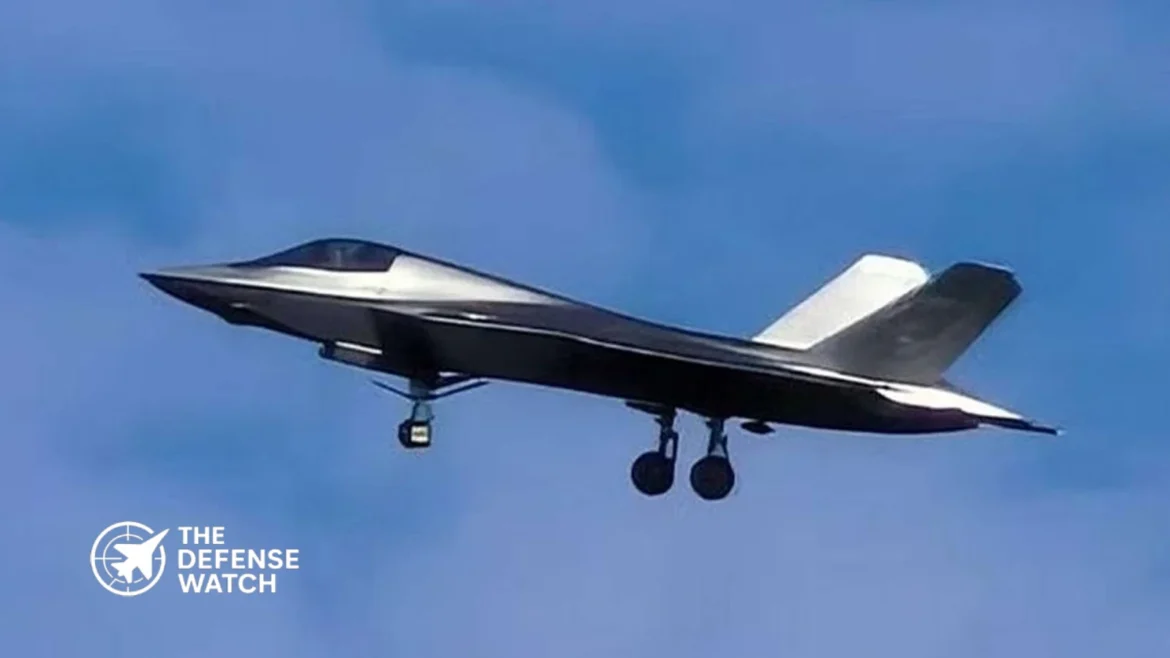
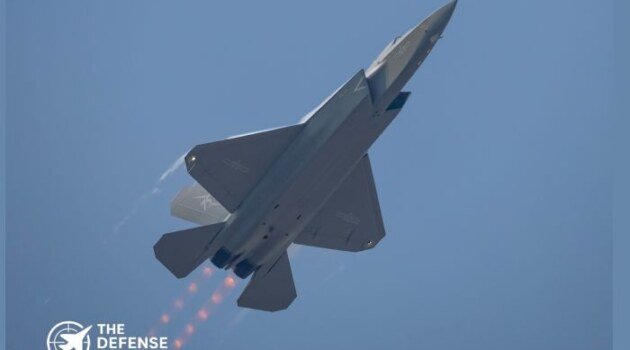
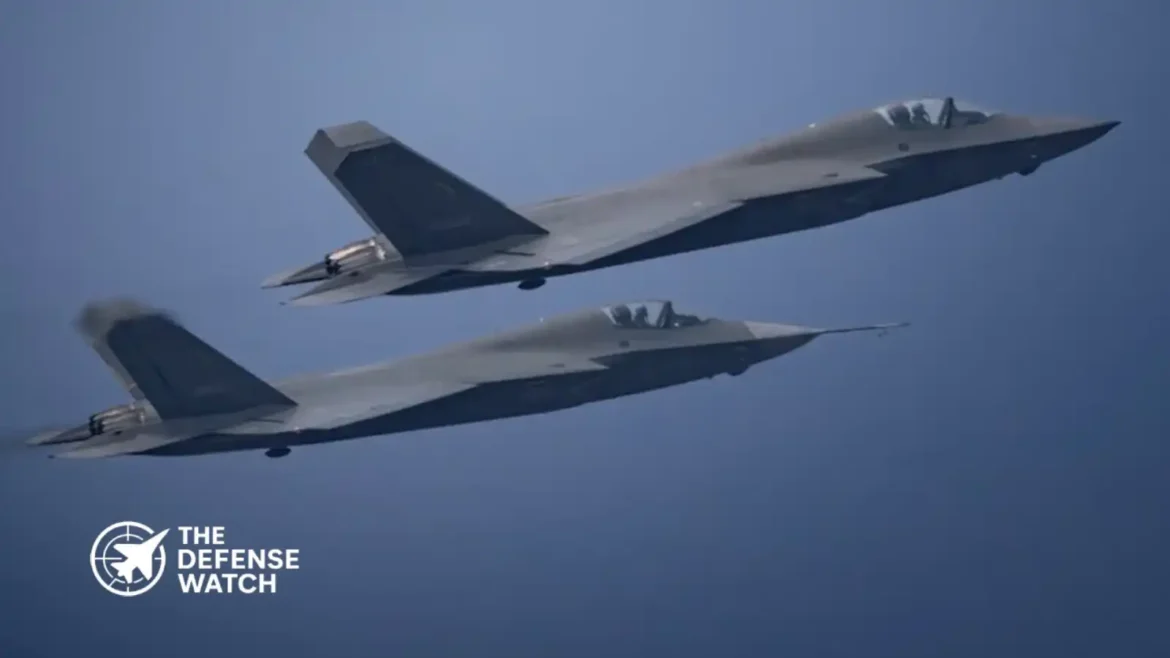
The J-35 stealth fighter has appeared in recent imagery with an unusually bright, mirror-like surface, prompting renewed interest in China’s efforts to develop and sustain low-observable aircraft. The photographs, which circulated during August 2026, show a carrier-based J-35 with a finish that appears significantly more reflective than the subdued gray surfaces normally associated with stealth aircraft.
Takeaways
New imagery highlights an unusual surface treatment on China’s carrier-based stealth fighter
1. Unusual Reflective Surface
Recent photographs appear to show a highly reflective, silver-like surface across portions of a Chinese J-35 carrier-based fighter.
2. Purpose Remains Unconfirmed
Chinese authorities have not publicly identified the material or confirmed that the finish represents a new radar-absorbing or infrared-signature technology.
3. U.S. Test Aircraft Provide A Comparison
Similar mirror-like treatments have previously been observed on U.S. F-22A Raptor and F-35C Lightning II test aircraft, although the objectives of those treatments have not been publicly established.
4. J-35 Is Already A Carrier-Based Stealth Platform
The J-35 has conducted catapult launches and arrested landings aboard China’s Fujian aircraft carrier, demonstrating its integration with the ship’s electromagnetic launch system.
5. Appearance Alone Cannot Prove Stealth Performance
Visible reflectivity does not establish radar cross-section reduction or improved infrared concealment. The material’s electromagnetic and thermal properties would require testing to determine its actual purpose.
The appearance has attracted particular attention because U.S. Air Force F-22A Raptor and U.S. Navy F-35C Lightning II aircraft have previously been photographed with experimental mirror-like treatments. Those American examples were associated with flight-test activity, but their precise purposes have not been publicly disclosed.
For the J-35, however, there is currently no public Chinese statement identifying the material or confirming that it represents a new stealth coating.
What The New J-35 Imagery Shows
Photographs circulating since mid-August appear to show a J-35 with a strongly reflective surface across parts of its fuselage, wings and tail. The aircraft can appear almost metallic when viewed under direct sunlight.
That visual effect is notable, but it should not be treated as proof of a new low-observable technology.
Several factors can affect how an aircraft surface appears in photographs. Sun angle, viewing geometry, camera exposure, image processing and compression can all increase apparent reflectivity. The surface could also represent an experimental treatment, protective film, revised topcoat, manufacturing-stage finish or another temporary application.
The distinction matters because visible appearance and radar signature are not the same thing.
A Mirror-Like Finish Does Not Automatically Mean Better Stealth
The effectiveness of a stealth aircraft depends on far more than what its surface looks like to the human eye.
Radar signature is affected by aircraft geometry, surface continuity, material properties, panel joints, access doors, antennas, sensor apertures and the electromagnetic behavior of coatings. A surface that looks reflective in visible light can interact with electromagnetic energy differently at radar frequencies.
The U.S. Air Force has described the F-22’s low-observable system as a multilayered coating system that requires continuous inspection and maintenance. The service has also noted that low-observable coatings are an important part of maintaining the aircraft’s stealth characteristics.
This provides useful context for interpreting the J-35 photographs. A visible change in the outer surface does not necessarily indicate that the aircraft has received a completely new stealth architecture.
Why The F-22 And F-35C Comparison Matters
The comparison with American aircraft comes from several earlier U.S. test aircraft.
In 2021 and afterward, F-22 Raptors were photographed with highly reflective, chrome-like surface treatments. Similar treatments were later observed on F-35C aircraft operated by the U.S. Navy’s VX-9 test squadron. The F-35C examples displayed distinctive geometric panels across portions of the aircraft.
The Aviationist reported that these treatments were applied around, rather than indiscriminately across, areas such as access panels, weapon bays, sensors and antennas. The exact purpose has not been officially confirmed. Various possibilities have been discussed publicly, including research into infrared signatures and other aspects of signature management.
That history makes the new J-35 imagery worth monitoring, but it does not demonstrate that China is using the same materials or pursuing the same test objectives.
J-35 Already Has A Major Naval Role
The reflective finish is appearing at an important stage in the development of China’s carrier aviation.
China has already demonstrated J-35 operations from the Fujian aircraft carrier. In September 2025, Chinese authorities reported that the J-35, J-15T and KJ-600 had conducted electromagnetic catapult launches and arrested recoveries from the carrier. The Fujian was subsequently commissioned in November 2025.
Janes has also reported that the J-35 has become part of the emerging air wing associated with the Fujian, alongside the J-15T and KJ-600.
That carrier environment creates a particularly demanding materials problem.
A naval stealth fighter must operate in salt-laden air, humidity, ultraviolet exposure and repeated cycles of launch, recovery, maintenance and flight. Surface treatments must also tolerate servicing and environmental stresses without creating excessive maintenance requirements.
For that reason, if the reflective J-35 finish is an experimental material, its long-term durability could be as important as its signature characteristics.
What Analysts Should Watch Next
The most useful evidence will come from repeated observations rather than a single photograph.
If the same treatment appears on multiple J-35 aircraft, particularly with consistent panel shapes and carefully defined areas around sensors, antennas and access points, that would provide stronger evidence of a deliberate engineering program.
Further evidence could also come from photographs after extended flight operations. Wear, peeling, repairs or changes in the treatment could reveal whether the surface is a temporary test application or a more durable material system.
Carrier operations would be particularly informative. Repeated catapult launches, arrested landings and maritime deployments would provide a much better indication of whether the treatment is intended for operational use.
The Larger Stealth Competition
The J-35 development reflects China’s broader effort to expand fifth-generation airpower and carrier aviation. The aircraft is designed around a low-observable configuration and is now associated with China’s increasingly capable carrier force. Chinese official reporting has highlighted its carrier integration and electromagnetic catapult compatibility.
For the United States, the development is relevant because carrier-based stealth aircraft are central to future operations in heavily defended environments. The U.S. Navy’s F-35C provides a mature example of a carrier-capable fifth-generation fighter, while the J-35 represents China’s effort to field a comparable category of naval combat aircraft.
The new reflective finish therefore deserves attention, but it should be viewed as an observation rather than a confirmed technological breakthrough.
At present, the strongest conclusion is straightforward: the J-35 has been photographed with an unusual mirror-like surface, but there is insufficient evidence to determine exactly what the treatment is designed to accomplish.
That distinction is important. The aircraft’s visible appearance can generate useful questions about Chinese signature-management research, but only additional imagery, official disclosures or technical testing can establish whether the treatment changes radar, infrared or other observable signatures.

Executive Summary:
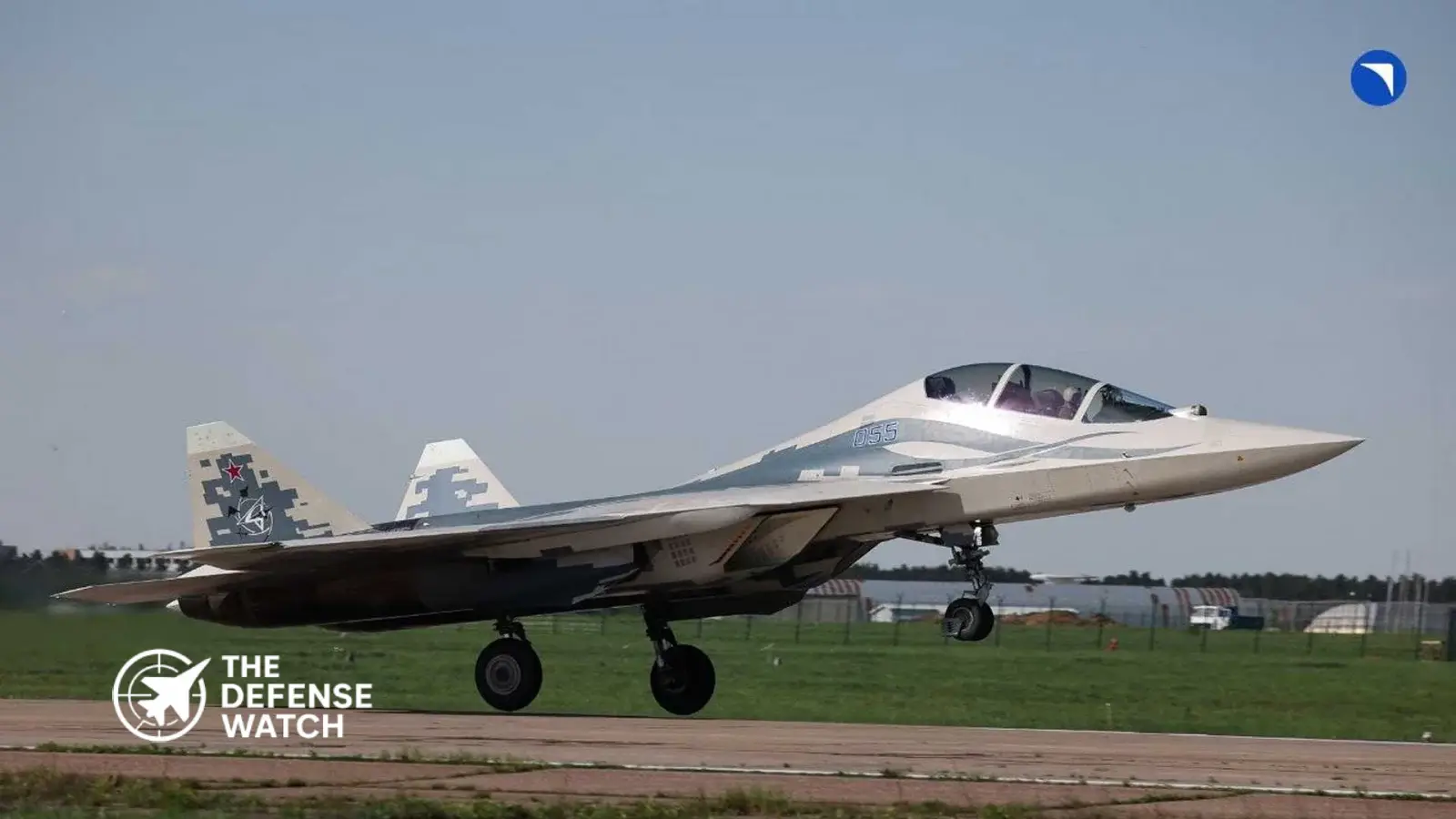
Russia has revealed the Su-57D, a new twin-seat variant of its Su-57 stealth fighter reportedly designed to coordinate unmanned combat aerial systems during future operations. The development reflects Moscow’s increasing focus on manned-unmanned teaming, long-range strike coordination, and next-generation aerial warfare concepts.
Su-57D Twin-Seat Stealth Fighter Marks New Phase In Russian Air Combat Development
The Su-57D twin-seat stealth fighter represents a significant evolution of Russia’s fifth-generation combat aircraft program. The aircraft completed its first flight and is expected to support future drone coordination missions alongside traditional fighter operations.
The new configuration introduces a second cockpit seat to the existing Su-57 platform, a move that could improve mission management during complex operations involving multiple unmanned aerial systems. Russian defense planners have increasingly emphasized manned-unmanned teaming as modern air warfare shifts toward networked combat environments.
The Su-57D appears intended to support that transition.
Russia Expands Focus On Drone-Controlled Air Operations
Russian military modernization efforts have accelerated since the widespread operational use of drones in conflicts across Eastern Europe and the Middle East. Combat experience has demonstrated the growing importance of unmanned systems for reconnaissance, electronic warfare, strike coordination, and decoy missions.
The Su-57D twin-seat stealth fighter may serve as a command-and-control platform capable of directing loyal wingman drones or coordinating multiple unmanned aircraft during combat missions.
Russian state defense industry officials have previously discussed integrating advanced artificial intelligence, sensor fusion, and unmanned teaming technologies into future tactical aviation programs. The addition of a second crew member aligns with approaches already explored by other major aerospace powers.
The United States, for example, is advancing Collaborative Combat Aircraft programs designed to operate alongside crewed fighters such as the F-35 Lightning II and F-22 Raptor.
China has also increased investment in manned-unmanned teaming concepts tied to next-generation air dominance initiatives.
Twin-Seat Design Could Improve Mission Coordination
The original Su-57 was designed primarily as a single-seat stealth multirole fighter focused on air superiority and strike operations. Adding a second operator may reduce pilot workload during missions involving large amounts of sensor data and drone coordination tasks.
Modern combat aircraft increasingly function as airborne command nodes rather than traditional standalone fighters. In these environments, pilots must manage radar systems, electronic warfare suites, targeting data, communication networks, and unmanned assets simultaneously.
A dedicated weapons systems officer or mission operator can improve operational effectiveness during high-intensity engagements.
The Su-57D twin-seat stealth fighter could therefore provide Russia with a platform optimized for future distributed air operations.
While Russian officials have not released full technical details, analysts expect the aircraft to retain many of the baseline Su-57’s characteristics, including low observable shaping, supercruise capability, and advanced avionics.
Su-57 Program Continues Amid Production Challenges
The broader Su-57 program has faced delays and production limitations since its inception. Russia originally intended the aircraft to compete directly with Western fifth-generation fighters, but serial production has progressed more slowly than anticipated.
Sanctions, supply chain restrictions, and the operational demands of the war in Ukraine have complicated procurement timelines for multiple Russian aerospace programs.
Despite these constraints, Moscow continues investing in advanced combat aviation technologies viewed as strategically important for long-term force modernization.
The unveiling of the Su-57D suggests Russia remains committed to evolving the platform beyond its original air superiority role.
Russian industry has also promoted the aircraft for export, although international sales remain limited compared to competing Western and Chinese systems.
Manned-Unmanned Teaming Becoming Central To Air Warfare
The development of the Su-57D reflects a broader global trend reshaping military aviation doctrine. Air forces increasingly see unmanned systems as force multipliers capable of extending operational reach while reducing risks to human pilots.
Future combat aircraft are expected to operate within interconnected ecosystems that combine crewed fighters, autonomous drones, electronic warfare assets, and space-based intelligence systems.
In this environment, stealth fighters may function as tactical commanders directing distributed networks of unmanned platforms.
The Su-57D twin-seat stealth fighter appears designed with that operational model in mind.
Its emergence also highlights how rapidly drone warfare lessons are influencing next-generation aerospace development worldwide.
Strategic Implications For Regional Air Power
Russia’s continued investment in advanced tactical aviation comes as NATO members expand their own fifth-generation fleets and drone integration programs. European states are also accelerating sixth-generation fighter initiatives, including multinational future combat air system projects.
The Su-57D could help Russia maintain relevance in future air combat competition by improving interoperability between crewed and unmanned systems.
However, questions remain regarding production scale, operational readiness, and the maturity of supporting drone technologies tied to the aircraft.
Without large-scale deployment of advanced loyal wingman drones, the Su-57D’s full operational concept may remain limited in the near term.
Still, the program signals an important doctrinal shift within Russian aerospace strategy.
Executive Summary:
Pakistan’s planned acquisition of China’s J-35AE stealth fighter marks a major shift in regional airpower dynamics. Analysts warn the platform could compress decision timelines in a crisis with India, increasing escalation risks.
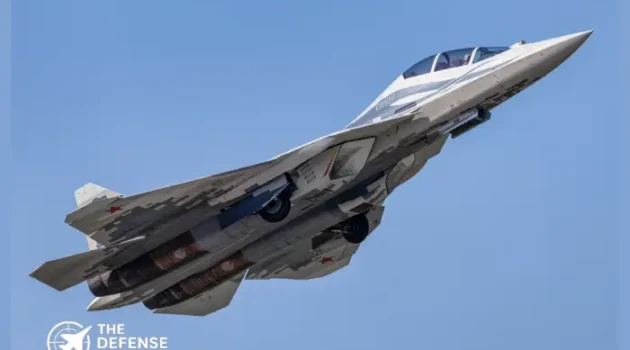
The Pakistan J-35AE stealth fighter program is emerging as a pivotal development in South Asia’s evolving military balance, with potential implications for nuclear stability between Pakistan and India. As Islamabad moves toward acquiring China’s export-oriented fifth-generation fighter, defense analysts are raising concerns about how advanced stealth capabilities could alter crisis dynamics in a region already marked by high tensions.
Recent reporting highlights that the aircraft’s introduction may not only enhance Pakistan’s air combat capabilities but also increase the speed and ambiguity of military engagements, factors closely linked to escalation risks in nuclear-armed rivalries.
China’s J-35AE: A Fifth-Generation Export Platform
The J-35AE is widely understood to be the export variant of China’s FC-31 stealth fighter, developed for international customers seeking fifth-generation capabilities without access to Western platforms like the F-35.
Key features expected in the Pakistan J-35AE stealth fighter include:
- Low observable stealth design for reduced radar signature
- Advanced avionics and sensor fusion
- Beyond-visual-range (BVR) air-to-air combat capability
- Network-centric warfare integration
While official specifications remain limited, defense analysts assess that the aircraft is designed to compete with modern Western and Russian fighters in contested environments.
For Pakistan, the platform represents a potential leap beyond its current fleet, which includes F-16s and JF-17 variants.
Strategic Implications For South Asia
The introduction of the Pakistan J-35AE stealth fighter could significantly impact the regional balance of power, particularly in relation to India’s air force modernization efforts.
India is currently advancing multiple programs, including:
- Rafale multirole fighters
- Indigenous Advanced Medium Combat Aircraft (AMCA) development
- Upgrades to Su-30MKI fleet
The addition of a stealth fighter to Pakistan’s inventory may narrow qualitative gaps in certain operational scenarios, particularly in contested airspace where radar evasion is critical.
More importantly, stealth platforms can complicate early warning systems. Reduced detection times can lead to compressed decision-making windows during crises, increasing the likelihood of miscalculation.
Nuclear Escalation Risks And Crisis Stability
One of the most significant concerns tied to the Pakistan J-35AE stealth fighter is its potential impact on nuclear escalation dynamics.
South Asia operates under a fragile deterrence framework, where both India and Pakistan maintain nuclear arsenals and delivery systems. Stability often depends on:
- Clear signaling
- Predictable force postures
- Sufficient warning time
Stealth aircraft challenge these assumptions by introducing ambiguity. In a crisis, the inability to detect or track incoming aircraft could lead to worst-case scenario planning.
Analysts note several escalation risks:
- Misinterpretation of conventional strikes as nuclear delivery attempts
- Reduced confidence in air defense systems
- Pressure for rapid retaliation
These dynamics could shorten the decision cycle for political and military leaders, increasing the chance of escalation beyond conventional conflict.
Operational Advantages And Limitations
From an operational standpoint, the Pakistan J-35AE stealth fighter would offer clear advantages:
- Enhanced survivability in contested airspace
- Improved strike capability against high-value targets
- Greater flexibility in offensive and defensive missions
However, several limitations remain:
- Integration challenges with existing command and control systems
- Training and maintenance requirements for advanced stealth platforms
- Dependence on Chinese logistics and support infrastructure
Additionally, stealth effectiveness depends on tactics, electronic warfare support, and pilot proficiency, not just aircraft design.
China’s Expanding Defense Exports Strategy
The J-35AE also reflects China’s broader push to expand its presence in the global defense market. By offering a fifth-generation fighter for export, Beijing is positioning itself as an alternative to Western suppliers.
Pakistan is a key partner in this strategy, with longstanding cooperation in:
- Joint fighter development (JF-17 program)
- Air defense systems
- Military technology transfer
The Pakistan J-35AE stealth fighter deal would deepen this relationship and reinforce China’s role as Islamabad’s primary defense partner.
Regional And Global Reactions
While official responses remain limited, the development is likely to draw attention from:
- India, which may accelerate its own stealth fighter programs
- The United States, given its strategic interests in the Indo-Pacific
- Regional actors monitoring shifts in military balance
The introduction of stealth technology into South Asia’s already complex security environment underscores the need for confidence-building measures and crisis management mechanisms.
Analysis: A Shift In Airpower And Deterrence
At its core, the Pakistan J-35AE stealth fighter program represents more than a procurement decision. It signals a shift toward next-generation warfare capabilities in a region where technological parity has often influenced strategic stability.
The key issue is not just capability, but perception. In nuclear-armed rivalries, uncertainty can be as destabilizing as actual military imbalance.
If stealth platforms reduce transparency in military operations, they may weaken existing deterrence frameworks that rely on visibility and predictability.
This raises broader questions:
- Can existing confidence-building measures adapt to stealth-era warfare?
- Will both sides invest in counter-stealth technologies?
- How will crisis communication evolve under reduced situational awareness?
These factors will shape the long-term impact of the Pakistan J-35AE stealth fighter on regional security.
Conclusion
The planned introduction of the Pakistan J-35AE stealth fighter marks a significant milestone in South Asia’s military evolution. While the platform promises enhanced operational capability for Pakistan, it also introduces new complexities into an already sensitive strategic environment.
As both Pakistan and India continue to modernize their forces, the balance between deterrence and escalation will depend increasingly on how advanced technologies are integrated into doctrine, communication, and crisis management frameworks.

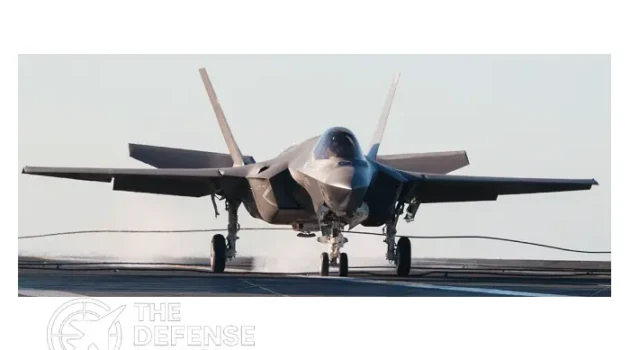
Northrop Grumman Delivers 1,500th F 35 Center Fuselage
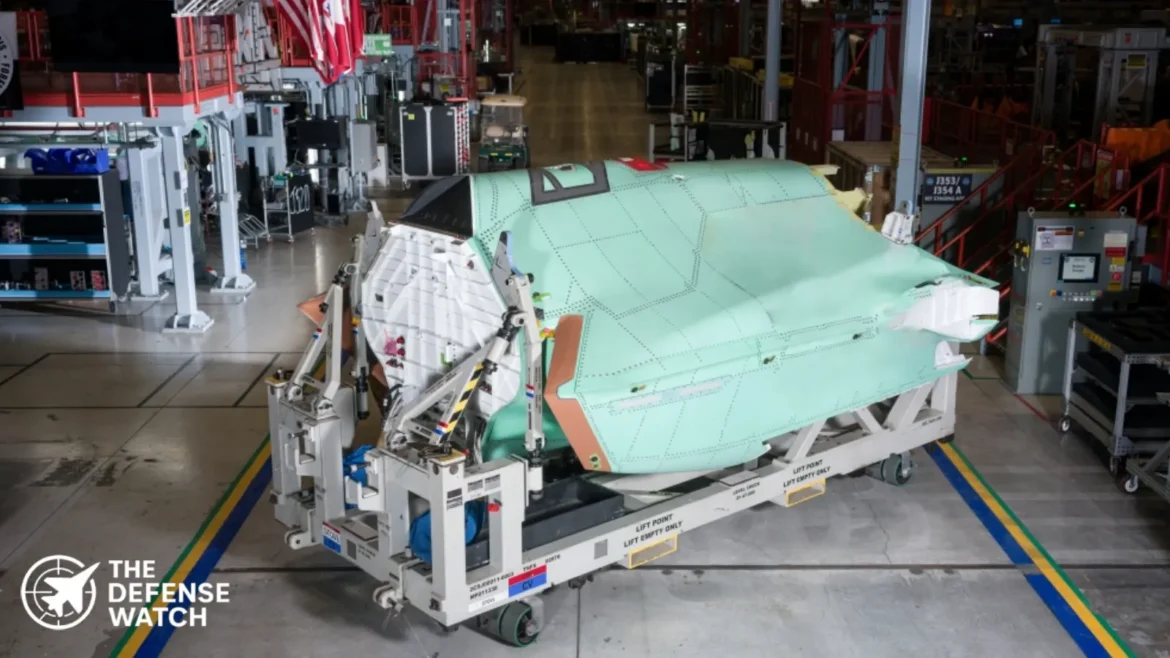
Northrop Grumman has delivered its 1,500th F 35 center fuselage, marking a major production milestone for the F 35 Lightning II program and the broader U.S. and allied fighter fleet.
The center fuselage is a critical structural section of the aircraft, integrating the cockpit, weapons bays, and key avionics. Northrop Grumman produces the component at its Integrated Assembly Line in Palmdale, California, before shipping it to Lockheed Martin for final aircraft assembly.
According to the company, the delivery reflects more than a decade of continuous manufacturing in support of the Joint Strike Fighter program. The F 35 center fuselage is common across all three variants of the aircraft, including the conventional takeoff F 35A, the short takeoff and vertical landing F 35B, and the carrier based F 35C.
Northrop Grumman stated that its role in the F 35 program extends beyond fuselage production. The company also provides the AN APG 81 active electronically scanned array radar, communications subsystems, and mission systems integration support. These components are central to the aircraft’s stealth, sensor fusion, and multi domain capabilities.
The F 35 program remains the largest fighter aircraft program in the world, with more than 1,000 aircraft delivered globally and operators across the U.S. military and allied air forces. Sustained delivery of the F 35 center fuselage supports ongoing production lots and long term fleet growth.
Industry officials have consistently highlighted the importance of production stability and supply chain resilience as the program transitions toward sustainment and modernization. The 1,500th fuselage delivery underscores the maturity of the industrial base supporting the F 35.

Finland F-35A Delivery Begins
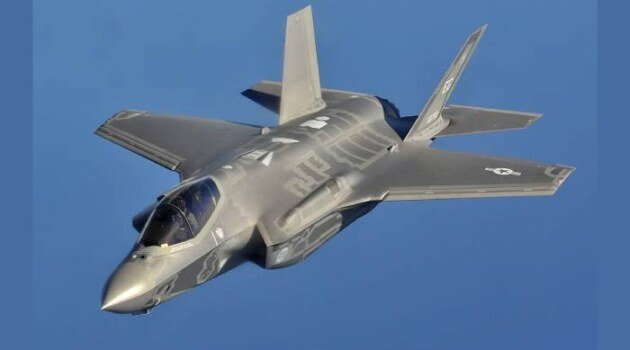
Finland F-35A delivery has officially begun with the handover of the first F-35A fighter jet to the Finnish Air Force. The aircraft was delivered from Lockheed Martin’s production line in the United States, marking a major milestone in Finland’s long-term air combat modernization program.
(adsbygoogle = window.adsbygoogle || []).push({});The delivery follows Finland’s 2021 decision to select the F-35A as the replacement for its aging F-18 Hornet fleet. The program represents the largest defense procurement in Finnish history and a central pillar of the country’s future air defense posture.
Strengthening Finnish Air Power
The Finnish Air Force plans to acquire a total of 64 F-35A aircraft under the HX Fighter Program. The fleet will gradually replace F-18 Hornets, which are scheduled to retire by the early 2030s.
According to the Finnish Ministry of Defense, the F-35A was selected for its ability to operate in contested airspace, its advanced sensors, and its ability to integrate with allied forces. The aircraft’s stealth design and data-sharing capabilities are expected to significantly enhance Finland’s situational awareness and deterrence capability.
NATO Interoperability and Regional Security
Finland’s F-35A delivery also strengthens interoperability with NATO allies. Several NATO members, including the United States, Norway, Denmark, and the Netherlands, already operate or are transitioning to the F-35 platform.
Defense officials have highlighted that shared aircraft types simplify joint training, logistics, and operational planning. This is particularly relevant for Finland following its accession to NATO, as the country focuses on collective defense in Northern Europe.
Training and Operational Timeline
Initial aircraft will be used primarily for pilot training and system familiarization. Finnish pilots and maintainers have already been training in the United States as part of the program.
Operational deployment in Finland is expected later in the decade as additional aircraft are delivered and supporting infrastructure is completed. The Finnish Air Force has stated that the F-35A will be tailored to operate from dispersed bases, a core element of Finland’s air defense doctrine.
Program Cost and Industrial Participation
The F-35A acquisition is valued at approximately 8.4 billion euros, covering aircraft, weapons, training, and sustainment. Finnish industry is also involved in the program, with local companies participating in component manufacturing and long-term maintenance support.
Officials have emphasized that domestic industrial participation will help ensure fleet availability throughout the aircraft’s service life.
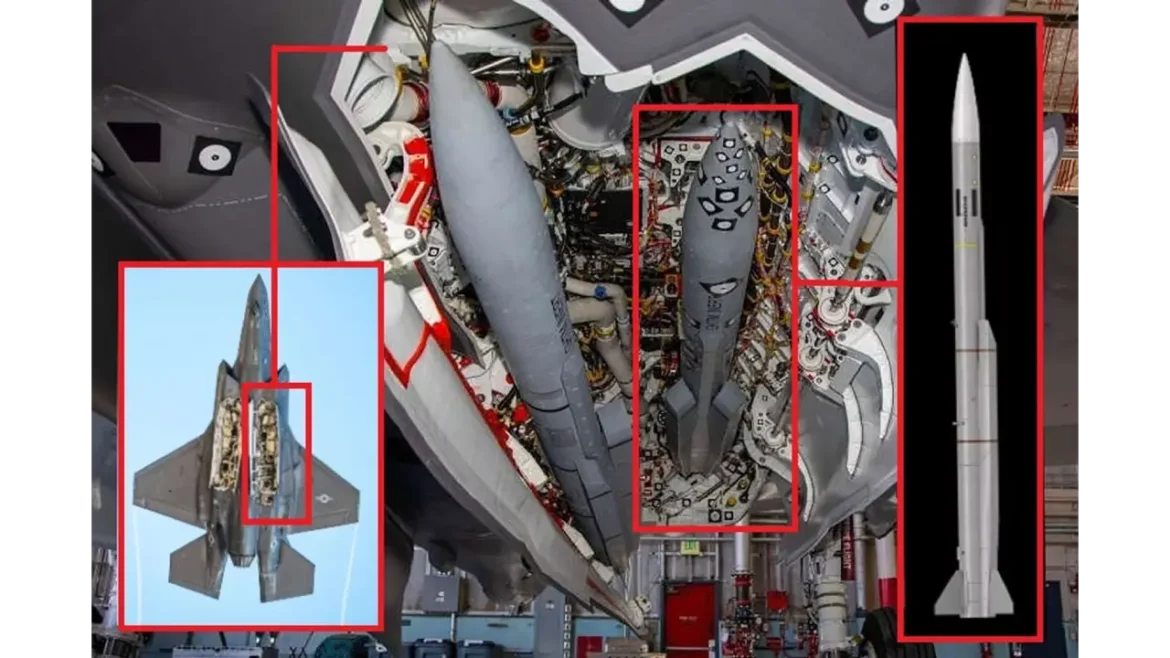
Officials from MBDA, Lockheed Martin and the F-35 Joint Program Office announced that the fifth-generation stealth fighter F-35A Lightning II has successfully passed a key series of ground-based integration tests with the long-range air-to-air missile MBDA Meteor. The trials were conducted at Edwards Air Force Base, California. The ground vibration testing and fit checks confirmed that Meteor can be securely carried and released from the F-35A’s internal weapons bay — preserving the aircraft’s stealth profile.
This achievement brings the F-35A and Meteor pairing a step closer to actual flight testing — with only one ground test remaining before airborne evaluations begin.
Why It Matters: Context for F-35 and Meteor
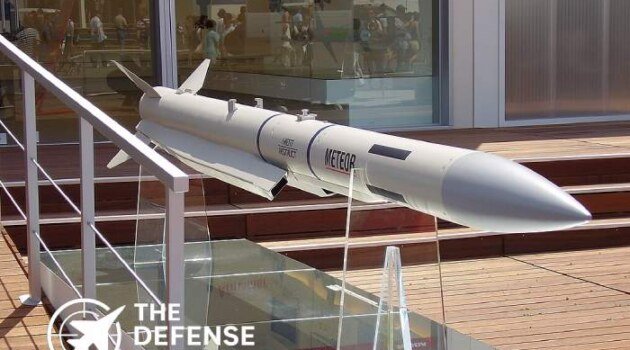
The MBDA Meteor missile is a ramjet-propelled beyond-visual-range air-to-air missile (BVRAAM) developed by a six-nation European consortium. It provides extended range, high endgame kinematics, and a “no-escape zone” that significantly improves interception probabilities compared with traditional boost-glide missiles.
Meteor is already operational on multiple European fighters (e.g., Eurofighter Typhoon, Saab Gripen, Dassault Rafale), and integrating it on F-35 significantly enhances the jet’s long-range air combat capability.
Earlier this year — on 28 February 2025 — a short-takeoff/vertical-landing (STOVL) variant, F-35B Lightning II, conducted the first test flights carrying an inert Meteor missile, flown by the U.S. Marine Corps out of Naval Air Station Patuxent River in Maryland. That exercise helped collect environmental and fit data as part of the broader effort to integrate the missile across F-35 variants.
For F-35A — a conventional takeoff and landing variant — integration has been sponsored by Italy, while the UK leads the F-35B campaign.
What the Ground Tests Showed
- Structural fit and clearance: Engineers verified that the Meteor missile can be safely housed within the F-35A’s internal weapons bay, ensuring no compromise to stealth features during carriage.
- Vibration and mechanical integrity: Through ground vibration testing, the structural and mechanical response of the missile-aircraft combination under various stress conditions was validated — a prerequisite for safe carriage and release under operational flight loads.
- Release mechanism verified: Fit checks confirmed that the missile launch rails, ejection clearance, and geometry are compatible with internal carriage and expected launch envelope.
According to the joint statement from MBDA and Lockheed Martin, only one more ground test remains before certification to begin flight trials with the Meteor on F-35A.
Meteor’s Capabilities: Why It’s Significant
Meteor’s ramjet propulsion allows the missile to maintain thrust throughout its flight — rather than relying solely on a quick boost phase followed by an unpowered glide (as with many traditional missiles). This ensures high speed, sustained energy, and superior maneuverability until intercept.
The missile uses inertial midcourse navigation updated via two-way data link, combined with an active radar seeker for terminal guidance. Dual fusing — proximity and impact — enhances lethality against manoeuvring aerial targets.
With these features, Meteor provides a “large no-escape zone,” making it far more difficult for potential adversaries to evade — a capability that aligns with modern air-to-air combat requirements of fifth-generation fighters.
What This Means for Operators: Strategic and Operational Impact
- Extended reach and lethality: Once operational, F-35As equipped with Meteor will gain a long-range BVR capability — enabling them to engage threats at greater standoff distances while leveraging their stealth to avoid detection.
- Interoperability between allies: With both UK (F-35B) and Italy (F-35A) spearheading integration, allied air forces operating F-35 may standardize on the Meteor missile, simplifying logistics and shared operations.
- Modernizing air force arsenals: For nations using European air-to-air munitions, integrating Meteor onto a widely fielded platform like F-35 enhances deterrence and parity against high-end threats.
What Comes Next: Flight Testing and Future Timeline
With ground integration tests now complete — save for one final ground test — the next phase is to begin flight tests of the Meteor missile on F-35A. These trials will validate safe separation, aerodynamics, release dynamics, and system performance under real-world flight conditions.
If successful, operational deployment could follow — allowing air forces operating F-35A to add Meteor as part of their combat loadout. The exact timeline remains unspecified.
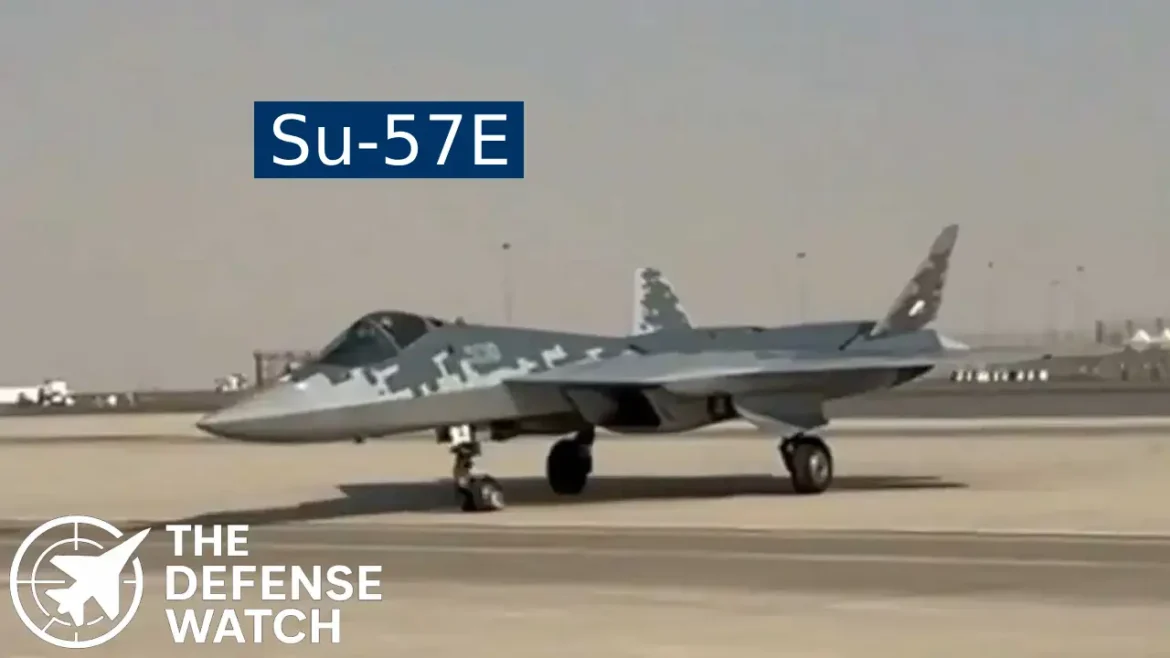
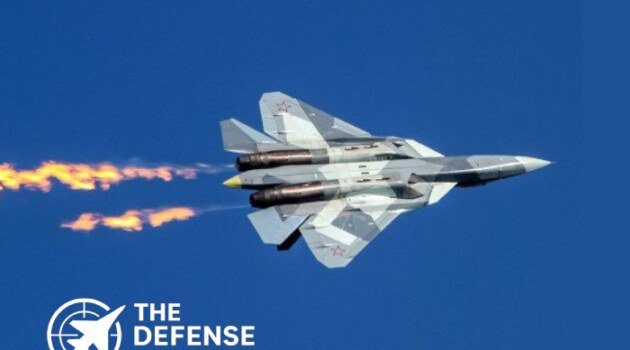
Russia Puts Su-57E on Display in Dubai
At the Dubai Airshow 2025, Russia publicly displayed its Su-57E, the export variant of the Su-57 fifth-generation fighter, for the first time in the Middle East. According to Russian defense authorities, the aircraft performed both static demonstration and flight displays — including high-angle-of-attack maneuvers, yaw rolls, and post-stall flight — to showcase its supermaneuverability and advanced thrust-vectoring capability.
Rosoboronexport and Sukhoi officials emphasized the Su-57E’s role as a multirole stealth platform suited for both air-to-air combat and strike missions.
What Makes the Su-57E Distinct
The Su-57E is tailored for export customers with certain cost optimizations, while retaining core performance traits: low observability, internal weapons bays, and a highly agile airframe.
Moscow has offered unprecedented technology transfer, including full access to the aircraft’s source code, allowing buyers to integrate their own avionics, mission computers, and weapons.
In a proposal to India, Russia has offered to produce the Su-57E locally at HAL’s Nashik facility, leveraging India’s ongoing Su-30MKI production lines.
India: A Key Target for Su-57E Sales
Russia’s outreach to India is especially ambitious. The offer includes:
- 20–30 Su-57E jets delivered off-the-shelf in the short term.
- Deep localization with 40–60% of the aircraft built in India.
- Full transfer of source code, enabling integration of Indian weapons such as the Astra air-to-air missile, Rudram anti-radiation missile, and Virupaksha AESA radar.
- Engine support: Russia has proposed supplying its AL-41F1S engine and, in the future, the newer Izdeliye-177S engine to India.
- An invitation for Indian Air Force test pilots to evaluate the Su-57E firsthand.
A recent technical assessment by a Russian delegation reportedly found that HAL already possesses around 50% of the capacity needed to produce Su-57 jets.
Export Track Record: Algeria First Customer
Algeria became the first confirmed export customer of the Su-57E, with deliveries expected in 2025. Reports suggest an initial batch of six aircraft, along with pilot training in Russia and support infrastructure.
Despite being offered at a lower price point than Western stealth fighters, the Su-57E has raised questions about sustainment, production scale, and long-term support — especially in the context of Russia’s strained defense-industrial base under sanctions.
Analysis: What This Means for U.S. Defense and Global Security
Challenging U.S. Dominance in Stealth Exports:
The Su-57E’s public debut in Dubai signals Russia’s renewed ambition to compete in the global fifth-generation market. Traditionally, stealth fighter exports have been dominated by U.S. aircraft such as the F-35. Offering source code access and deep technology transfer marks a departure from conventional Western export models, potentially appealing to countries that prioritize operational sovereignty.Strategic Implications in the Indo-Pacific:
Russia’s pitch to India reflects a long-term vision. If India accepts and co-produces the Su-57E, New Delhi could develop a homegrown stealth ecosystem, weakening U.S. leverage and shifting the regional defense balance. This comes amid India’s development of its own Advanced Medium Combat Aircraft (AMCA), and could act as an interim solution for India’s fifth-generation ambitions.Sustainment Risks and Geopolitical Constraints:
However, questions remain. Russia’s own Su-57 program has faced production delays, and sanctions could complicate parts supply and long-term maintenance for export customers. For Gulf buyers, embracing the Su-57E may offer cost-effective stealth, but it also ties them to a partner facing geopolitical and industrial headwinds. These aspects could limit broad adoption unless Russia proves it can reliably deliver and sustain the platform.Conclusion: Strategic Push and Watch for Buyers
Russia’s showcase of the Su-57E at the Dubai Airshow may mark a turning point in global stealth fighter exports. By combining attractive pricing, technology transfer, and export readiness, Moscow is staking out a position as a major competitor to traditional Western suppliers.
For buyers in the Middle East and Asia, the Su-57E represents a compelling, sovereign-rich path to fifth-generation combat capability. But the critical test ahead will be whether Russia can deliver on sustainment, production scale, and parts reliability under increasingly challenging geopolitical conditions.
As discussions deepen — especially with key potential buyers such as India — the Su-57E deal could reshape regional airpower dynamics and trigger a reassessment of long-term procurement strategies. For U.S. defense stakeholders, this underlines the need to sharpen competitive offerings and deepen alliances to counter Russia’s growing influence in the global stealth market.
U.S. Tests B61-12 Nuclear Bomb Using F-35A Stealth Jets
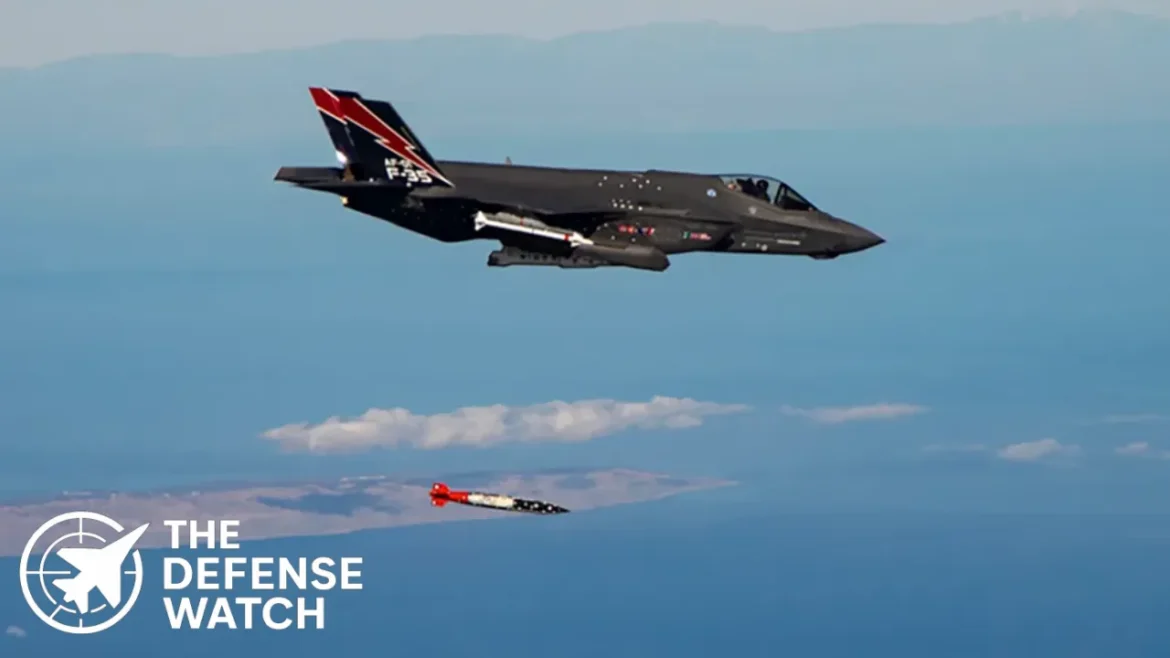
The United States recently carried out a successful test of the B61-12 tactical nuclear bomb using an F-35A stealth fighter, demonstrating both the aircraft’s and the weapon’s reliability. Conducted at a test site in Nevada from August 19 to 21, 2025, the trials involved dropping inert, non-nuclear versions of the B61-12 under controlled conditions, according to a statement by Sandia National Laboratories and the National Nuclear Security Administration (NNSA).
These tests mark a critical milestone in evaluating the B61-12’s operational performance. They also included the first-ever thermal preconditioning of a joint test assembly for carriage on the F-35A, validating the weapon’s environmental requirements in real-world conditions.
Enhancing Stockpile Longevity and Nuclear Readiness
The B61-12 program, completed in late 2024, extended the life of the U.S. nuclear aerial stockpile by 20 years. Sandia’s Jeffrey Boyd, surveillance lead for the B61-12 and B61-13 programs, emphasized that the recent flight tests represented “the most B61-12 flight testing surveillance scope in a year to date and the most in a given year for the foreseeable future.”
By successfully integrating the B61-12 with the F-35A, the U.S. Air Force now has a modern dual-capable platform that can deliver both conventional and nuclear payloads. This capability enhances NATO’s deterrence posture, particularly in Europe and the Indo-Pacific region.
F-35A: First Fifth-Generation Nuclear-Capable Fighter
The F-35A is the first fifth-generation aircraft to be certified for nuclear weapon carriage. Certification for the B61-12 was achieved on October 12, 2023, ahead of the planned NATO timeline, with formal authorization announced in March 2024. Unlike the F-22 Raptor, which focuses on air superiority, the F-35A was designed from the start to carry tactical nuclear weapons, making it a versatile deterrent platform.
Currently, the certification applies only to the conventional takeoff and landing version, the F-35A, and excludes the short takeoff/vertical landing F-35B or the carrier-based F-35C. With stealth and nuclear strike capabilities, the F-35A distinguishes itself from other fifth-generation fighters like China’s J-20 or Russia’s Su-57, neither of which is cleared for nuclear operations.
Strategic Implications
This successful test strengthens the U.S. nuclear triad by providing a credible, modernized air-delivered nuclear option. Analysts note that integrating the B61-12 with stealth aircraft like the F-35A enhances survivability and strike flexibility in contested environments. It also signals the U.S. commitment to maintaining tactical nuclear capabilities amidst evolving global security dynamics, particularly in Europe and the Indo-Pacific.
FAQs
A tactical thermonuclear gravity bomb designed for precision and low-yield options, part of the U.S. nuclear stockpile modernization.
The F-35A is the first fifth-generation fighter designed with nuclear strike capability, combining stealth, precision, and survivability.
No, currently only the F-35A conventional takeoff and landing variant is certified for nuclear operations.
It strengthens deterrence by modernizing the U.S. nuclear delivery capability, reassuring allies of reliable tactical strike options.
Europe’s GCAP 6th-Generation Fighter Faces Cost and Integration Challenges
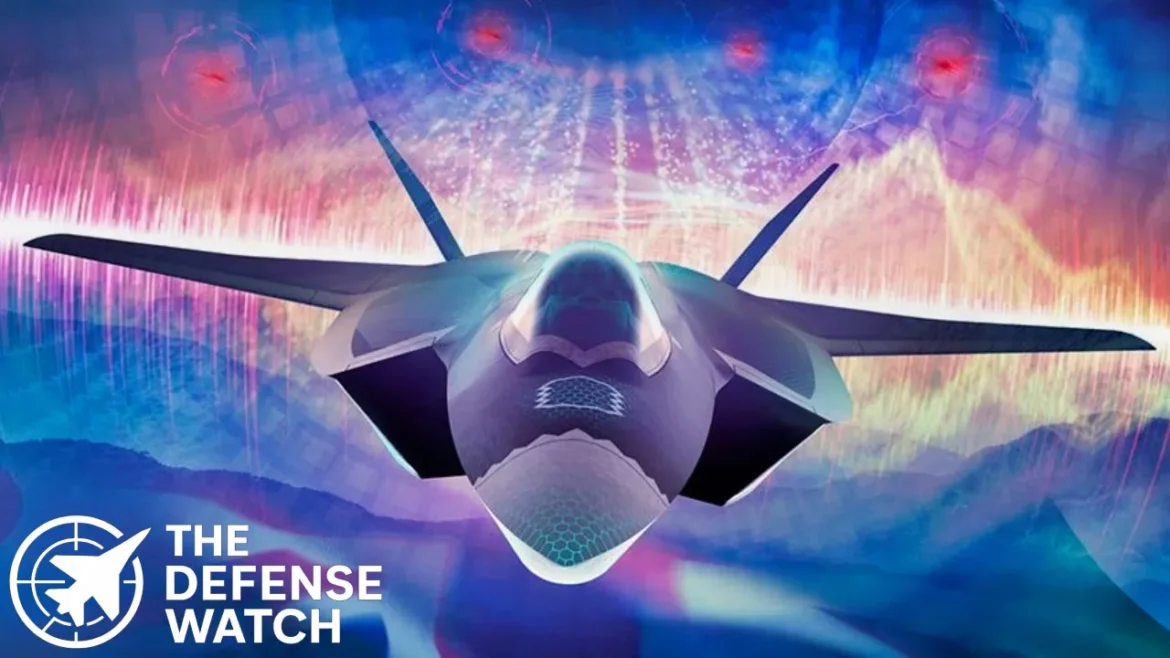
WARSAW, POLAND – The Global Combat Air Program (GCAP), a joint initiative between the United Kingdom, Japan, and Italy to develop a next-generation 6th-generation stealth fighter, is facing mounting concerns over affordability and integration of supporting unmanned systems. The program, which has been described as one of the most ambitious multinational fighter projects in recent history, is navigating complex technical and budgetary challenges as partner nations pursue unique requirements.
Background: Multinational Collaboration and Complexity
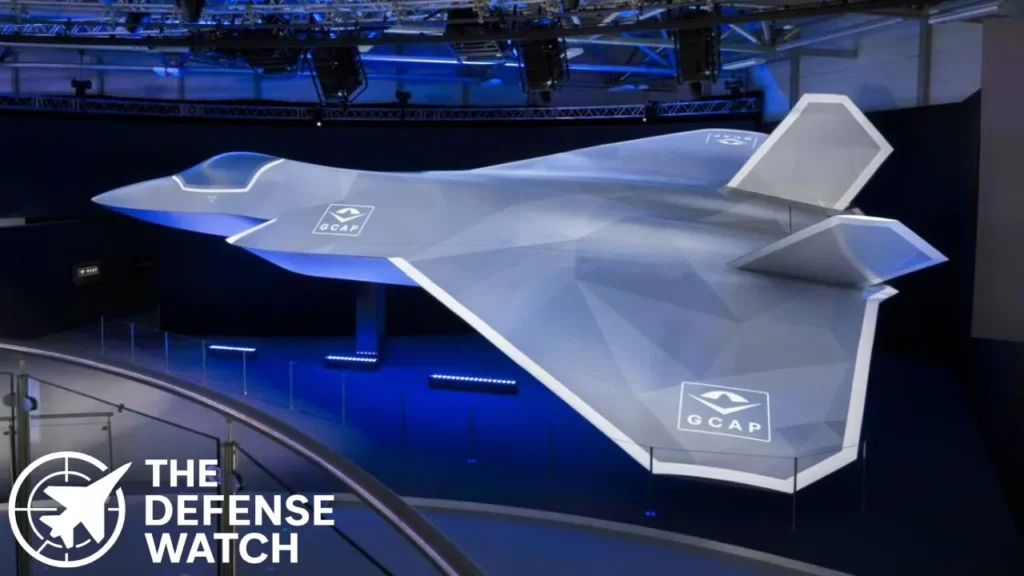
The GCAP program is designed to produce a common stealth fighter platform for multiple partner nations while allowing each country to develop its own “loyal wingman” drones, also known as Collaborative Combat Aircraft (CCAs). Japan’s Mitsubishi Heavy Industries (MHI) has unveiled concepts such as the ARMDC-20X missile-like drone and a high-performance tactical unmanned aerial vehicle, both intended to operate alongside manned GCAP fighters.
GCAP Sixth-Generation Stealth Fighter – Full Specifications
- Primary Effect / Kill Mechanism: Kinetic strike, air dominance, electronic warfare
- Operational Range / Engagement Envelope: ~1,500–2,000 km
- Autonomy / Guidance Level: Human-in-loop with AI decision support
- Power / Propulsion Type: Adaptive-cycle twin-engine turbine
The program’s multinational structure adds layers of complexity. While the core fighter design aims for consistency across the UK, Italy, and Japan, each nation’s unique drone systems must integrate seamlessly with the aircraft. This creates interoperability challenges that experts warn could significantly strain the program’s budget.
Integration and Budget Concerns
At a recent International Fighter Conference in Rome, Eurofighter CEO Jorge Tamarit-Degenhardt emphasized the risks of integrating multiple, disparate drone designs. “Can we develop CCA integration in different configurations in different countries? We cannot do everything at the same time. We don’t have infinite resources,” he said.

GCAP 6th Generation Fighter. RAF Group Captain Bill Sanders, the UK Ministry of Defense official overseeing the GCAP program, echoed concerns about cost-efficiency. Writing in the Journal of the Joint Airpower Competence Centre, Sanders highlighted the importance of balancing advanced capabilities with cost-effectiveness. He emphasized that the program must justify expenses while providing adaptable and multi-use capabilities across conflict scenarios.
Germany’s Potential Participation
Adding further complexity, Germany is reportedly considering withdrawing from the French-led SCAF program to join GCAP, either as a buyer or as a developer of CCAs. While German involvement could bring additional industrial expertise, it would also necessitate late-stage adjustments to the program, further complicating budget and schedule forecasts.
Weapons and Cost Management
Analysts note that maintaining affordability will require careful management of the GCAP’s weapons bay to accommodate both high-end and lower-cost munitions. Ensuring a favorable cost-per-kill ratio is seen as critical to maintaining the fighter’s relevance in extended conflicts, particularly as nations look for multi-role aircraft that deliver both strategic and tactical flexibility.
Looking Ahead
While GCAP remains a flagship European and Japanese effort to develop cutting-edge air combat capabilities, its long-term success will depend on navigating multinational integration, cost control, and the deployment of compatible drone systems. With key treaties and agreements still pending and partner nations balancing industrial and political priorities, the program’s trajectory will remain under close scrutiny.

In the early 1990s, the F‑117 Nighthawk represented a pioneering leap in stealth technology for tactical operations. Fast-forward two decades and the F‑22 Raptor entered service, heralding a new era of fifth-generation stealth fighters. This article examines how fighter jet stealth evolved from the F-117 to the F-22, highlighting design, capabilities and operational context. We’ll also provide expert analysis of how this evolution shapes future air-combat dynamics.
The F-117 Nighthawk – Birth of Operational Stealth
Development and Role
The F-117 Nighthawk, developed by Lockheed Skunk Works, entered service in 1983 and became the first operational U.S. stealth aircraft. Its mission was essentially one-dimensional: penetrate the densest enemy air defences, deliver precision strike ordnance and exit without detection.
While often called a “fighter”, its role was ground attack — it lacked air-superiority weapons such as air-to-air missiles, and no guns. The skunk-works design team employed a radically faceted geometry to deflect radar energy and early radar-absorbing materials (RAM) to reduce radar cross-section (RCS).
Limitations in Capability
Although revolutionary, the F-117 had several limitations:
- It was subsonic and aerodynamically compromised due to stealth-shaping.
- It carried a modest payload (typically two laser/GPS-guided bombs) and lacked internal sensor suites for air-to-air combat.
- Maintainability was high: stealth coatings required frequent upkeep and were sensitive to environmental conditions like rain.
- Its stealth advantage, while considerable at the time, began to erode as adversaries improved air-defence radars and passive detection. The notable shoot-down of an F-117 in 1999 over Serbia demonstrated vulnerabilities.
In short: the F-117 delivered a quantum jump in stealth, but it was a first-generation system with clear trade-offs.
The F-22 Raptor – Stealth Meets Air Superiority
Program and Design Evolution
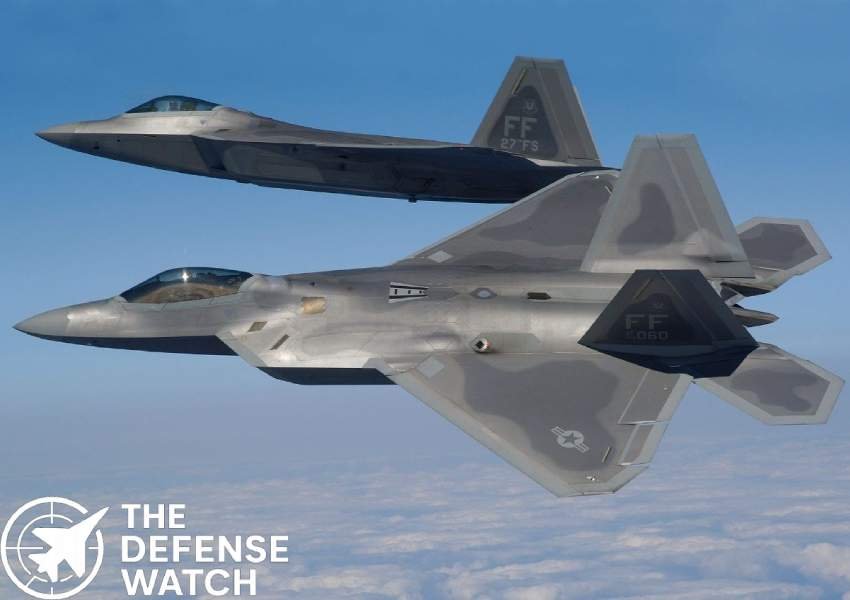
The F-22 Raptor emerged from the U.S. Air Force’s Advanced Tactical Fighter (ATF) programme and entered service in December 2005. It was designed not only for stealth but for air-superiority — meaning air-to-air and air-to-ground missions, with advanced sensors, high speed (including super-cruise capability) and full sixth-generation readiness features.
Where the F-117 was subsonic and focused on attack, the F-22 can super-cruise at Mach 1.6–1.7 without afterburner, even reaching near Mach 2 in afterburner. Its stealth measures include improved RAM coatings, internal weapon bays, optimized engine inlet/exhaust design, and much greater sensor and avionics integration.
Stealth & Survivability Advances
Compared to the F-117, the Raptor brought major stealth and survivability improvements:
- The aircraft uses smoother, blended wing-body shapes rather than faceted surfaces, reducing edge-wave scattering of radar energy.
- RAM coatings and their application were made more robust and less maintenance-intensive.
- Internal weapons carriage reduces external reflections.
- Avionics fusion, sensor networking and electronic warfare (EW) capability become integral to stealth operations, not just airframe shaping.
- The F-22 is capable of both air superiority and precision strike, merging roles long separated.
In short, the Raptor represents stealth matured into a fully-featured fighter-platform rather than a niche attack tool.
Key Differences: F-117 vs F-22
| Feature | F-117 Nighthawk | F-22 Raptor |
|---|---|---|
| Primary Role | Stealth attack aircraft (ground strike) | Air-superiority fighter with strike capability |
| Speed / Performance | Subsonic, optimized for stealth | Supersonic with super-cruise (Mach 1.6+) |
| Stealth Design | Faceted surfaces, early RAM | Blended surfaces, advanced RAM, internal bays |
| Payload / Weapons | Limited bombs, no air-to-air armament | Full internal weapon bays: AAMs, precision bombs |
| Sensor/Avionics Suite | Basic navigation/targeting only | Full sensor fusion, EW suite, datalink network |
| Maintainability | High upkeep required | Improved coatings and sustainment systems |
| Vulnerabilities | Shot-down in 1999, limited survivability | Far greater resilience against modern defences |
These differences reflect the leap from a specialized first-generation stealth platform to a full-featured fifth-generation fighter.
Why Stealth Evolved — Operational and Technological Drivers
Emerging Threat Environments
In the 1980s-90s the primary threat was radar-guided SAMs and fixed air-defence systems. The F-117 proved valuable in that era, especially during Gulf War. However, by the 2000s adversaries had deployed more advanced radars, integrated SAM networks, passive sensors and infrared search-and-track (IRST) systems. Stealth aircraft needed to evolve accordingly.
Broader Mission Demands
The nature of aerial combat changed: air superiority fighters needed stealth to penetrate enemy airspace, conduct air-to-air engagements and still strike ground targets. The F-22 addresses that need, whereas the F-117 was restricted in mission scope.
Technology Maturation
Advances in materials science (RAM), computational modelling (to optimise shapes and scattering), engine / inlet design, sensor and EW systems all matured significantly from the 1970s/80s to the 2000s. For example, the F-117 tested mirror-like coatings for IR signature reduction that later fed into F-22 developments.
Edge-treatment techniques, serpentine engine inlet ducts and more advanced RAM took hold.
These technological leaps enabled stealth aircraft to achieve greater mission flexibility and survivability.
What This Means for Airpower & Future Platforms
Multi-Domain and Networked Operations
Stealth is no longer just about shape and coating — it’s about sensor fusion, data links, EW capability and integration into a wider networked force. The F-22 exemplifies that shift. Future platforms (for example, the F‑35 Lightning II and sixth-generation systems) will further push these dimensions.
Stealth vs. Detection Arms-Race
As stealth improves, so do detection systems (e.g., low-frequency radars, passive tracking, IRST). The evolution from F-117 to F-22 is not a one-time leap — rather part of a continuous arms-race between stealth technology and counters. Analysts often note that the F-117’s limitations became more acute as adversaries adapted.
Sustaining Fleet Viability
The move from a specialist stealth bomber (F-117) to a multi-role stealth fighter (F-22) reflects shift in budget, doctrine and learnings from combat operations. The U.S. had to invest in sustainment, training, upgrades and tactics for stealth fleets. The future likely emphasises modularity, upgradeability and digital warfare integration rather than pure air-frame stealth alone.
Conclusion
From the first operational stealth aircraft in the F-117 Nighthawk to the fully networked, high-performance F-22 Raptor, stealth fighter technology has undergone a fundamental transformation. What began as a ground-strike specialist has evolved into a high-end air-superiority and strike platform. For defence planners, this evolution matters: future air-combat scenarios will demand platforms that combine stealth, speed, sensor fusion and adaptability. The F-22 stands on the shoulders of the F-117 — and the next generation will stand on the shoulders of the Raptor.
FAQs
The F-117 was designated as a fighter (“F”) largely for secrecy and programme classification. In practice its mission was strike operations and it lacked air-to-air armament.
It introduced operational use of faceted geometry, RAM coatings and signature-management tactics (night operations, specific routing) to reduce detection risk. It proved the concept of stealth in combat.
The F-22 uses blended wing-body shapes (versus faceted), improved RAM materials, internal carriage of weapons, super-cruise, sensor-fusion, full avionics integration and lower signatures (radar, IR).
While the F-117 proved foundational, its design limitations (subsonic speed, limited payload, no air-to-air capability, maintenance demands) made it less viable in modern contested air environments. The transition to platforms like the F-22 reflects that shift.
Future designs focus not only on invisibility to radar, but on emissions management, network integration, multi-role flexibility and digital warfare domains. Stealth remains vital but is just one pillar among many.