

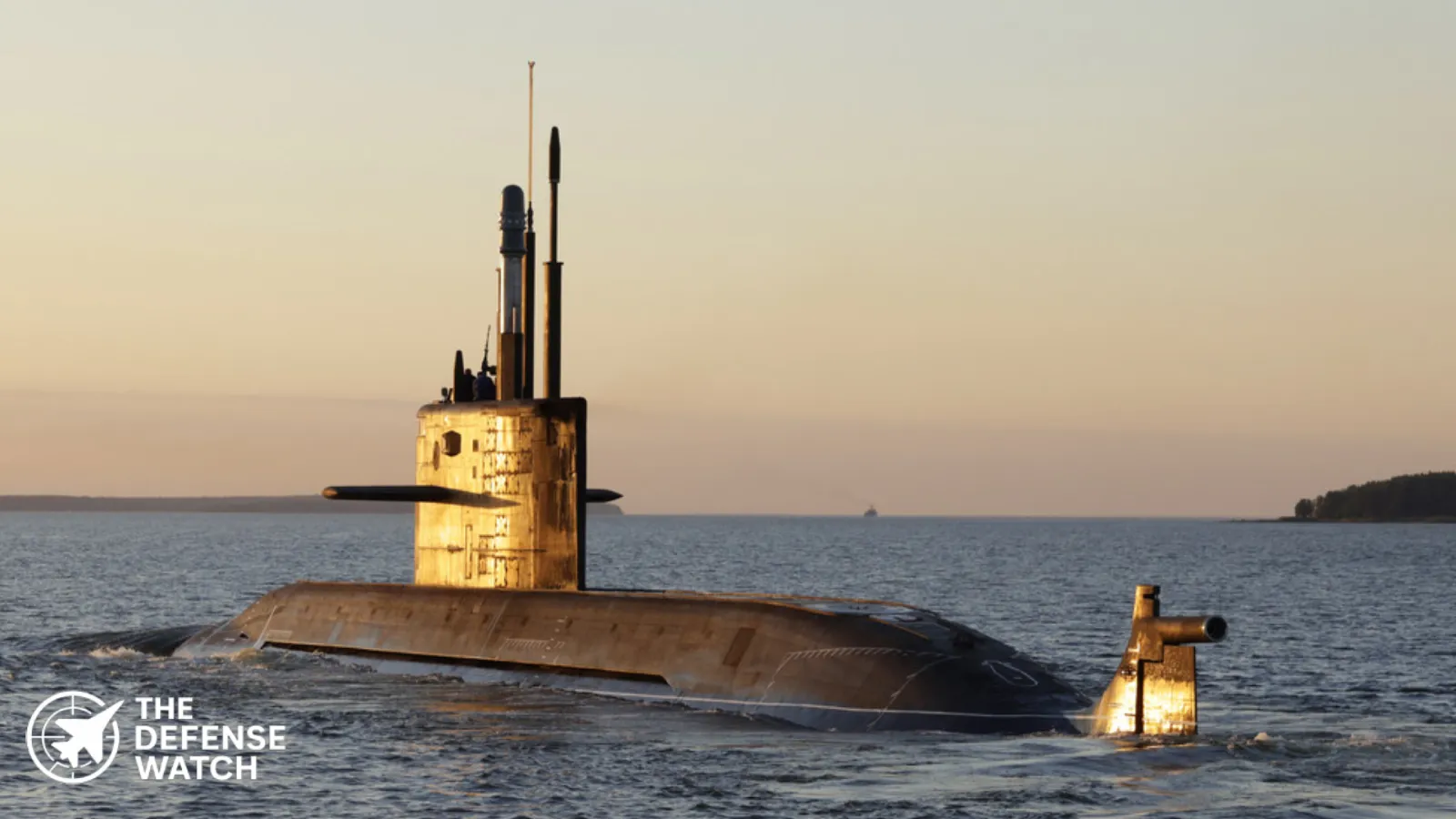
Russia Confirms New Lada-Class Submarines to Begin Construction in 2026
Russia’s Navy has announced plans to lay down two additional Project 677 Lada-class diesel-electric submarines in early 2026 at the Admiralty Shipyards in St. Petersburg, advancing the expansion of its non-nuclear submarine fleet. The confirmation came on December 16, 2025 from Russian Navy Chief Admiral Alexander Moiseyev following the flag-raising ceremony for the recently commissioned submarine Velikiye Luki.
The move signals a continued investment in the Lada-class submarine program, which has been central to Moscow’s effort to modernize its coastal and near-sea undersea forces in the decade since the design’s introduction.
Background on the Lada-Class Submarine Program
The Project 677 Lada-class submarines are a series of fourth-generation diesel-electric attack submarines developed by Russia’s Rubin Central Design Bureau. They were intended to replace older Soviet-era conventional boats with a quieter, more automated platform that could perform anti-surface, anti-submarine, reconnaissance, and sea-lane defense missions.
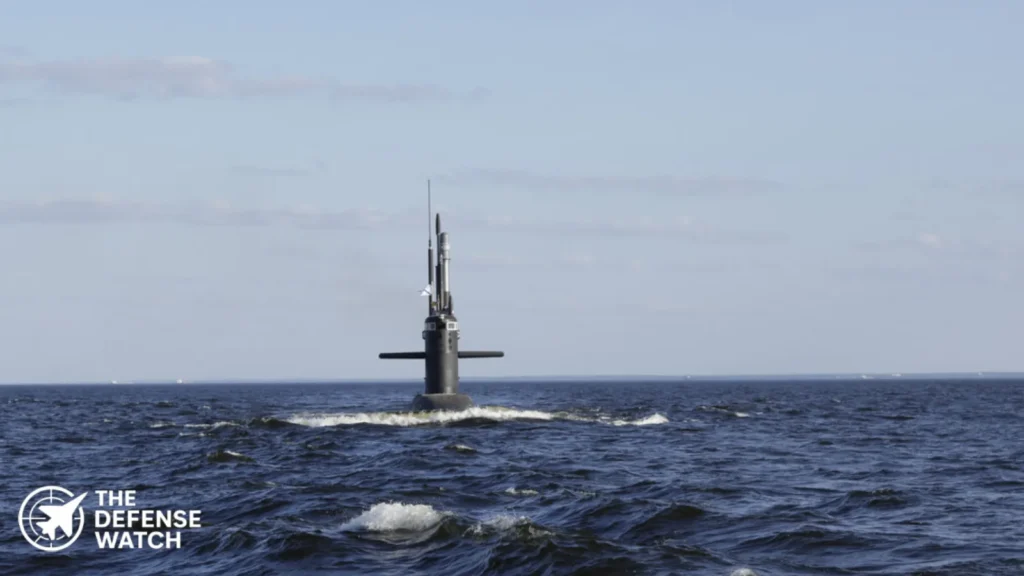
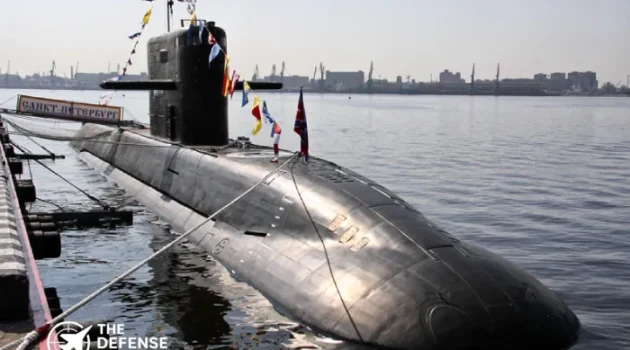
The program has been slow and uneven in development. The lead vessel, Sankt-Petersburg, faced significant technical challenges and was eventually retired. Kronstadt, the first serial production submarine, was commissioned in early 2024 after years of trials and delays. Velikiye Luki, the third boat, was formally delivered to the Russian Navy in December 2025.
What’s Planned for 2026
According to Moiseyev, the two new submarines will be laid down under the state defense order early in 2026 at St. Petersburg’s Admiralty Shipyards. These units are expected to join others under construction, including Vologda and Yaroslavl, as part of a broader effort to sustain a modern conventional undersea force.
Official statements from the Rubin Central Design Bureau indicate that the Lada-class design incorporates lessons from earlier boats in the series, with improvements in onboard systems and crew accommodations to meet current naval standards for non-nuclear submarines operating in littoral and near-sea environments.
Design, Capabilities, and Armament
Project 677 submarines are roughly 67–72 meters long with a submerged displacement of around 2,700 tons. They operate with a crew of about 35 and can remain at sea for up to 45 days without resupply. The submarines are designed for a maximum submerged speed of about 21 knots and can dive to depths near 300 meters.
While early plans included integrating an air-independent propulsion system to extend underwater endurance, this technology has been delayed and has not yet been fielded on operational boats. As of now, Lada-class units operate with improved diesel-electric propulsion and battery systems.
Armament centers on six 533 millimeter bow torpedo tubes that can fire heavyweight torpedoes, anti-ship cruise missiles, and Kalibr land-attack cruise missiles, giving the submarines a flexible strike and defense profile in regional waters.
Strategic Context and Naval Planning
Russia’s decision to expand production of the Lada-class submarine comes amid ongoing efforts to maintain a balanced undersea fleet. The Russian Navy continues to operate a mix of conventional submarines, including Project 636.3 Improved Kilo-class vessels, which remain numerous due to production delays and technical challenges with the Lada series.
The new Lada-class units are expected to operate in the Baltic and Northern Fleets, where their quieter profile and missile capability will support coastal defense and sea-control missions. The integration of Kalibr cruise missiles gives these submarines a precision-strike capability that extends beyond traditional patrol roles.
Technical and Industrial Notes
The Admiralty Shipyards, part of the United Shipbuilding Corporation, has been the primary builder of Project 677 submarines. The 2026 keel laying aligns with Russia’s plan to sustain serial production of these boats after years of delays.
Despite technical hurdles, including the absence of a fully operational AIP system, the Lada design is seen by Russian planners as an essential component of their conventional submarine strategy. Engineers continue to refine onboard systems and acoustic suppression to improve performance in the face of modern anti-submarine warfare threats.
What’s Next
With the 2026 construction schedule set, the Russian Navy will monitor progress of the new hulls as they take shape alongside existing units. Completion and commissioning timelines will shape the role of the Lada-class platform in future naval planning, particularly in contested littoral zones.
As Russia balances its undersea fleet between conventional and nuclear boats, the performance and deployment of these new submarines will bear on broader naval strategy and regional maritime security dynamics.

2 comments
[…] Programs like the Navy’s Talent Pipeline Program have recorded measurable growth in skilled labor placements and collaborations with employers, signaling a broader push to strengthen recruitment and retention across the maritime industrial base. […]
[…] despite international pressures and technical challenges that have plagued the ambitious indigenous submarine program since its […]