Executive Summary:
Tycho.AI has been awarded an 18-month, $2 million Tactical Funding Increase (TACFI) contract by the U.S. Air Force Research Laboratory (AFRL) to accelerate development of its Voyager autonomy stack under the TRIDENT program. The effort focuses on delivering robust multi-domain navigation and long-range ISR capabilities for overland and over-the-water operations in GPS-Denied, Degraded, Intermittent, and Limited (GPS-DDIL) environments.
This award, credited directly to AFRL contracting activity, builds directly on the company’s prior AFWERX SBIR Phase II work and SOFWERX efforts, targeting the critical “Valley of Death” transition from prototype to operational integration for tactical edge systems.
Deep Technical & Strategic Context Analysis
TACFI is a targeted AFWERX/AFRL mechanism designed to bridge SBIR/STTR Phase II prototypes to Phase III scaling and operational adoption. Unlike broader acquisition pathways, TACFI provides rapid, modest funding (typically $375K–$2M over up to 24 months) with matching requirements to de-risk and accelerate tactical capabilities that address immediate operational needs, minimizing bureaucratic delays common in traditional DoD procurement.
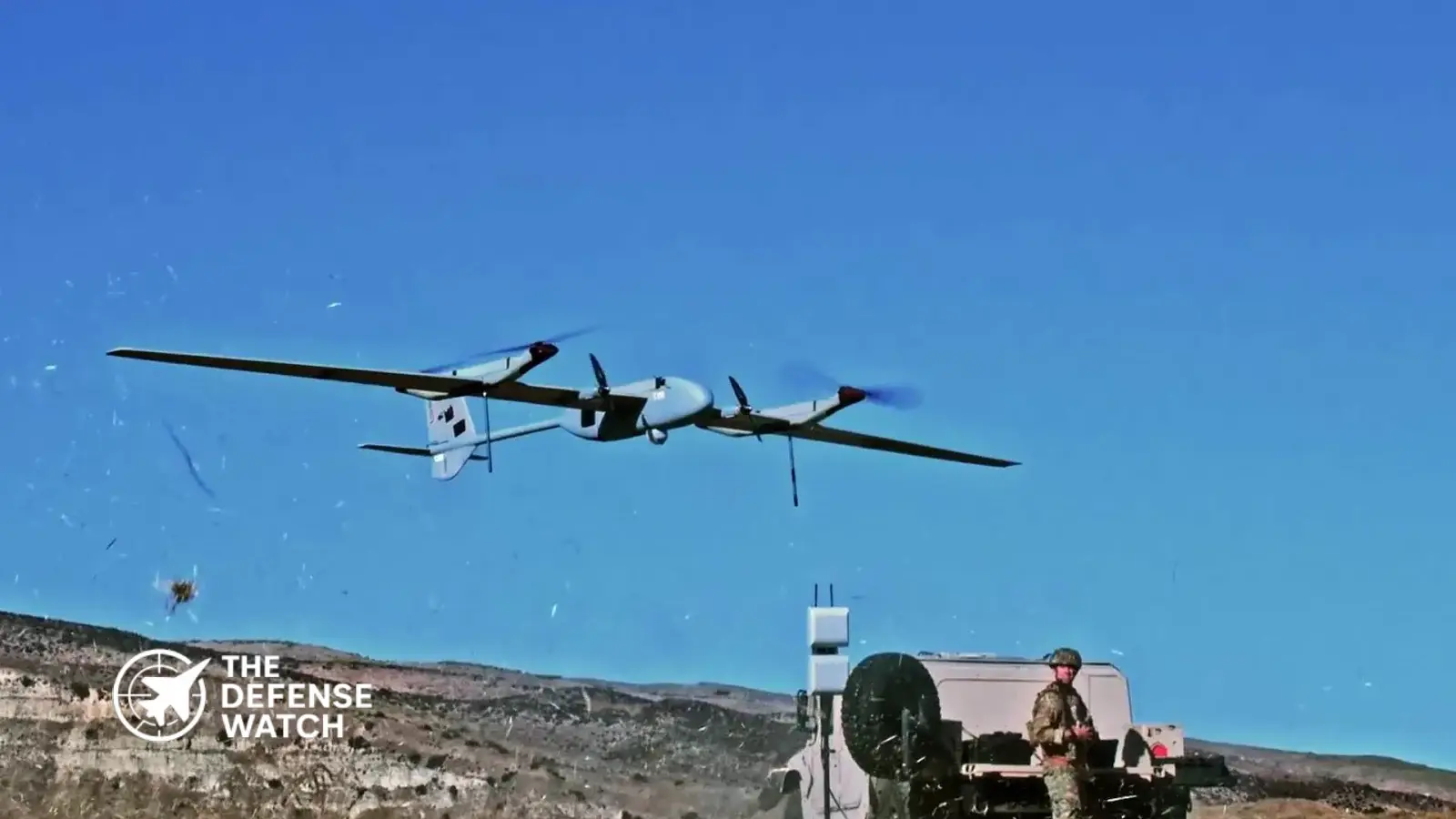
The strategic imperative is acute. Modern peer adversaries, particularly in the Indo-Pacific and European theaters, have invested heavily in electronic warfare (EW) systems capable of widespread GPS jamming and spoofing. Over featureless maritime domains—where visual landmarks are scarce and celestial or magnetic alternatives offer limited precision—traditional inertial navigation systems suffer from unbounded drift. Small unmanned aircraft systems (sUAS) operating at low altitude and high speed become especially vulnerable, risking mission failure or loss in extended ISR, targeting, or attritable strike roles.
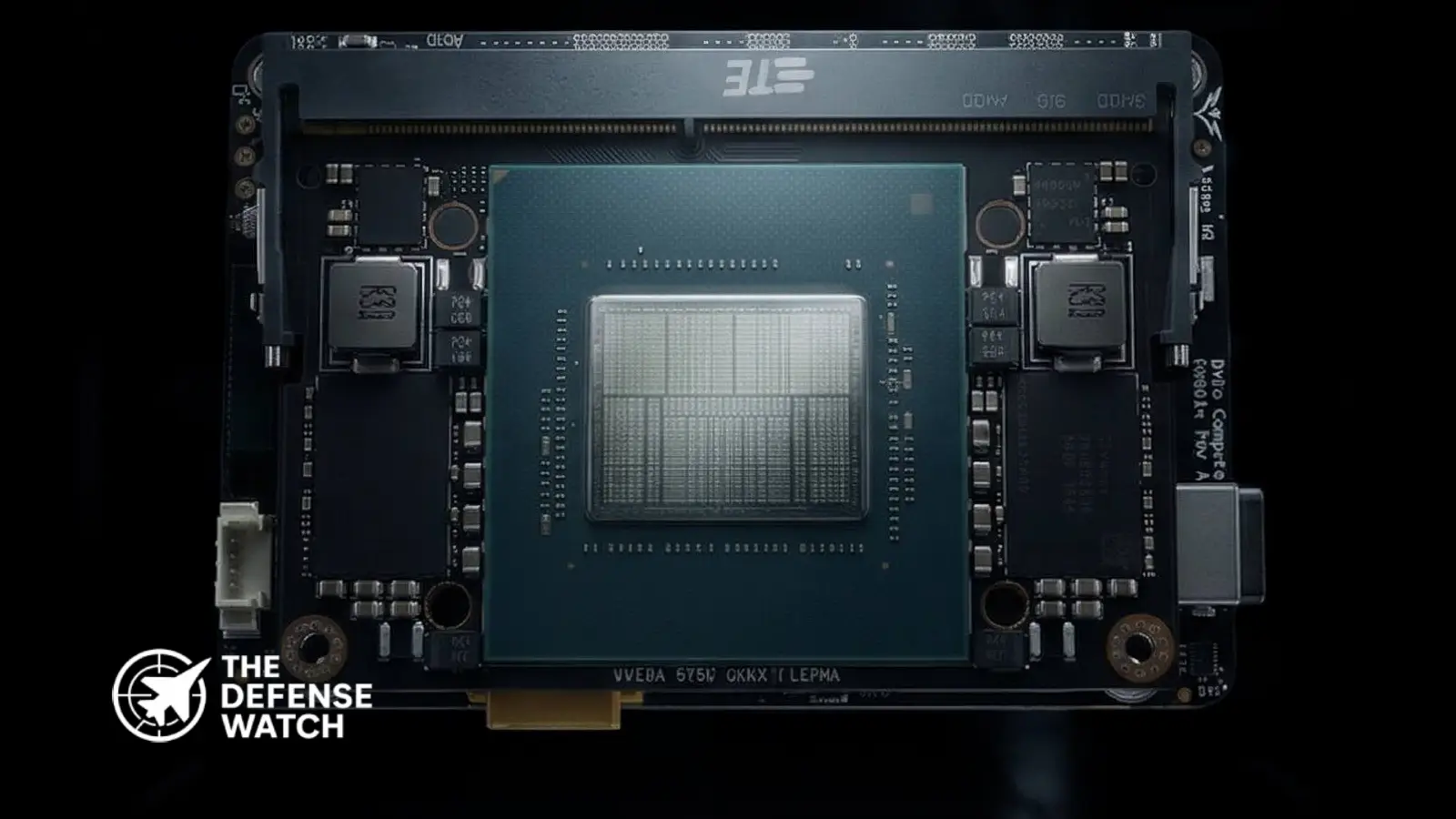
Tycho.AI’s Voyager stack addresses this through a low-SWaP (size, weight, and power) hardware-software solution that fuses AI-driven visual-inertial odometry (VIO), sensor fusion with monocular/stereo cameras and IMUs, satellite/map matching, and real-time perception. Engineered with a Modular Open Systems Approach (MOSA), it enables precise localization (<1% drift in many scenarios), autonomous waypoint navigation, multi-agent coordination, and edge decision-making without persistent communications or external aids. Integration with FANTOM middleware further eases insertion into existing USAF architectures.
As of 2026, this capability aligns with broader Department of the Air Force priorities for contested logistics, Joint All-Domain Command and Control (JADC2), and attritable autonomous systems. Maritime autonomy in GPS-DDIL conditions is particularly vital for supporting distributed operations around Taiwan, the South China Sea, or NATO’s eastern flank, where carrier strike groups and expeditionary forces require resilient ISR and resupply under heavy EW pressure.
Contract Breakdown & Details
- Contract Vehicle & Value: 18-month Tactical Funding Increase (TACFI) valued at $2 million from AFRL.
- Program Name: TRIDENT (Tracking & Resilient Inertial-Derived Estimation for Naval Targets).
- Primary Objectives: Mature Voyager for rotary- and fixed-wing platforms; conduct test flights and experimentation across environmental conditions; validate autonomous waypoint traversal, multi-agent coordination, mission-level autonomy, and resilient perception in overland and maritime domains.
- Technical Scope: Vision-based navigation maturation, integration with FANTOM middleware, long-range ISR solutions in GPS-DDIL environments.
- Builds On: Prior $1M AFWERX SBIR Phase II (2024) for high-precision low-SWaP autonomy and SOFWERX A2E FANTOM integration.