

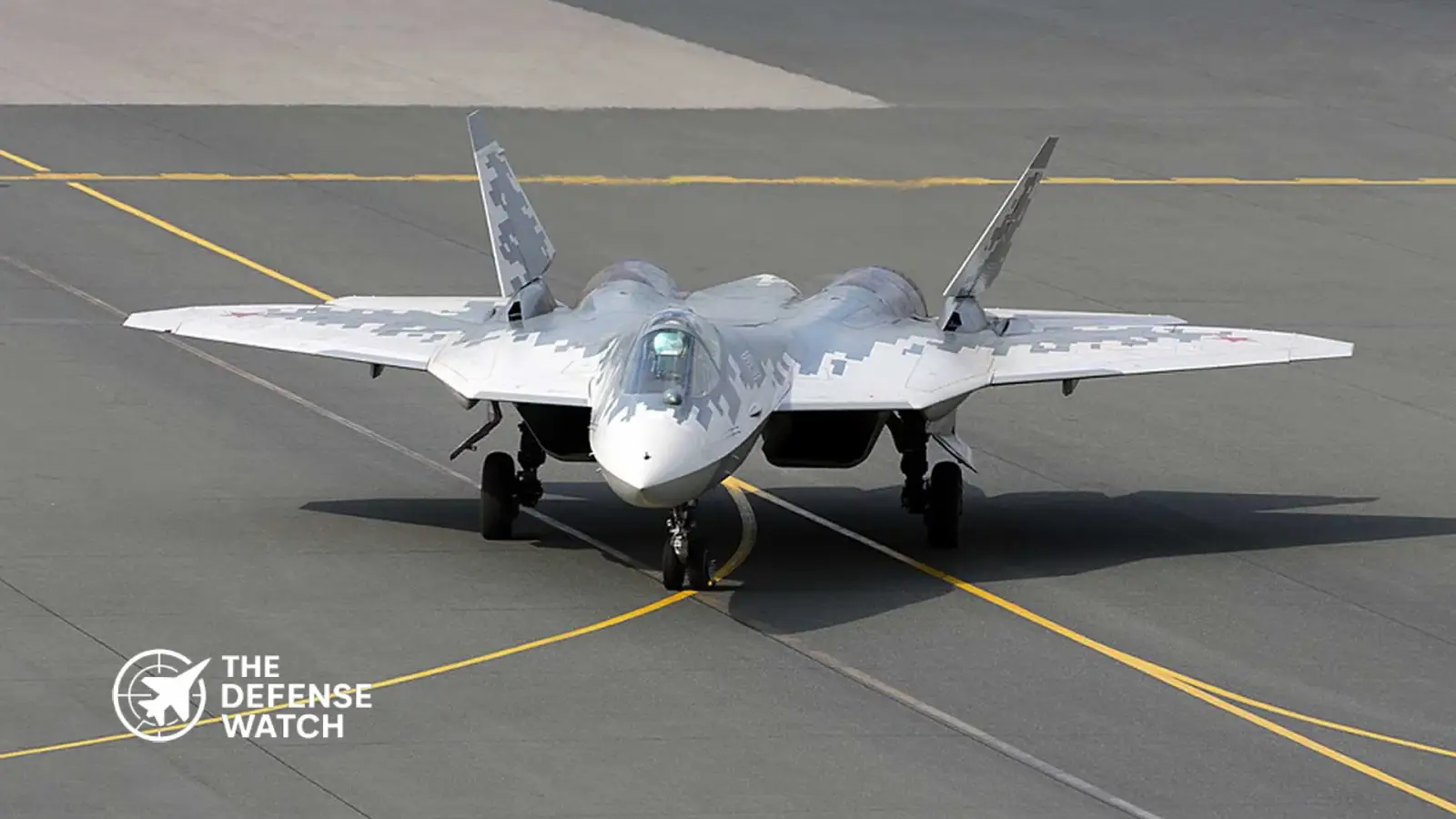
(adsbygoogle = window.adsbygoogle || []).push({});Executive Summary:
Russia has renewed its proposal to India for the Su-57 fifth-generation fighter aircraft, with President Vladimir Putin offering unrestricted technology transfer and joint development opportunities. The move comes as India evaluates options to strengthen its future combat aviation capabilities while advancing indigenous aerospace programs.
Russia Renews Su-57 Offer To India
Russia has revived its long-running proposal to bring India into the Su-57 fifth-generation fighter program, with President Vladimir Putin publicly offering New Delhi access to advanced fighter technologies, joint production opportunities, and future development cooperation. According to statements made during interactions with international media at the St. Petersburg International Economic Forum, Moscow is prepared to pursue the partnership without restrictions on technology sharing.
The offer marks one of the most expansive defense cooperation proposals Russia has made to India in recent years. Putin stated that Russia remains willing to jointly develop and further improve the Su-57 platform alongside India, reviving elements of a partnership that was once envisioned under the Fifth Generation Fighter Aircraft (FGFA) program.
Background: The FGFA Program
India and Russia originally launched the FGFA initiative in 2007 to jointly develop a fighter aircraft based on the Su-57 platform. However, New Delhi eventually withdrew from the program amid concerns regarding development timelines, technology access, costs, and aircraft performance requirements.
Despite India’s exit, Russia continued development independently, eventually bringing the Su-57 into operational service. Putin referenced the earlier collaboration during his remarks, noting that the aircraft could have become a joint Indo-Russian project before Moscow proceeded alone.
The latest proposal appears designed to reopen that discussion under significantly different terms, including broader technology transfer and local manufacturing opportunities.
(adsbygoogle = window.adsbygoogle || []).push({});What Russia Is Offering
According to Russian statements, the package extends beyond aircraft procurement. Moscow has indicated readiness to provide:
- Unrestricted technology transfer related to the Su-57 program
- Joint production within India
- Local manufacturing of aircraft components
- Continued co-development and modernization of the platform
- Broader cooperation in advanced air defense technologies
For India, technology transfer remains a critical factor in major defense acquisitions. Unlike traditional export deals, access to design knowledge, manufacturing processes, and future upgrade pathways can significantly affect long-term operational independence and domestic industrial growth.
Why The Timing Matters
The renewed Russian offer arrives at a critical point for India’s airpower modernization plans.
India continues to pursue its indigenous Advanced Medium Combat Aircraft (AMCA) program, which is intended to deliver a domestically developed fifth-generation fighter in the coming decade. At the same time, the Indian Air Force faces challenges related to squadron strength and the need to maintain technological parity in an increasingly competitive regional environment.
Regional developments are also shaping the conversation. China’s growing inventory of advanced combat aircraft and reports regarding Pakistan’s interest in next-generation fighter capabilities have increased attention on India’s future air combat requirements.
Russia’s proposal appears aimed at positioning the Su-57 as an available near-term option while India continues developing its indigenous programs.
Assessing The Strategic Implications
The significance of the latest offer lies less in the aircraft itself and more in the level of industrial access being proposed.
Historically, defense technology transfers involving advanced combat aircraft have been limited by export controls, intellectual property restrictions, and geopolitical considerations. Russia’s willingness to discuss unrestricted cooperation signals an effort to preserve its long-standing defense relationship with India amid increasing competition from Western suppliers.
- (adsbygoogle = window.adsbygoogle || []).push({});
For India, any decision involving the Su-57 would likely be evaluated against multiple factors, including operational requirements, industrial benefits, lifecycle costs, interoperability concerns, and the long-term objectives of the AMCA program.
The proposal also highlights a broader trend in global defense markets, where technology access and domestic manufacturing rights increasingly influence procurement decisions as much as platform performance.
The Su-57’s Place In India’s Future Fighter Plans
The Su-57 remains Russia’s premier fifth-generation fighter aircraft, featuring low-observable characteristics, advanced avionics, networked warfare capabilities, and multirole mission flexibility. While the aircraft has attracted international interest, India has yet to signal any formal commitment regarding the renewed proposal.
(adsbygoogle = window.adsbygoogle || []).push({});Whether the offer evolves into formal negotiations remains uncertain. However, Putin’s public comments demonstrate Moscow’s determination to keep the Su-57 at the center of discussions about India’s future combat aviation requirements.
Conclusion
Russia’s latest Su-57 proposal represents one of its most ambitious defense cooperation offers to India in years. By combining fighter aircraft access with unrestricted technology transfer, joint production, and future development participation, Moscow is seeking to strengthen a strategic partnership that has historically been a cornerstone of India’s military modernization.
For New Delhi, the decision will ultimately depend on how the offer aligns with its long-term objectives for airpower, defense self-reliance, and indigenous aerospace development.

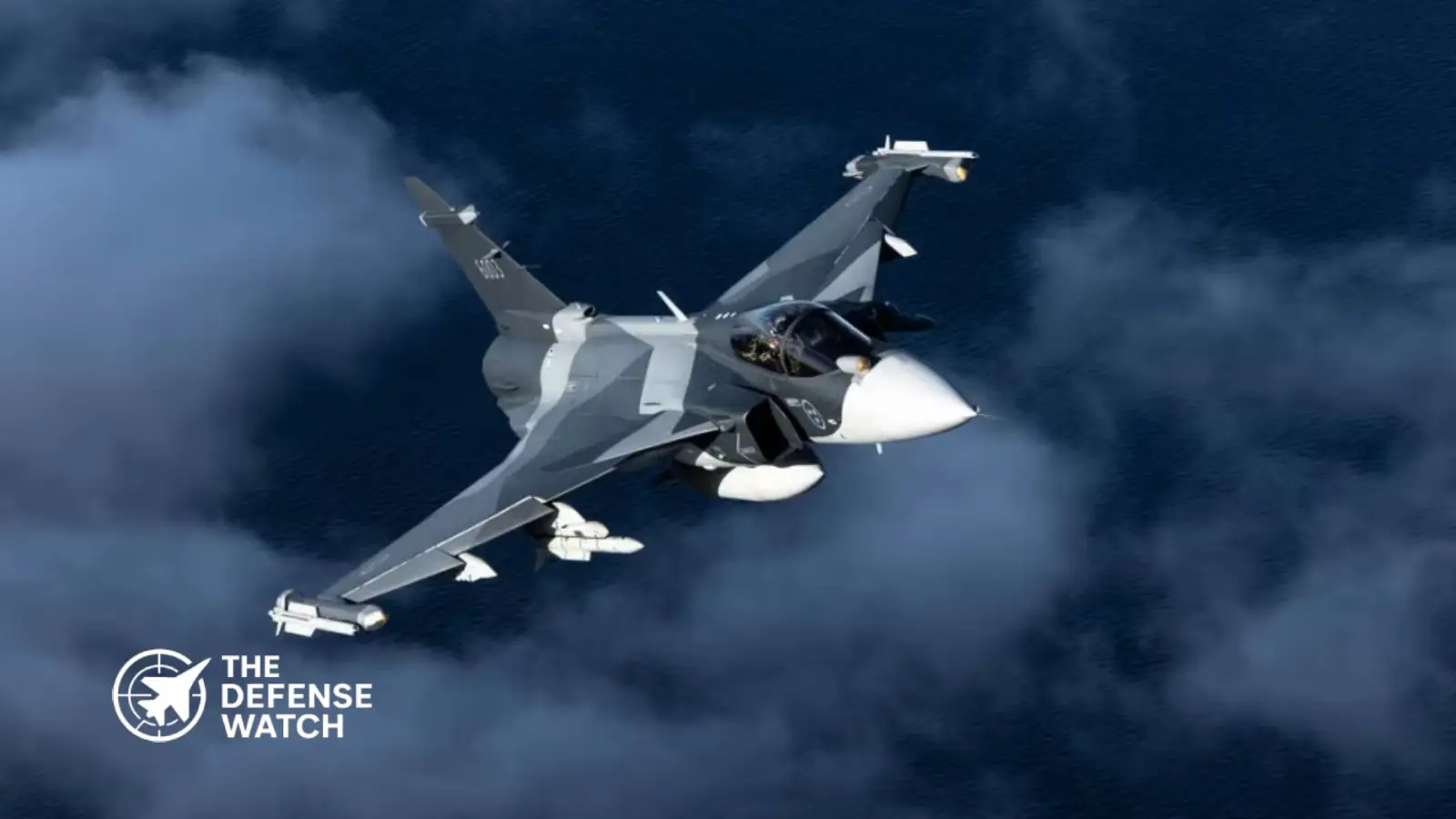
(adsbygoogle = window.adsbygoogle || []).push({});Executive Summary:
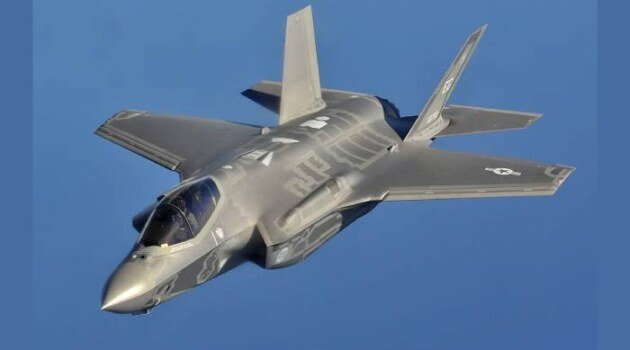
Canada is evaluating a significant shift in its fighter aircraft procurement, potentially acquiring around 30 Lockheed Martin F-35A jets and approximately 60 Saab JAS 39 Gripen fighters instead of its original plan for 88 F-35s. The move, driven by the government of Prime Minister Mark Carney, aims to balance advanced stealth capabilities with enhanced industrial sovereignty and reduced reliance on a single supplier. This potential mixed fleet comes as Ottawa seeks to modernize the Royal Canadian Air Force’s aging CF-18 fleet while addressing geopolitical and economic priorities.
Canada Fighter Procurement Review Gains Momentum
Canada is actively considering a mixed fighter fleet for the Royal Canadian Air Force (RCAF), according to recent reports from Canadian media. The proposal involves scaling back the planned purchase of 88 F-35A Lightning II stealth fighters to approximately 30 aircraft while acquiring about 60 Saab Gripen E fighters from Sweden.
This development follows Canada’s earlier commitment to the F-35 program under the previous administration. In 2023, Ottawa finalized an agreement for 88 F-35s valued at around C$27.7 billion. However, the current government under Prime Minister Mark Carney has placed the larger portion of the order under review amid evolving strategic and economic considerations.
Canada remains contractually obligated to accept the first 16 F-35s, with deliveries expected to begin in 2026. Payments have also been initiated for an additional 14 aircraft. The flexibility lies in the remaining aircraft, allowing Ottawa to adjust its long-term fleet composition.
Strategic and Economic Drivers Behind the Potential Shift
The review reflects broader efforts to diversify defense supply chains and bolster domestic industry. Saab has proposed local assembly of Gripen fighters in Canada, potentially in partnership with Bombardier, which could generate or sustain up to 12,600 high-skilled aerospace jobs. This package has been linked to additional acquisitions, such as Saab GlobalEye airborne early warning aircraft.
(adsbygoogle = window.adsbygoogle || []).push({});Proponents argue that a mixed fleet would enhance operational flexibility. The F-35 offers unmatched stealth, sensor fusion, and interoperability within NORAD and NATO frameworks. The Gripen E, a 4.5-generation multirole fighter, emphasizes cost-effectiveness, rapid turnaround, and high availability, with features like dispersed operations suited to Canada’s vast geography.
Analysis: A mixed fleet could allow Canada to allocate its high-end stealth assets for the most demanding missions—such as penetrating advanced air defenses or leading coalition operations—while using Gripens for routine patrol, sovereignty missions over the Arctic, and high-volume training sorties. This approach mirrors strategies employed by other nations operating mixed fleets, though it introduces logistical complexities in maintenance, training, and spares management. From a geopolitical standpoint, diversifying away from exclusive U.S. dependence addresses concerns over potential supply disruptions or policy shifts, particularly amid recent trade tensions. However, it risks interoperability challenges and higher overall lifecycle costs compared to a single-type fleet.
Background on Canada’s Fighter Replacement Program
Canada’s Future Fighter Capability Project long sought to replace its CF-18 Hornets. After a competitive evaluation, the F-35 was selected in 2022-2023 for its superior capabilities in network-centric warfare. The Gripen was a competitor but scored lower in operational assessments.
(adsbygoogle = window.adsbygoogle || []).push({});Tensions with the United States, including tariff disputes and statements from former President Trump, accelerated the review. The Carney government has emphasized “elbows up” sovereignty in defense procurement. Saab’s willingness to offer technology transfer and local production has made the Gripen option more attractive.
Challenges and Considerations for a Mixed Fleet
Operating two fighter types presents notable hurdles. The RCAF would need dual training pipelines, separate maintenance infrastructures, and distinct supply chains. Critics, including some within the RCAF leadership, have expressed reservations about diluting focus from the F-35’s proven advantages.
There are also diplomatic and contractual implications. Reducing the F-35 order could strain relations with the U.S. and Lockheed Martin, potentially affecting industrial offsets or NORAD cooperation. Legal and penalty considerations for any contract adjustments remain under scrutiny.
On capability, the F-35’s low-observable profile and data-sharing prowess provide a qualitative edge in high-threat environments. The Gripen excels in affordability and agility, with modern avionics, Meteor missile integration, and a design optimized for austere operations.
(adsbygoogle = window.adsbygoogle || []).push({});Further original analysis: In the Arctic context, where Canada faces increasing Russian and Chinese activity, a larger number of affordable, maintainable platforms like the Gripen could increase sortie rates for presence patrols. Meanwhile, a smaller F-35 core would serve as a strategic deterrent and enabler for allied operations. Success would depend on robust integration of both platforms into a common command-and-control network, leveraging Link 16 and other datalinks. Long-term, this could position Canada as a more self-reliant aerospace player in North America.
Path Forward and Timeline
Sources indicate the decision on the fighter mix is largely formed, with an announcement possibly timed around the U.S. midterm elections in the fall of 2026 to minimize immediate bilateral friction.
The RCAF’s current fighter fleet stands at around 76 CF-18s, many of which are approaching the end of their service life. A timely decision is critical to avoid capability gaps.
Executive Summary:
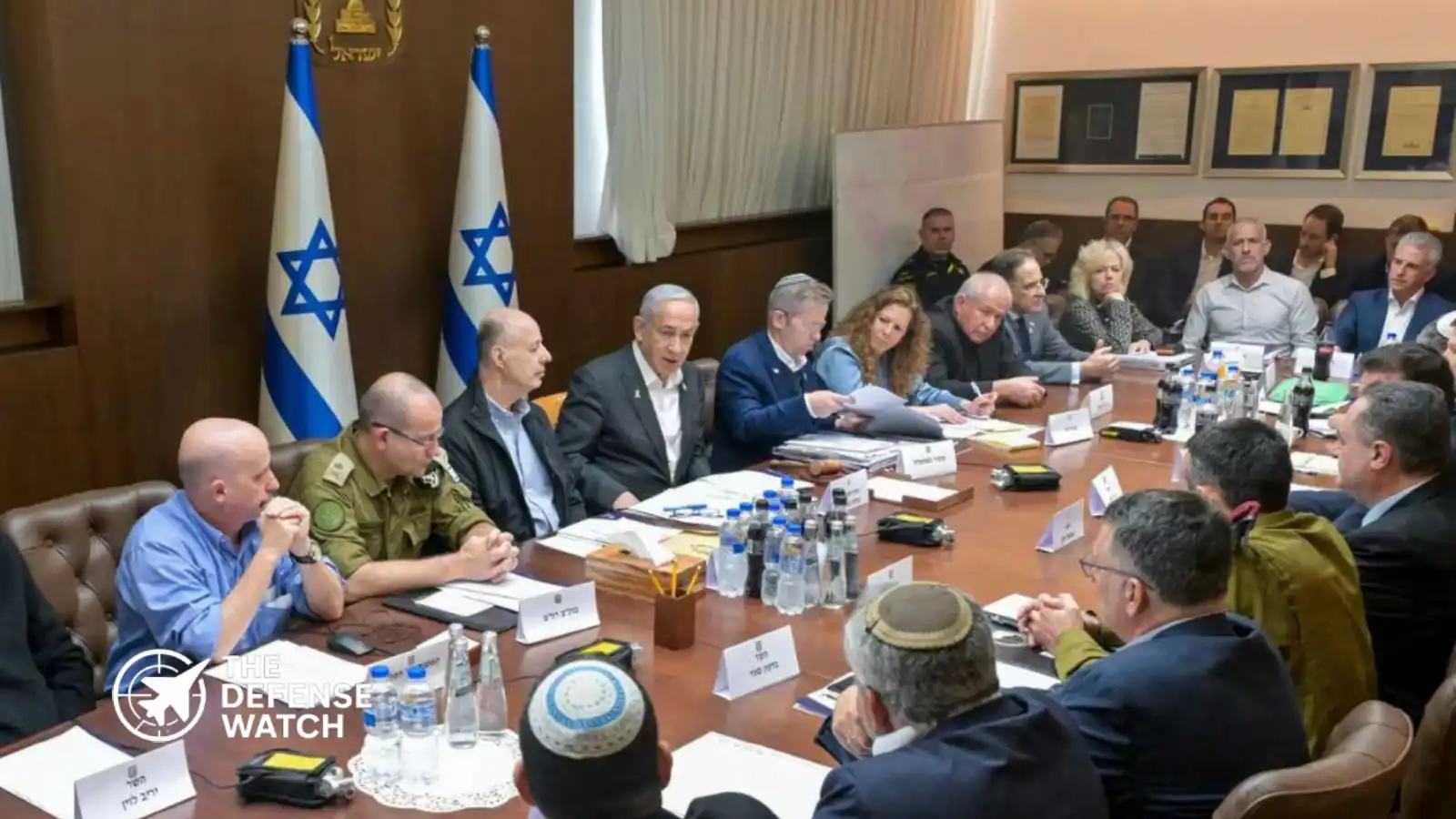
Israeli Prime Minister Benjamin Netanyahu has ordered an expanded ground operation in southern Lebanon following renewed Hezbollah rocket and drone attacks on northern Israel. The move signals a significant escalation despite an existing ceasefire and highlights Israel’s determination to push Hezbollah farther from its northern border.
Israeli Lebanon Offensive Expands As Hezbollah Attacks Continue
The Israeli Lebanon offensive entered a new phase after Prime Minister Benjamin Netanyahu directed the Israel Defense Forces (IDF) to deepen their ground operations in southern Lebanon, citing continued attacks by Hezbollah despite a ceasefire that has been in place for more than six weeks.
The decision follows one of the most intense days of Hezbollah rocket and drone launches since the ceasefire agreement took effect in April. The attacks triggered security restrictions across northern Israel, including school closures and movement limitations in several communities near the border.
According to Israeli officials, the latest military advance included the seizure of the historic Beaufort Castle and control of a strategic ridgeline in southern Lebanon. Israeli military leaders view these locations as important terrain that could support future operations against Hezbollah positions.
Netanyahu Signals Broader Military Objectives
In a public statement, Netanyahu said he had instructed the military to expand its ground maneuver in Lebanon and deepen Israel’s control over areas previously used by Hezbollah.
Israeli officials argue that the objective is to reduce Hezbollah’s ability to launch rockets, drones, and cross-border attacks against northern Israel. Since the conflict expanded earlier this year, Israeli authorities have repeatedly stated that restoring security for displaced communities near the Lebanese border remains a primary national security goal.
The latest orders suggest Israel is no longer focused solely on defensive operations but is seeking to establish a broader security buffer against Hezbollah activity.
This development represents a notable strategic shift. Rather than limiting operations to immediate border areas, Israeli forces appear increasingly focused on denying Hezbollah freedom of movement deeper inside southern Lebanon.
Hezbollah Continues To Adapt Tactics
A major challenge for Israeli forces has been Hezbollah’s growing use of low-cost one-way attack drones.
Military analysts note that these systems are inexpensive, difficult to detect, and capable of bypassing traditional air defense networks under certain conditions. Several Israeli military casualties in southern Lebanon have been linked to such drone attacks in recent months.
The continued effectiveness of these systems reflects a broader trend in modern warfare, where relatively inexpensive unmanned platforms can create disproportionate operational challenges for technologically advanced militaries.
For Israel, the Hezbollah drone threat has reinforced the need for layered air defense systems, electronic warfare capabilities, and forward ground operations designed to disrupt launch sites before attacks occur.
Strategic Importance Of Southern Lebanon
Israeli military forces reportedly already controlled territory extending to Lebanon’s Litani River. Current operations indicate a push toward the Zaharani River, roughly 10 kilometers farther north.
The geography is significant.
For decades, southern Lebanon has served as Hezbollah’s primary operating area along Israel’s northern frontier. Control of elevated terrain and transportation routes provides military advantages for surveillance, logistics, and missile deployment.
By expanding its presence deeper into the region, Israel appears to be attempting to increase operational pressure on Hezbollah while creating greater standoff distance between Israeli population centers and militant launch zones.
However, maintaining control over larger areas of Lebanese territory could also increase operational demands and raise the risk of prolonged military engagement.
Regional And International Concerns Grow
The escalation has prompted renewed international attention.
France called for an emergency meeting of the United Nations Security Council, citing concerns about the deteriorating security situation and the risk of broader regional instability.
The conflict has already produced significant humanitarian consequences. Lebanese authorities report that more than 3,300 people have been killed since fighting intensified earlier this year, while over one million civilians have reportedly been displaced by military operations, airstrikes, and evacuation orders.
Israel has also faced substantial disruption. Tens of thousands of residents from northern communities have been displaced due to ongoing Hezbollah rocket and drone attacks.
The continued exchange of fire despite a ceasefire highlights the fragility of current diplomatic efforts and underscores the difficulty of achieving a durable security arrangement along the Israel-Lebanon border.
Analysis: A Conflict Moving Beyond Containment
The latest Israeli Lebanon offensive suggests that Israeli leadership increasingly views Hezbollah’s military infrastructure as a long-term strategic threat rather than a temporary security challenge.
From a military perspective, pushing deeper into southern Lebanon may provide short-term tactical advantages by disrupting launch sites and command networks. However, history shows that operations against entrenched militant organizations often become more complex as forces move farther from their logistical bases.
For Hezbollah, continued drone and rocket attacks demonstrate its ability to sustain pressure despite Israeli military operations. The group’s adaptation toward low-cost unmanned systems reflects broader lessons observed in conflicts across the Middle East and Eastern Europe.
The coming weeks will likely determine whether the expanded Israeli campaign achieves its intended security objectives or contributes to a wider regional confrontation involving Iran-backed groups across the Middle East.
Executive Summary: Iran’s Islamic Revolutionary Guard Corps has established a multi-tiered control mechanism over the Strait of Hormuz — the conduit for roughly one-fifth of global oil supply — using island checkpoints, government-to-government arrangements, detailed vessel vetting, and in some cases reported transit fees. The system, documented by Reuters after interviews with 20 industry and government sources, represents a deliberate strategic shift from wartime disruption to institutionalized control. The implications extend from global energy markets to international maritime law and U.S. naval strategy.
Iran Tightens Grip on the World’s Most Critical Oil Chokepoint
Iran’s de facto control of the Strait of Hormuz has moved beyond battlefield improvisation. A detailed investigative report by Reuters — drawing on interviews with 20 shipping, government, and intelligence sources — reveals that Tehran has erected a formalized, multi-tiered clearance system to decide which vessels may transit the narrow waterway separating the Persian Gulf from the Gulf of Oman.
The Strait of Hormuz, just 34 kilometers wide at its narrowest point, carries roughly 20 percent of global seaborne oil trade and 20 percent of the world’s liquefied natural gas (LNG) exports. Its effective closure since late February 2026 has sent energy prices surging and triggered warnings from Western governments about an imminent global food crisis.
The new Iranian system — now operating under what Tehran has designated the Persian Gulf Strait Authority, established in recent weeks — goes well beyond simple military obstruction. It represents a calculated attempt to institutionalize wartime leverage into long-term strategic and economic power.
How the System Works: Vetting, Diplomacy, and Fees
Outside of formal government arrangements, the primary pathway for commercial vessels is an IRGC-administered vetting process. Ship owners and operators must submit a detailed “affiliation document” through an intermediary, disclosing the ship’s cargo value, flag state, origin and destination, registered owner and manager, and full crew nationalities.
Multiple Iranian state agencies are involved in reviewing submissions: the Ports and Maritime Organization, the Ministry of Industry, Mine and Trade, the national shipping organization, and a representative of the Supreme National Security Council. The IRGC, which carries broad oversight over Iranian security operations, holds final evaluative authority.
For countries with direct diplomatic relations with Tehran, a separate government-to-government track exists. India — which imports approximately 90 percent of its oil needs and about half its gas, much of which passes through Hormuz — routes vessel clearance requests through its embassy in Tehran, liaising directly with IRGC and Iranian navy contacts, according to a senior Indian shipping ministry official.
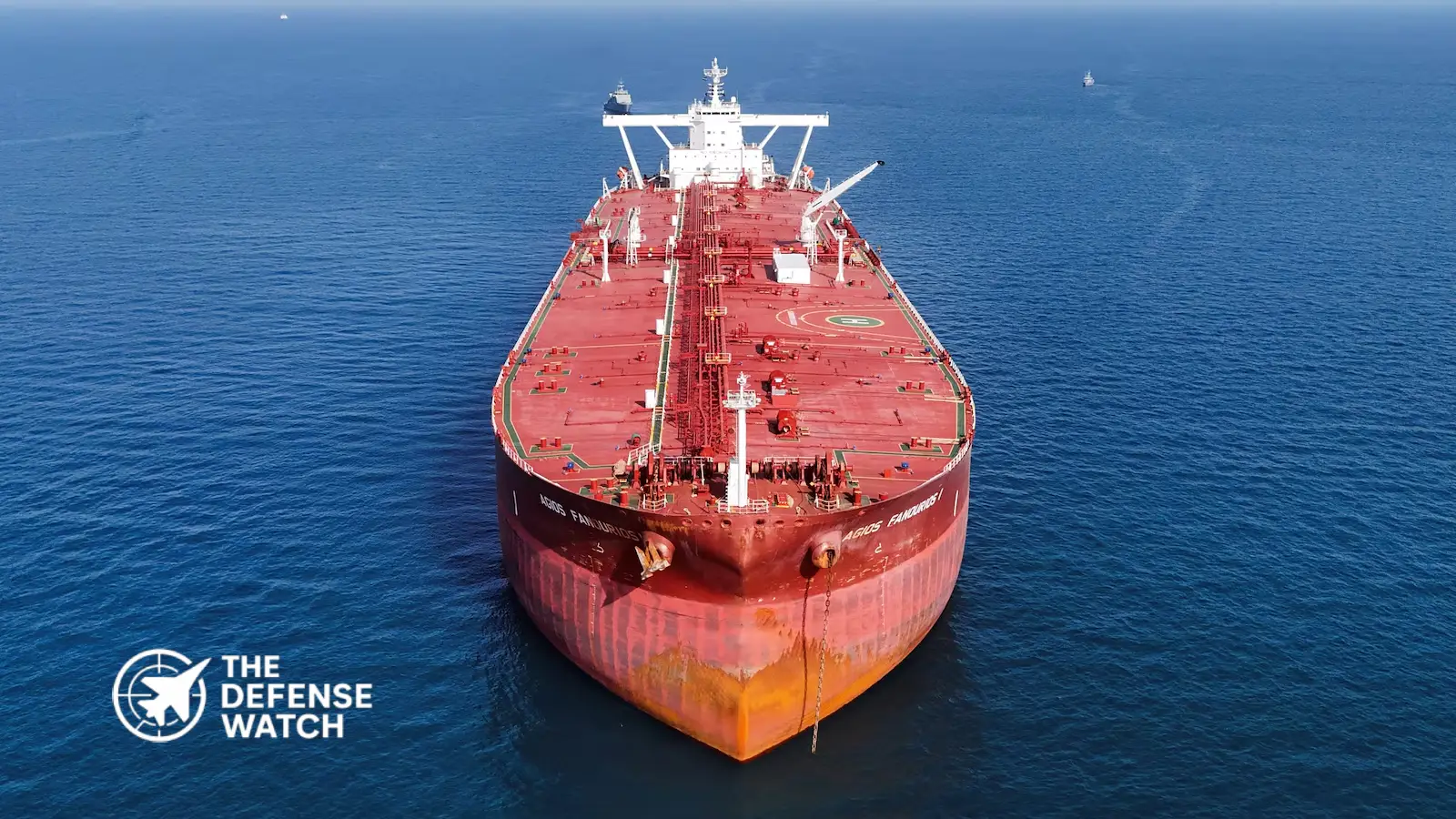
Iraq negotiated directly with Iran for passage of the Maltese-flagged tanker Agios Fanourios I, a 330-meter crude carrier loaded with Iraqi oil and bound for Vietnam. The tanker, stranded off the coast of Dubai since late April, finally transited the strait on May 10 following a direct arrangement brokered by Iraq’s prime minister. Even then, IRGC speedboats intercepted the vessel as it passed Hormuz Island — reportedly on suspicion of smuggled cargo — turning a standard five-hour passage into a two-day ordeal.
“Once we were informed Agios passed Hormuz, we breathed a sigh of relief,” said one individual monitoring the passage, according to Reuters.
The Fee Question: Legal Gray Zone and Sanctions Exposure
Perhaps the most legally consequential dimension of Iran’s new system is the reported extraction of fees for transit clearance. Under international maritime law, states cannot charge for passage through an international strait. Iran has denied imposing such levies.
However, Reuters found that payments have been made in some cases. The transfers are closely guarded secrets, as ship owners making such payments face compound legal exposure: violations of international maritime law, potential breach of U.S. Treasury sanctions (which prohibit payments benefiting the IRGC, a designated foreign terrorist organization), and possible loss of maritime insurance coverage.
“Violators would also lose their insurance coverage for making payments that could benefit the IRGC,” two maritime insurance experts told Reuters.
Reports from Lloyd’s List Intelligence, dating to March 2026, suggested Iran had been imposing unusually high transit charges — with some foreign media reports citing figures as high as $2 million per vessel for guaranteed passage. Iran has disputed those figures.
The U.S. Treasury has issued explicit warnings that IRGC-related Hormuz transit payments are not authorized for American entities.
Strategic Context: From Wartime Closure to Permanent Control
The current crisis traces directly to February 28, 2026, when coordinated U.S. and Israeli airstrikes on Iran killed Supreme Leader Ali Khamenei. Iran’s immediate response was to close the Strait of Hormuz to foreign shipping. The IRGC issued navigation warnings, deployed sea mines, boarded and damaged merchant vessels, and seized at least two commercial ships. Fourteen crisis-related casualties — 12 seafarers and 2 port workers — have been recorded as of mid-May.
The U.S. responded with a counter-blockade of Iranian ports beginning April 13, and launched Operation Project Freedom to escort stranded vessels out of the Gulf. That operation was paused on May 6 following what U.S. officials described as “great progress” in Pakistan-mediated ceasefire talks.
At the United Nations, diplomatic resolution has been blocked by geopolitical fault lines: China and Russia vetoed a Security Council resolution on April 7 that would have demanded freedom of navigation in the strait.
China’s foreign ministry, responding to the Reuters findings, called for Hormuz to be opened and stated that “such arrangements should comply with international law and practice.” Beijing stopped short of condemning Iran’s clearance system directly.
Maritime analysts now assess that Tehran is deliberately transforming its wartime military leverage into a long-term structural claim over the world’s most critical energy transit corridor.
Global Impact: Energy, Food, and Alliance Stability
The cascading effects of the Hormuz closure extend well beyond oil markets. The United Kingdom’s Foreign Secretary, Yvette Cooper, warned on May 19 that the world is “sleepwalking into a global food crisis,” citing the disruption of fertilizer and fuel flows through the strait.
“We cannot risk tens of millions of people going hungry because one country has hijacked an international shipping lane,” Cooper stated, calling for the strait’s reopening within weeks.
The United Nations has echoed those warnings, noting a six-month window before food security disruptions escalate into a humanitarian crisis.
The U.S. naval posture in the Persian Gulf and Gulf of Oman remains elevated, though the administration has pursued diplomatic off-ramps. NATO allies, including the U.K., Germany, and Japan, have declined Washington’s requests to join a formal military escort operation — complicating allied coordination in one of the world’s most strategically sensitive waterways.
Analysis: A New Paradigm for Maritime Chokepoint Control?
What Iran has constructed is not merely a wartime obstruction strategy. It is an embryonic toll-and-vetting regime over an international strait — an arrangement with no clear precedent in the post-WWII international maritime order.
The Persian Gulf Strait Authority functions, in effect, as an extraterritorial regulatory body over waters that international law designates as a transit passage open to all flags. Tehran’s framing — invoking “legitimate security concerns of coastal states” — echoes language China has used to assert administrative authority over contested waters in the South China Sea.
The implications for U.S. naval strategy and global freedom of navigation are significant. If Iran’s control mechanism stabilizes into an accepted norm — even informally — it could embolden other coastal states with geographic leverage over critical waterways to adopt similar approaches.
For the Pentagon, the central question is whether ongoing diplomatic negotiations will roll back Iran’s structural gains before they harden into a new status quo. The answer will shape maritime security policy for years to come.
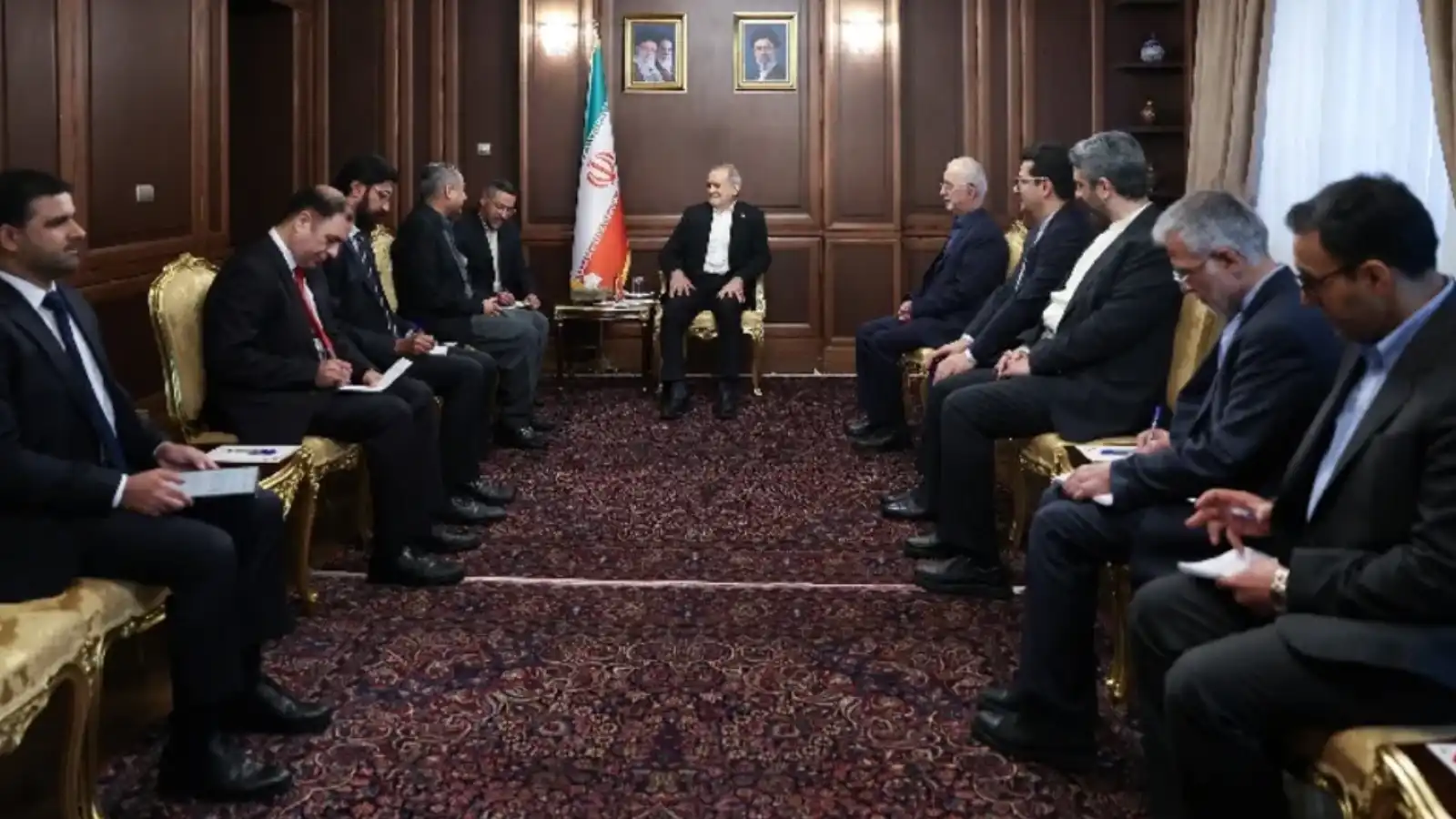
Pakistan has intensified its diplomatic mediation between Tehran and Washington as fears grow that the current Middle East conflict could widen further.
Executive Summary:
Pakistan has delivered a revised Iranian peace proposal to the United States in an effort to restart stalled negotiations linked to the ongoing Middle East conflict. The diplomatic effort highlights Islamabad’s growing role as a key intermediary between Tehran and Washington amid rising regional tensions and disputes over Iran’s nuclear program.
Pakistan Revives Iran US Mediation Effort Amid Regional Tensions
Pakistan shared a revised Iranian proposal with the United States on Sunday night as efforts to restart negotiations between Tehran and Washington remain deadlocked over ceasefire conditions and nuclear demands.
According to a Pakistani source cited by Reuters, the latest diplomatic package was intended to narrow the gap between both sides after weeks of indirect negotiations failed to produce a breakthrough. The source warned that time was running short, stating that both parties continued to shift negotiating positions during the mediation process.
The revised proposal reportedly followed a meeting in Tehran between Pakistani Interior Minister Mohsin Naqvi and Iranian parliamentary speaker and senior negotiator Mohammad Bagher Ghalibaf on Saturday.
Iranian media reports indicated that the package combined elements of Tehran’s earlier 14 point proposal with several core U.S. conditions that had been transmitted through Islamabad.
The diplomatic initiative comes as tensions remain elevated across the Middle East, with regional governments increasingly concerned that prolonged confrontation between Iran and the United States could destabilize maritime trade routes, energy infrastructure, and regional security arrangements.
Washington Maintains Pressure Over Nuclear Conditions
The latest mediation effort follows strong criticism from U.S. President Donald Trump, who rejected Iran’s earlier counterproposal on May 10 and described it as totally unacceptable.
Washington has reportedly presented five conditions for negotiations to move forward. One of the most sensitive demands involves the transfer of approximately 400 kilograms of highly enriched uranium held by Iran.
That issue remains central to the broader dispute surrounding Iran’s nuclear activities and international monitoring mechanisms. Western governments have repeatedly argued that Iran’s enriched uranium stockpile significantly exceeds levels required for civilian nuclear energy programs.
Iran has consistently defended its nuclear activities as peaceful while rejecting what it describes as politically motivated pressure from Washington and its allies.
Iranian Foreign Ministry spokesperson Esmaeil Baghaei confirmed that Pakistan remains the only officially recognized intermediary between Tehran and Washington in the current negotiation framework.
Baghaei stated that Tehran’s primary objectives remain ending hostilities, securing a ceasefire agreement, and obtaining guarantees tied to future negotiations.
Pakistan Expands Regional Diplomatic Role
Pakistan’s involvement reflects Islamabad’s broader attempt to position itself as a stabilizing diplomatic actor amid growing geopolitical fragmentation in the Middle East and South Asia.
Islamabad maintains working relations with both Tehran and Washington, giving Pakistani officials a rare channel of communication at a time when direct U.S. Iran engagement remains limited.
The mediation effort also highlights Pakistan’s strategic interest in preventing wider regional instability along its western border. Escalation involving Iran could affect border security, refugee flows, regional trade routes, and energy connectivity projects tied to Pakistan’s long term economic planning.
Analysts note that Pakistan’s role as a mediator may also strengthen its diplomatic standing with Gulf states and Western governments seeking to avoid a broader regional conflict.
At the same time, the lack of visible progress underscores the deep mistrust that continues to define U.S. Iran relations.
Stalled Talks Reflect Wider Strategic Divide
Despite renewed diplomatic activity, major disagreements remain unresolved.
The United States continues to prioritize restrictions on Iran’s nuclear capabilities, regional military posture, and missile development activities. Tehran, meanwhile, is seeking guarantees related to sanctions relief, sovereignty concerns, and limits on future military escalation.
The revised Iranian proposal delivered through Pakistan appears aimed at creating a framework that could reopen negotiations without requiring immediate concessions from either side.
However, diplomatic observers caution that indirect negotiations become increasingly difficult when both parties publicly harden their positions while simultaneously attempting private compromise.
The current impasse also reflects the broader strategic competition shaping the Middle East, where regional security calculations increasingly intersect with global power rivalries involving the United States, China, and Russia.
Any successful agreement would likely require phased confidence building measures, verification mechanisms, and third party guarantees capable of satisfying both Washington’s security concerns and Tehran’s political demands.
Why The Mediation Effort Matters
Pakistan’s revised Iran peace proposal arrives at a critical moment for regional diplomacy.
Continued deadlock increases the risk of further military escalation, disruption to global energy markets, and expanded instability across the Gulf region. Maritime security concerns in strategic waterways remain particularly important for international trade and military operations.
The negotiations also carry implications for future nuclear diplomacy and the credibility of indirect mediation frameworks involving regional powers.
While no breakthrough has yet emerged, Islamabad’s continued involvement demonstrates that regional actors are attempting to prevent further deterioration in U.S. Iran relations through backchannel diplomacy and phased negotiation efforts.
Executive Summary:
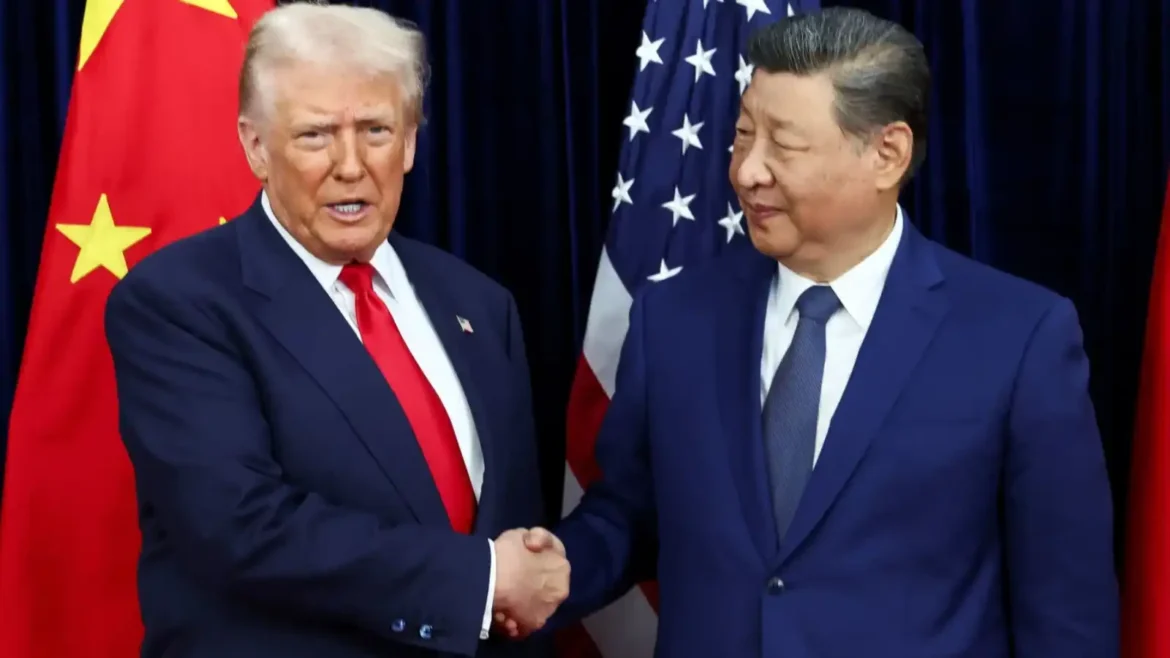
U.S. President Donald Trump and Chinese President Xi Jinping agreed during talks in Beijing that Iran must never acquire nuclear weapons and that the Strait of Hormuz must remain open to global shipping. The summit underscored rising concern over regional instability, maritime security, and the broader strategic impact of the ongoing U.S.-Iran conflict.
Trump And Xi Address Iran Nuclear Weapons Threat During Beijing Summit
The Iran nuclear weapons issue emerged as a central focus during high-level talks between Donald Trump and Xi Jinping in Beijing, where both leaders agreed that Tehran must never acquire a nuclear weapon.
The agreement was announced following roughly two hours of closed-door discussions at the Great Hall of the People, marking Trump’s first official visit to China since 2017.
According to U.S. officials, the two sides also discussed maritime security and agreed that the Strait of Hormuz must remain open to international commerce amid growing instability linked to the ongoing U.S.-Iran conflict.
The summit comes at a critical moment for global energy markets and regional security, with the Strait of Hormuz remaining one of the world’s most strategically important maritime chokepoints.
Strait Of Hormuz Remains Strategic Flashpoint
The Strait of Hormuz handles a significant share of global oil shipments and remains vital to Asian, European, and American economic interests.
A White House official stated that Xi opposed any attempt to impose tolls or restrictions on commercial shipping transiting the waterway. Bloomberg reported that Chinese officials also showed interest in expanding purchases of U.S. oil as part of efforts to reduce dependence on Middle Eastern transit routes.
China’s official government readout confirmed discussions on Middle East issues but did not specifically mention energy security or maritime toll concerns.
The summit follows earlier diplomatic coordination between U.S. Secretary of State Marco Rubio and Chinese Foreign Minister Wang Yi, who reportedly agreed during an April call that international waterways such as the Strait of Hormuz must remain free from transit fees or restrictions.
Business And Strategic Interests Converge
Trump arrived in Beijing accompanied by senior American business executives, including leaders from major U.S. technology, aerospace, automotive, and financial firms.
The delegation included executives from Apple, Tesla, Boeing, Goldman Sachs, and Qualcomm, highlighting the broader economic significance of the summit beyond geopolitical issues.
While the public focus centered on Iran and maritime security, the meeting also reflected continuing efforts by Washington and Beijing to stabilize bilateral ties amid persistent strategic competition.
The Iran nuclear weapons discussion, however, represented one of the clearest examples of policy convergence between the two powers in recent years.
U.S.-Iran Conflict Shapes Diplomatic Agenda
The summit was heavily influenced by the ongoing conflict between the United States and Iran, which has entered its third month and continues to affect regional military deployments and global shipping patterns.
In recent weeks, Washington has increased pressure on Tehran through military operations, sanctions enforcement, and diplomatic efforts aimed at limiting Iran’s strategic options.
Trump had previously urged Beijing to use its influence with Tehran to reduce tensions, though he later downplayed the need for Chinese assistance before departing Washington.
Speaking to reporters prior to the trip, Trump stated that the United States would prevail in dealing with Iran “peacefully or otherwise.”
The remarks reinforced the administration’s continued hardline position on Iran’s nuclear ambitions and regional military activities.
Original Analysis: Why The Summit Matters Beyond Iran
The significance of the Beijing summit extends beyond immediate concerns over Iran’s nuclear program.
For Washington and Beijing, the Strait of Hormuz represents a shared strategic vulnerability. China remains heavily dependent on imported energy flows, while the United States maintains longstanding security commitments tied to Gulf maritime stability.
That overlap creates a rare area of mutual interest despite broader geopolitical rivalry.
The summit also highlights how Middle East instability increasingly intersects with U.S.-China strategic competition. Energy security, shipping protection, sanctions enforcement, and naval presence in the Indo-Pacific are now closely connected policy areas.
Another important factor is the diplomatic signaling itself.
Public agreement between Trump and Xi that Iran must never obtain nuclear weapons sends a coordinated message at a time when Tehran faces mounting international scrutiny. Even without announcing new enforcement mechanisms or joint initiatives, the statement alone carries geopolitical weight because it reflects alignment between the world’s two largest powers on a major security issue.
The maritime component is equally significant.
Any disruption in the Strait of Hormuz could rapidly affect oil prices, military deployments, and global supply chains. By emphasizing freedom of navigation, both governments are attempting to reassure international markets and commercial shipping operators amid continued uncertainty.
The summit may not resolve the broader U.S.-Iran conflict, but it demonstrates that Washington and Beijing recognize the risks of uncontrolled escalation in the Gulf region.
Strategic Implications For Global Security
The Iran nuclear weapons issue remains one of the most consequential security concerns facing the international community.
Western governments and regional allies have long argued that a nuclear-armed Iran could destabilize the Middle East, accelerate regional arms competition, and increase risks of military confrontation.
At the same time, global powers remain focused on protecting maritime trade routes that support international energy markets and industrial supply chains.
The Beijing summit indicates that even amid strategic rivalry, the United States and China still maintain overlapping interests in preventing wider regional instability.