Executive Summary:
The U.S. Air Force is continuing major sustainment and modernization efforts for the B-1B Lancer to ensure sufficient bomber capacity during the transition to the next-generation B-21 Raider. Upgrades, aircraft regeneration programs, and new weapons integration initiatives are intended to preserve long-range conventional strike capability while the B-21 gradually enters operational service.
U.S. Air Force Maintains B-1B Lancer Readiness During B-21 Transition
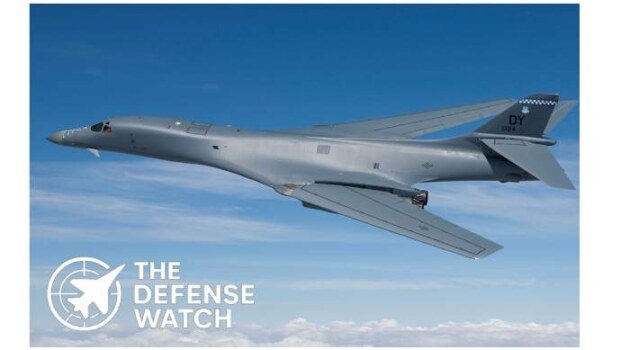
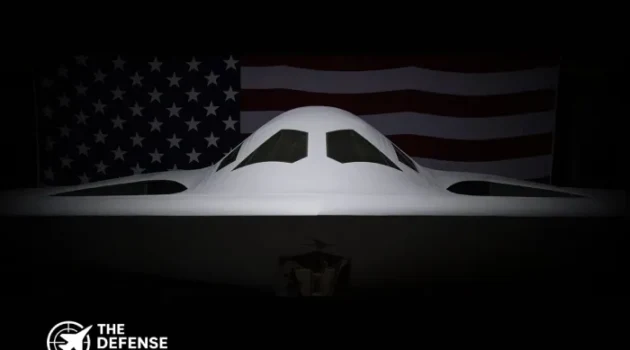
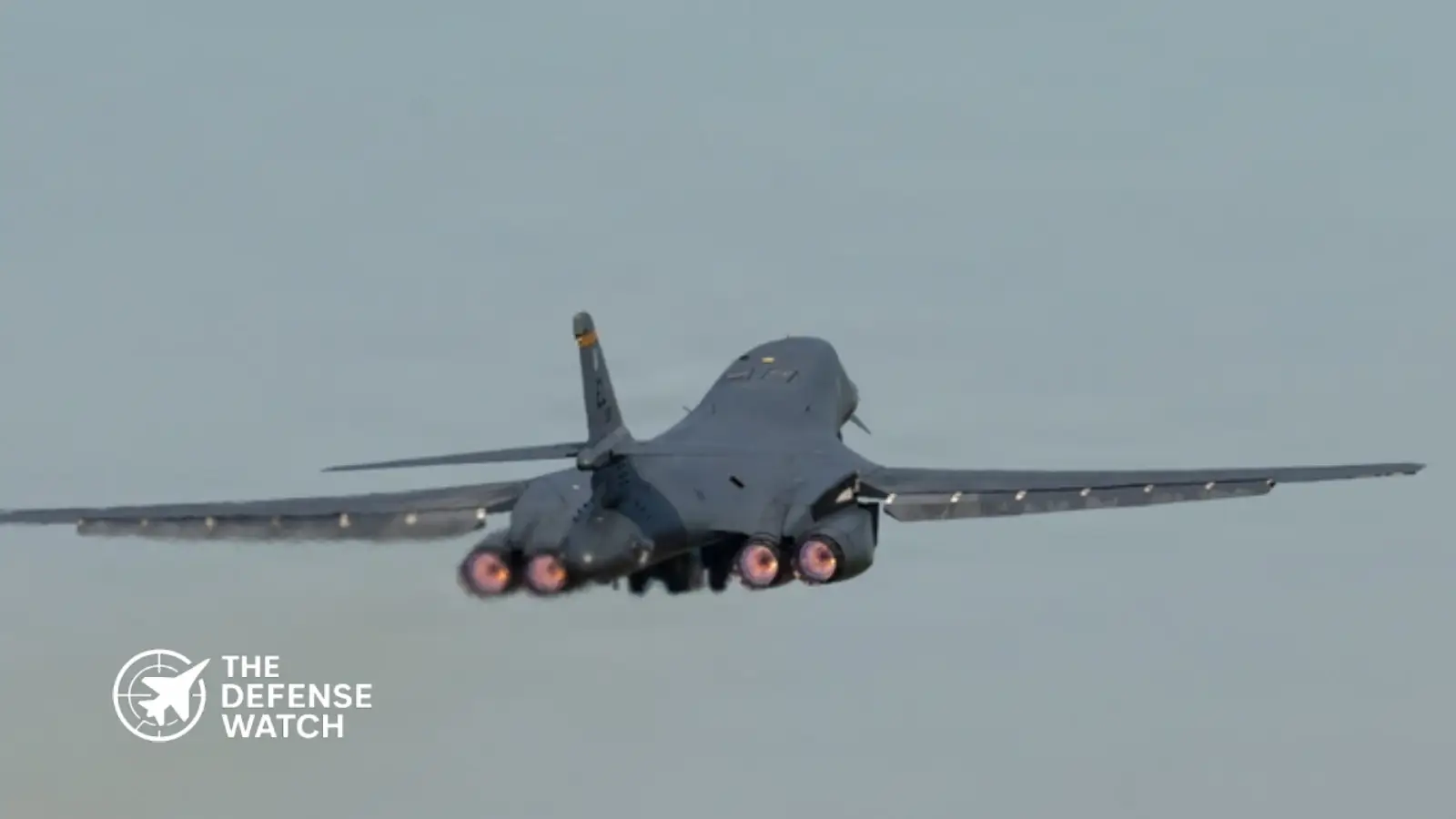
The B-1B Lancer remains a critical element of America’s long-range strike force as the U.S. Air Force manages the transition to the Northrop Grumman B-21 Raider. While the Raider represents the future of the U.S. bomber fleet, service leaders continue investing in the B-1B to prevent a capability gap during the coming decade.
Recent Air Force and industry efforts demonstrate a clear strategy: maintain operational bomber capacity while introducing a new generation of stealth aircraft. Rather than rapidly retiring legacy bombers, the service is extending the usefulness of the B-1B through structural restoration, sustainment programs, and expanded weapons integration.
The approach reflects broader concerns about maintaining sufficient bomber inventory amid increasing global security challenges and growing demands for long-range conventional strike options.
Why The B-1B Still Matters
Originally designed as a supersonic strategic bomber, the B-1B evolved into one of the Air Force’s primary conventional strike platforms after its nuclear mission ended.
Key B-1B characteristics include:
| Capability | B-1B Lancer |
|---|---|
| Maximum Payload | Approximately 75,000 pounds |
| Maximum Speed | Mach 1.2 |
| Combat Role | Long-range conventional strike |
| Crew | Four |
| Range | Intercontinental with aerial refueling |
| Weapons Carriage | Internal bays, expanding external carriage options |
The aircraft’s combination of speed, range, and payload capacity makes it particularly valuable for delivering large volumes of precision-guided weapons over long distances.
Although the B-21 will eventually assume many strategic strike missions, production and fielding timelines mean the Air Force must maintain existing bomber capacity for years to come.
Sustainment Efforts Extend Fleet Availability
One of the clearest examples of the Air Force’s commitment to the B-1B is the restoration of aircraft previously removed from operational service.
In May 2026, a B-1B known as “Rage,” later renamed “Apocalypse II,” returned to operational status after an extensive regeneration effort involving the Oklahoma City Air Logistics Complex. The aircraft had previously been retired and placed in long-term storage before undergoing a multi-year restoration program.
The restoration highlights the Air Force’s determination to preserve bomber numbers while awaiting the arrival of sufficient B-21 aircraft.
Such regeneration efforts are significant because bomber fleets are relatively small, making every operational aircraft important for maintaining global strike capacity.
Expanding The B-1B’s Future Weapons Capability
The Air Force is also working to enhance the B-1B’s combat relevance through new weapons integration initiatives.
A major development involves the Load Adaptable Modular (LAM) pylon program, which seeks to restore and modernize the aircraft’s external weapons carriage capability. Boeing completed a preliminary design review for the effort in 2026, advancing plans to enable the B-1B to carry larger standoff weapons externally.
The initiative could allow the bomber to employ:
- Future hypersonic weapons
- Long-range standoff missiles
- Large precision-guided strike systems
- Emerging conventional prompt-strike capabilities
The Air Force has also publicly displayed a B-1B carrying the AGM-183A Air-Launched Rapid Response Weapon (ARRW), highlighting the aircraft’s potential role in future hypersonic strike operations.
These efforts indicate that the B-1B is being positioned not merely as a legacy platform, but as a viable launch platform for advanced weapons during the transition period.
(adsbygoogle = window.adsbygoogle || []).push({});Strategic Importance Of The Bomber Transition
The decision to sustain the B-1B reflects a broader challenge facing U.S. military planners.
The Air Force is simultaneously:
- Modernizing the nuclear triad
- Introducing the B-21 Raider
- Upgrading the B-52 fleet
- Maintaining global bomber deployments
- Developing hypersonic strike capabilities
Retiring large numbers of B-1Bs before sufficient B-21 aircraft become operational could reduce available bomber capacity at a time when strategic competition is increasing across multiple theaters.
The B-21 is expected to provide significant advantages in survivability and penetration against advanced air defense systems. However, the aircraft remains in the testing and fielding phase, with operational expansion occurring gradually. Recent testing milestones show the Raider progressing into more advanced operational evaluation activities as the Air Force prepares for future deployment.
Until production reaches higher volumes, existing bomber fleets remain essential to maintaining credible deterrence and conventional strike options.
Analysis: Preserving Capacity While Modernizing Capability
The Air Force’s B-1B strategy demonstrates a practical approach to force modernization.
Historically, modernization programs often create temporary capability gaps when older systems retire before replacements are available in meaningful numbers. The bomber force appears determined to avoid that outcome.
Maintaining the B-1B provides several advantages:
First, it preserves operational mass. Long-range strike campaigns require sufficient aircraft numbers to generate sustained sortie rates.
Second, it allows the Air Force to distribute modernization risk. If B-21 production or integration timelines shift, the service retains an effective conventional strike platform.
Third, new weapons integration programs could significantly increase the B-1B’s value in future conflicts. External carriage upgrades and hypersonic weapon compatibility may allow the bomber to perform missions that complement stealth-focused B-21 operations.
This suggests the Air Force increasingly views bomber modernization as an overlapping transition rather than a simple replacement process.
Looking Ahead
The B-1B Lancer remains a cornerstone of U.S. conventional bomber capability despite its age. Through sustainment investments, aircraft regeneration efforts, and advanced weapons integration programs, the Air Force is ensuring the platform remains relevant during the transition to the B-21 Raider.
As the Raider gradually enters operational service, the B-1B is expected to continue providing critical long-range strike capacity, helping preserve the size and flexibility of America’s bomber force during one of the most significant modernization periods in its history.