Ukrainian F-16 Fighter Jet Transfer Signals Continued Fleet Growth
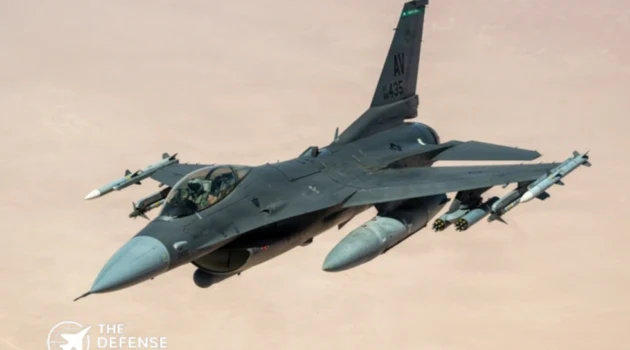
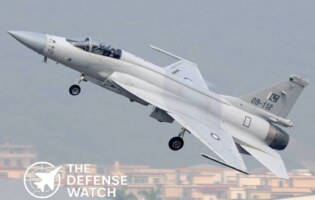
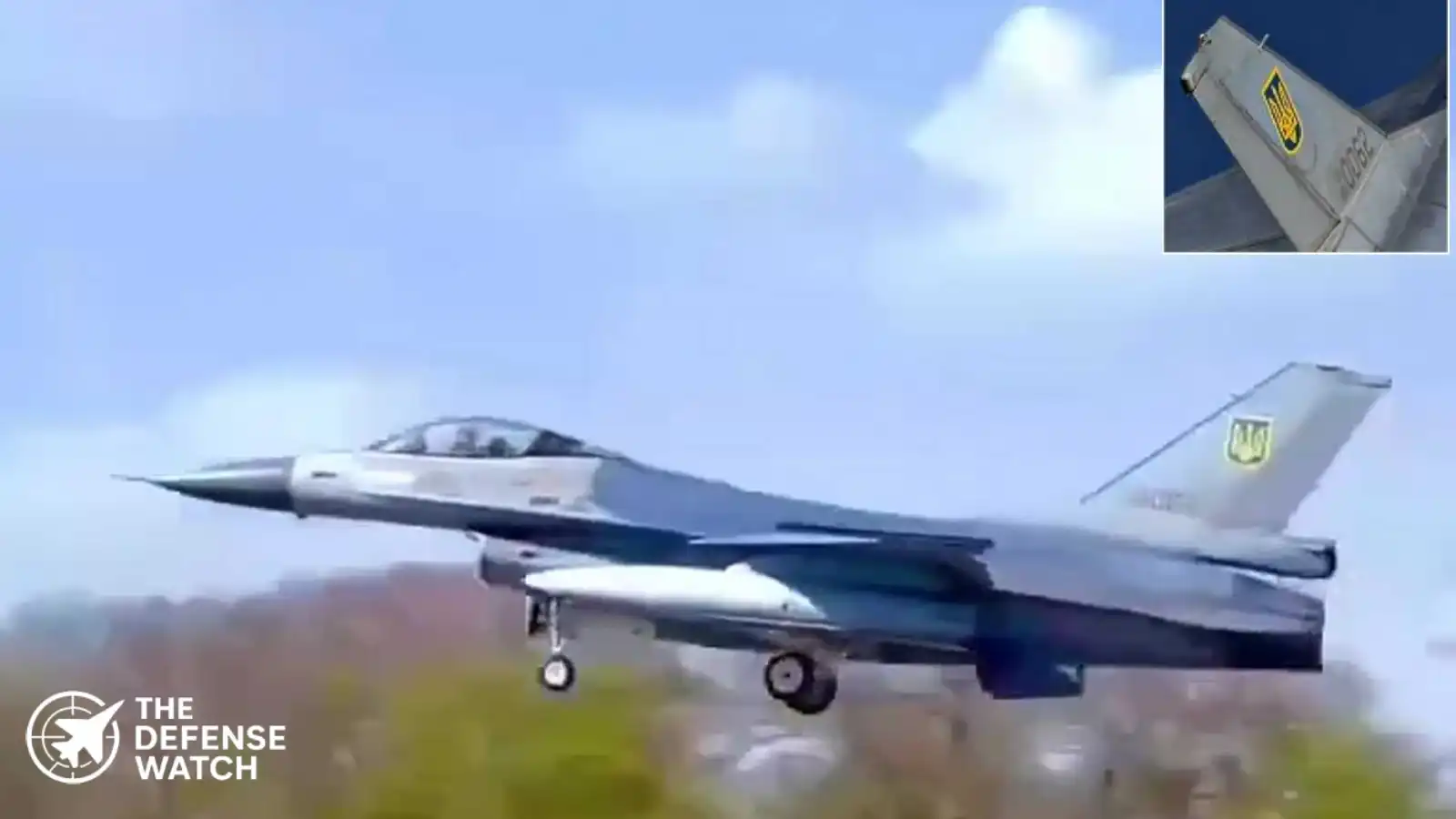
A Ukrainian F-16 fighter jet reportedly transferred by the Netherlands has been observed departing a Belgian airport, according to reporting by Army Recognition. While official authorities did not publicly identify the specific aircraft movement, the sighting points to continued progress in Kyiv’s effort to build a modern Western fighter fleet.
The transfer matters because each additional F-16 increases Ukraine’s ability to defend airspace, intercept cruise missiles, and conduct more accurate strike missions. Unlike Soviet-era aircraft still in Ukrainian service, the F-16 offers stronger radar performance, broader weapons integration, and easier access to NATO-standard maintenance and training pipelines.
- A Ukrainian F-16 fighter jet transferred by the Netherlands was reportedly spotted departing a Belgian airport.
- The aircraft is believed to be part of the multinational NATO-backed program supplying F-16s to Ukraine.
- Belgium has become a key logistics and training hub for European F-16 transition efforts.
- Additional aircraft deliveries would strengthen Ukraine’s air defense and precision strike capacity.
- The Netherlands remains one of Kyiv’s leading European combat aviation donors.
The Netherlands has been among the most committed European supporters of the fighter transfer initiative. Dutch officials previously pledged multiple retired F-16 aircraft after transitioning to the F-35 fleet. Those airframes are now being used for direct transfer, spare parts support, or training programs depending on condition and readiness.
Why Belgium Matters In The F-16 Pipeline
Belgium’s role is strategically important even when it is not the donor nation. Belgian air bases and aerospace infrastructure provide a practical transit point for aircraft refurbishment, pilot conversion activity, technical preparation, and onward movement.
This suggests the reported departure may be part of a larger coordinated logistics chain rather than a simple one-time handover. Western fighter transfers require inspections, software alignment, documentation, mission system checks, and coordination with training schedules.
For Ukraine, receiving aircraft is only one part of the equation. Sustainable combat power depends on:
- Pilot conversion training
- Ground crew certification
- Spare engines and parts
- Weapons stock integration
- Hardened basing and dispersal planning
- Secure command and control links
That means every visible aircraft movement can represent months of behind-the-scenes preparation.
What The Ukrainian F-16 Fighter Jet Adds To Combat Operations
The Ukrainian F-16 fighter jet program is designed to gradually replace aging Soviet aircraft such as the MiG-29 and Su-27 in selected roles. While no single fighter can change the war alone, the F-16 offers several practical advantages:
Air Defense Intercepts
The aircraft can respond faster to missile and drone threats when paired with modern sensors and guided missiles.
Precision Strike Missions
The F-16 can employ a wide range of Western-guided munitions, improving target accuracy.
Survivability
Modern electronic warfare systems and situational awareness tools can improve pilot survivability in contested airspace.
NATO Interoperability
Shared standards simplify future training, sustainment, and coalition support.
Strategic Limits Still Remain
Even with more deliveries, Ukraine’s F-16 fleet will operate under constraints. Russian long-range air defenses, electronic warfare systems, and missile threats continue to shape mission planning. Aircraft numbers also remain limited compared with prewar major air forces.
That means the best use of the Ukrainian F-16 fighter jet fleet may be selective, high-value missions rather than constant front-line exposure. Intercepts, defensive patrols, and stand-off strike roles are likely to remain priorities.
Netherlands Support Carries Political Weight
The Dutch decision to continue transfers also carries political significance. It signals that long-term military assistance to Ukraine remains active among key European NATO members. Fighter donations are more complex than artillery or vehicles because they involve years of training, sustainment, and security commitments.
Each successful aircraft delivery therefore demonstrates not just hardware support, but enduring coalition coordination.
Outlook
If additional sightings and confirmations follow, Ukraine’s F-16 inventory will continue to expand incrementally through 2026. That slow but steady approach may prove more valuable than rapid one-time deliveries, because trained crews, spare parts, and combat readiness can grow together.
For Kyiv, every added aircraft increases options. For Europe, every transfer reinforces the message that advanced support programs remain in motion.