Honeywell Wins $53.9M Navy WSN-7 Gyro Contract
Takeaways
Key facts from the contract announcement
1. $53.9 Million Five-Year Contract
Honeywell Aerospace Technologies received a firm-fixed-price contract valued at $53,866,460 for components supporting the Navy’s AN/WSN-7 inertial navigation system.
2. Up to 1,125 Components
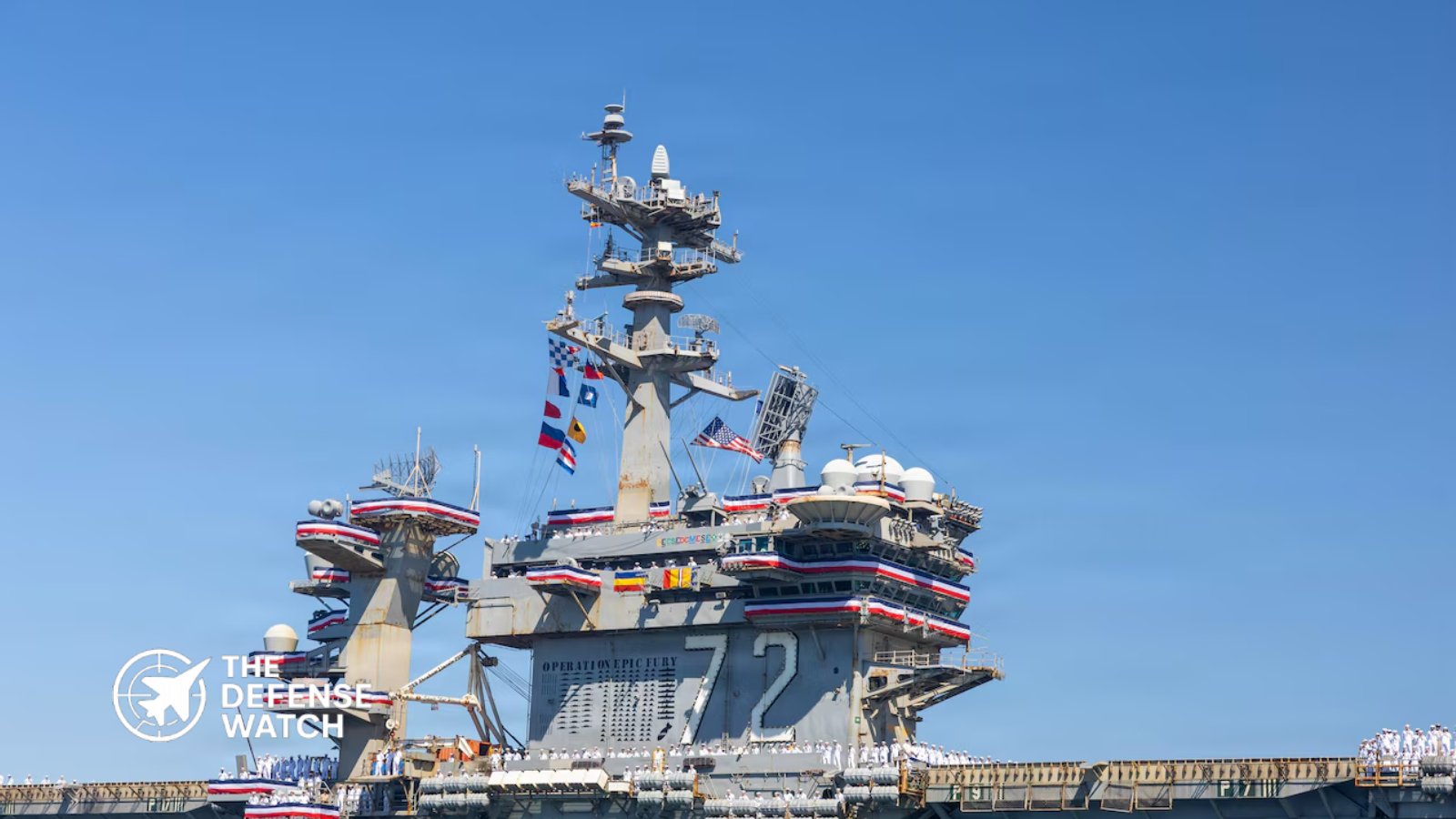
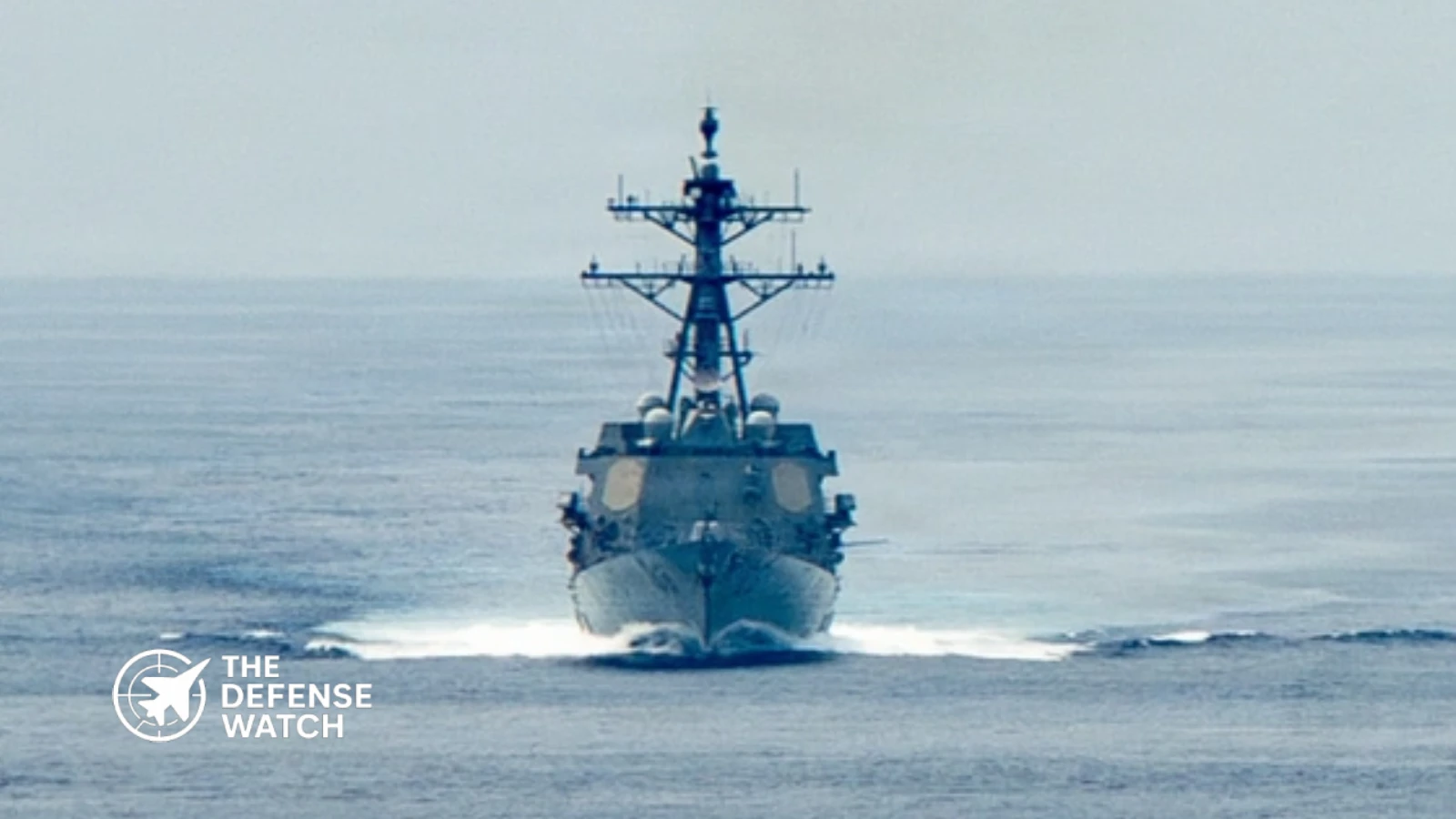
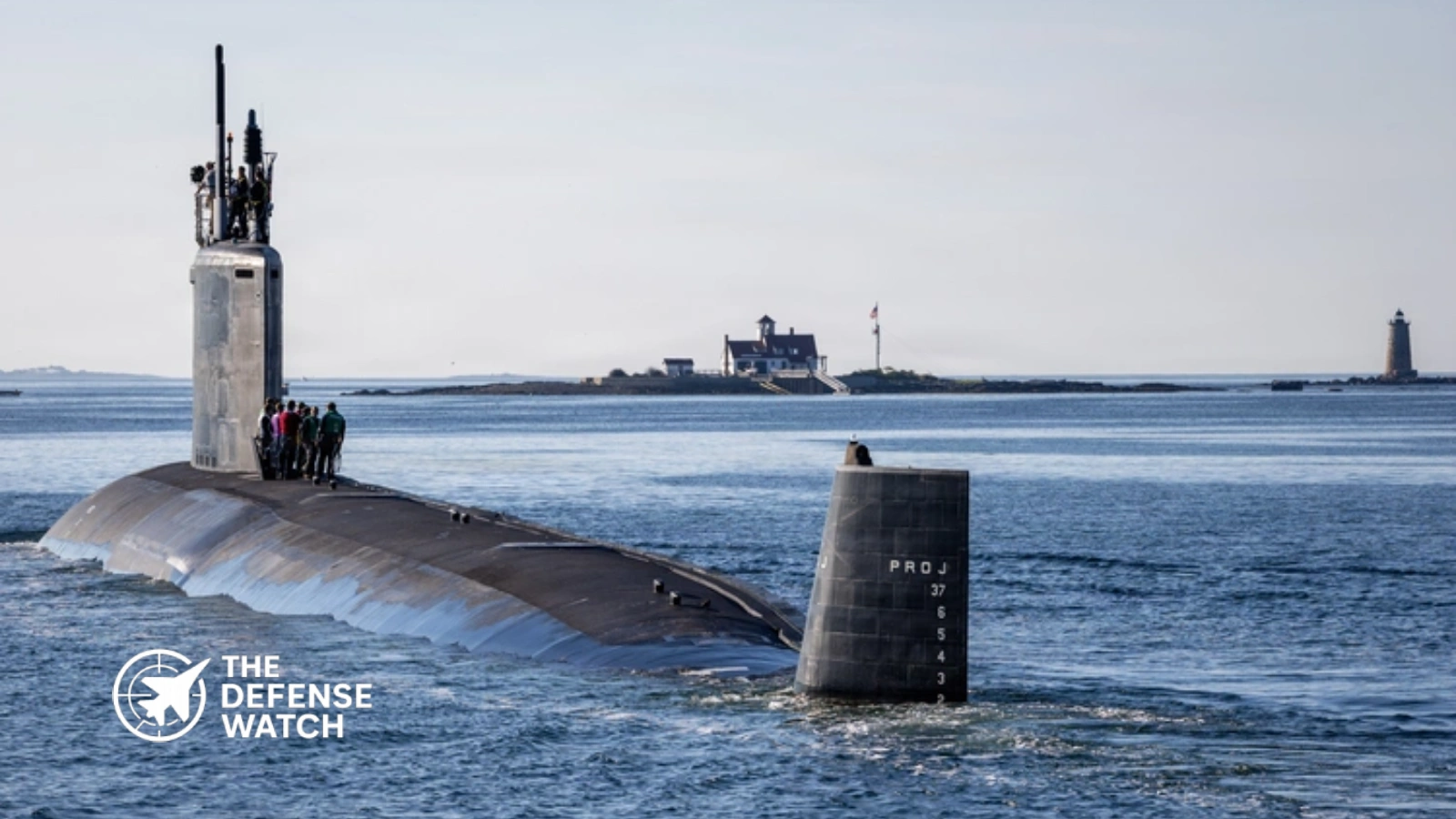
The contract covers up to 1,125 components representing three different parts used in ring laser gyros supporting WSN-7 systems aboard Navy submarines and surface ships.
Honeywell Aerospace Technologies has received a $53.87 million U.S. Navy contract to supply components used in ring laser gyroscopes supporting the Navy’s AN/WSN-7 inertial navigation system.
- Honeywell Wins $53.9M Navy WSN-7 Gyro Contract
- Takeaways
- Scope of the Honeywell AN/WSN-7 Contract
- AN/WSN-7 Technical and Operational Context
- Operational Impact on U.S. Navy Navigation
- Contract Breakdown: Honeywell Aerospace Technologies Award Details
- Contract Value
- Contractor
- Contract Type
- Work Locations
- Performance Period
- Funding
- Options Or Follow-On Work
- Honeywell Defense Industrial Base and Acquisition Impact
- Program Milestones and Next Steps
According to the Department of War contract announcement published September 18, the firm-fixed-price award covers up to 1,125 components representing three different parts over five years. The components support WSN-7 systems used on a variety of Navy submarines and surface ships.
The contract, designated N00104-26-D-AZ01, was awarded by Naval Supply Systems Command Weapon Systems Support in Mechanicsburg, Pennsylvania. No funds are being obligated at the time of award because the contract establishes the framework for subsequent delivery orders.
Scope of the Honeywell AN/WSN-7 Contract
The five-year contract covers three types of components used in the ring laser gyros that form part of the AN/WSN-7 inertial navigation system.
The total contract value is $53,866,460, with procurement authorized for up to 1,125 components during the five-year period. The award has a five-year base period and no option periods.
The Navy stated that subsequent delivery orders under the contract will be issued through September 2031. Those orders will be funded using appropriate Navy working capital funds, with the associated funds not expiring.
The award is therefore not an immediate expenditure of $53.9 million. Instead, the contract provides the procurement framework under which individual delivery orders can be issued as the Navy requires the components.
AN/WSN-7 Technical and Operational Context
The AN/WSN-7 Ring Laser Gyro Navigator is a self-contained inertial navigation system developed for Navy ships and submarines. Navy documentation describes the system as a common ship and submarine inertial navigator intended to replace older fleet navigation systems.
The system uses ring laser gyro technology to measure a vessel’s motion and support navigation without relying exclusively on external positioning signals. The Navy has described the WSN-7 as providing real-time navigation information for navigation and combat systems.
A ring laser gyroscope determines angular motion using counter-propagating laser beams. The measured difference between the beams is related to the rotation of the gyro, allowing the system to determine changes in orientation.
This technology has an important role in inertial navigation because it allows a vessel to maintain navigation information using onboard sensors. That makes inertial navigation particularly relevant when external navigation signals are unavailable or degraded.
The Navy has previously described the AN/WSN-7 as a common ring laser gyro navigation system for surface ships and submarines. NAVSEA says the program was established to address reliability and obsolescence issues affecting older fleet navigation equipment.
Operational Impact on U.S. Navy Navigation
For the U.S. Navy, inertial navigation is part of the broader positioning, navigation and timing architecture required for ship operations.
The AN/WSN-7 provides navigation data that can support both routine ship navigation and other onboard systems. Navy budget documentation describes the AN/WSN-7(V) as providing real-time navigation data for navigation and combat systems.
The continued procurement of components indicates that the Navy still requires parts to sustain WSN-7-equipped platforms. The latest award does not, by itself, establish how many ships or submarines will receive components or how individual quantities will be distributed.
The Navy is also pursuing newer inertial navigation technology. The AN/WSN-12 has been developed as a successor to the WSN-7, with Northrop Grumman involved in the newer system. Janes reported that the WSN-12 uses fiber-optic gyro technology and was intended to provide improved inertial navigation capability.
That means the Honeywell contract should be viewed primarily as a sustainment and component availability action for the existing WSN-7 fleet rather than an announcement of a new navigation system.
Contract Breakdown: Honeywell Aerospace Technologies Award Details
Contract Value
The contract has a total stated value of $53,866,460.
The announcement does not state that the full amount is being obligated at award. No funds are being obligated initially, with funding to follow through subsequent delivery orders.
Contractor
Honeywell Aerospace Technologies, Minneapolis, Minnesota, is the contractor.
Honeywell maintains a broader portfolio of marine navigation technologies based on ring laser gyroscopes and other inertial sensors.
Contract Type
The award is a firm-fixed-price contract.
It is structured as a five-year base contract with no option periods.
Work Locations
All work will be performed in Minneapolis, Minnesota.
Performance Period
The contract covers a period of five years. Subsequent delivery orders are scheduled to be issued by September 2031.
Funding
No funds are obligated at the time of award.
Future delivery orders will use appropriate Navy working capital funds. The announcement states that those funds will not expire.
Options Or Follow-On Work
There are no option periods under the five-year contract.
The Navy expects to place individual delivery orders against the contract as component requirements arise. The announcement does not disclose the timing, quantity or value of individual future orders.
Honeywell Defense Industrial Base and Acquisition Impact
The award provides the Navy with a defined procurement mechanism for components needed to support an established navigation system.
The sole-source structure is also significant. The Navy stated that one source was solicited under 10 U.S. Code 3204(a)(1) and that one offer was received. The contracting activity identified the requirement as sole source.
This approach can be used when the government determines that the required supplies or services can be obtained from only one responsible source under the applicable statutory authority. The contract announcement does not provide additional details on the specific technical or industrial-base rationale for selecting a sole source.
For Honeywell, the award continues the company’s involvement in naval inertial navigation hardware. Honeywell has previously supplied ring laser gyro equipment for Navy navigation applications, including earlier contracts supporting the AN/WSN-7.
Program Milestones and Next Steps
The immediate milestone is the establishment of the five-year contract framework. The Navy can subsequently issue delivery orders for the covered components through September 2031.
Those orders will determine the actual quantities procured and the associated spending under the contract. The current announcement does not provide a schedule for individual deliveries.
The longer-term Navy navigation picture also includes transition toward newer systems such as the AN/WSN-12. At the same time, continued procurement of WSN-7 components provides a mechanism for supporting platforms that continue to use the existing navigation architecture.
The latest Honeywell award therefore represents a sustainment procurement for an established Navy navigation capability, while the service continues development and fielding of newer iner