China J 36 Sixth Generation Fighter Flight Update
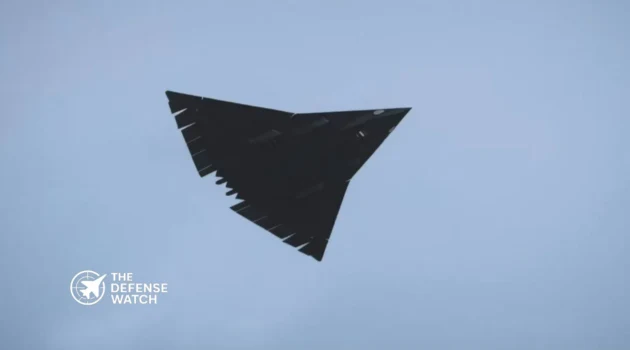
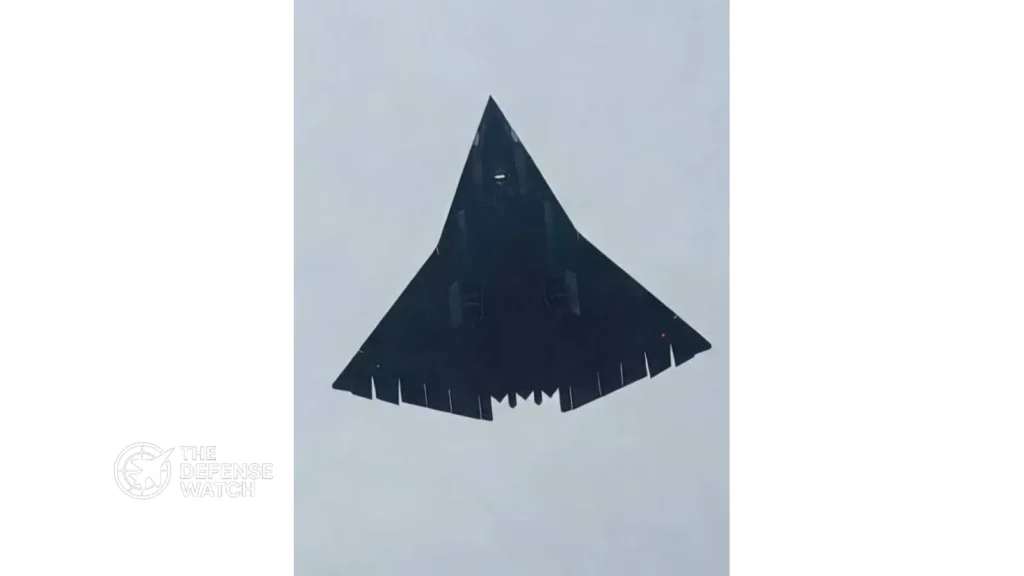
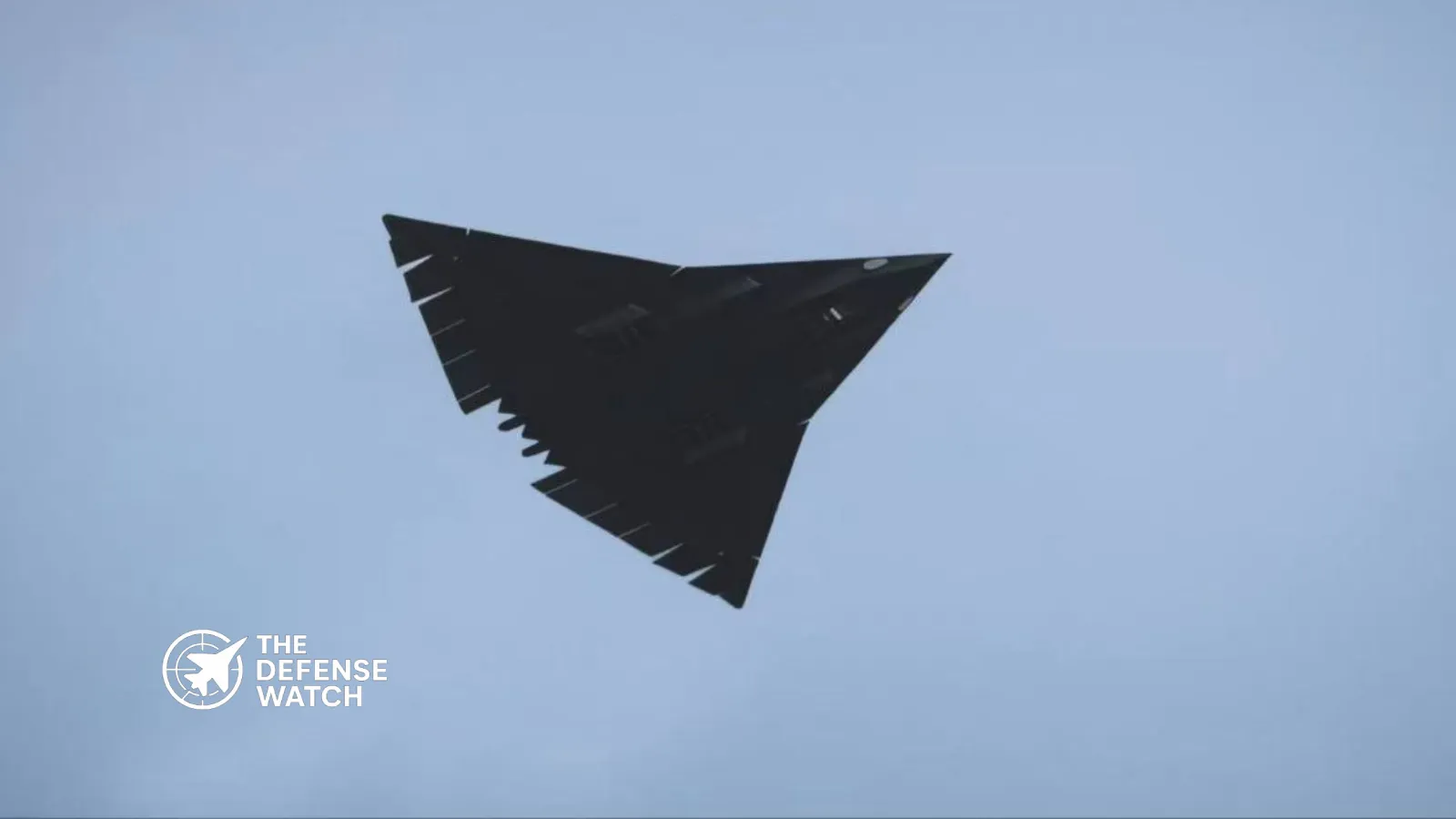
China has flown a third prototype of the J 36 sixth generation fighter, according to recent open source imagery and analyst assessments circulating among defense watchers. The aircraft, developed by Chengdu Aircraft Corporation, represents China’s most advanced known effort to field a future air dominance platform for the People’s Liberation Army Air Force.
The new flight activity follows earlier sightings of two J 36 prototypes and signals steady progress in a program Beijing has not publicly acknowledged. Defense analysts say the appearance of a third prototype points to an expanded flight test campaign rather than a limited technology demonstrator effort.
Open source aviation trackers and regional defense analysts first flagged the latest aircraft movement through imagery shared on Chinese social media platforms and later assessed by independent researchers. Publications such as Janes and Aviation Week have previously noted similar patterns in past Chinese combat aircraft programs, including the J 20 stealth fighter, where multiple prototypes appeared within short timeframes during early testing.
What the Third J 36 Prototype Tells Analysts
The emergence of a third J 36 airframe suggests the program has moved beyond initial proof of concept testing. In previous Chinese fighter developments, the introduction of additional prototypes often coincided with parallel testing of avionics, propulsion, and low observable shaping.
Available imagery indicates the J 36 maintains a tailless or near tailless configuration, consistent with sixth generation fighter design trends focused on reduced radar signature, improved aerodynamic efficiency, and enhanced internal volume. Analysts caution that exact conclusions remain limited due to the lack of official data and the controlled nature of available imagery.
Still, the pace of prototype appearances aligns with China’s broader military aviation modernization drive, which has emphasized rapid iteration and early flight testing to compress development timelines.
Chengdu Aircraft Corporation and China’s Fighter Development Track Record
Chengdu Aircraft Corporation has played a central role in China’s modern combat aircraft portfolio. The company developed the J 10 multirole fighter and later the J 20 stealth fighter, which entered operational service with the PLA Air Force in the late twenty tens.

In both cases, Chengdu relied on multiple flying prototypes early in development to mature flight controls, stealth shaping, and systems integration. Defense analysts see similarities in the J 36 program structure, though they stress that a sixth generation fighter brings a far higher level of technical complexity.
Key focus areas likely include advanced sensors, artificial intelligence assisted decision support, networked operations, and improved propulsion. None of these elements have been officially confirmed for the J 36, but they are widely considered core attributes of sixth generation combat aircraft across major air forces.
Implications for PLA Air Force Modernization
The third J 36 prototype flight reinforces assessments that China intends to maintain momentum in high end air combat capabilities. The PLA Air Force has already fielded large numbers of fifth generation J 20 fighters and continues to upgrade legacy platforms with improved sensors and weapons.
A future sixth generation fighter would likely complement the J 20 rather than replace it outright, focusing on air superiority, command and control roles, and deep penetration missions in highly contested environments. U.S. and allied defense planners closely watch such developments, particularly as Washington advances its own Next Generation Air Dominance effort.
While timelines remain uncertain, analysts generally agree that sustained prototype testing is a prerequisite for any eventual operational fielding. The appearance of multiple J 36 airframes suggests China is laying that groundwork.
How the J 36 Fits Global Sixth Generation Fighter Trends
Globally, sixth generation fighter programs remain in early stages. The United States, through its Air Force and Navy, has acknowledged flying a Next Generation Air Dominance demonstrator. Europe is pursuing the Future Combat Air System and the Global Combat Air Programme.
Common themes across these efforts include stealth optimized shapes, increased range, manned and unmanned teaming, and resilient networking under electronic attack. The J 36’s observed configuration appears broadly aligned with these concepts, though analysts warn against assuming direct equivalence without verified data.
(adsbygoogle = window.adsbygoogle || []).push({});China has historically followed a different development path, often emphasizing rapid prototyping and incremental capability growth. The third J 36 prototype flight may reflect this approach, allowing engineers to validate multiple design elements in parallel.
What Comes Next for the J 36 Program
Without official statements from Beijing or Chengdu Aircraft Corporation, the next steps remain unclear. However, defense observers will likely watch for signs of expanded flight testing, new airframe variations, or changes in engine configuration.
Satellite imagery of test facilities, increased flight activity, and additional prototype sightings will continue to shape external assessments. Past Chinese programs suggest that once multiple prototypes are airborne, testing can accelerate quickly.
For now, the third J 36 prototype flight stands as another data point in China’s evolving military aviation landscape, underscoring sustained investment in future air combat capabilities.