
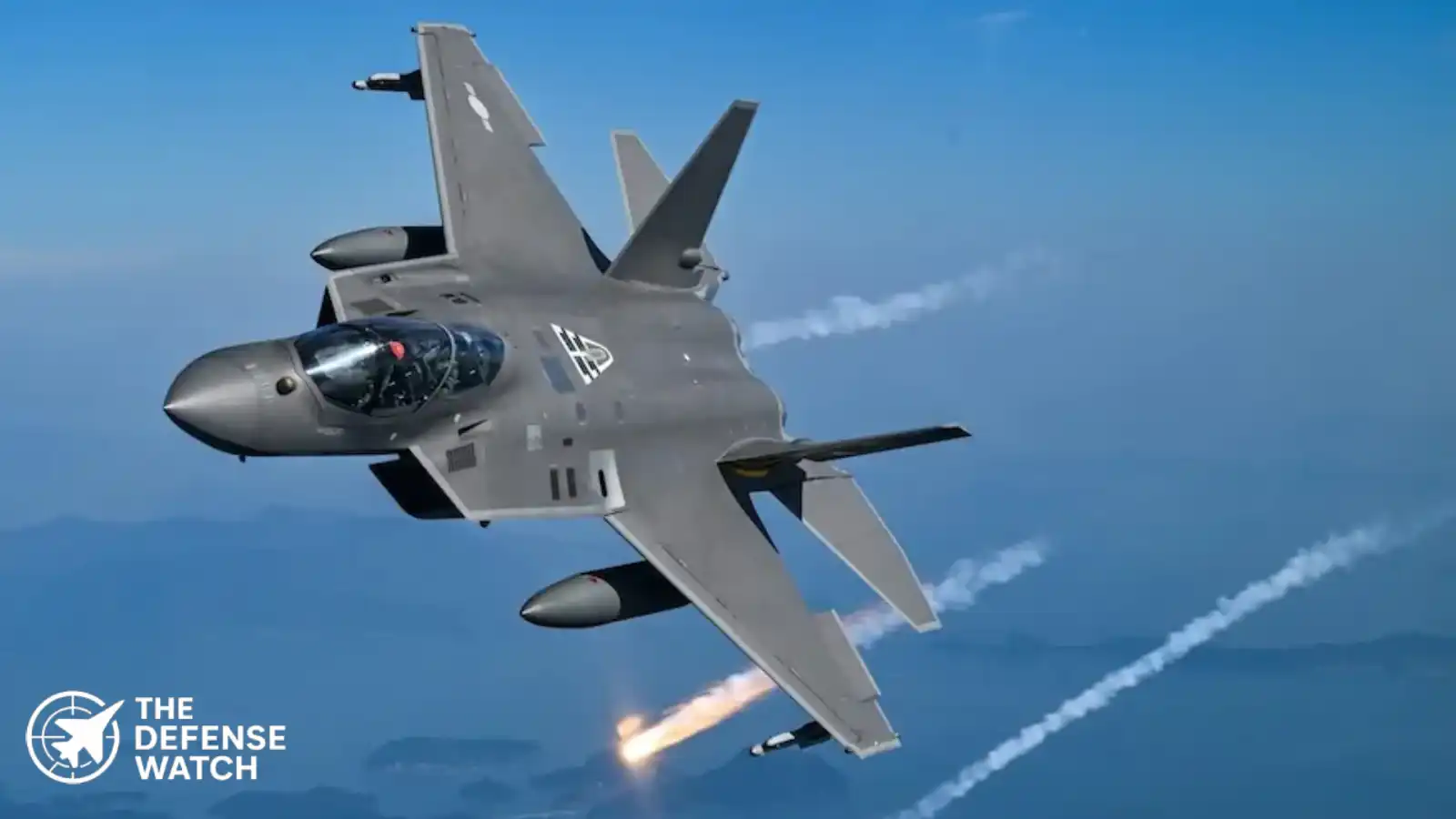
KF-21 Boramae Reaches First Production Flight Milestone
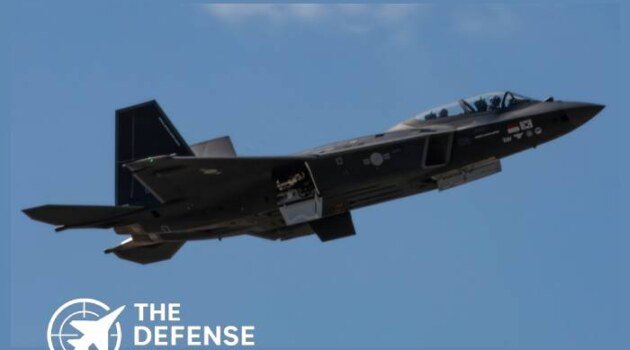
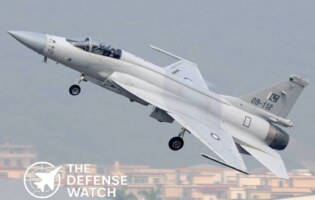
The KF-21 Boramae has entered a critical new phase after the first production aircraft successfully completed its maiden flight in South Korea, according to reporting by Defence Industry Europe citing program developments from Korea Aerospace Industries (KAI).
The successful test marks the transition from prototype development into serial production, one of the most important steps for any modern fighter aircraft program. It also signals that South Korea remains on track to begin delivering the new combat jet to the Republic of Korea Air Force later this year.
- First KF-21 Boramae production aircraft completed its maiden flight in South Korea.
- The milestone comes ahead of initial deliveries scheduled later in 2026.
- KF-21 is being developed by Korea Aerospace Industries for the Republic of Korea Air Force.
- The aircraft is intended to replace older F-4 and F-5 fighter fleets.
- The program supports South Korea’s drive for greater defense self-reliance and export growth.
For Seoul, the event is more than symbolic. It reflects years of investment aimed at reducing dependence on foreign fighter imports while strengthening domestic aerospace manufacturing capacity.
Why The KF-21 Boramae Matters
The KF-21 Boramae was designed as a next-generation multirole fighter positioned between legacy fourth-generation aircraft and more expensive fifth-generation stealth platforms.
That makes the aircraft strategically important. Many air forces need modern sensors, advanced avionics, networked warfare capability, and lower radar signature, but cannot afford or access top-tier stealth fleets in large numbers.
South Korea appears to be targeting that gap.
The KF-21 is expected to replace aging F-4 Phantom II and F-5 aircraft while operating alongside existing advanced fleets such as the F-35. This mixed-force model gives South Korea both high-end stealth capability and larger affordable fighter mass.
Production Milestone Shows Program Confidence
Moving a prototype into production is where many aerospace programs face delays, cost growth, or redesign pressure. Completing a maiden flight with the first production-standard aircraft suggests that engineering maturity is improving and manufacturing systems are stabilizing.
That matters for future customers as much as for South Korea itself.
Export buyers typically watch three indicators closely:
- Has the aircraft entered production
- Are deliveries happening on schedule
- Is the home nation fully committed
The KF-21 Boramae now strengthens its position on all three points.
Regional Security Context
The timing is notable. Indo-Pacific airpower competition continues to intensify as regional states modernize fleets and expand missile defense networks.
South Korea faces persistent threats from North Korea while also navigating a broader environment shaped by Chinese military expansion and increased great-power rivalry across Asia.
A credible domestically built fighter gives Seoul more flexibility in sustainment, upgrades, weapons integration, and long-term fleet planning.
What Comes Next
The next major benchmarks for the KF-21 Boramae program are expected to include:
- Delivery of first operational aircraft
- Continued flight testing and weapons integration
- Expanded production output
- Potential export negotiations with partner nations
If these stages proceed smoothly, the KF-21 could become one of the most significant non-U.S. fighter programs of the decade.
Bottom Line
The maiden flight of the first production KF-21 Boramae is a meaningful achievement for South Korea’s defense industry. It demonstrates growing industrial confidence, strengthens national airpower modernization, and could open future export opportunities in a highly competitive fighter market.
For Washington and allied planners, the rise of capable partner-built combat aircraft also adds resilience to broader regional security networks.