(adsbygoogle = window.adsbygoogle || []).push({});Executive Summary:
The U.S. State Department has approved a potential $842 million Foreign Military Sale allowing Denmark to acquire up to 200 AGM-158 JASSM-ER cruise missiles and associated support equipment. The proposed acquisition would provide Denmark’s F-35A fleet with a long-range precision strike capability, strengthening NATO’s ability to conduct stand-off operations across Northern Europe and the Baltic region.
U.S. Approves JASSM-ER Missile Sale For Denmark
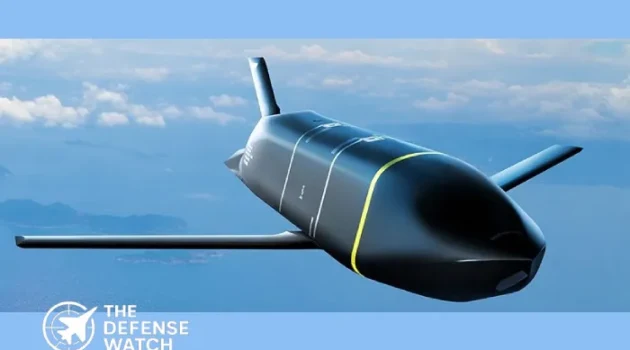
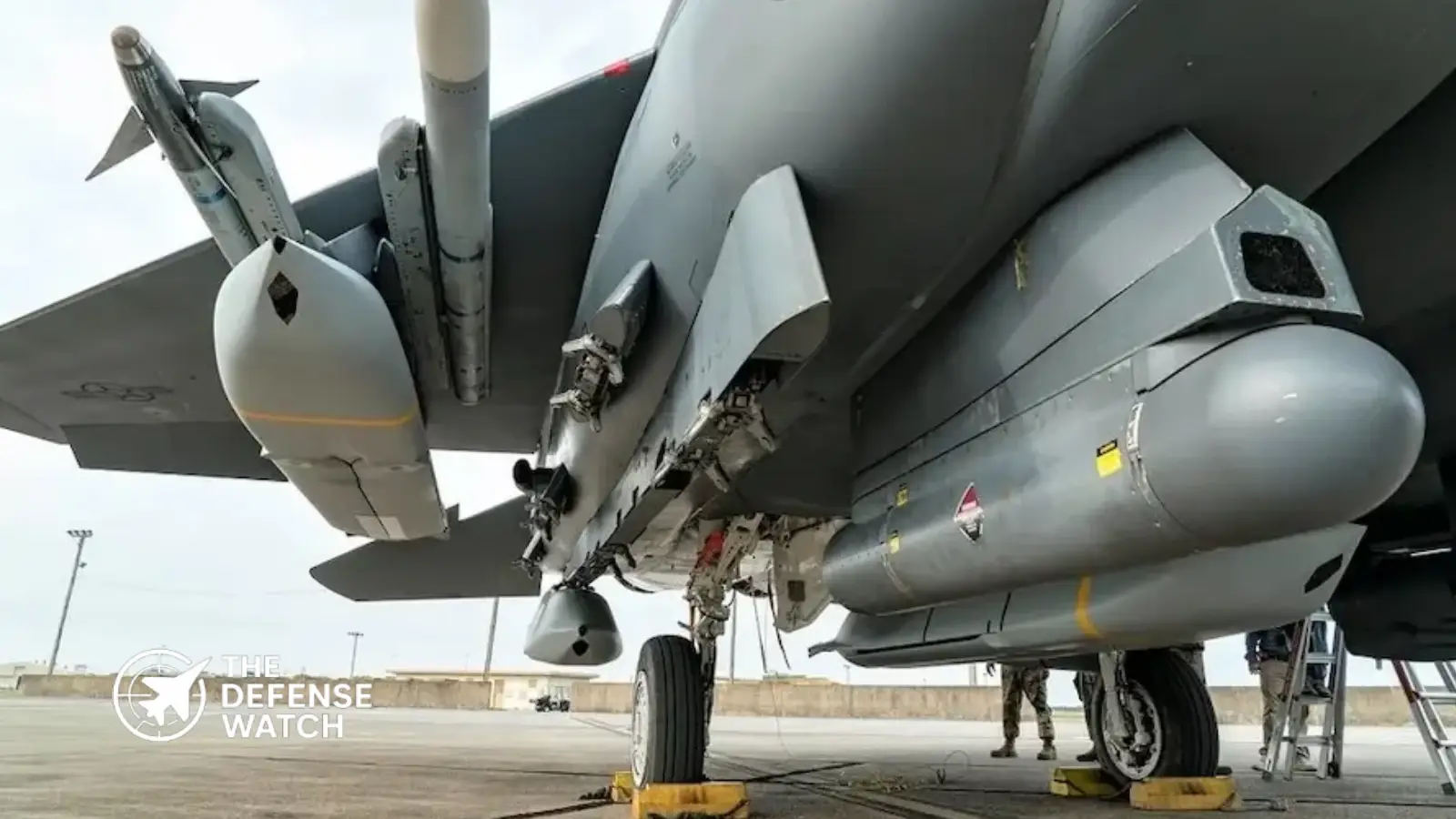
The United States has approved a potential Foreign Military Sale (FMS) worth up to $842 million for Denmark to acquire AGM-158 Joint Air-to-Surface Standoff Missiles Extended Range (JASSM-ER), significantly expanding the long-range strike capabilities of the Royal Danish Air Force.
According to information released by the U.S. government and reported by defense industry sources on June 5-6, Denmark has requested up to 200 AGM-158B JASSM-ER missiles along with support equipment, software, logistics, training, technical documentation, and sustainment services. The proposed package has been submitted to Congress through the established Foreign Military Sales process.
Lockheed Martin, the manufacturer of the JASSM family of missiles, will serve as the prime contractor if the sale proceeds to contract execution.
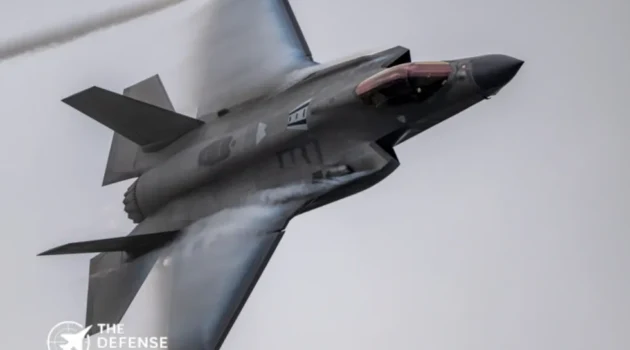
The missiles are intended for integration with Denmark’s fleet of F-35A Lightning II fighter aircraft, providing the country with a deep-strike capability that has become increasingly important across Europe amid heightened regional security concerns.
What Denmark Is Buying
The proposed package includes substantially more than the missiles themselves.
Requested Equipment
| Item | Quantity |
|---|---|
| AGM-158B JASSM-ER missiles | Up to 200 |
| Missile containers | Included |
| Test and support equipment | Included |
| Spare parts and consumables | Included |
| Classified and unclassified software | Included |
| Technical publications | Included |
| Engineering and logistics support | Included |
| Training and sustainment services | Included |
The acquisition package follows the standard U.S. Foreign Military Sales model, which bundles weapons, integration support, logistics, training, and long-term sustainment into a single program.
Understanding The AGM-158 JASSM-ER
The AGM-158B JASSM-ER is one of the United States’ premier air-launched cruise missiles designed for precision attacks against heavily defended targets.
Key characteristics include:
- Low observable (stealth) design
- Precision-guided strike capability
- Range exceeding 925 kilometers (approximately 575 miles)
- Ability to engage high-value targets without exposing launch aircraft to advanced air defenses
- Compatibility with multiple U.S. and allied combat aircraft platforms
The missile was developed to allow aircraft to launch attacks from outside the engagement envelope of sophisticated integrated air defense systems. Its combination of range, survivability, and precision has made it increasingly attractive to allied nations operating fifth-generation aircraft.
Why The Sale Matters For Denmark
The significance of this proposed purchase extends beyond the acquisition of a new missile.
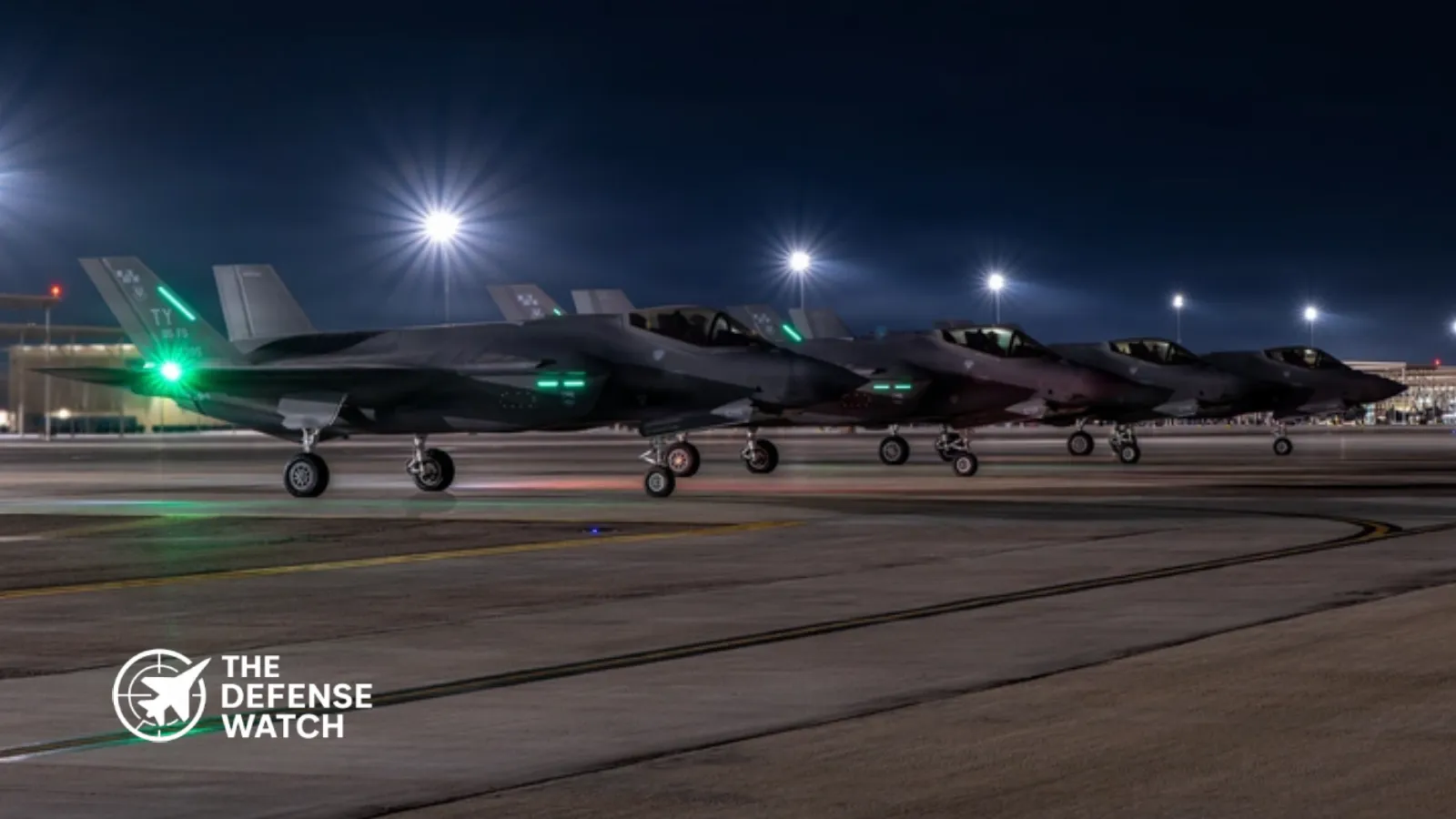
Denmark is currently modernizing its air combat force around the F-35A Lightning II. While the aircraft itself provides advanced sensing, networking, and survivability capabilities, its operational impact increases substantially when paired with long-range stand-off weapons.
The JASSM-ER enables Danish aircraft to strike strategic targets from distances well beyond many modern surface-to-air missile systems. Potential target sets could include:
- Air defense networks
- Command and control facilities
- Air bases
- Logistics centers
- Critical military infrastructure
Rather than requiring aircraft to penetrate heavily defended airspace, stand-off weapons allow operators to engage targets while remaining farther from hostile defenses.
NATO’s Growing Long-Range Strike Network
Denmark’s planned acquisition reflects a broader trend across NATO.
Several European nations have either acquired or are in the process of acquiring JASSM-family missiles to complement their F-35 fleets. Current operators or customers include the United States, Australia, Finland, and Poland, while countries such as Japan and the Netherlands have also moved forward with procurement efforts.
The growing adoption of long-range precision weapons across Europe highlights an important shift in NATO force planning.
For decades, many European air forces focused primarily on expeditionary operations and tactical missions. The return of large-scale conventional warfare to Europe has renewed emphasis on deep-strike capabilities capable of disrupting adversary military infrastructure at significant distances.
Strategic Implications For Northern Europe
From a defense planning perspective, Denmark’s request for 200 missiles is noteworthy because of its scale.
The proposed inventory would provide Copenhagen with a substantial stockpile relative to the size of its combat aircraft fleet. Rather than purchasing a limited number of weapons for niche missions, Denmark appears to be pursuing a capability designed to support sustained operations if required.
The acquisition also reinforces NATO’s ability to distribute long-range strike capacity across multiple member states.
(adsbygoogle = window.adsbygoogle || []).push({});Instead of relying on a small number of nations to provide deep-strike effects, the alliance increasingly benefits from a network of countries capable of conducting precision attacks against critical targets. This distributed approach can complicate adversary planning and improve operational resilience.
For the United States, such sales support a longstanding objective of enhancing allied capabilities while improving interoperability among NATO air forces. Because Denmark already operates the F-35A and participates extensively in alliance operations, integrating JASSM-ER into its arsenal would align closely with broader NATO modernization efforts.
Operational Considerations For The F-35
One notable aspect of the Danish program is the planned use of JASSM-ER on the F-35A.
Reports indicate that Denmark’s F-35s would employ the missile via external carriage. While external weapons can affect an aircraft’s radar signature compared with internal carriage, they still provide substantial operational flexibility and significantly expand strike reach.
The combination of the F-35’s sensor suite and the JASSM-ER’s long range creates a powerful stand-off strike capability. Aircraft can identify, track, and share targeting data across networks while remaining farther from hostile air defenses than would otherwise be possible.
Looking Ahead
The State Department approval does not represent a finalized contract. Under the Foreign Military Sales process, Congressional notification and additional administrative steps must be completed before a final agreement is concluded.
However, such approvals are widely viewed as a strong indicator of U.S. support for the transaction.
If completed, the sale would represent one of Denmark’s most significant investments in long-range precision strike capability and further strengthen the role of the F-35 as the centerpiece of the country’s future air combat force. It would also add another European operator to the growing community of nations fielding advanced stand-off weapons designed for operations in highly contested environments.